Last updated November 17, 2026


Free written scope consultation - allowances, timeline, and change-order rules on paper before a single trade is scheduled
Fence Installation Troubleshooting: Common Problems and How to Fix Them
A fence that leans is almost always described as “the boards are warping.” But board warp and post heave look nearly identical from ten feet away, and they require opposite repair approaches. One is a $80 hardware and re-plumbing job; the other is an $800 post replacement. In our experience across Torrance, the difference between those two numbers is almost always decided in the first two minutes of a site visit, and it comes down to one question: is the post solid, or is it rotted at grade? This guide shows you how to make that call yourself, how to diagnose a sagging gate, and how to tell cosmetic board damage from a moisture problem that will not go away on its own.
Quick Answer
Nearly every fence problem a Torrance homeowner calls about is either a post failure or a hardware failure. Check post integrity first with the two-minute rock test at grade; if the post is solid and only leaning, you’re looking at a realignment job. If it moves at the soil line or feels soft, the post is failing and needs replacement. Gate sag and rust-staining are almost always hardware problems, and both are owner-repairable.
Styles & brands we work with
- Kitchen remodeling
- Bathroom remodeling
- Home additions & ADU
- Roofing
- Windows & doors
- Driveway & pavers
- Fence
Table of Contents
- The Two-Minute Post-Integrity Test
- Gate Sag: Hinge, Post, or Frame?
- Board Splitting and Cupping in Coastal Humidity
- Rust-Staining on Wood from Galvanized Hardware
- Concrete Footing Heave in Clay Soils
- Why Drainage Fixes Leaning Fences Better Than Re-Plumbing
- What’s Owner-Repairable and What Needs a Crew
- When to Call a Professional
The Two-Minute Post-Integrity Test
Every fence diagnosis starts at the base of a post, not at the top. Walk to the leaniest post on the run and do this:
- Grip the post at chest height and rock it side-to-side with moderate force – not a violent shove, just enough to load it.
- Watch the soil at grade while you rock. If you see cracked soil or a widening gap around the post, the post has lost its footing.
- Push a screwdriver into the wood at the soil line. A solid post resists. A rotted post gives way easily, or the wood crumbles and compacts.
- Check for a solid, vertical section of post above the rotted area. If there’s a foot or more of sound wood above the soft spot, the post can usually be sistered – a new section bolted alongside – rather than fully replaced.
If the post is solid but the fence line leans, that’s a realignment job. A concrete footing has tilted, or the post has moved and settled within it. You’ll see the lean running in a single direction across several posts. Board warp, by contrast, shows up as an individual board cupping or bowing out of plane while the fence line itself stays straight. In Torrance, the marine layer and morning condensation tend to make wood fence boards cup on the west-facing side first, so a single-sided lean direction is usually wind and settlement, not warp.
Gate Sag: Hinge, Post, or Frame?
A sagging gate is the most common hardware failure we diagnose, and it has three possible root causes. Test each in this order:
- Hinge failure: Open the gate and look at the hinge plates. Loose screws, worn hinge pins, or hinges pulling out of the wood show up as a wobble at the hinge line. The gate itself is probably still square. Fix: replace the hinges with larger plates or through-bolts, roughly $25 – $60 in parts.
- Post lean: Stand back and sight the gate post against a plumb line or the adjacent fence. If the post leans in the sagging direction, that’s a footing problem, and re-hanging the gate on a leaning post just repeats the sag. Fix: realign or replace the post.
- Frame racking: Lay a straight edge diagonally across the gate frame, corner to corner. If the two diagonals differ in length, the frame has racked (gone out of square). Fix: brace the gate with a tension cable or add a diagonal brace, then re-hang.
Gate hardware is one place we don’t economize. Corroded or undersized hinges on a wood gate in coastal humidity will pull out within a season. Stainless hinge hardware and through-bolts add roughly $30 – $80 to a gate build and are the difference between a gate that stays true for years and one you re-hang every spring.
Board Splitting and Cupping in Coastal Humidity
Wood fence boards move with the seasons – that’s a fact of life, not a failure. Splitting along the grain and cupping (the edges lifting while the center bows) are two different conditions with two very different fixes.
Cosmetic splitting
A hairline split at the top of a board, or a split that runs parallel to the grain and hasn’t reached an edge, is cosmetic. It doesn’t shorten the fence’s life and doesn’t need a repair. If you prefer the look, driving a stainless ring-shank nail across the grain stops the split from spreading, for a few dollars per board.
Cupping and moisture trapped against a structure
Boards that cup noticeably – usually the west side of a fence – are responding to uneven moisture: the side in the sun dries and shrinks, while the side in shade stays wet and swollen. That’s not a structural problem on a freestanding fence. It becomes one when a fence runs tight against a building, an HVAC unit, or a sprinkler head that wets the same board face day after day. The board holds moisture against the structure, and the result is soft, fungus-darkened wood on the structure side.
The fix is separation, not paint. A gap between fence and structure, better drainage away from the board line, and new boards installed with the “bark side” – the tight, dense face – oriented outward to shed moisture. In Torrance, we see the worst cupping on fences facing the onshore breeze off the harbor, where salt spray accumulates on the windward face. Windward boards benefit from a breathable, penetrating stain every four to five years rather than a film-forming paint, which traps moisture.
Rust-Staining on Wood from Galvanized Hardware
Those orange-brown streaks running down a wood fence board are almost always galvanized fasteners and hardware reacting with moisture and salt. Galvanized steel is zinc-coated, and that coating oxidizes in coastal air – the “white rust” of zinc oxide turns to iron oxide streaking once the coating fails. In Torrance, where salt air accelerates every coating’s death, galvanized hardware fails years earlier than it does inland.
The permanent fix is stainless steel. Replace the fasteners and brackets with 304-grade stainless – screws, nails, hinges, and any bolt hardware – and the staining stops permanently because stainless has no zinc to shed. The install-cost difference is roughly $0.15 to $0.40 per linear foot of fence, depending on nail and bracket density. That’s a few hundred dollars on a 150-foot run, and it’s the smartest money a coastal fence build can spend.
Already have staining? Stain the bare wood with an oxalic-acid cleaner to lift the rust, let it dry, and re-stain. But unless you replace the galvanized hardware with stainless, the stain returns. Aluminum hammers and holding clips will keep the new stainless clean during install; any embedded steel in the wood will bleed again.
Concrete Footing Heave in Clay Soils
A leaning post that was set in concrete is usually sitting on a footing that has moved. In Torrance’s inland edges and older neighborhoods, we see expansive clay, and expansive clay is a footing’s worst enemy: it swells when wet and shrinks when dry, and every cycle works a concrete footing slightly out of level. A post can be perfectly plumb above a footing that has heaved an inch, and over a few seasons that reads as a leaning fence.
Identify it this way:
- Look at the concrete collar at grade. If it’s pitched or cracked, or if the post leans but the collar looks level, the footing has moved.
- Check for surface water paths – a downspout, irrigation head, or pooling spot upstream of the leaning posts.
- Measure the lean on sequential posts. Footing heave usually shows a progressive lean across a run; a single leaning post in an otherwise straight line is more likely a soil void or a root.
The repair for heave is not just re-plumbing the post. Re-leveling a leaning post in a heaving footing without addressing the water that made the footing heave gives you a fix that fails again within a few seasons. Drill a new footing, or pull and re-set the post deeper below the active clay layer, and correct drainage at the same time. In clay, a number of Torrance fence estimates we deliver include a new footing depth and a drainage note before the price is written.
Why Drainage Fixes Leaning Fences Better Than Re-Plumbing
Re-plumbing a leaning fence post means pulling the post back to level and re-securing it. If the cause was a soil failure – heave, swell, erosion, or a wet spot that softens the soil – the fix is temporary. The post returns to its lean the next time the soil moves. The broader fix is water management:
- Extend downspouts so they discharge three to four feet from the fence line; a downspout at the fence corner loads the soil under a whole run of posts.
- Re-grade the strip of soil alongside the fence so water drains away, not toward the concrete collars.
- Move or adjust irrigation heads that wet a single post repeatedly.
- Replace a shallow footing with one set deeper than the active clay layer – in clay, three feet is often the useful depth.
After a drainage fix, a post realignment holds. Without one, it’s a temporary repair, and on a Torrance clay edge you’ll be back doing the same post in two or three years. Under our written price policy, a realignment estimate always identifies the water source before the crew starts, so the customer knows whether they’re buying a permanent fix or a temporary one.
What’s Owner-Repairable and What Needs a Crew
Sorting repairs by who can do them is what keeps the small problems small:
Owner-repairable
- Replacing gate hinges and using through-bolts instead of short screws
- Replacing rusted galvanized screws and nails with stainless
- Re-staining boards to reduce moisture damage
- Tightening loose pickets or boards with a new fastener
- Adding a diagonal brace to a racked gate frame
Crew-required
- Post replacement or realignment, because the post’s footing is buried, and a crowbar pull can crack adjacent concrete and damage a run if you’re not careful
- Footing heave and drainage repair, which need excavation and a new footing depth
- Full fence replacement, or replacing a run where the rot is at soil grade
- Removing a fence that’s holding moisture against a structure and re-installing it with proper clearance
The dividing line is largely safety and subsurface work. Anything that involves the buried footing needs a crew with the right tools, or expect to crack concrete and wreck a good post. Fence materials are heavy and anchoring work involves a post-hole digger and a lot of awkward lifting. For wood, cedar and pressure-treated pine dominate in coastal California; for vinyl and composite, look at brands like Bufftech and ActiveYards for low-moisture options that hold color in salt air. For gates and ornamental sections, Jerith aluminum is a sound pick where the fence sees salt spray. Looking ahead to future projects, our work on fence installation in Torrance routinely factors in drainage and footing depth into the written price before work starts.
Common Mistakes to Avoid
- Replacing the board instead of the post. A leaning board on a rotted post wastes a board and leaves the real failure in place. Test the post at grade before you buy anything.
- Re-plumbing without fixing drainage. The single most common repeat repair we see. Realign a post on wet, heaving clay and it’s back to leaning in a season or two. Find the water path first.
- Using galvanized hardware on a coastal fence. In inland Torrance, galvanized may last; near the harbor and in the sea-breeze belt, it rusts and bleeds within years. Stainless is the permanent fix.
- Painting a cupped fence to “seal” it. Film-forming paint traps moisture in boards that are already moving unevenly. Penetrating stain lets wood breathe.
- Re-hanging a gate on a leaning post. A gate will re-sag immediately if its post leans. Fix the post before the hinge.
- Skipping the written estimate on a fence replacement. Aggressive grading, footing depth, and drainage corrections can add labor with no visible sign. A written scope and flat price before work – our standing policy under the Haven Standard – is what keeps a fence job from drifting.
- Assuming vinyl is maintenance-free in salt air. Vinyl is low-maintenance, not no-maintenance. Quality vinyl from Bufftech and ActiveYards holds up, but inspect hardware and gate posts yearly.
See the difference
 Before
 After
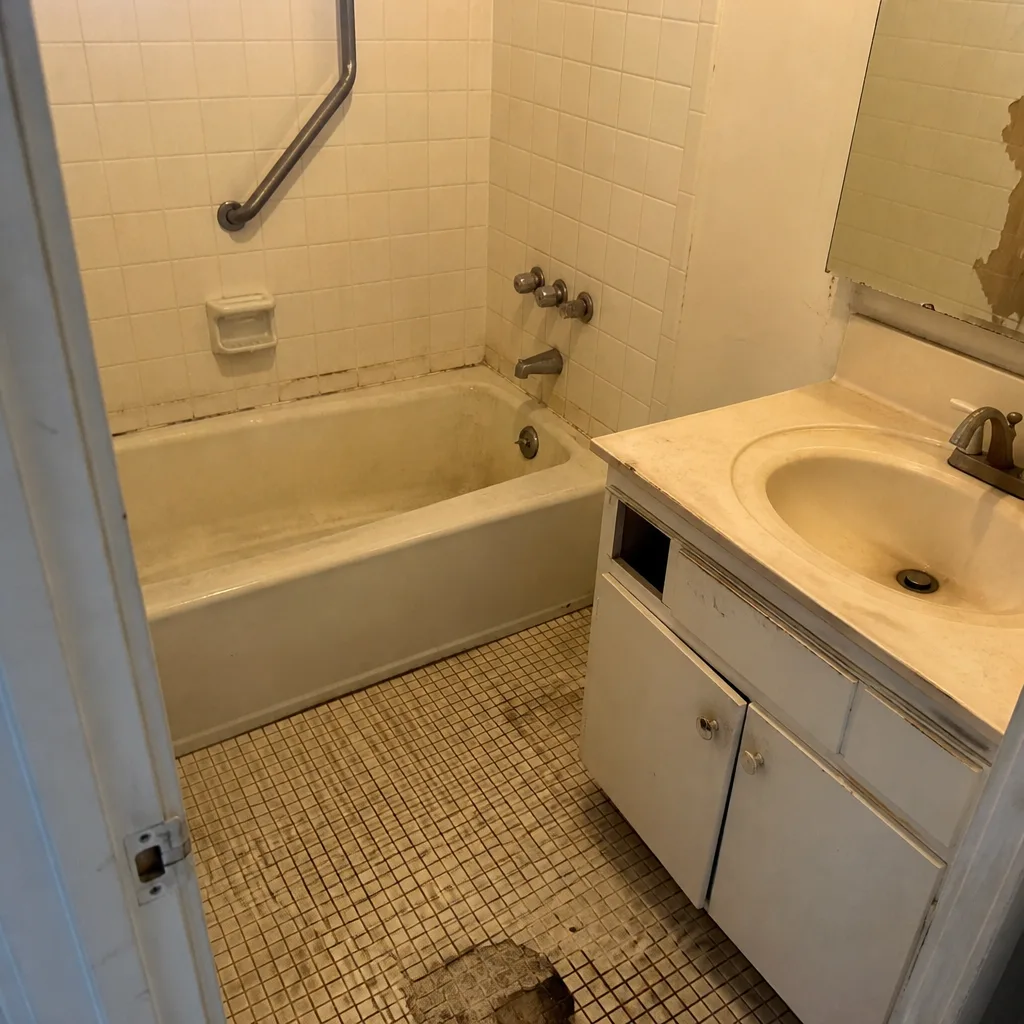 Before
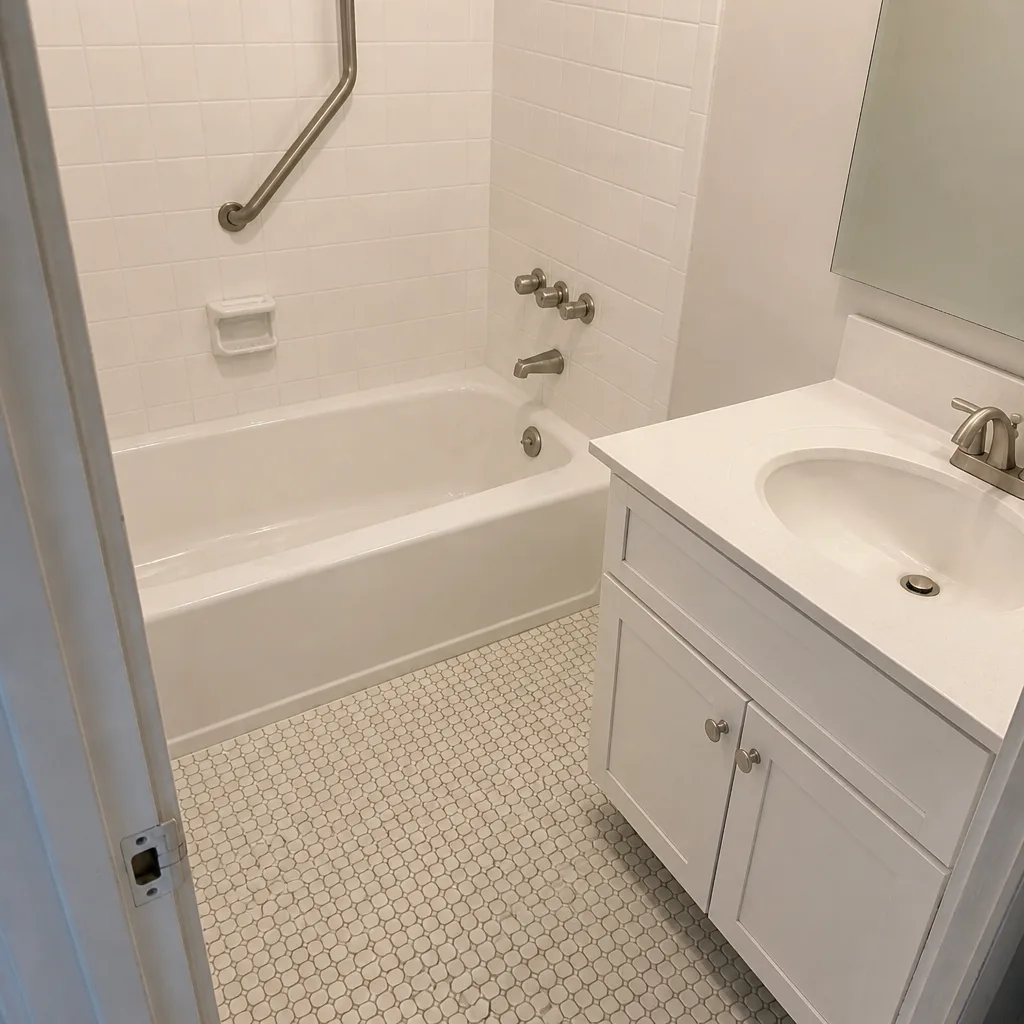 After
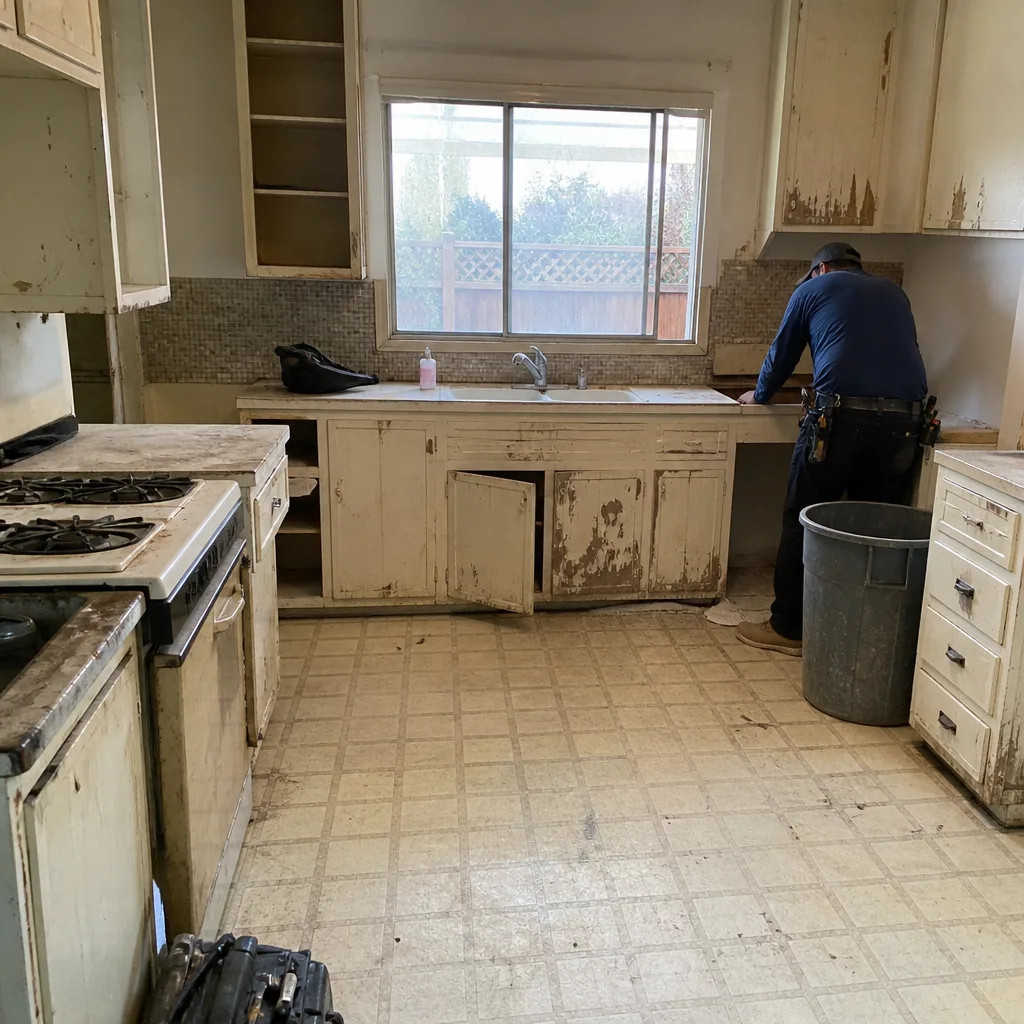 Before
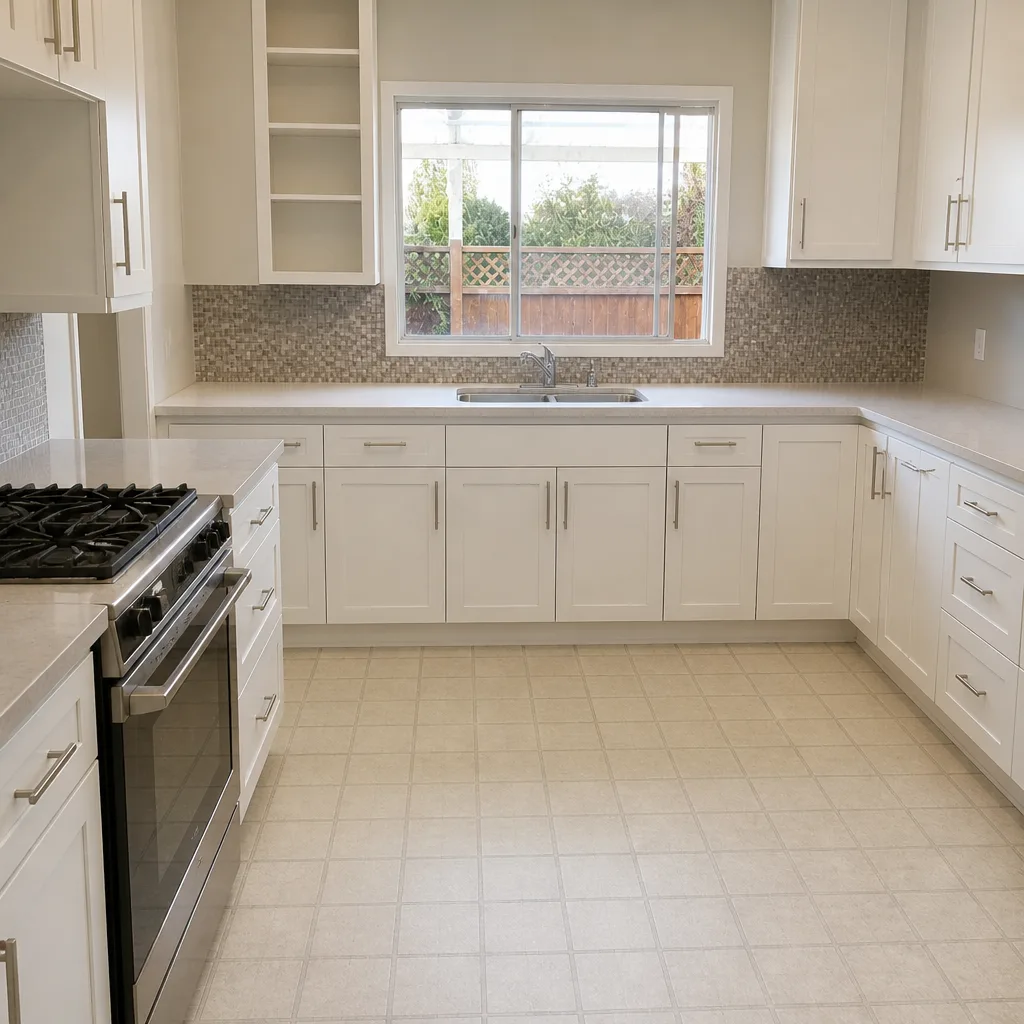 After
When to Call a Professional
Call a crew for any problem rooted in the buried footing, for a full fence line that’s started to lean, or when rot at grade has reached the hardware. Also call if your fence sits within a few feet of an aging structure or a structure with water intrusion – removing it and re-installing with proper clearance is work best done in one operation. The subtle cases we see in Torrance are the ones where footing heave has been quietly working for years: a post that’s still plumb above ground but seated on a collar that’s pitched and cracked. Those need excavation, not a wrench. Rowan Construction Group Torrance offers free estimates in Torrance – call (888) 349-6729, and a live person answers around the clock. Our technicians have up to 19 years of experience, every crew member is background-checked and uniformed, and every visit includes a documented photo record of what was found and what was done – included, not an upgrade.
Frequently Asked Questions
Fence repairs in Torrance typically run $80 – $800 depending on the root cause. Gate hardware fixes run roughly $25 – $80 in parts, a single post realignment or replacement $150 – $350, and post-and-footing replacement with drainage work $400 – $1,200. Call (888) 349-6729 for an exact quote – estimates are free and the price is written before any work starts.
Only if the post is solid. If the post is hard at the base and only leaning, you may be able to brace and re-secure it. If the post is soft or cracks the soil when you rock it, it’s a post failure and needs a crew. Our two-minute test above tells you which, in under five minutes.
Galvanized steel hardware has failed and is rusting into the wood. The permanent fix is replacing screws, nails, and brackets with stainless steel. Repairing without new hardware means the stain returns. In Torrance, salt air makes stainless worth the extra $0.15 – $0.40 per linear foot.
Not without your signature. Under our standard, every project is quoted with a flat written price and written scope before work begins, and no change proceeds without a signed change order. If we find an unexpected footing problem after excavation, you see the change and the price in writing before anyone continues.
Yes. Any fence work that needs a city permit is pulled and inspected as part of the job, and the completed permit record stays with the project documents. Free-standing fence repairs typically don’t require a permit; new construction-height fences and some property-line runs do.
Most repair jobs finish in one day – a gate re-hang is two hours, a post replacement is three to four hours, and post-plus-drainage work runs one to two days. Full replacement depends on run length. Exact timing is written on the estimate, along with the scope of work.
For related work around your property, our teams also handle Driveway & Pavers in Torrance and Home Additions & ADU in Torrance, where fences often factor into site drainage and clearance planning.
The Bottom Line
Fence diagnosis comes down to two questions: is the post solid at grade, and is the problem really hardware? Test the post first, every time – that single step separates an $80 hinge or fastener fix from an $800 post and footing job. Gate sag is nearly always a hinge or a leaning post; work through the order in this guide. Rust streaks are galvanized hardware; stainless ends the staining permanently. Cupping is a moisture problem, and against a structure or near salt air, it needs separation and drainage. Footing heave in clay needs a footing and drainage correction. If the work involves buried concrete, call a crew. Rowan Construction Group Torrance delivers a written price before any work starts, free second opinions on any estimate you bring in, and the 365-Day Done Right Promise on every job – under Rowan Construction Group Torrance home, that’s how we write every page. Call (888) 349-6729 for a free estimate.
Written by the team at Rowan Construction Group Torrance.