Last updated November 17, 2026
Free written scope consultation - allowances, timeline, and change-order rules on paper before a single trade is scheduled
Home Additions & ADU Maintenance Schedule: What to Do and When
A $12 tube of paintable caulk, applied once a year at the roof-to-wall junction of a detached ADU, prevents the $3,000 to $8,000 water-damage repair that follows when that joint opens and runs through one rainy season unaddressed. That single line item is the whole argument of this guide: an ADU is not a spare room in the backyard, it’s a revenue-generating structure, and deferred maintenance on a revenue-generating structure has a calculable cost in lost rent, reduced appraisal value and repairs that compound the longer they sit. What follows is a maintenance calendar built around cost-prevention logic rather than a manufacturer’s boilerplate, with the Torrance coastal environment and California rental law written into each tier.
Quick Answer
An ADU needs four maintenance tiers: a monthly tenant walk-through that catches leaks and detector failures, an annual owner inspection at roof junctions, flashing, caulk lines and drainage, contractor-serviced items every two years (mini-split, water heater, gutters), and decade-interval replacements for roofing, exterior paint and major systems. In Torrance, add salt-air corrosion checks on fasteners and flashing, year-round mini-split servicing for the mild climate, and irrigation management around the foundation. Total realistic annual spend for a well-built detached ADU runs $400 to $900 in materials and small services, with the expensive items falling in the decade tier.
Styles & brands we work with
- Kitchen remodeling
- Bathroom remodeling
- Home additions & ADU
- Roofing
- Windows & doors
- Driveway & pavers
- Fence
Table of Contents
- Why ADU Maintenance Is Asset Management, Not Chores
- The Four-Tier ADU Maintenance Schedule
- Tier One: The Monthly Tenant Walk-Through
- Tier Two: The Annual Owner Inspection
- Torrance-Specific Maintenance Priorities
- Owner vs. Tenant Responsibility Under California Law
- The Annual Roof Junction Inspection: What to Check and Document
- What Maintenance Affects Refinancing and Appraisal Most
Why ADU Maintenance Is Asset Management, Not Chores
Think about how you’d treat a rental duplex you bought as an investment. You’d budget for a roof every twenty years, you’d track the water heater’s age, you’d fix the flashing before it turns into drywall. An ADU deserves the same treatment because in most Torrance backyards it does the same work: it produces income, it appraises as square footage, and it deteriorates on a schedule whether anyone is watching or not.
The math is straightforward. A detached ADU in Torrance rents in the range of $2,300 to $3,200 a month depending on size and finishes. A week of unoccupied time during an emergency repair costs $550 to $740 in lost rent alone, before the repair invoice. Add the compounding effect: a slow flashing leak that stains a ceiling for six months rots the sheathing behind it, takes the drywall with it, and can drag mold remediation into the scope. That’s the difference between an $80 flashing reseal and a $4,000 repair, and the only variable is whether someone walked the roofline in October.
Then there’s appraisal value. When the ADU underperforms on a refinance appraisal because of visible deferred maintenance, the lender’s number comes in lower than the structure is worth. We’ve sat with homeowners in Torrance holding a well-built ADU that lost appraisal value over a failed exterior paint job and cracking caulk that signaled neglect, even though the structure underneath was sound. You’ll find the same cost-prevention logic threaded through our Home Additions & ADU in Torrance service page, where maintenance is part of the build conversation from day one.
The Four-Tier ADU Maintenance Schedule
The calendar works better when it’s split by who does the work and how often. Here’s how we structure it for the ADUs we build and maintain in Torrance, with rough budget ranges attached to each tier.
- Tier One – Monthly (tenant, 15 minutes): Smoke/CO detector test, under-sink leak check, toilet and water heater area check, exterior visual scan from the ground. Cost: $0.
- Tier Two – Annual (owner, half a day, materials only): Roof junction inspection, caulk refresh, gutter clearing, paint touch-up, foundation and irrigation check. Cost: $75 to $250 in materials plus a service call if you hire the roof inspection.
- Tier Three – Biennial (contractor-serviced): Mini-split HVAC service, water heater flush and anode check, gutter system inspection from the roof, exterior paint moisture meter reading. Cost: $350 to $700 per cycle.
- Tier Four – Decade interval (major replacement): Roofing, exterior paint, water heater replacement, mini-split equipment replacement, driveway and paver reset. Cost: $2,000 to $18,000 depending on the item.
For a detached ADU, the recurring annual cost lands around $425 to $950 if you combine the annual materials with an average of the biennial contractor work. Set that against a $30,000-plus annual rental line and the ratio makes the case on its own. Treat the decade items as capital reserves and set aside $250 to $400 a month so the roof doesn’t arrive as a surprise.
Tier One: The Monthly Tenant Walk-Through
Monthly maintenance is tenant-facing and simple by design. It catches the small failures before they become a work order. Give your tenant a checklist and a text line, and you’ll cut after-hours emergency calls dramatically. Here’s the sequence we recommend putting on a one-page sheet.
- Test the smoke and carbon monoxide detectors. Press the test button on each unit. Under California law, the tenant becomes responsible for replacing batteries and testing detectors in a rental unit once the owner has confirmed they were working at move-in, so this belongs in the tenant’s checklist, not yours.
- Scan under every sink and around the water heater. Look for staining, swelling cabinet bottoms, or a bead of water at a fitting. Report anything wet immediately.
- Check the mini-split filters. Pull and rinse the filter cartridges. Clogged filters strain the system and cut efficiency, which the tenant feels as slower cooling.
- Walk the perimeter from the ground. Look for staining at the roofline, gaps in caulk at the exterior wall, pooled water at the foundation, or a gap in the fence.
- Test the GFCI outlets in wet areas. Press the test button on the bathroom and kitchen counters and confirm they reset. A failed GFCI is both a shock hazard and a code item.
Torrance ADUs see a lot of monthly traffic through the same entry door. If the door jamb or threshold starts biting, catch it monthly rather than waiting for the annual inspection; a $40 threshold replacement is cheap compared to a rotted sill.
Tier Two: The Annual Owner Inspection
The annual inspection is where the compounding cost curve gets flattened. Set aside a half day, ideally late September or early October, before the first real rain in Torrance. Here’s the sequence.
- Walk the roof junction and every flashing point. Detail in the next section, but this is the top of the priority list.
- Reseal the caulk joints. Pain caulk into the joints between roof edge and wall, around penetrations (vent stacks, the mini-split line sets, the dryer vent), and along windows and doors.
- Clear the gutters and downspouts. Torrance has enough eucalyptus and sycamore litter to pack a gutter in a single autumn. Clear it, then flush the downspouts and confirm drainage away from the foundation.
- Inspect the exterior paint at field and trim. Look for chalky patches, checking, or a visible grain texture. You are looking for spots where moisture is getting into the substrate under the paint film.
- Walk the foundation line and the irrigation. Confirm soil sloping away from the slab or stem wall. Test irrigation heads for overspray onto the foundation.
- Test every detector, GFCI, and outdoor light. Replace the smoke detector 10-year batteries now, not later.
- Photograph everything. Keep the photos in the property file with a date. It’s the cheap version of a documented record and it will save you on a neighbor dispute or a claim.
Where the annual inspection is beyond your time, hiring it out costs in the range of $150 to $350 from a local operator who will write up findings. Ask for the photos as a deliverable, not a courtesy.
Torrance-Specific Maintenance Priorities
The Torrance climate is mild enough that most building assemblies never face a real freeze, which is exactly what makes two maintenance items easy to defer until they’re expensive: salt-air corrosion and mini-split neglect.
Torrance sits close enough to the coast that the marine layer and salt spray reach the exterior wall. Fasteners, hinges, exterior outlet covers, and the flashing around a roof penetration rust earlier than the interior-grade hardware that gets installed by default. When you build or maintain in Torrance, use hot-dip galvanized or coated stainless fasteners, and inspect annually for rust blooms. A rusted furnace vent strap is a $6 part; a rusted tail strap that lets the vent loose is a real problem.
Mild Torrance weather also means mini-split systems run year-round: heat in January, cooling in July, dehumidify in between. Those systems don’t get a service holiday. Run the mini-split filters monthly and have a technician clean coils and check refrigerant charge every two years. A neglected mini-split loses efficiency fast and later throws a code when you least want it to.
Finally, irrigation. Torrance soils and a typical detached ADU foundation mean that overspray against the stem wall keeps the concrete wet and drives water into the soil under the slab. On the annual inspection, angle the heads away from the structure and check the soil line for soft spots. No irrigation head should be watering the foundation.
If you’re paving a path between the main house and ADU, work with a contractor who can specify the pavers properly; our Driveway & Pavers in Torrance team regularly installs Unilock and Techo-Bloc units with a proper base and a set slope away from both structures. Do it once and the path is maintenance-free.
Owner vs. Tenant Responsibility Under California Law
California Civil Code Section 1941.1 puts the responsibility for a habitable unit on the landlord: plumbing, water heating, weatherproofing, and repairing anything that materially affects health and safety. Civil Code Sections 1950.5 and 1941.2 let the landlord require tenants to keep the unit clean, use the fixtures properly, and notify the landlord of repairs needed. The courts and the code recognize the tenant’s responsibility for the smaller daily upkeep: light bulbs, filter cleaning, and battery replacement in the smoke detectors once they have been confirmed to work at the start of the tenancy. Signatures aren’t the only deliverable here; the lease needs to spell out this split in writing so a later dispute doesn’t hinge on interpretation.
For ADU rentals, this split matters more than in a standard unit because the tenant’s world includes an outdoor component: yard, entry path, irrigation, exterior walls. Most of the disputes we hear about stem from ambiguity. Who clears the leaves from the gutter above the entry? Who re-seals caulk at a window? Write the split into the lease. If a tenant won’t maintain the exterior as spelled out, you’re better off absorbing that item into your annual inspection and pricing it in.
California’s rent cap and the Torrance rent-registration rules can also affect how you pass maintenance costs through. Check with the city before you apply a maintenance charge; the rules shift and the amount of trouble a well-written lease saves is enormous.
The Annual Roof Junction Inspection: What to Check and Document
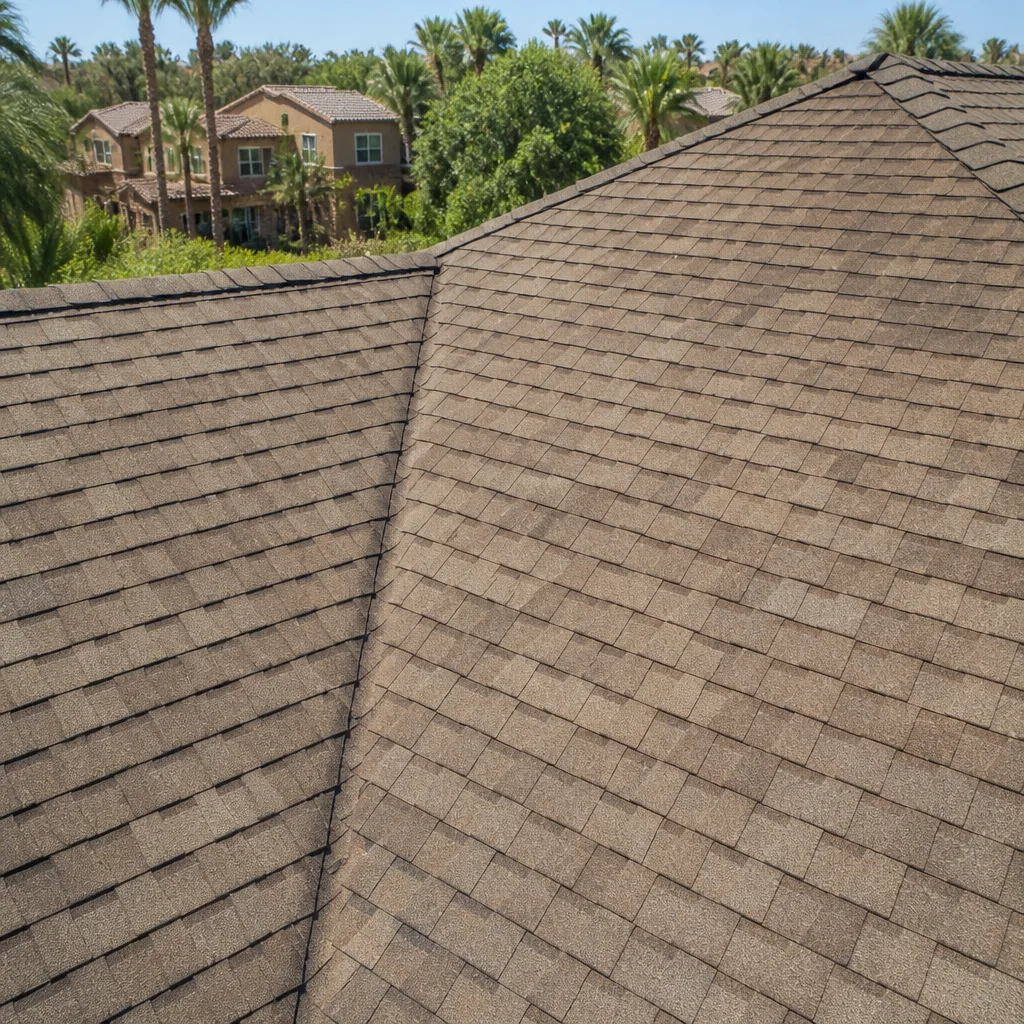
Water finds the same three spots on a detached ADU roof almost every time: the roof-to-wall junction, the flashing around any roof penetration, and the transition where a lower roof plane meets a rise. An annual roof inspection means walking those three points, looking for caulk fatigue, and documenting what you found. It is not a five-minute scan from the ground; that misses exactly the failures that cost the most.
- The roof-to-wall junction, where the roof meets the main house or a parapet. Check that the counterflashing is seated, that the caulk bead is continuous and pliable, and that the material hasn’t pulled away. Any open gap here takes water directly to the top plate and into the wall cavity.
- Every penetration: the mini-split line set, vent stacks, dryer vent, skylight if you have one. Boots split, collars crack, and the sealant fails at the joint to the roof surface. Torrance sun and marine-layer condensation cycle these points hard.
- The transition where a low slope meets a rise, or the garage roof meets the ADU wall. This is where the low slope’s edge terminates into a vertical surface. The blocking and flashing there are the last line of defense, and they’re also the most likely place for leaf litter to hold water against the wall.
What a contractor should hand you after the inspection: a written summary note that states the condition of each junction (seated, failing, resealed), the material and product used for any caulk or flashing repair, dated photos of each junction before and after, and a recommendation of what to watch on the next cycle. If a contractor can’t put that in writing, they aren’t giving you a documented record, they’re giving you a verbal promise. Our crews issue a documented photo record on every visit as a standard deliverable, which is worth insisting on whether you call us or anyone else. On a full roof, the same logic applies; our roofing and exterior work colleagues run the same inspection discipline across GAF and Owens Corning shingle systems.
What Maintenance Affects Refinancing and Appraisal Most
If you’re planning a refinance or eventual sale, three maintenance categories carry outsized weight on the appraisal and underwriting file, and they’re all cheap to address when caught early.
- GFCI documentation. Every kitchen, bathroom, garage, laundry, and exterior outlet within 6 feet of water needs a functional GFCI. Keep a photo of each one showing it in the tripped state with the reset button depressed, dated. An appraiser who sees a non-functional GFCI will note it, and a lender may require repair before closing.
- Smoke and CO detector compliance. California requires functioning smoke detectors in bedrooms and hallways and CO detectors on each floor and near sleeping areas. Photograph each unit with the test button lit and date the photo. It’s the cheapest insurance against a last-week closing delay.
- Permitted work documentation. If the ADU was built or modified under permit, keep copies of the permits, final inspection cards, and the as-built drawings in the property file, not just in the city’s records. An appraiser who can’t verify permitted square footage can’t count it, and a lender who sees unpermitted work can and does re-underwrite. This is also why we insist that a written scope and signed change orders travel with every Rowan project, including Home Additions & ADU in Torrance builds.
The pattern is the same across all three: the evidence is a file you own, not something you can pull from a city portal the day of the appraisal. The other routine items – a clean exterior paint job, well-maintained fencing, a swept entry path – are softer signals but they matter to the appraisal photo set. If the fence needs work, our Fence Installation in Torrance crew handles both the repair and the report.
Common Mistakes to Avoid
- Treating the ADU as maintenance-free because it’s newer. New construction buys you a grace period, not immunity. The roof junction needs an annual inspection starting in year one; most of the damage we see on Torrance ADUs is on structures under ten years old.
- Skipping the roof inspection because you can’t see a leak inside. Water running behind a piece of flashing doesn’t show up in the living room until the sheathing is saturated. Check the outside, not the ceiling.
- Using interior-grade caulk or hardware on the exterior. Standard painter’s caulk fails in a Torrance summer. It’s the single most common shortcut we repair; specify exterior-grade, paintable silicone or polyurethane.
- Leaving the irrigation aimed at the foundation. A soggy foundation under a detached ADU is one of the more expensive repairs to correct, and it’s easy to prevent.
- Keeping permit documents only in the city file. Pull your copies into a home file. You will need them at appraisal, at refinance, and at sale, and pulling them from the city can take weeks.
- Assuming the lease says what the law says. California law sets a minimum, not a maximum. If the lease doesn’t spell out exterior maintenance, the tenant’s obligations are ambiguous, and you absorb the cost.
- Letting the mini-split run for years without a coil cleaning. Mild Torrance weather means the system hums along and hides its inefficiency. Service it every two years.
See the difference
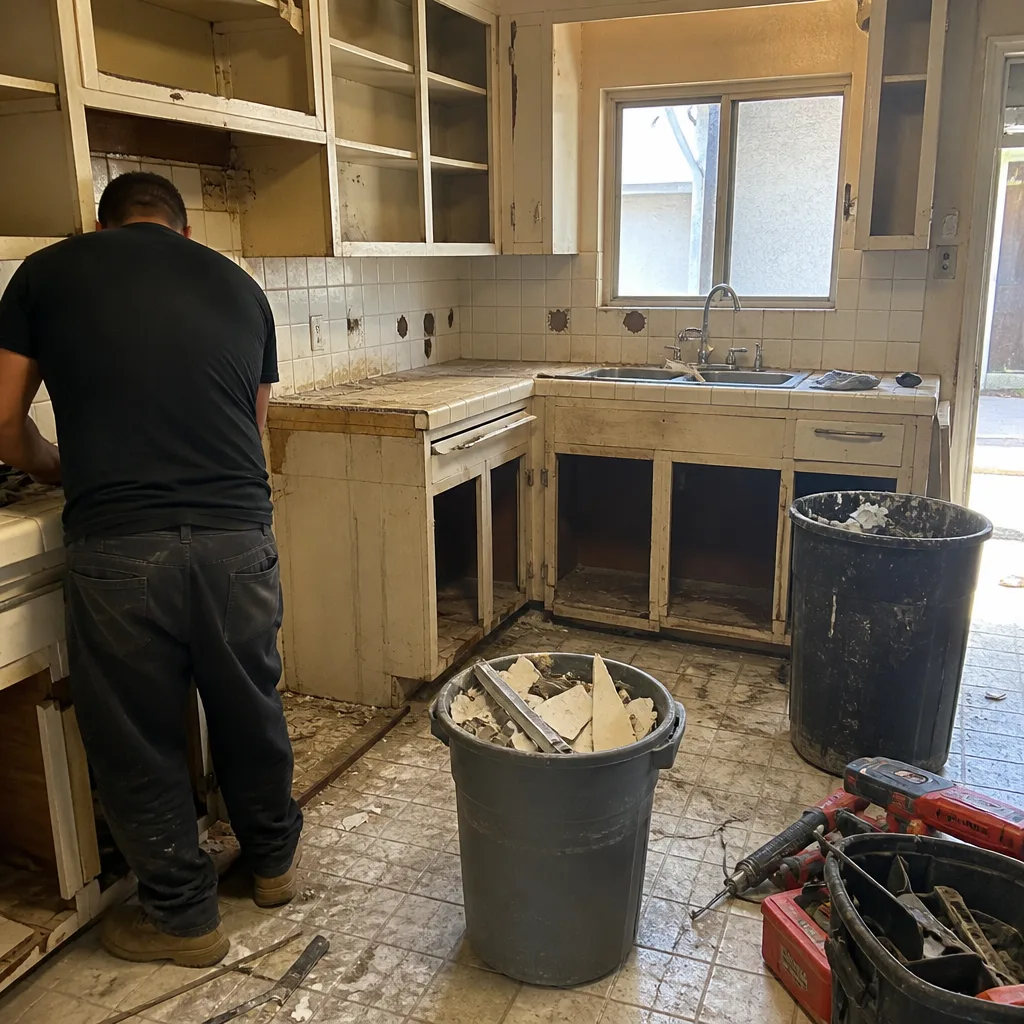 Before
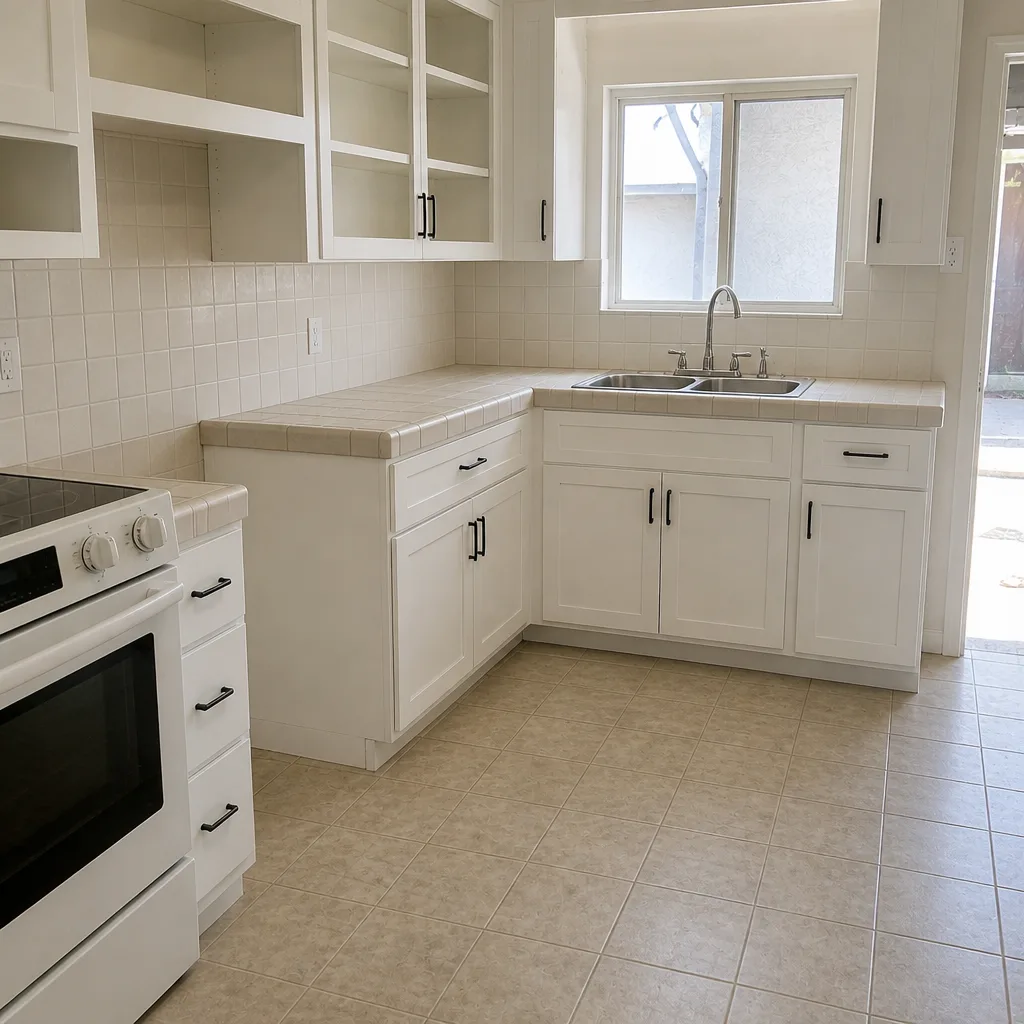 After
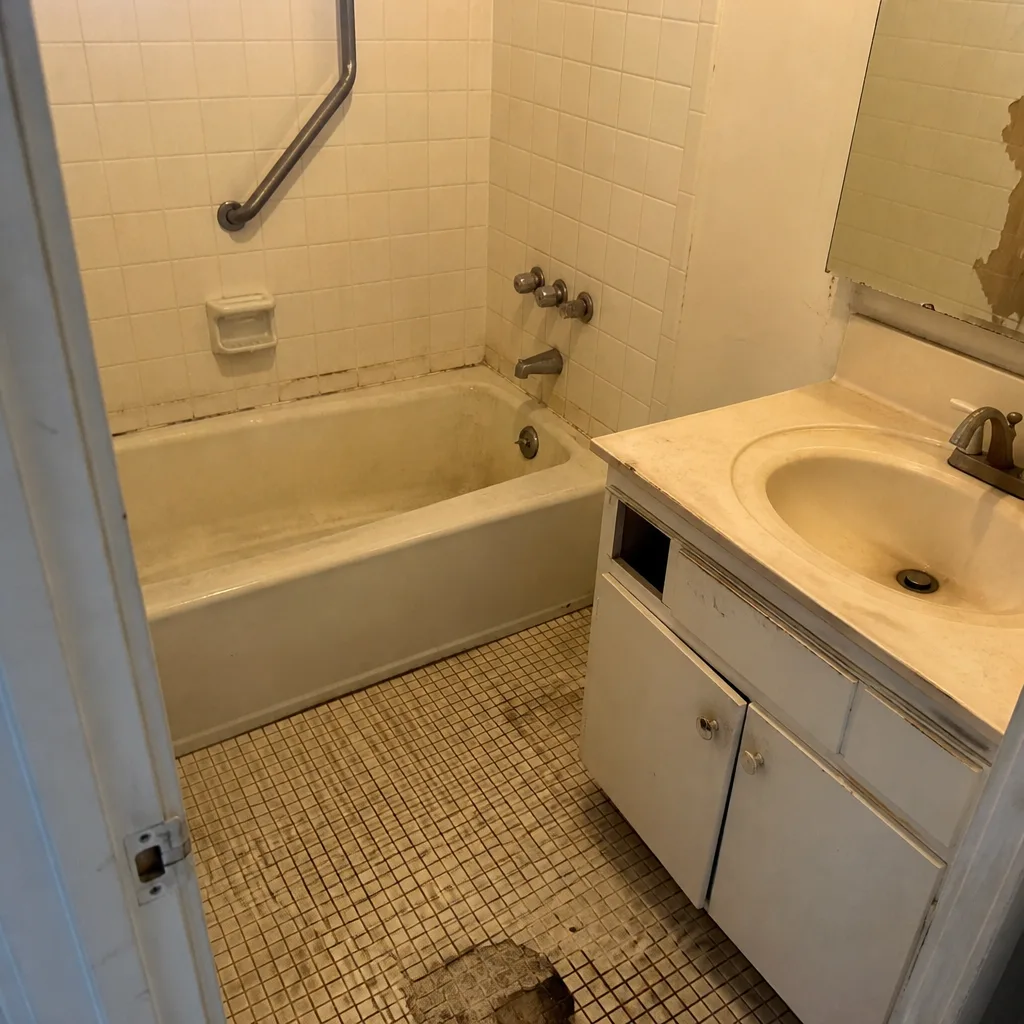 Before
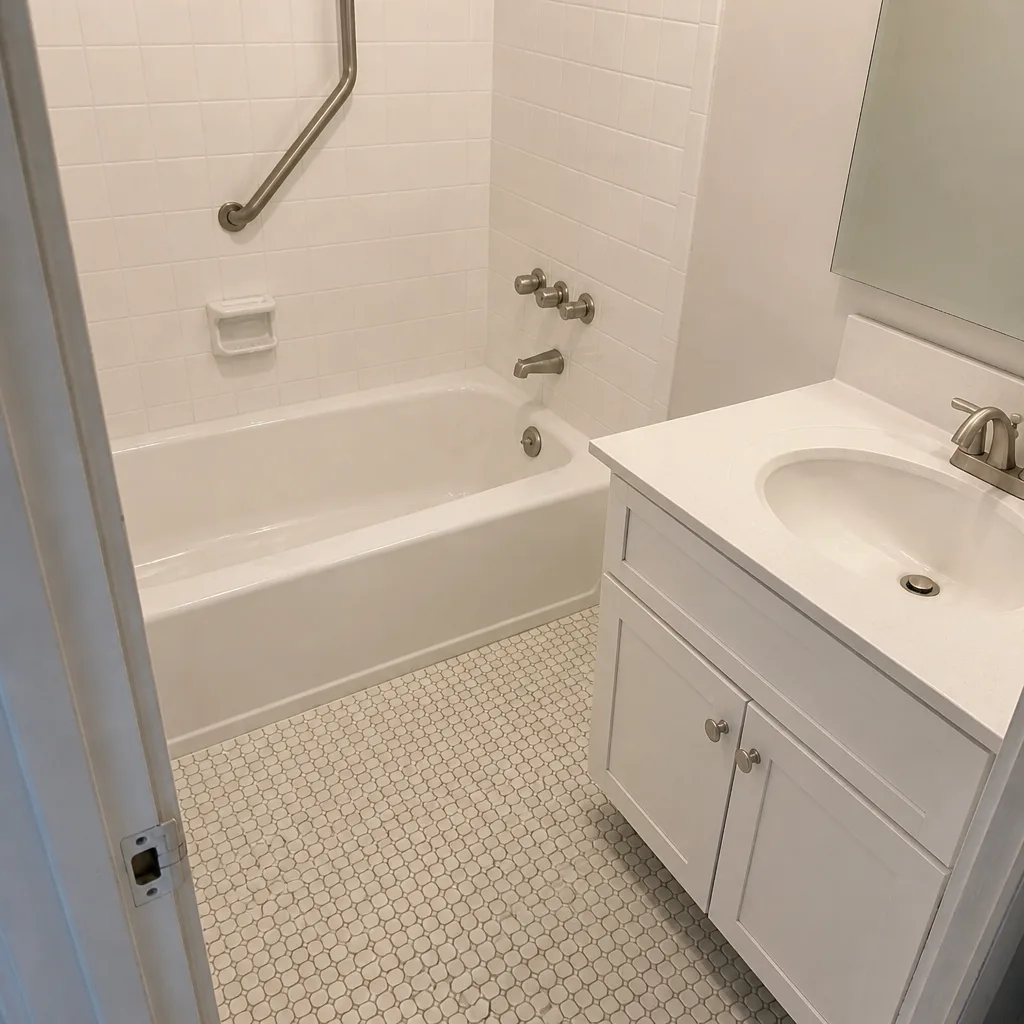 After
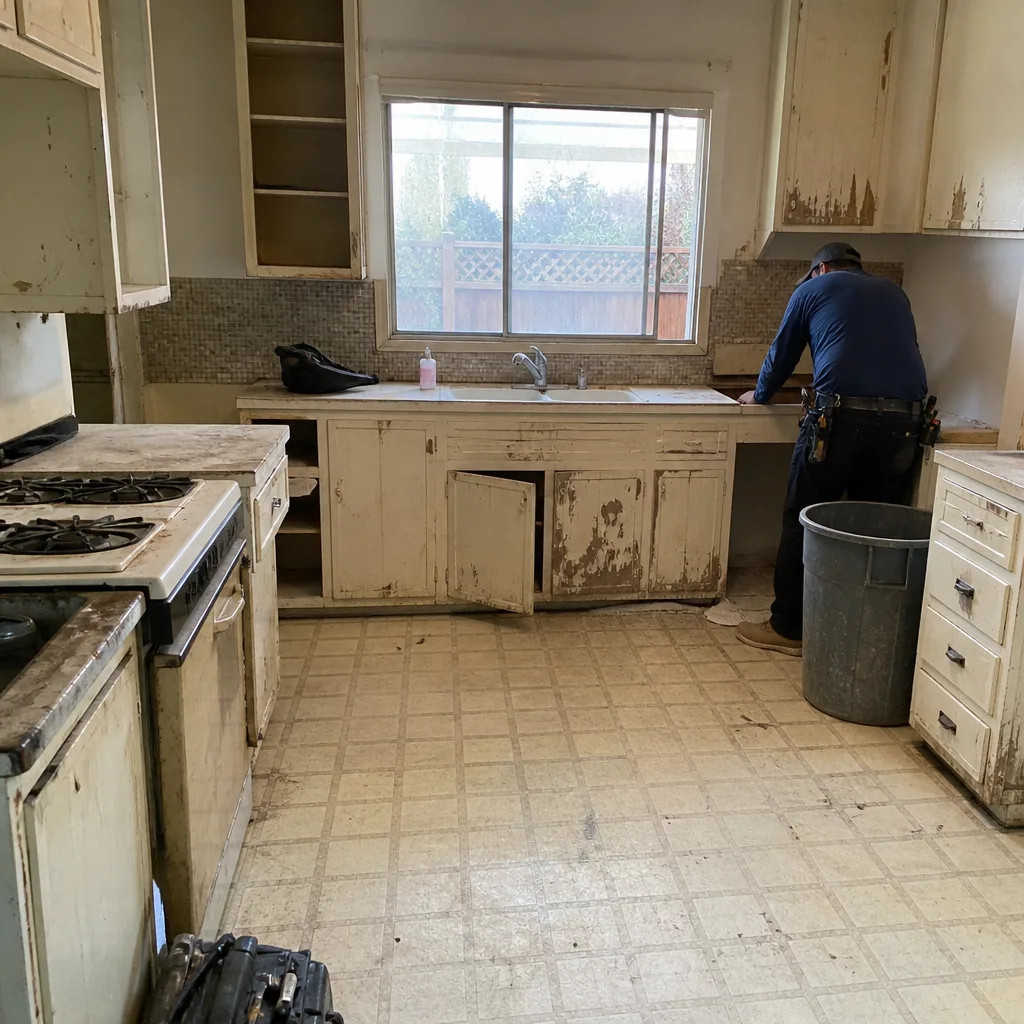 Before
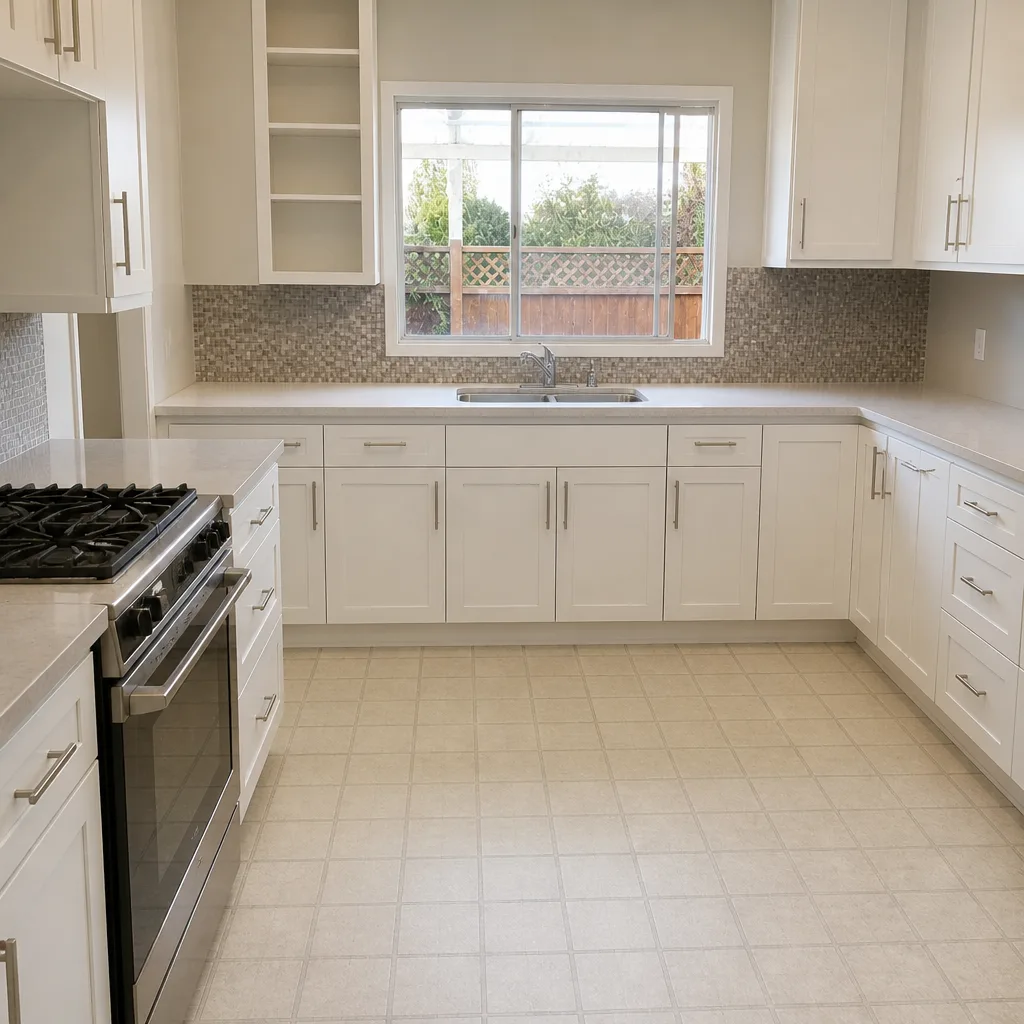 After
When to Call a Professional
Call a professional for anything involving roofing, gas, or electrical. Specifically: any roof junction that shows a visible gap or lifted flashing; any water staining on an interior ceiling; any mini-split that’s tripped a code or is icing the coils; any GFCI that won’t reset; and any water heater issue that involves the gas line or the T&P valve. Those are the items where a homeowner repair creates more risk than it saves. Also call for the annual roof inspection itself if you’re not comfortable on a roof; the fall risk is real and the inspection is not expensive relative to the consequence. Rowan Construction Group Torrance offers free estimates in Torrance and a Free Second Opinion on any written estimate you’ve received from another contractor. Call (888) 349-6729.
Frequently Asked Questions
Realistic annual spend on a detached ADU in Torrance runs $425 to $950 for routine items: $75 to $250 in materials for the annual owner inspection, plus an averaged $350 to $700 contractor cycle every two years. Set aside $250 to $400 a month for the decade-interval replacements like roofing and exterior paint so those don’t arrive as a lump. Call (888) 349-6729 for a free estimate on any specific item.
The owner is responsible for habitability under Civil Code Section 1941.1 (plumbing, water heating, weatherproofing, and anything affecting health and safety), and the tenant is responsible for daily upkeep like filter cleaning and battery replacement, provided the lease spells it out. Exterior maintenance like gutters and caulk should be assigned in writing in the lease. Ambiguity is what costs you at dispute time, so put the split in the contract.
Once a year, ideally in late September or early October before the rainy season. The three junctions that matter most are the roof-to-wall junction, each penetration (mini-split line set, vent stacks, dryer vent), and any transition where a low slope meets a rise. Call (888) 349-6729 if you want a documented inspection with before-and-after photos.
Yes. The ADU is a separate structure with its own roof, its own exterior paint cycle, and its own HVAC system. Trying to fold its maintenance into the main-house budget typically means the ADU gets neglected on the assumption that “the roof was just done,” when only the main house roof was. Keep a separate ledger and a separate file with photos and permits.
Keep dated photos of every GFCI in the tripped state, dated photos of every smoke and CO detector with the test button lit, and copies of all permits, final inspection cards, and as-built drawings for the ADU. Appraisers rely on the file you produce. If you have permitted work that isn’t documented in your own file, pull it now rather than the week before closing.
Yes, specifically at fasteners and flashing. Marine-layer moisture accelerates rust on light-gauge hardware, and it degrades caulk joints faster than inland conditions do. Use hot-dip galvanized or coated stainless fasteners on exterior work and inspect for rust blooms annually. Replacing a $6 vent strap is a very different conversation from a rusted-through hanger that drops a line set.
The Bottom Line
ADU maintenance is a cost-prevention exercise, and the cheapest line item on the whole list is the annual caulk refresh at the roof junction. Split the schedule into four tiers, put the monthly work on the tenant with a written checklist, do the annual inspection yourself before the rainy season, and hire out the biennial contractor items and the decade replacements. In Torrance, add salt-air corrosion checks, mini-split servicing and irrigation management, and keep the permit file and detectors documented in a home file you own. Budget $425 to $950 a year, reserve the decade items, and the ADU stays an asset rather than a repair bill. If you want the whole thing reviewed, start from the Rowan Construction Group Torrance home page or call us.
We put a written price in front of you before any work starts, back it with the 365-Day Done Right Promise and The Haven Standard, and document each visit with photos. Our technicians have up to 19 years of experience. To schedule a free estimate in Torrance, call (888) 349-6729.
Written by the team at Rowan Construction Group Torrance.