Last updated November 17, 2026


Free written scope consultation - allowances, timeline, and change-order rules on paper before a single trade is scheduled
Fence Installation Warning Signs Every Homeowner Should Know
A fence built six inches over your property line must come down at your expense, not the contractor’s. That mistake is almost always traceable to a contractor who never asked to see your plat map before digging. In our experience across Torrance, the projects that go wrong announce themselves long before the first post hole: skipped surveys, absent permits, verbal quotes that evaporate when the invoice arrives. This guide translates those early signals into specific, documentable red flags you can spot in the first conversation, so you can walk away from a bad contractor before they touch your yard.
Quick Answer
The biggest fence installation warning signs are a contractor who never asks to see your property survey or plat map, never mentions HOA review or permits, and quotes the job verbally with no line-item breakdown. Each of those signals the same thing: the contractor is planning to improvise, and the cost of that improvisation will land on you, not them.
Styles & brands we work with
- Kitchen remodeling
- Bathroom remodeling
- Home additions & ADU
- Roofing
- Windows & doors
- Driveway & pavers
- Fence
Table of Contents
- Warning Sign 1: They Don’t Ask for Your Survey or Plat Map
- Warning Sign 2: No Mention of HOA Review or Permits
- Warning Sign 3: A Verbal Quote With No Line-Item Breakdown
- The Legal Exposure of Unpermitted Fence Work in Torrance
- Mid-Installation Warning Signs You Can See
- What a Legitimate Fence Contract Must Contain
- The Warning Sign Homeowners Miss: Wood Treatment Grade
- When to Call a Professional
Warning Sign 1: They Don’t Ask for Your Survey or Plat Map
The first question out of a competent contractor’s mouth should be about boundaries. If a fence contractor walks your property, paces out a line, and starts talking about post spacing without ever asking whether you have a boundary survey or plat map, that is your clearest early warning. In Torrance, where lots in neighborhoods like Old Torrance and the avenues off Torrance Boulevard often run tight against each other, an assumed property line can be off by a foot or more. A fence on your neighbor’s side of that line is a dispute you own.
Here’s how a professional sequences this before any work:
- Ask for the survey or plat map. If you don’t have one, they should tell you how to find it at the county recorder or recommend a licensed surveyor.
- Locate the actual pins or markers. A contractor who builds to your fence posts instead of your survey markers is guessing.
- Document the line in writing. The agreed fence location, with measurements from the property line, belongs in the written scope.
- Confirm setback requirements. Local zoning dictates how close a fence can sit to a lot line and a sidewalk, and the rules vary by zone.
What we’ve seen is that the survey question sorts contractors quickly. The ones who ask it understand they’re building a permanent structure on a legal boundary. The ones who skip it are planning to build to the old fence and hope nobody complains. When you’re ready to talk to a contractor who leads with the survey, start with our fence installation in Torrance page.
Warning Sign 2: No Mention of HOA Review or Permits
If your home sits in an HOA community, and much of Torrance does, the approval process comes before the first post. A contractor who never raises the HOA question has either never worked in an association-governed neighborhood or is counting on you to handle it after the fence is standing. Both are problems. Most HOAs cap fence height, restrict materials, and require an architectural review submission with drawings before work begins. Build first and ask forgiveness later, and the association can require you to tear it down.
Permits are the parallel track. Fence height, location, and materials can trigger a permit requirement depending on the zone and the structure involved. A contractor who waves off permits with “you don’t need one for a fence” is telling you they either don’t know the local code or don’t want the inspection. Either way, the liability is yours.
Ask directly: “Will this fence require a permit, and are you pulling it?” A legitimate answer names the zone, the height threshold, and who files the paperwork. Vague reassurance isn’t an answer. We build permit handling into the written scope of every fence project, because the inspection record protects you at resale as much as it protects the fence during a Santa Ana wind event, which is when a poorly anchored panel becomes a projectile.
Warning Sign 3: A Verbal Quote With No Line-Item Breakdown
A verbal quote is not a price. It’s a number someone said out loud, and it has no enforceability and no detail. The warning sign isn’t just that the quote is verbal; it’s what the absence of detail reveals. A contractor who can’t itemize a fence quote either doesn’t know the material costs well enough to break them down, or is leaving room to add charges once the job is underway. Neither is confidence you want to buy.
A proper written fence quote breaks the project into lines you can read and compare:
- Posts: quantity, dimensions, species, and treatment grade
- Panels or pickets: material, board width, and spacing
- Rails and framing: quantity and grade
- Concrete: bag count or yardage and mix specification
- Gate hardware: hinges, latches, and posts sized for gate load
- Labor, disposal, and permit fees: itemized, not bundled into a rounded total
The written price is the point. Under the Haven Standard’s first clause, the price is written before anyone starts, and no change proceeds without a signed change order. That discipline is what keeps a project within a few percent of the agreed number rather than drifting upward mid-job. If your contractor can’t produce a written, line-item quote, you’re not comparing prices; you’re comparing guesses. Bring a competitor’s written estimate to us and we’ll review it line by line at no charge, because a second set of eyes on the paperwork catches problems before they get expensive.
The Legal Exposure of Unpermitted Fence Work in Torrance
An unpermitted fence isn’t just a paperwork omission. It’s a financial liability that can follow the property. In Torrance, fence work that should have been permitted but wasn’t can expose you to code enforcement fines, an order to remove the structure at your own cost, and a complication at resale when a buyer’s inspector flags a structure with no permit record. Title and disclosure issues tied to unpermitted work can stall a sale or force a price reduction.
Here’s what’s actually at stake:
- Fines: code enforcement can issue penalties for structures built without required permits.
- Forced removal: an out-of-compliance fence can be ordered down, and the demolition cost is the homeowner’s.
- Resale complications: a missing permit record surfaces in a title search or a buyer’s inspection and becomes a negotiation point against you.
- Insurance gaps: an unpermitted structure damaged in a windstorm may not be covered the way a permitted one is.
This is why a contractor who skips permits is giving you a financial warning, not a friendly shortcut. The few hundred dollars a permit and inspection cost are cheap next to the removal bill. When we quote a Torrance fence, the permit line is on the written price, not buried in a verbal estimate. That’s a standing offer, not an upsell.
Mid-Installation Warning Signs You Can See
By the time the crew is digging, a homeowner can still catch problems early if they know what to look for. Walk out and check the work. You don’t need to build the fence yourself to spot a bad one; you need to look at three things.
- Plumb posts. A 4-foot level held against any post will show immediately whether it’s standing true. A post set out of plumb throws off every panel down the line and makes gates swing and drag.
- Concrete consistency. Concrete mixed too thin, soupy rather than thick, cures weak and lets posts shift in Torrance’s clay-heavy soil when the ground takes on water. It should hold its form when shoveled, not pour like batter.
- Panel gap tolerances. Gaps that run wider than the code allowance are more than a look problem; they’re a sign the framing has been cut to fit rather than measured. Uniform gaps are the visible signature of a crew that measured twice.
Setbacks and spacing rules vary by zone and by the height of the fence, so the specific tolerance that applies to your project belongs in the written scope. What’s constant is that a well-built fence looks consistent. If you’re walking the line and the posts lean, the concrete slumps, or the boards wave, stop the job and ask questions before the crew finishes. Our team documents each visit with photos, so you get a record of what was found and what was done, not just a verbal account at the end.
What a Legitimate Fence Contract Must Contain
A fence contract that’s missing key specifics is a warning sign you can hold in your hand. Compare what you’re offered against this list, and treat any gap as a question to raise before you sign.
- Materials by brand and grade: the species of wood, the gauge of metal, and the brand of any composite panel named specifically. We source across more than fifty vetted brands, from Boral to PGT, so a quote can name the actual product rather than a vague category.
- Post depth in inches: a number, not “code compliant.” Frost line and soil conditions drive it, and in Torrance the clay content matters.
- Concrete mix specification: the bag count and the mix, so you can compare quotes on the same basis.
- Gate hardware named: hinges sized for the gate load, a latch that matches the security need.
- A signed change-order clause: no work proceeds on a change until the change order is signed. This is the discipline that keeps costs predictable.
- A written workmanship warranty: stated on the contract, backed by terms, not an asterisk.
If your contract is missing the post depth or the material grade, ask why. A contractor who can’t answer hasn’t planned the job. The 365-Day Done Right Promise exists for exactly this reason: if it’s not done right, it gets made right, and the guarantee is printed, not promised. Related exterior work follows the same standard, whether it’s our driveway & pavers in Torrance or a home addition & ADU in Torrance.
The Warning Sign Homeowners Miss: Wood Treatment Grade
Ask a fence contractor one question that separates the pros from the fly-by-nights: “What lumber treatment grade are you using for the posts?” Posts buried in soil are ground-contact material, and in California conditions they require a UC4B or UC4C rating under the treatment standards. A contractor who can’t name the grade is likely sourcing whatever the lumber yard had on the shelf that week, which means the posts may be rated for above-ground use only and will rot in the ground prematurely.
This matters more in Torrance than in a dry inland climate. Coastal moisture and irrigation keep soil damp, and damp soil eats untreated or wrong-rated wood. A post rated for above-ground exposure, buried in wet soil, fails years before its time, and the fence comes down with it. The grade is a number on the tag and a line on the contract. If the answer to the treatment question is a shrug or a “good lumber,” hand the job to someone else.
It’s the same discipline that runs through every trade we handle. When you work with the team behind our Rowan Construction Group Torrance home base, you get materials named by grade and a written spec, because the grade on the post is the difference between a fence that stands twenty years and one that leans in five.
Common Mistakes to Avoid
- Building without a survey. Assuming the old fence marks the property line is how fences end up six inches over and get torn down.
- Skipping HOA approval. In a Torrance HOA, building before architectural review clears means the association can order the fence removed.
- Accepting a verbal quote. A number spoken aloud can’t be enforced or compared; insist on a written line-item price.
- Letting the contractor skip the permit. Unpermitted fence work can bring fines, forced removal, and a resale headache.
- Not checking lumber treatment grade. Ground-contact posts need UC4B or UC4C; a wrong-rated post rots early in damp coastal soil.
- Ignoring an out-of-plumb post. A leaning post signals a crew that didn’t check, and every panel and gate down the line pays for it.
- Signing a contract with no change-order clause. Without signed change orders, costs drift, and you absorb the drift.
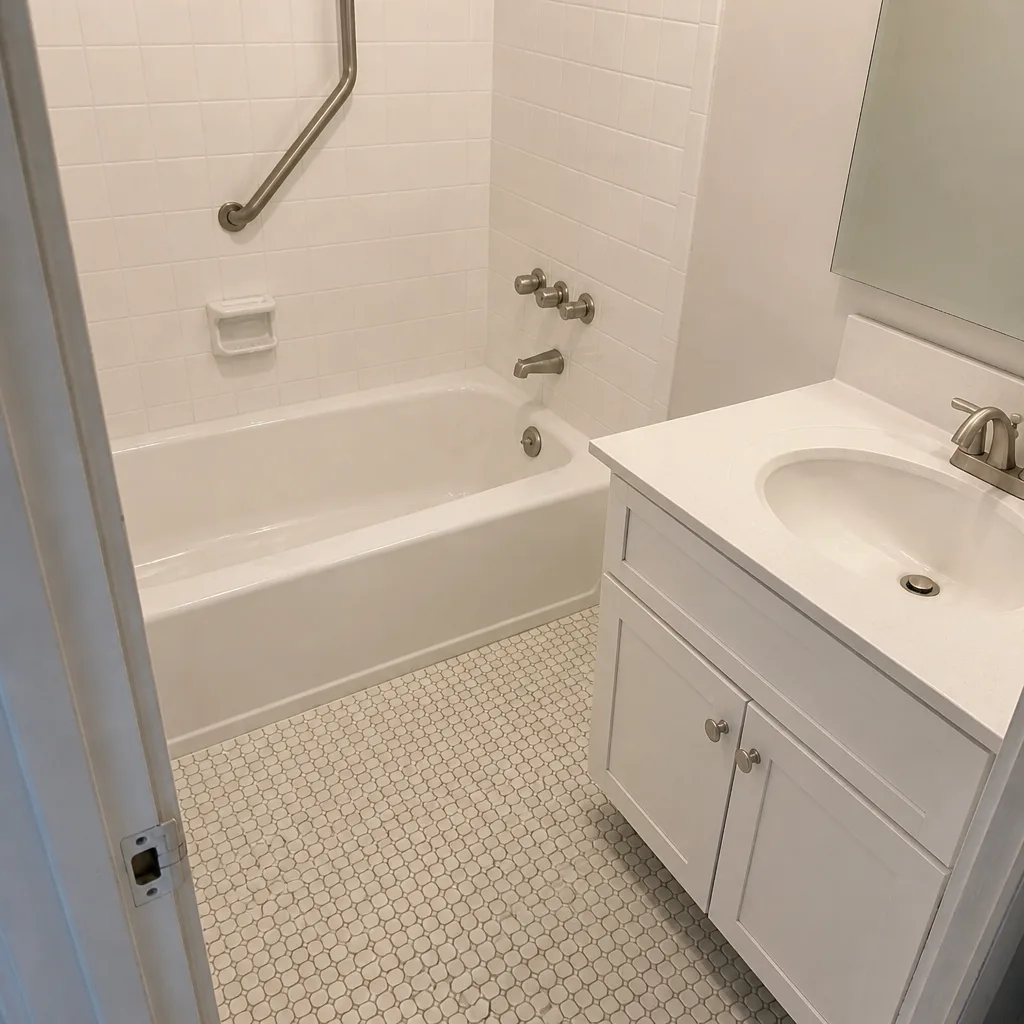
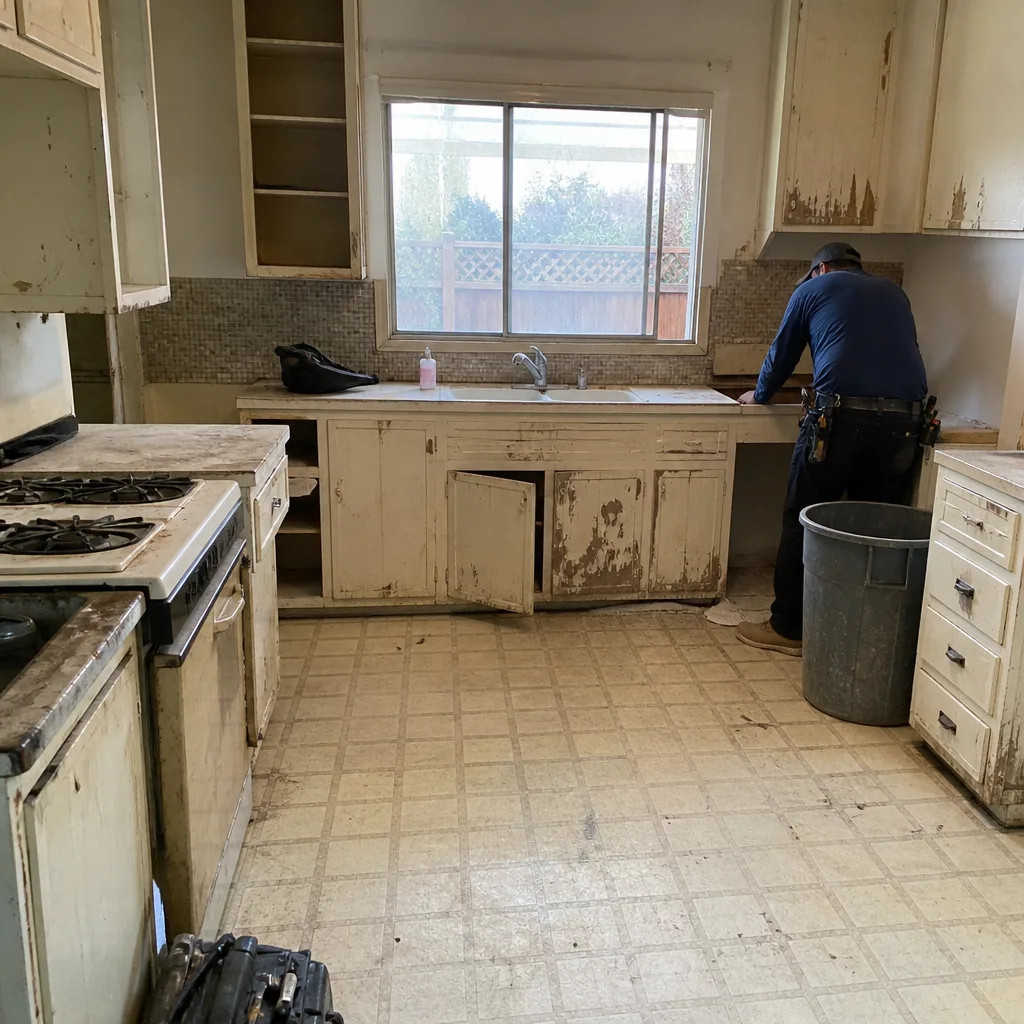
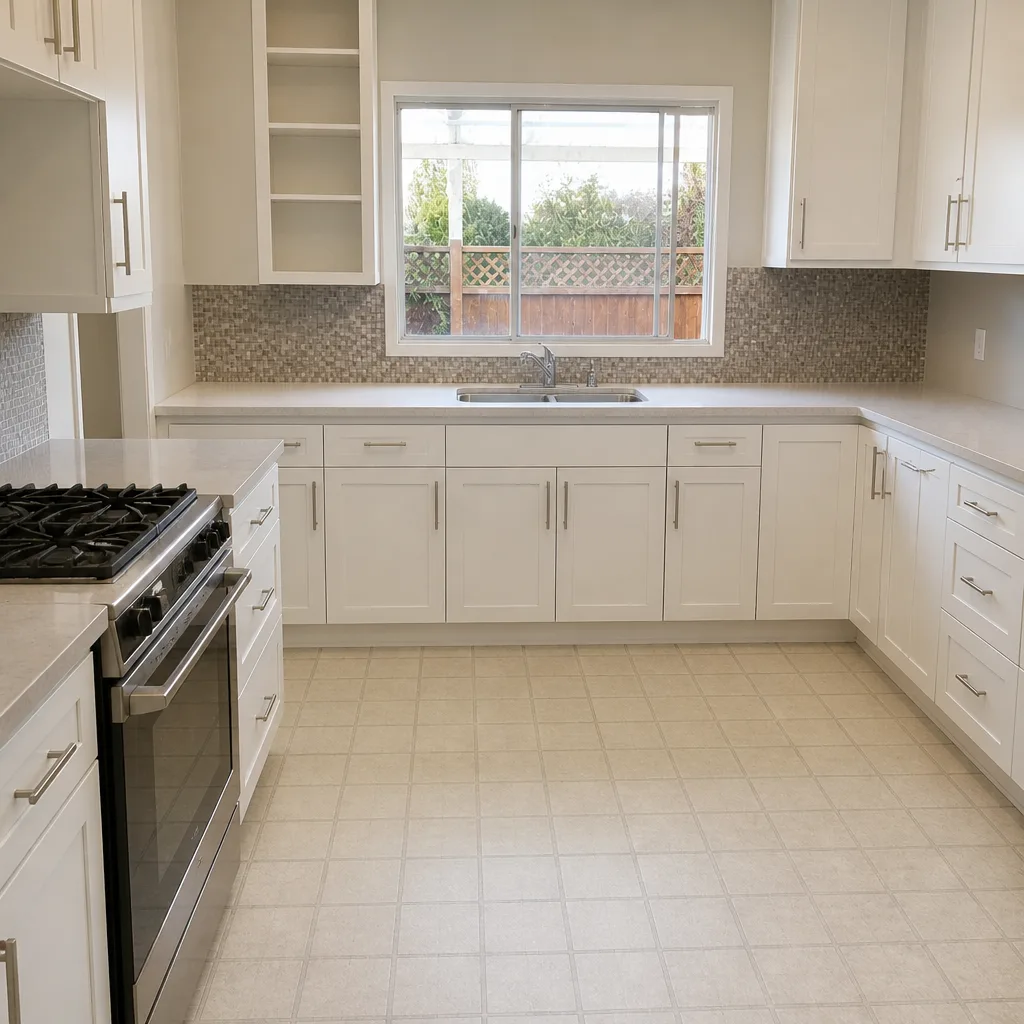
See the difference
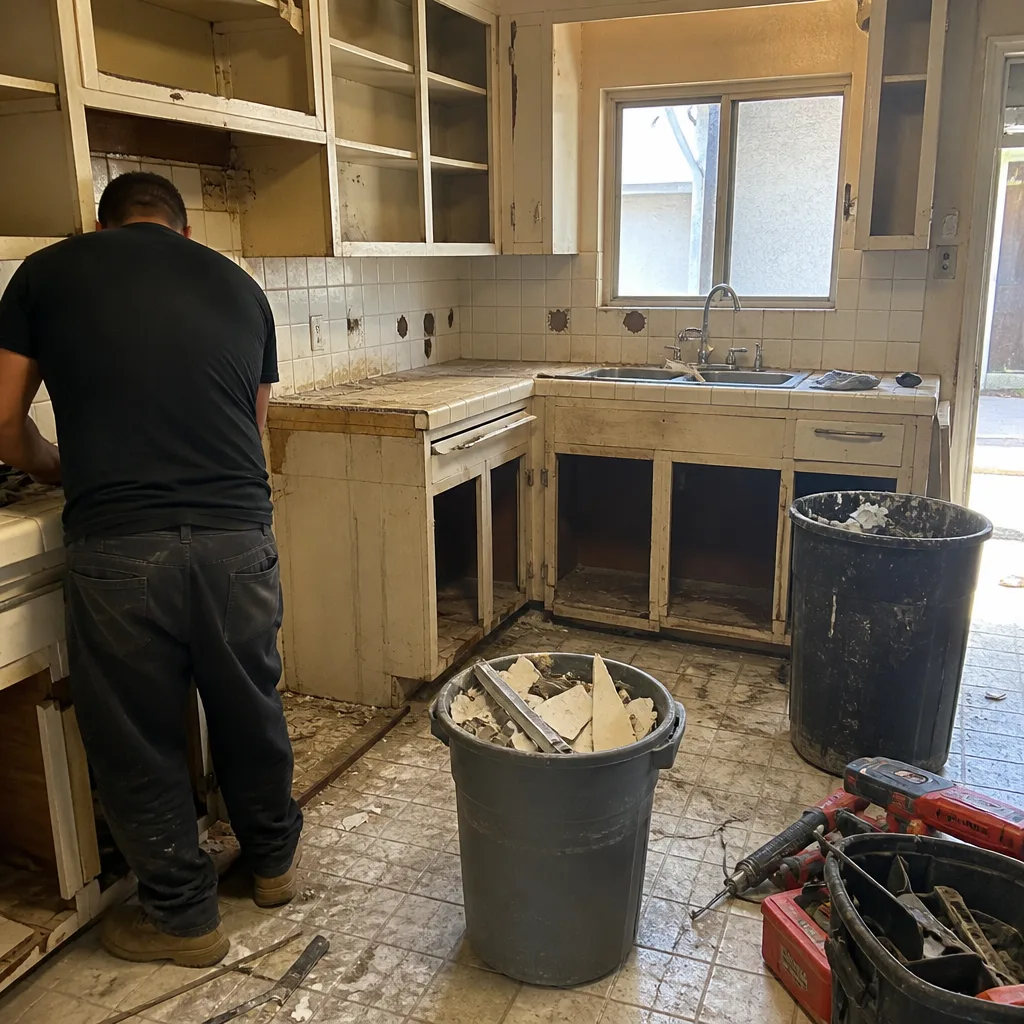 Before
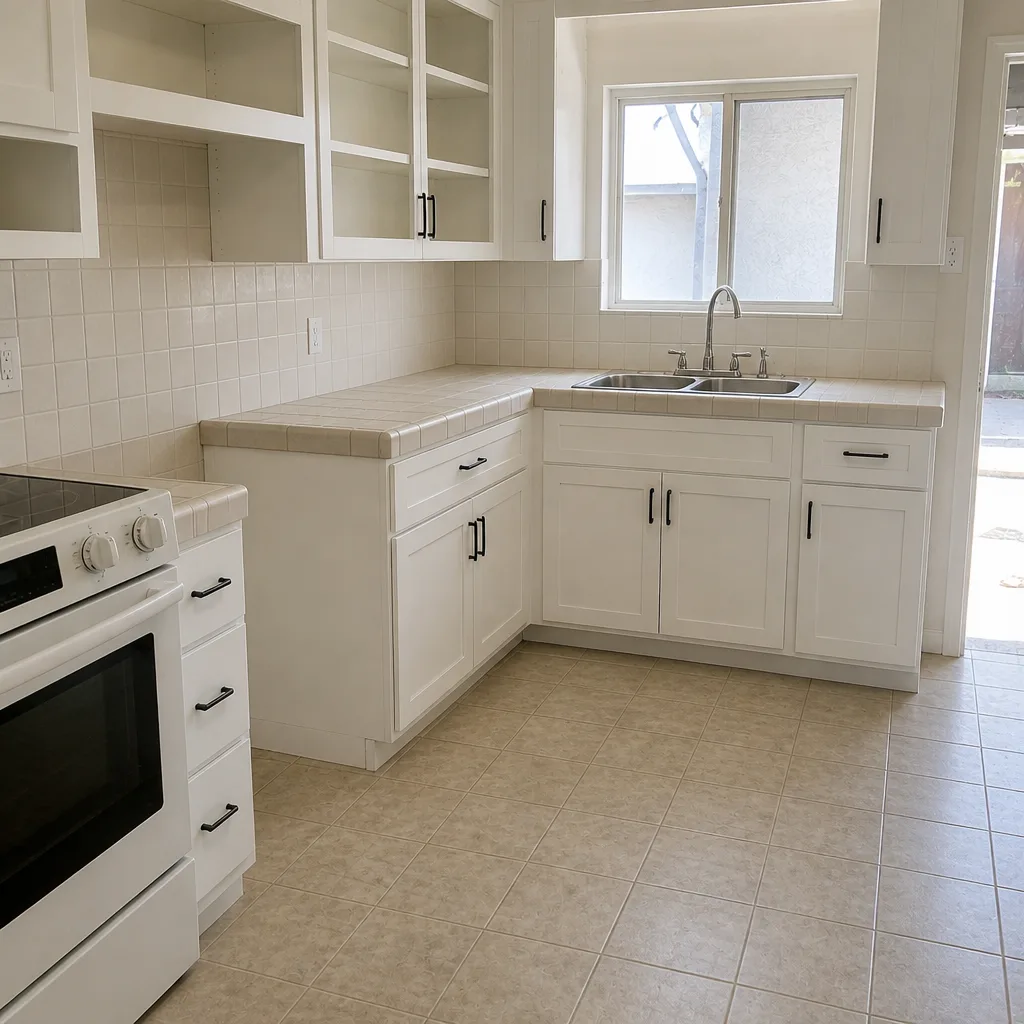 After
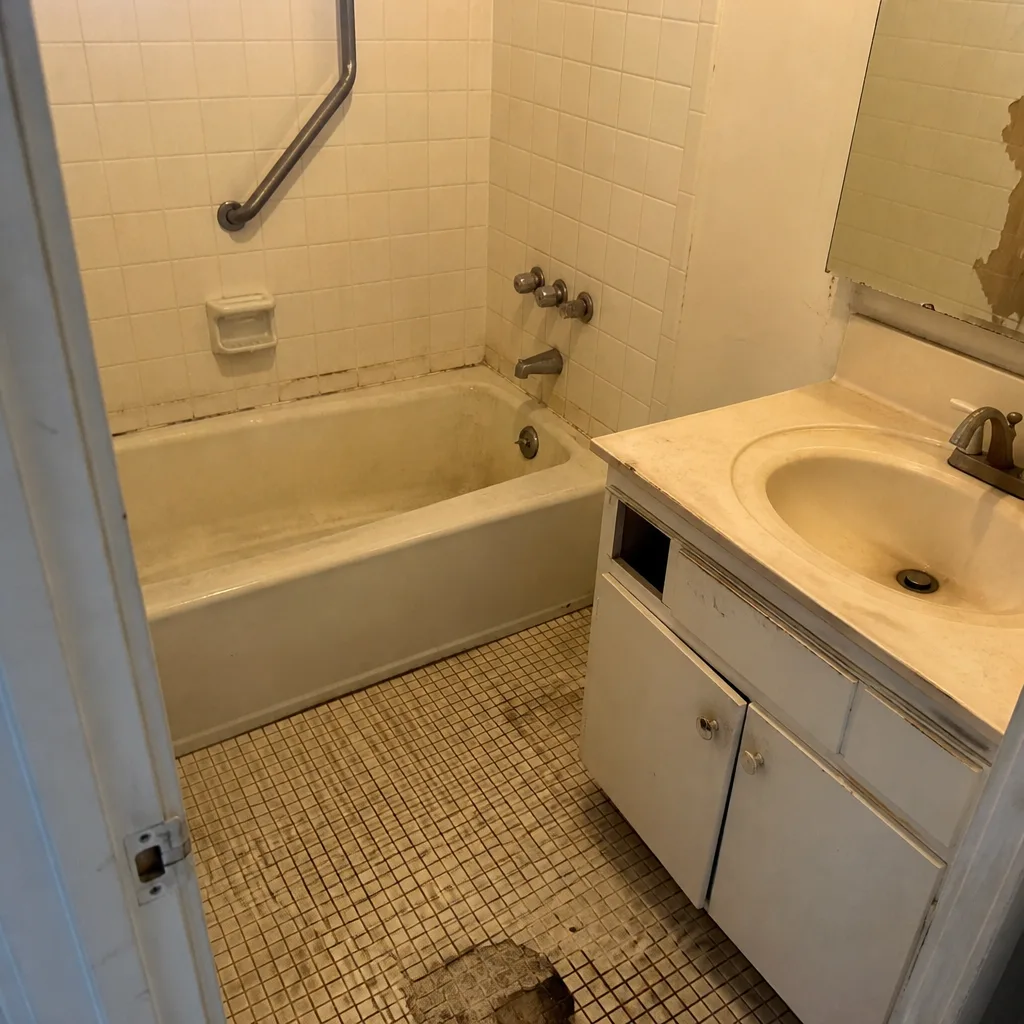 Before
 After
 Before
 After
When to Call a Professional
Call a professional when your property line is unclear, when your HOA requires architectural review, when the fence crosses a zone that may need a permit, or when wind or age has left posts leaning and panels failing. These are the cases where a shortcut becomes a cost you can’t undo. A leaning post on soft clay, an unrecorded boundary, an unpermitted structure discovered at resale: each is a job for someone who works from the survey and the code, not a guess. Our technicians have up to 19 years of experience, and every visit includes a documented photo record. Rowan Construction Group Torrance offers free estimates in Torrance. Call (888) 349-6729 to schedule yours.
Frequently Asked Questions
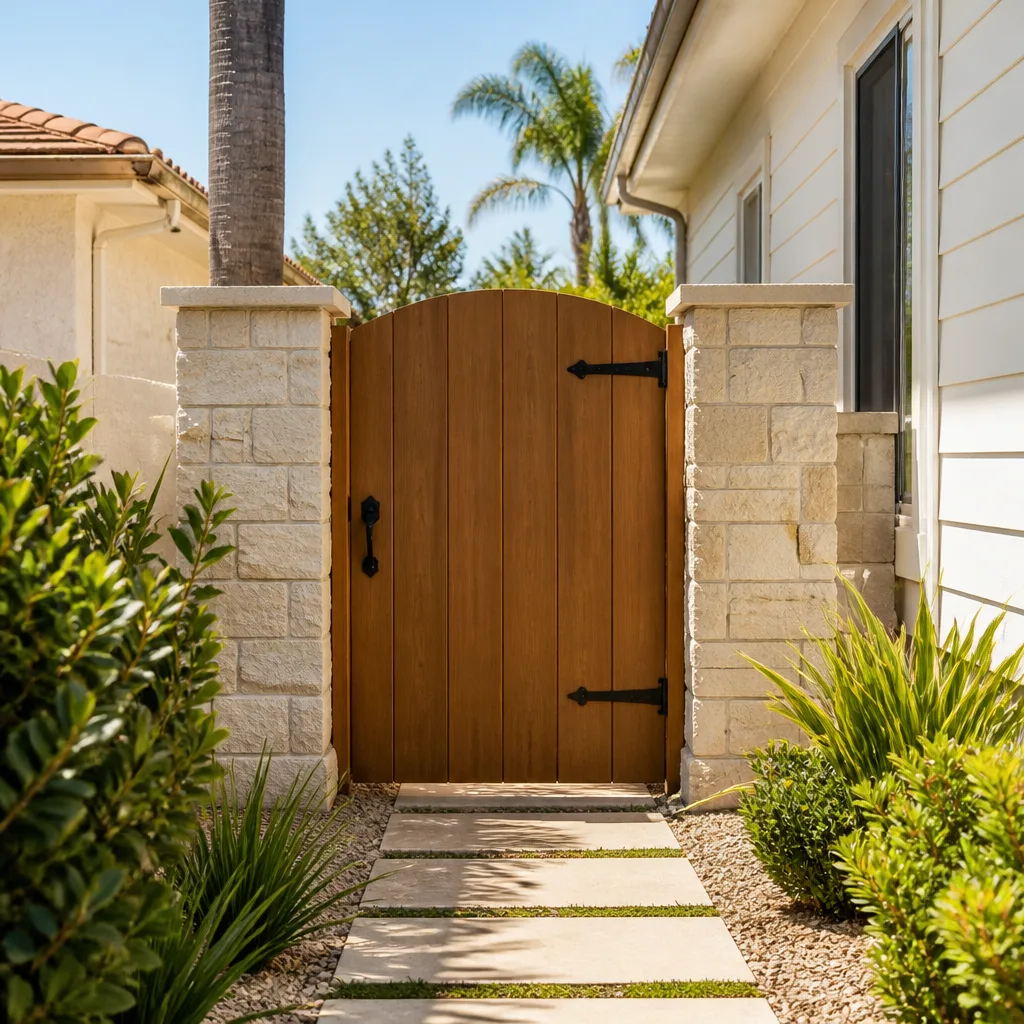
Fence installation in Torrance typically runs from roughly $35 to $75 per linear foot depending on material, height, and site conditions, with wood at the lower end and composite or metal at the higher end. The exact number depends on post depth, gate count, and whether the ground needs clearing. Call (888) 349-6729 for a written, line-item quote so you can compare apples to apples; estimates are free.
It shouldn’t. A written price with a signed change-order clause means changes only happen when you sign off on them, which is how projects stay within a few percent of the agreed number. If a contractor won’t put the price in writing before work starts, expect it to drift upward. Call (888) 349-6729 to get a flat written price up front.
Yes, permit handling is part of the written scope when the fence height, location, or materials require it. Skipping permits exposes you to fines and forced removal, so we never treat it as optional. Ask about your zone and we’ll tell you what applies. Call (888) 349-6729 to talk through your project.
A standard residential fence in Torrance typically takes one to three days once materials are on site, depending on length, gate count, and whether old fence removal is included. Permitted projects add time for the inspection schedule. Get your timeline and written price at (888) 349-6729; estimates are free.
A legitimate fence contractor asks for your survey, mentions HOA and permit requirements, provides a written line-item quote, and can name the lumber treatment grade for ground-contact posts. If any of those are missing from the first conversation, treat it as a warning sign. Call (888) 349-6729 for a free second opinion on any written estimate.
Yes. Zoning dictates the required setback from lot lines and sidewalks, and the rules vary by zone and fence height, which is why the survey and permit check come before digging. A fence built over the line or inside the setback can be ordered removed at your expense. Call (888) 349-6729 to check the requirements for your property.
The Bottom Line
Most fence installation failures are decided before a shovel touches the ground. A contractor who skips the survey, skirts the HOA, waves off permits, quotes verbally, or can’t name the wood treatment grade is showing you exactly how the job will end. The written quote, the signed change order, the permit line, and the named material grade are your proof of a professional. We hold every fence project to a written price before work starts, a signed change order before any change, and the 365-Day Done Right Promise behind the finished fence. If something isn’t right, we make it right.
Call (888) 349-6729 for a free estimate. We answer with a live person, every time, and we’ll put the price in writing before anyone picks up a tool.
Written by the team at Rowan Construction Group Torrance.