Last updated November 17, 2026
Free written scope consultation - allowances, timeline, and change-order rules on paper before a single trade is scheduled
The Complete Driveway & Pavers Guide for Torrance Homeowners
Most Torrance driveways that fail before year five fail at 12 inches below the surface, not at the paver surface. That’s the counterintuitive part. Homeowners call us about loose pavers, sunken corners, or weeds pushing through joints, and the surface is almost never the real story. The base layer underneath is. Torrance sits on a mix of expansive coastal clay and marine-influenced fill, and that geology behaves nothing like the decomposed granite and sandy loam that inland California paver guides assume. Get the base wrong and no brand, sealer, or joint sand will save the slab. This guide covers soil class, base depth, drainage grade, real installed costs in dollars, permit triggers, and what a complete written scope must contain before you hand over a deposit.
Quick Answer
A driveway or paver installation in Torrance typically runs $12 to $30 per square foot installed, depending on material, and the single most important decision is not the paver brand but the depth and compaction of the base layer over Torrance’s expansive clay soils. Standard inland base prep of 4 to 6 inches is usually not enough here; coastal clay and the marine moisture cycle push most Torrance installations toward 8 to 12 inches of compacted Class II base with engineered drainage. Permit requirements depend on whether you’re replacing in the public right-of-way (encroachment permit) or changing site grading and drainage (building permit).
Styles & brands we work with
- Kitchen remodeling
- Bathroom remodeling
- Home additions & ADU
- Roofing
- Windows & doors
- Driveway & pavers
- Fence
Table of Contents
- Why Torrance Soil Changes Everything About Base Prep
- How Much Does a Paver Driveway Cost in Torrance?
- Paver Material Comparison: Concrete, Travertine, Permeable
- Marine Moisture and Polymeric Sand Selection
- Permit Triggers: Encroachment vs. Building Permit
- What a Complete Written Scope Must Include
- The Installation Process, Step by Step
- Common Mistakes to Avoid
Why Torrance Soil Changes Everything About Base Prep
Torrance sits on two soil series that matter to anyone pouring or paving a driveway: Hentrieville and Marina. Both are clay-heavy, and both expand and contract with moisture. Hentrieville is a dark, expansive clay that swells noticeably when wet and shrinks when dry. Marina is a sandy loam over clay, common in the coastal flats and near the beach-adjacent neighborhoods. What this means in practice is that a driveway over Hentrieville clay will heave and settle through the seasonal wet-dry cycle unless the base is deep enough and the drainage is designed to move water off the subgrade, not into it.
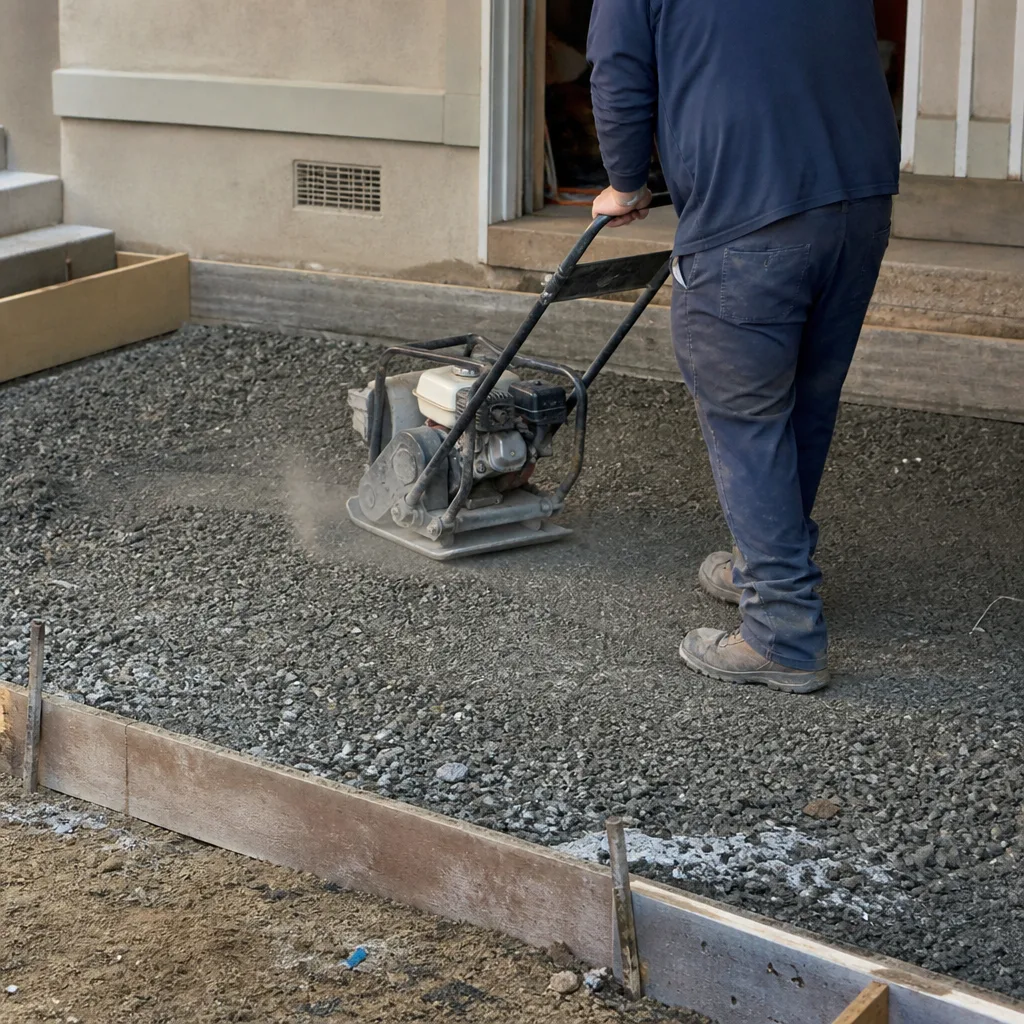
In our experience across the South Bay, the correct base depth for Torrance is usually 8 to 12 inches of compacted aggregate base, not the 4 to 6 inches we routinely see specified on inland jobs. The difference isn’t snobbery; it’s that clay holds water, water softens clay, and soft clay punches upward through a thin base after a couple of wet winters. When we open up a failed driveway in West Torrance or Torrance Gardens, the base is almost always too thin and the subgrade is saturated.
Three things matter more than any paver brand:
- Subgrade prep: Remove organic material, proof-roll the clay, and identify soft spots before any base goes down.
- Base depth and compaction: 8 to 12 inches of Class II base, compacted in 2 to 3-inch lifts to 95% relative compaction.
- Drainage grade: A minimum 1 to 2% slope away from the structure, with a defined outlet. Water that has nowhere to go will find the base.
If your contractor can’t explain which soil series your lot sits on and how that changes the base spec, that’s the conversation to have before signing anything. For a full look at how we approach this trade, see our Driveway & Pavers in Torrance page.
How Much Does a Paver Driveway Cost in Torrance?
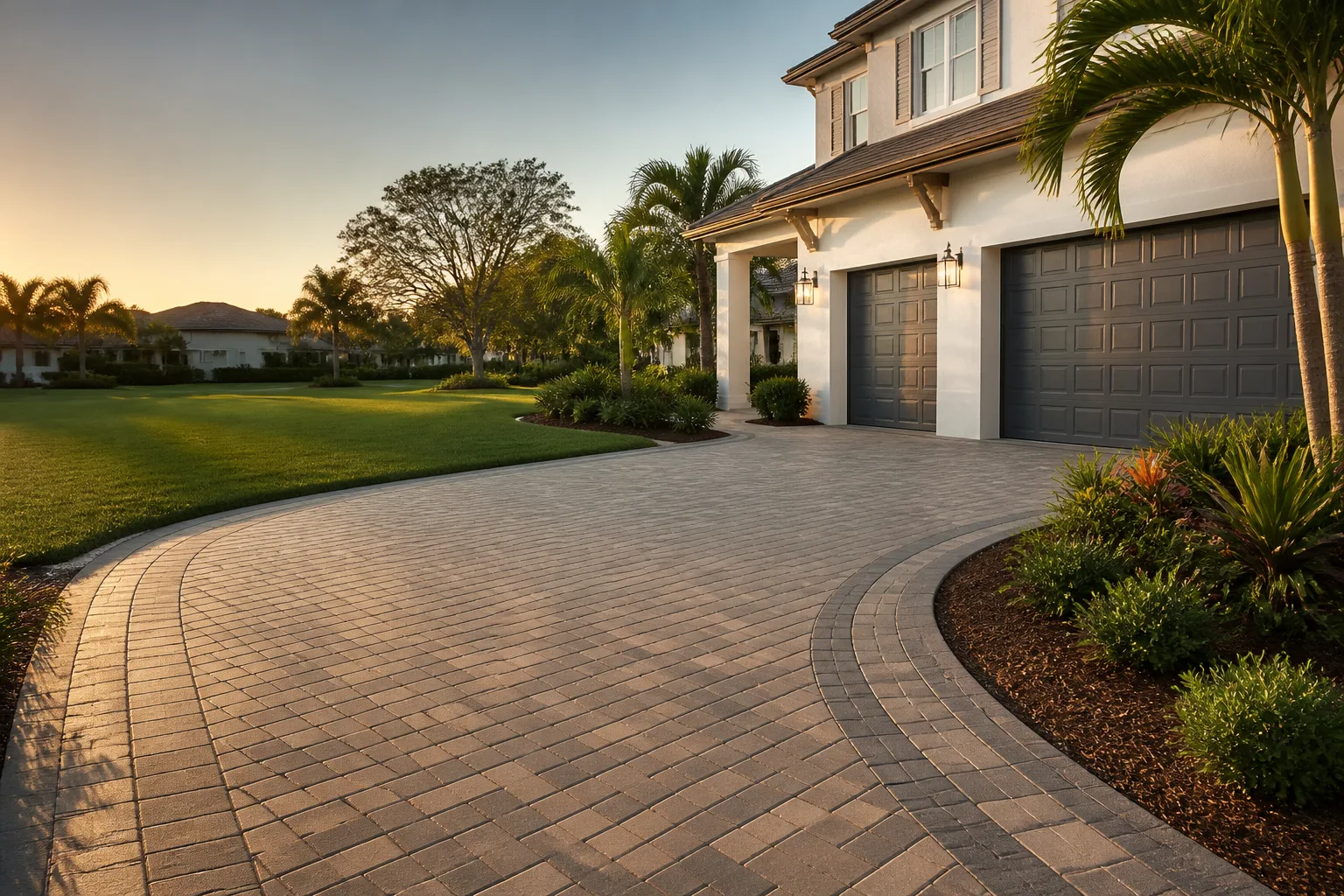
A paver driveway in Torrance generally costs $12 to $30 per square foot installed, with the base prep and drainage work accounting for a larger share of that number than most homeowners expect. Material choice moves the top-line price, but the base and drainage are what determine whether the number holds over ten years. These are real installed ranges we work from, written into the scope before anyone picks up a tool.
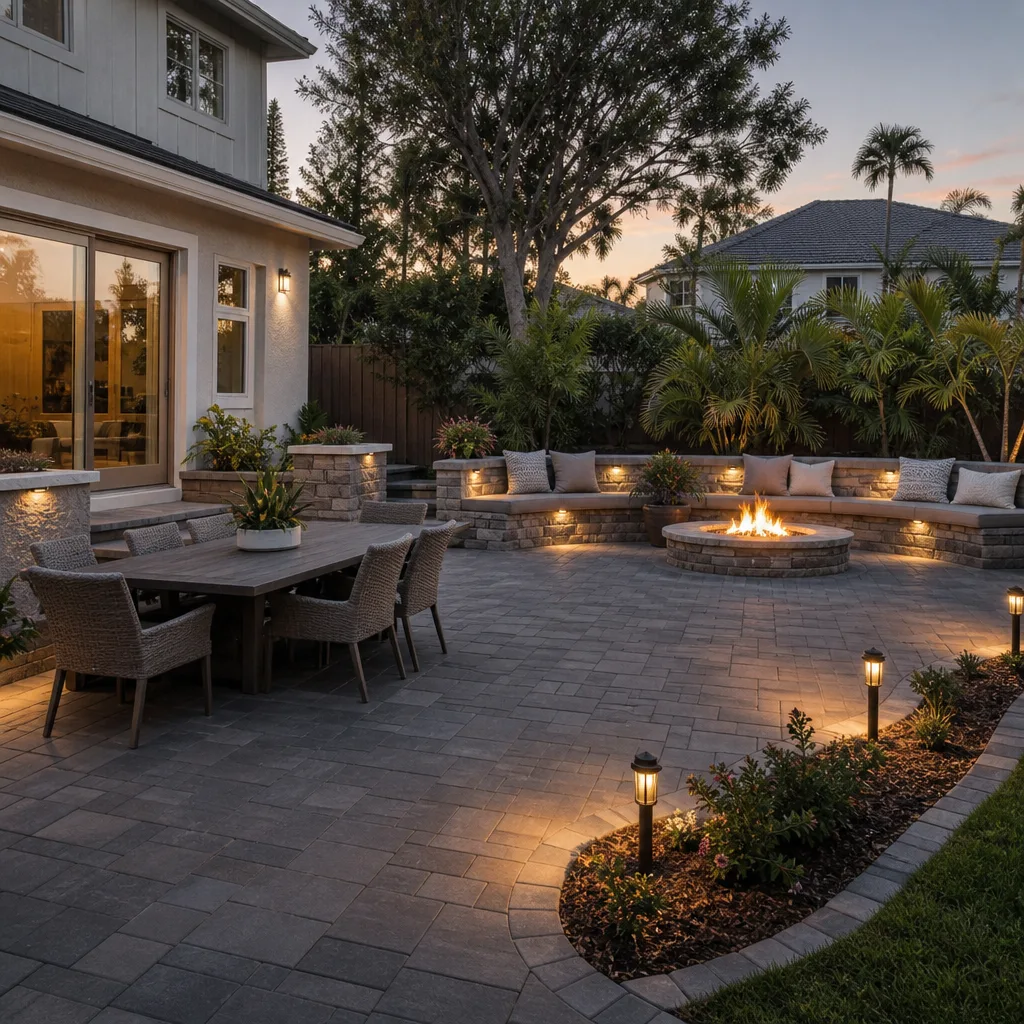
- Concrete pavers: $12 – $18 per sq ft installed. Brands like Belgard and Pavestone, in standard colors and patterns. The base, edge restraint, and joint sand are the cost drivers within this range.
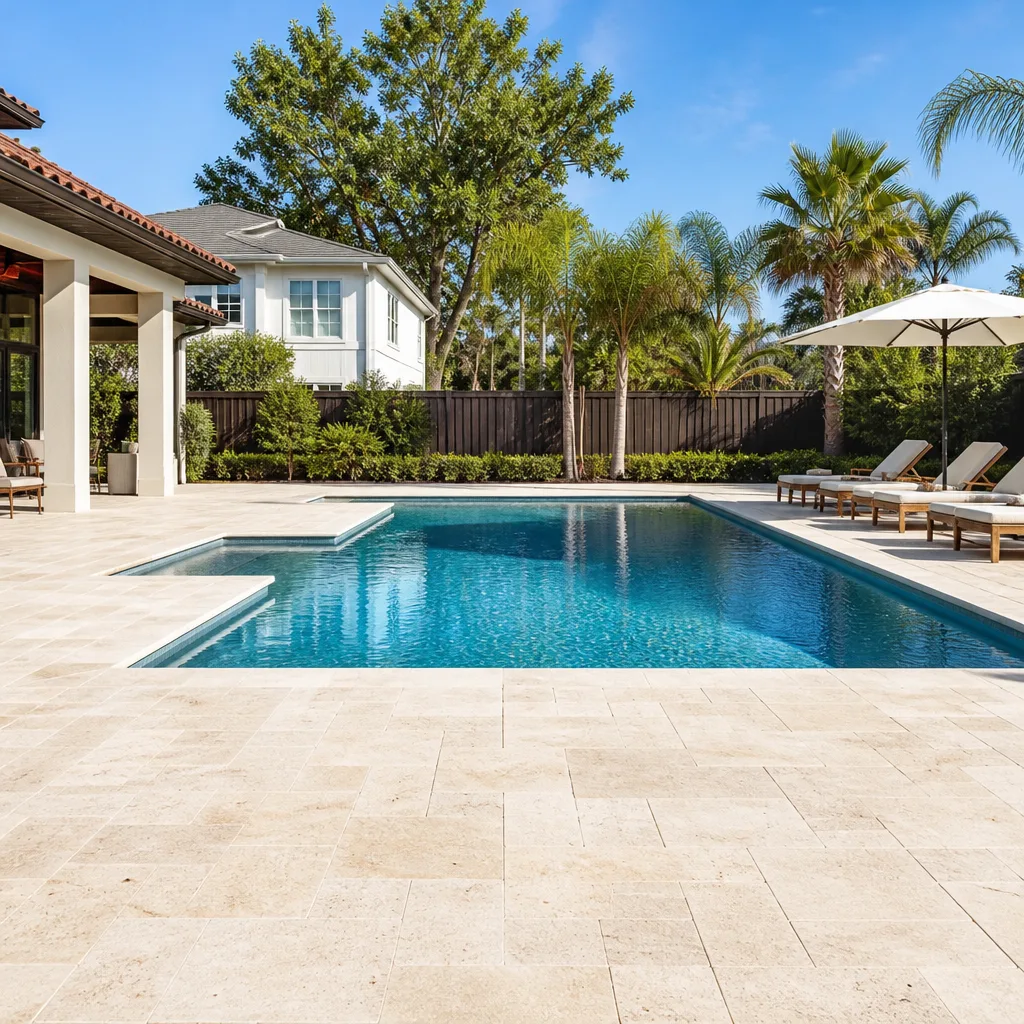
- Travertine pavers: $18 – $28 per sq ft installed. Heavier, cooler underfoot, and typically set with a thicker base and a concrete or compacted-aggregate setting bed. Popular for pool decks and front entries in the Hollywood Riviera and Walteria areas.
- Permeable pavers: $20 – $30 per sq ft installed. Open-graded base with a reservoir layer, joint aggregate, and an underdrain. The right call where runoff and drainage are constrained, and increasingly common on Torrance lots with tight side yards and no natural drainage outlet.
A typical two-car Torrance driveway runs roughly 400 to 600 square feet. At the concrete paver range, that’s about $4,800 to $10,800 installed, base prep and drainage included. Travertine on the same footprint lands near $7,200 to $16,800. Permeable systems come in around $8,000 to $18,000 depending on the underdrain and reservoir depth.
Whatever the number, it should be a flat written price with a written scope before work starts. That is Clause 1 of The Haven Standard under which Rowan Construction Group operates, and it’s why we don’t quote over the phone. If you already have a quote in hand from another contractor, we’ll review it line by line at no charge as a Free Second Opinion.
Paver Material Comparison: Concrete, Travertine, Permeable
Once the base is right, the paver is a design decision. Torrance’s climate is mild enough that almost any quality paver will hold up, but the three main categories behave differently underfoot, under sun, and under the marine layer, and they cost differently. Here’s how they compare.
- Concrete pavers (Belgard, Pavestone, Nitterhouse): The default for driveways. Dense, colorfast, and repairable individual unit by unit. Belgard’s Catalina and Pavestone’s RumbleStone lines are the ones we see most. Best value per square foot, and the right answer for most Torrance driveways.
- Travertine: A natural stone that stays cooler underfoot than concrete, which matters on west-facing driveways that catch the afternoon sun. Heavier and more expensive, and it wants a more careful setting bed. Best for entries and pool decks where appearance leads.
- Permeable pavers: Engineered systems that pass water through the joints and into an open-graded reservoir below, then release it slowly. The right choice where a Torrance lot has drainage constraints, because they reduce runoff instead of pushing it onto the neighbor’s grade.
You’ll find Nitterhouse pavers specified on some of the higher-end jobs, and Atlas brand materials on certain hardscape and retaining components. Boral is another name that comes up for trim and manufactured stone. The point isn’t to name-drop every brand; it’s to write a scope that names the exact product, color, and pattern you’re getting, so there’s no substitution mid-job.
One more material note: edge restraint is part of the material decision, not an afterthought. A concrete curb or a properly spiked paver edge holds the field together. Plastic edge restraint that isn’t spiked deep enough is the reason you see pavers shifting on the outer row of a Torrance driveway after two or three years.
Marine Moisture and Polymeric Sand Selection
Torrance’s proximity to the ocean raises baseline moisture content in the air and in the ground. The marine layer that rolls in most summer mornings keeps the surface cool and the joints damp longer into the day than inland. That has a specific consequence: the polymeric sand you choose for the joints needs to cure in a high-humidity environment, and not all of them do.
Polymeric sand is a mix of fine aggregate and a polymer binder that locks pavers together and resists weeds and washout. It’s activated by water and cured by drying. In a damp coastal environment, a sand that cures slowly may not fully set before the next marine layer moves in, and joint integrity suffers. Two things matter for Torrance:
- Specify a sand rated for coastal and high-humidity cure. Ask for the manufacturer’s application guide and check the cure section, not just the product label.
- Install it in the right window. Late summer and early fall, when overnight humidity is lower and the sand can cure fully, gives the best result. A winter install in Torrance can work, but the crew needs to account for the slower cure and protect the surface.
We’ve also seen enough failed re-sands to say this plainly: if the base is failing, re-sanding and sealing will not fix it. Polymeric sand holds joints, not a sinking slab. The moisture question and the base question are the same question, and only the base side has a durable answer. Our guide to Fence Installation in Torrance covers a related moisture issue with fence posts set in the same soil, if you’re planning a full backyard upgrade at the same time.
Permit Triggers: Encroachment vs. Building Permit
Whether your Torrance driveway project needs a permit, and which one, depends on where the work happens and whether it changes site drainage. This is the piece most homeowners underplan, and it’s the piece a careful contractor resolves before the first delivery of base material.
- Encroachment permit: Required when work happens within the public right-of-way, which for many Torrance properties means the apron, the portion of the driveway between the sidewalk and the curb. Replacing or widening the apron, cutting the curb, or altering the sidewalk crossing typically triggers a City of Torrance encroachment permit.
- Building permit: Required when you’re changing site grading, drainage, or the structural condition of the driveway in a way that affects the property’s drainage plan. Regrading a lot to route water differently is the common trigger.
Some straightforward replacements behind the property line, on the same footprint and grade, don’t require a permit at all. The honest answer is that the trigger depends on your specific lot, and it’s worth confirming before work starts rather than after. We pull permits through the City of Torrance and have the inspection records to show for it.
The wider point: a contractor who tells you no permit is needed without asking where the apron sits or how the lot drains is guessing. The scope should state, in writing, which permits are being pulled and who is responsible for the inspection. If your project grows into a larger addition, our Home Additions & ADU in Torrance guide covers the broader permit path for structural work.
What a Complete Written Scope Must Include
Before you pay a deposit on a paver driveway in Torrance, you should be holding a written scope that specifies the work in trade terms. Not a single line item that says “install pavers,” but a document that states the grade, the base depth, the edge restraint, and the drainage outlet. If any of those four are missing, the quote is not complete.
- Grade: The finished slope, stated as a percentage away from the structure. It should not be flatter than 1%. The scope should say which direction water leaves the driveway and where it goes.
- Base depth and material: The depth in inches, the aggregate class, and the compaction spec in lifts. On Torrance clay, expect 8 to 12 inches, not 4.
- Edge restraint specification: Concrete curb or spiked paver edge, named and described. This is what keeps the field from spreading.
- Drainage outlet: Where the water goes at the bottom of the grade. A channel drain, a dry well, a daylight outlet to the street, or a permeable reservoir. Named, not implied.
Add the paver product, color, and pattern by name, the joint sand product, and the workmanship warranty. Under The Haven Standard, no work proceeds on a change without a signed change order, which is the discipline that keeps the final invoice within a few percent of the agreed number. Our Rowan Construction Group Torrance home page lays out the full standard if you want to compare it against what you’re being offered elsewhere.
Every Rowan visit also includes a documented photo record as standard, so you have evidence of the base depth, the compaction, and the finished grade when the crew leaves. It’s not an upgrade. It’s how the job should have been documented all along.
The Installation Process, Step by Step
A paver driveway done right in Torrance follows a fixed sequence. The steps aren’t secret, but skipping any one of them is where failures start. This is the order we work in, and it’s the order your scope should describe.
- Demo and haul-off. Remove the existing surface and base, and haul it away. On an older Torrance slab, that’s often a few inches of concrete over clay.
- Subgrade inspection and proof-roll. Identify soft spots and remove any organics. This is where a failing driveway usually reveals its problem.
- Base installation and compaction. Class II base in 2 to 3-inch lifts, compacted to spec, with a laser check on grade along the way.
- Drainage installation. Channel drain, underdrain, or daylight outlet, set at the correct fall before anything covers it.
- Edge restraint. Concrete curb or spiked restraint set along the perimeter and around any islands.
- Setting bed and pavers. A screeded sand or aggregate bed, then the pavers laid to pattern and cut at the edges.
- Joint sand and compaction. Polymeric sand swept into joints, activated, and cured per the manufacturer’s coastal application guide.
- Final grade check and photo record. Confirm the slope, the drainage flow, and document the completed work.
An honest timeline for a 500-square-foot Torrance driveway is typically three to five working days, weather and cure windows permitting. If your base is unusually deep or there’s a drainage retrofit involved, add a day or two. Any contractor promising a two-day turnaround on a job with this much base prep is either cutting the base or skipping the compaction check.
Common Mistakes to Avoid
- Accepting 4 to 6 inches of base on Torrance clay. That’s inland spec, and it fails here. Insist on the depth your soil series requires, stated in writing.
- Skipping the drainage outlet. A driveway that sheds water onto the neighbor’s grade or pools at the garage door creates a problem that costs more to fix than to prevent.
- Choosing polymeric sand by brand alone. In a coastal marine environment, the cure properties matter more than the name on the bag. Ask for the application guide.
- Not confirming the permit path before demo. Discovering you needed an encroachment permit after the apron is gone is a costly sequence to unwind.
- Paying a deposit against a one-line quote. If the scope doesn’t state grade, base depth, edge restraint, and drainage outlet, you don’t have a scope. You have a promise.
- Letting a crew substitute pavers mid-job. If the product, color, and pattern aren’t named in the scope, there’s no way to hold the finished job to what you agreed to.
- Trying to fix a sinking slab with re-sanding and sealer. The surface isn’t the problem. The base is. A cosmetic fix on a structural failure just delays a larger repair.
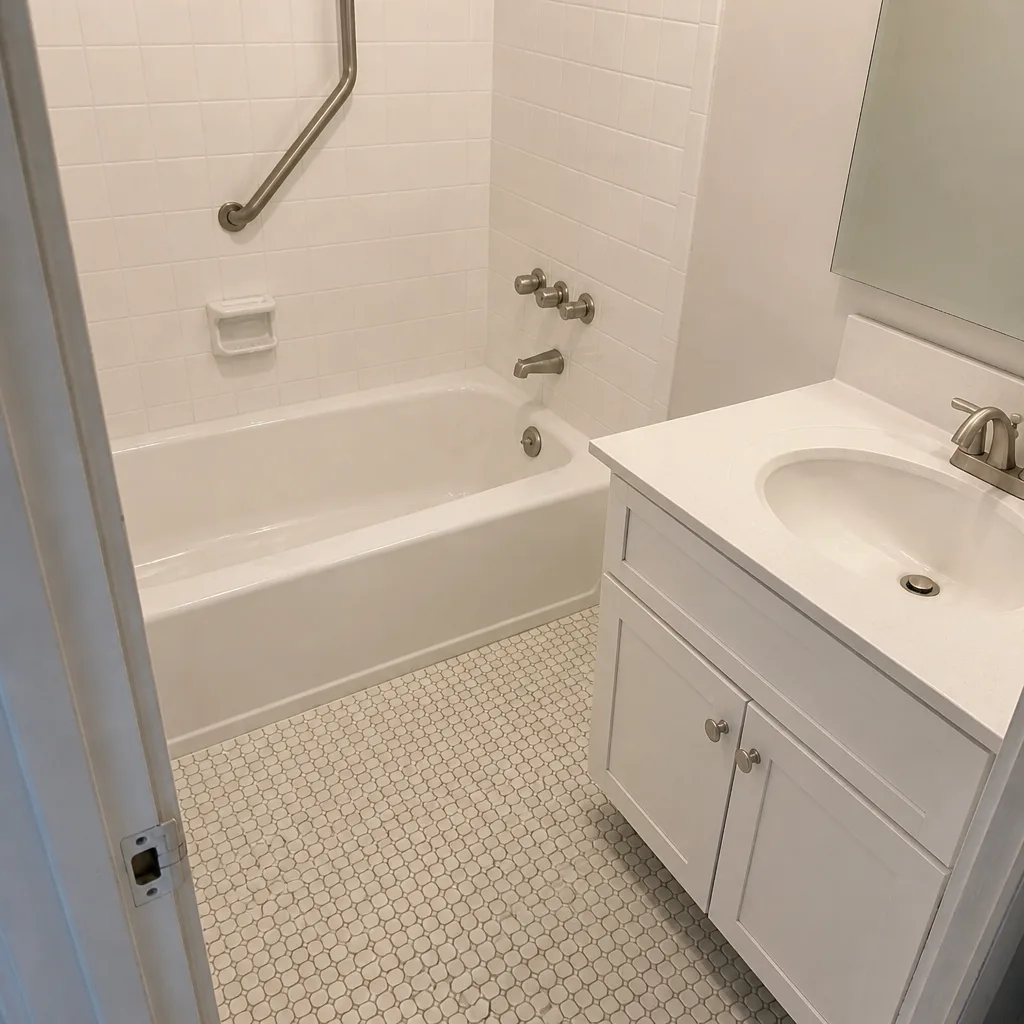
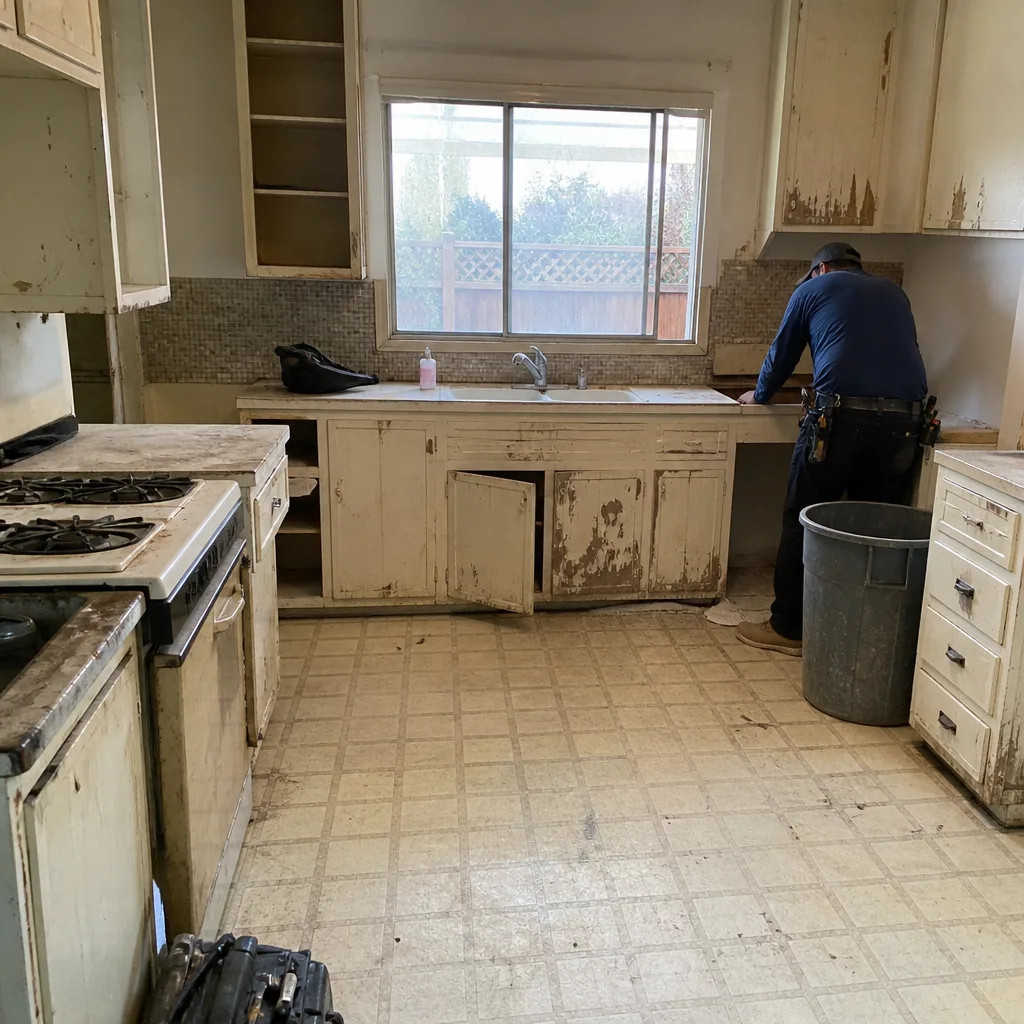
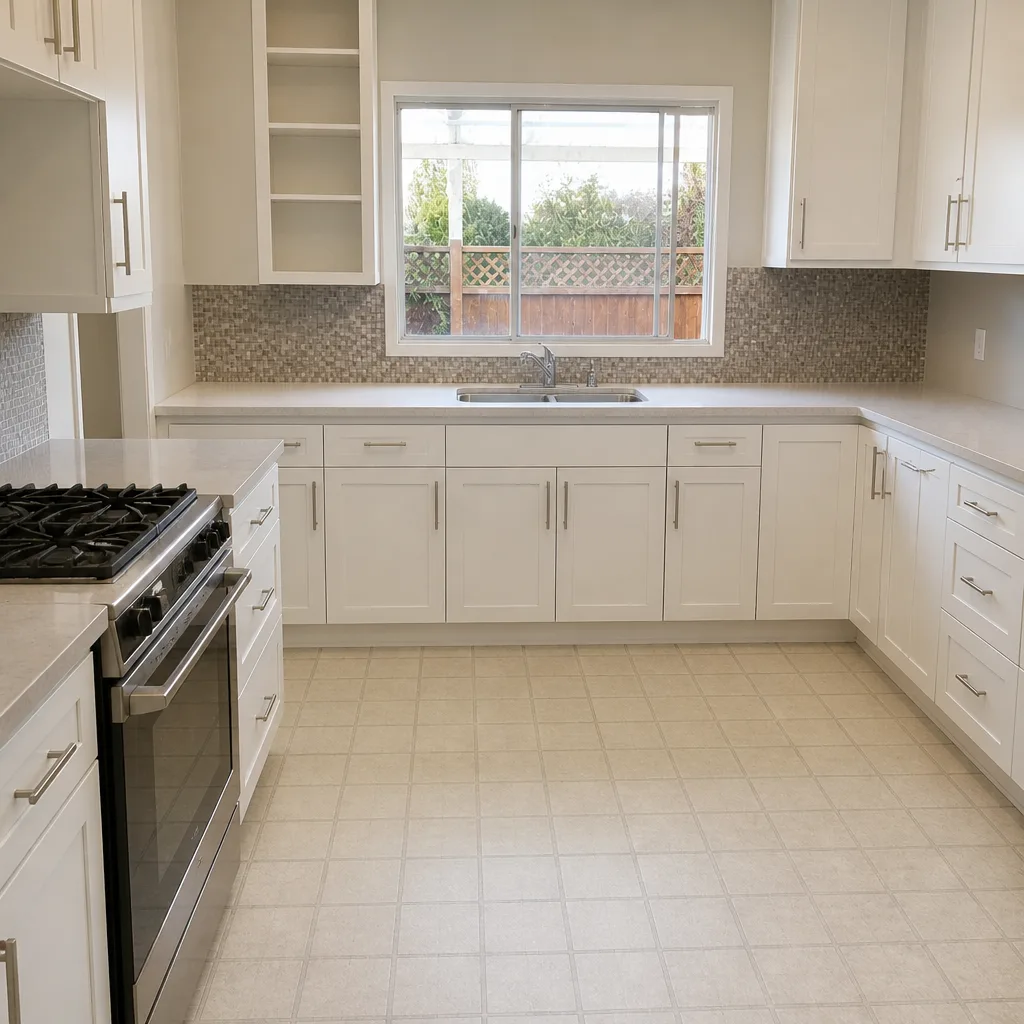
See the difference
 Before
 After
 Before
 After
 Before
 After
When to Call a Professional
Some jobs are seasonal maintenance, but a driveway failure that involves sinking, heaving, or water pooling at the structure is a base or drainage problem, and it needs a contractor. Call a professional if you see pavers settling in a pattern that follows a line, if water stands against the garage door after a rain, if the apron has cracked or separated from the sidewalk, or if the grade has begun to slope back toward the house. Those are all signals of a subgrade or drainage failure, and no amount of surface repair will solve them. Rowan Construction Group Torrance offers free estimates in Torrance and pulls permits through the City, so you’re working with a documented scope and a record when the crew leaves. Call (888) 349-6729 to schedule yours.
Frequently Asked Questions
A paver driveway in Torrance typically runs $12 to $30 per square foot installed, with concrete pavers starting around $12, travertine at $18 to $28, and permeable systems at $20 to $30. Base prep and drainage make up a larger share of the number than most homeowners expect on Torrance clay, so the base depth affects the price more than the surface material does. Call (888) 349-6729 for an exact written quote after a site visit – estimates are free.
Most early failures in Torrance come from base layers that are too thin for the expansive clay under them, not from the pavers themselves. The Hentrieville and Marina soil series both hold water and move with the wet-dry cycle, and a 4 to 6-inch base doesn’t isolate the pavers from that movement. Getting the base right the first time is the only durable fix.
If the work touches the public right-of-way, such as the apron between the sidewalk and the curb, it typically requires a City of Torrance encroachment permit. If the project changes site grading or drainage, it may need a building permit. A straight replacement on the same footprint and grade behind the property line sometimes doesn’t require either, but it depends on your lot. Confirm the path before demo begins.
Use a polymeric sand with an application guide that addresses high-humidity and coastal cure, and install it in a window where it can fully set before the next marine layer. Brand alone isn’t the answer; the cure spec is. A sand that cures slowly in coastal air can leave joints that wash out within a season. Call (888) 349-6729 and we’ll walk through the right product for your install window.
Under The Haven Standard, the price is written before work starts and no work proceeds on a change without a signed change order. That discipline has kept Rowan projects within a few percent of the agreed cost across 4,000-plus jobs. If something unexpected turns up under the base – and on Torrance clay it sometimes does – you hear about it before anything changes, in writing, with a number on it.
A typical 500-square-foot Torrance driveway takes about three to five working days, including demo, base, drainage, pavers, and joint sand. Deeper base requirements or a drainage retrofit add a day or two, and the polymeric sand cure window can extend the total. Call (888) 349-6729 for a written schedule after we see the site.
The Bottom Line
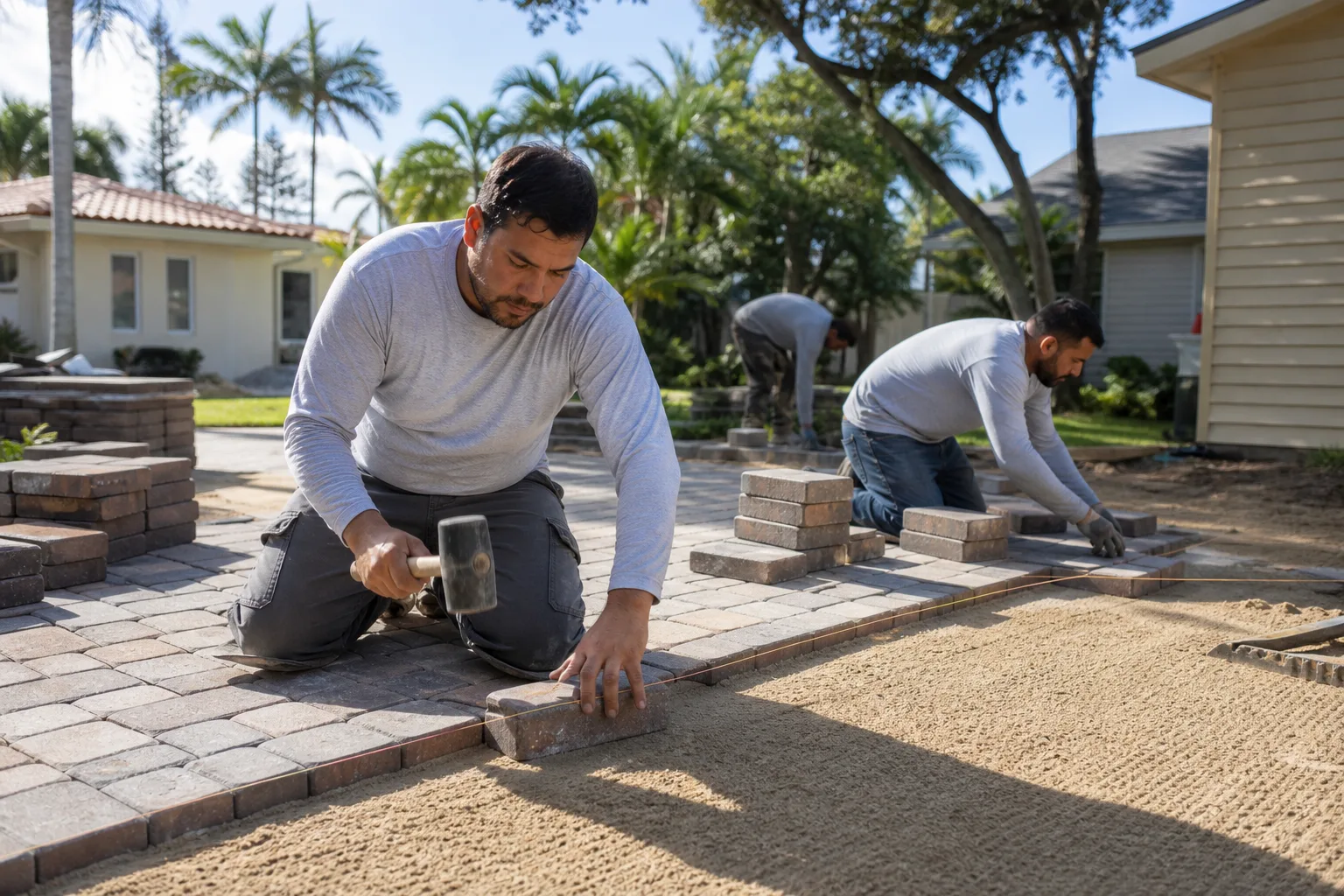
Torrance driveways that last are built on soil knowledge first and paver selection second. The Hentrieville and Marina clay series require deeper base, better compaction, and real drainage – not the 4 to 6 inches that work inland. Material choice moves the cost between $12 and $30 per square foot, but the base and drainage are what determine whether the job holds through a decade of wet winters and marine-layer summers. Before you pay a deposit, insist on a written scope that names the grade, base depth, edge restraint, and drainage outlet. Insist on the permit path. That documentation is the whole job.
Ready to price a driveway or paver project in Torrance? Rowan Construction Group Torrance offers free estimates, written flat pricing with a written scope, and a Free Second Opinion on any estimate you already have. Call (888) 349-6729 to schedule your free estimate.
Written by the team at Rowan Construction Group Torrance.