Last updated November 17, 2026
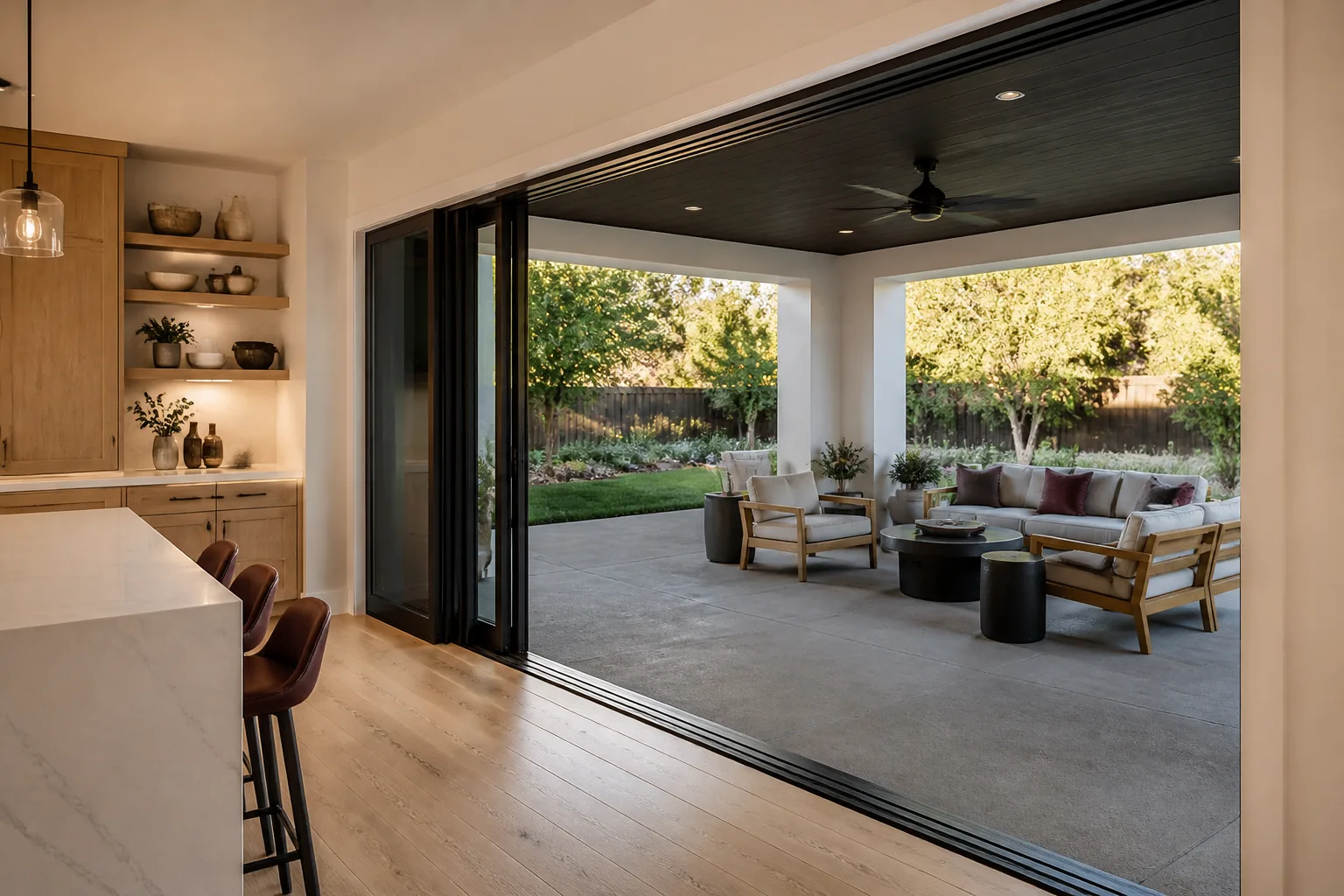
Free written scope consultation - allowances, timeline, and change-order rules on paper before a single trade is scheduled
The Complete Guide to Construction in Torrance
Torrance sits on a coastal plain where expansive clay soils show up in several ZIP codes, and that single geological fact can swing a foundation budget by $8,000 to $20,000 depending on whether your contractor priced the job with a soils report in hand or guessed. Add salt air off the Pacific, a marine layer that keeps exterior walls damp well into the morning, and a Building & Safety division with its own review calendar, and you have a city where generic Southern California construction advice quietly fails. This guide walks through every phase of a Torrance project against those local realities: soil, permits, material selection, sequencing, and what seven trades under one contract actually buys you. You’ll finish knowing what’s coming before the first invoice arrives.
Quick Answer
Construction in Torrance follows a predictable path: soils evaluation where clay or fill is present, a Building & Safety permit submittal with plan review that runs longer for additions and ADUs than for cosmetic remodels, then construction sequenced across trades under a written contract. The two variables that most often blow up budgets here are unverified soil conditions and change orders that get approved verbally instead of in writing. Get the soils report and the written scope settled first, and the rest of the project behaves.
Styles & brands we work with
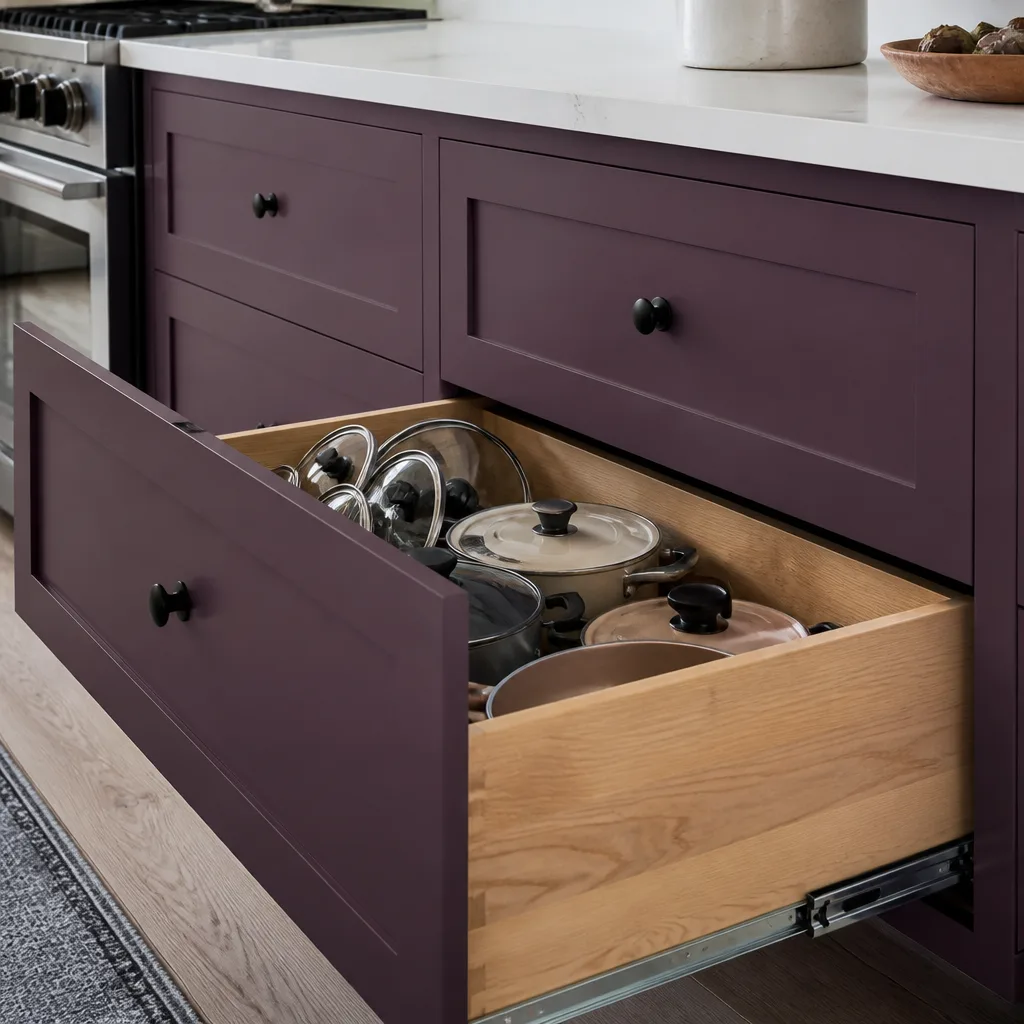
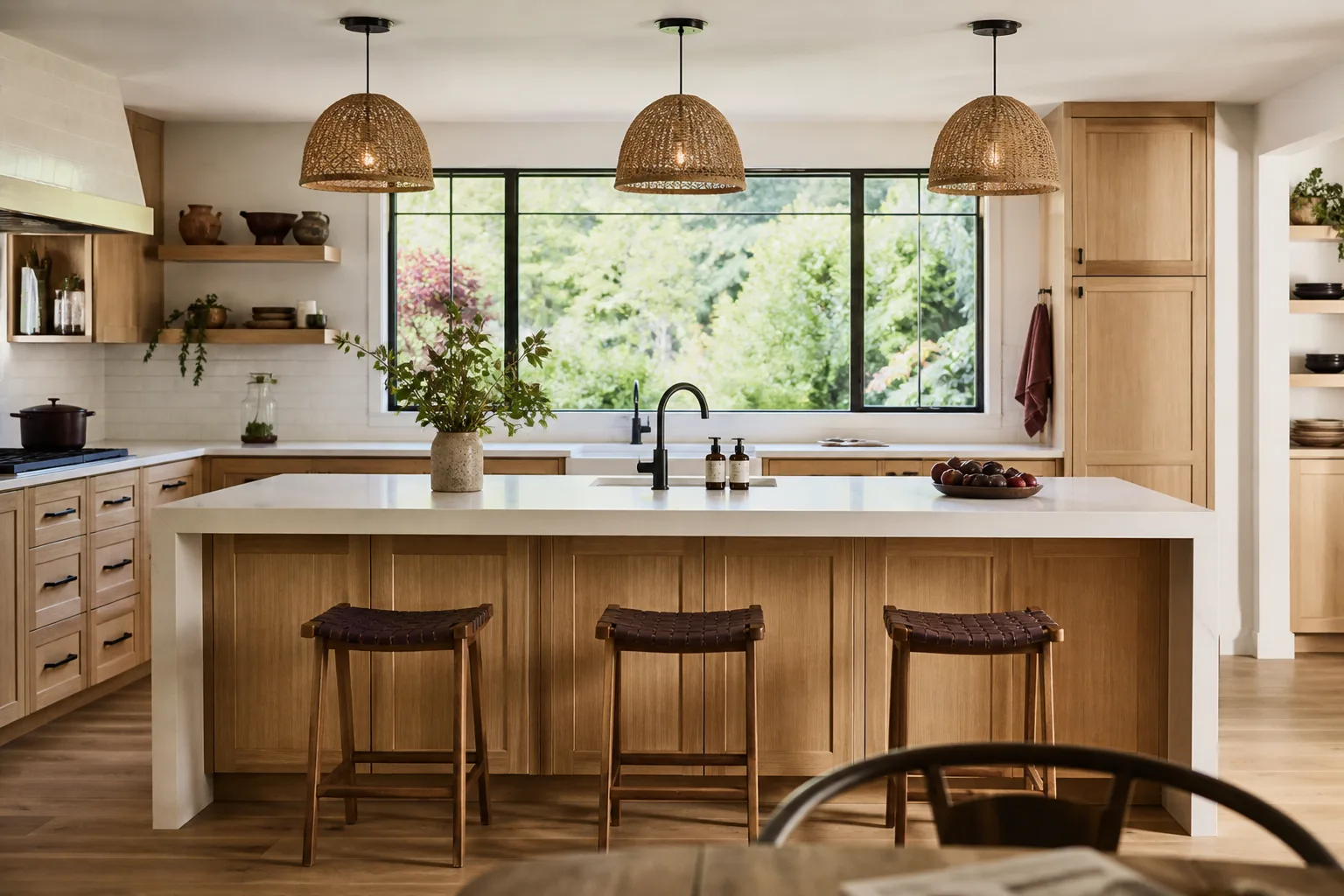
- Kitchen remodeling
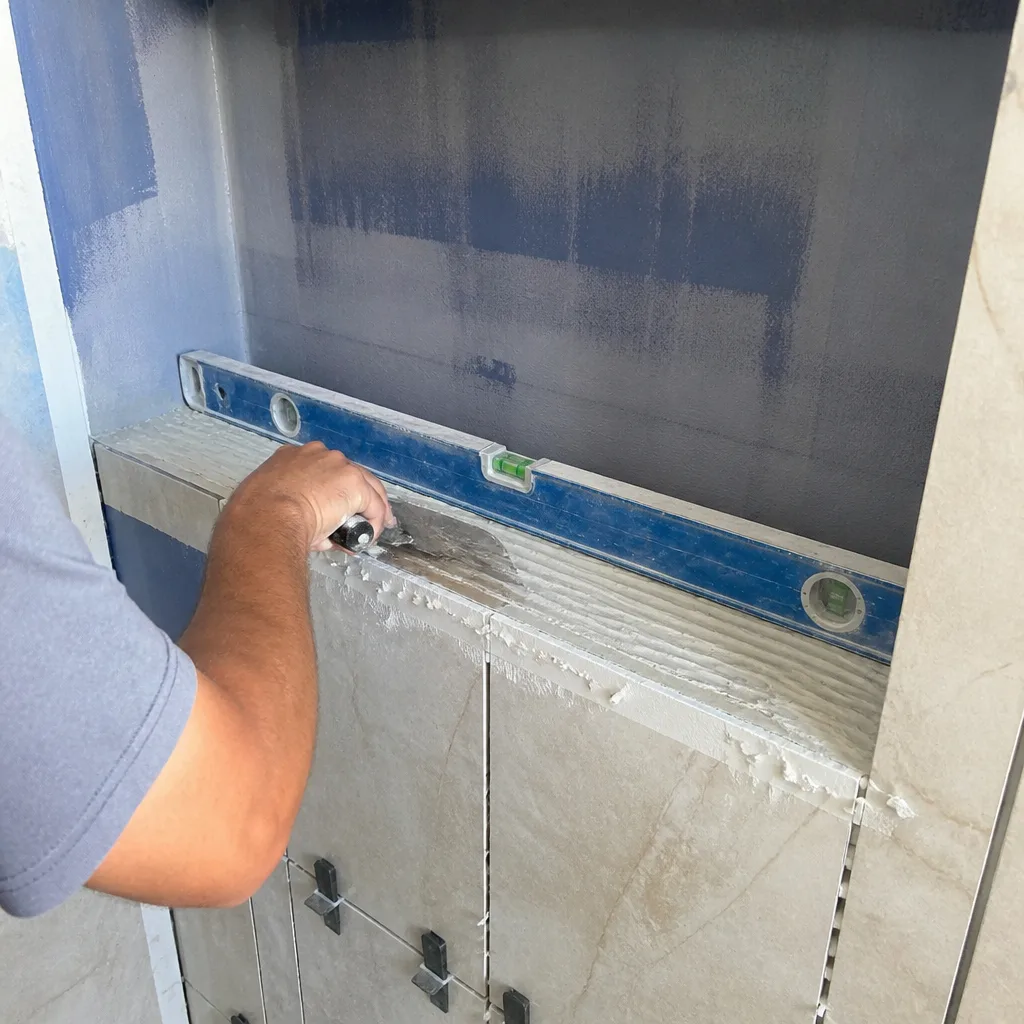
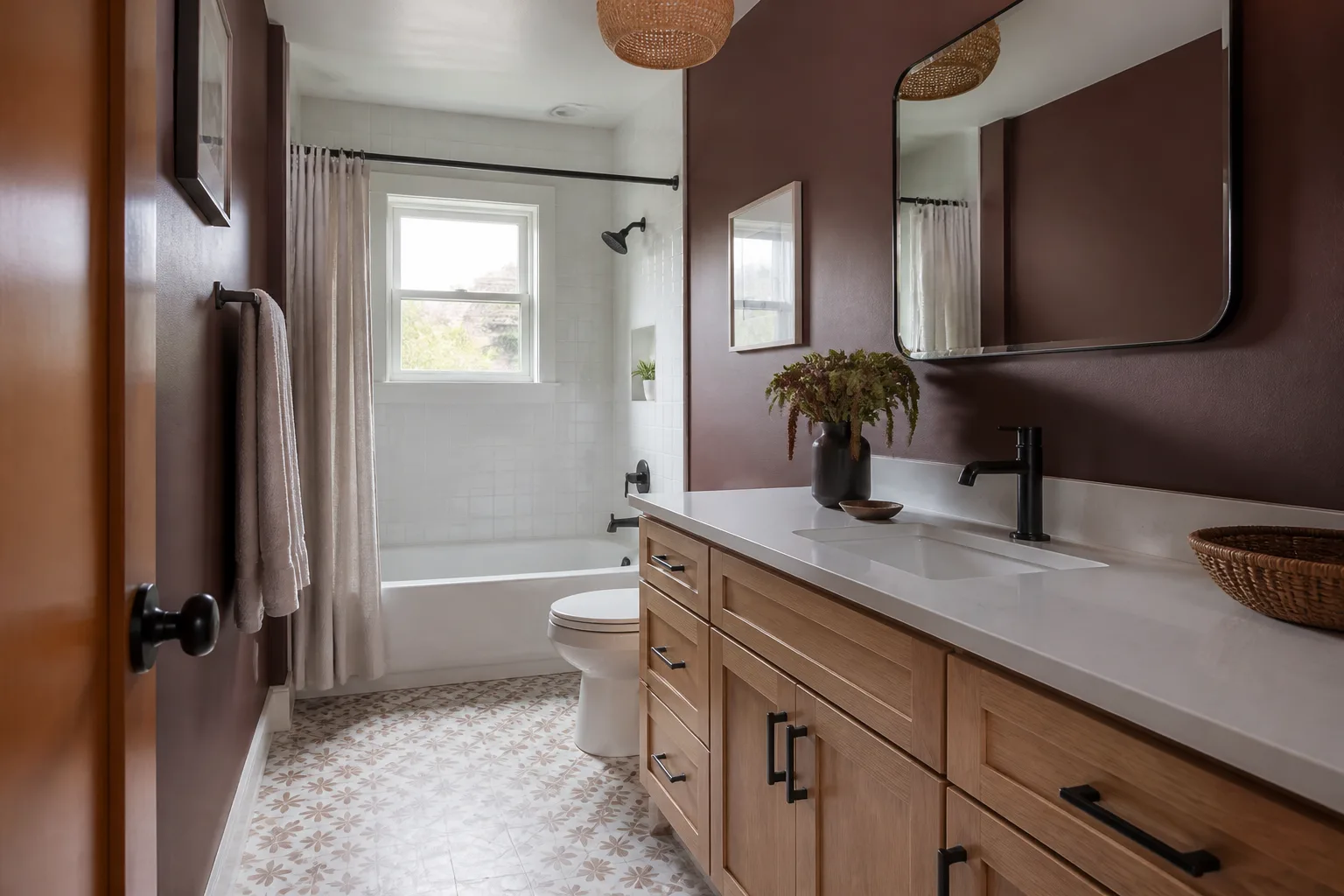
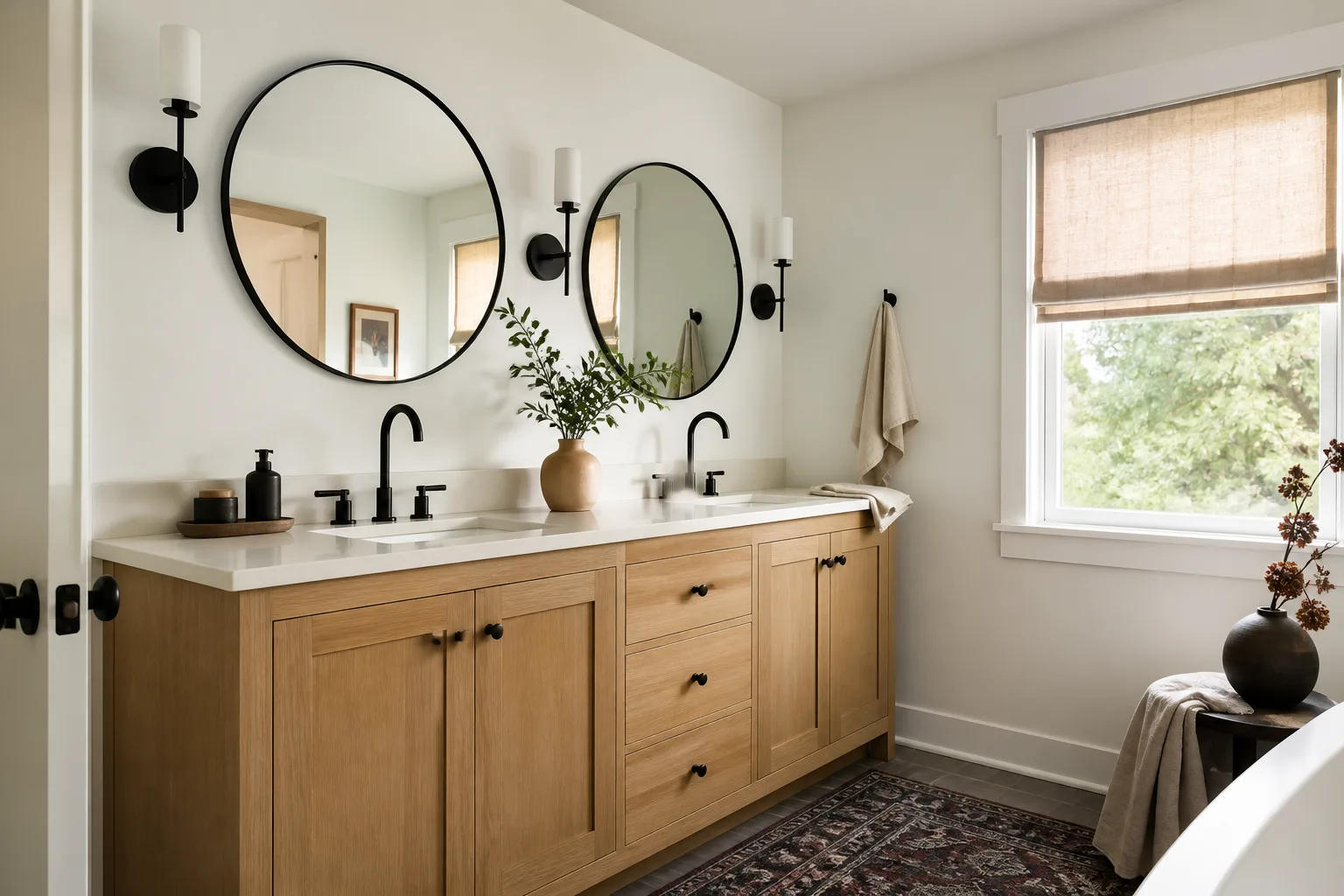
- Bathroom remodeling
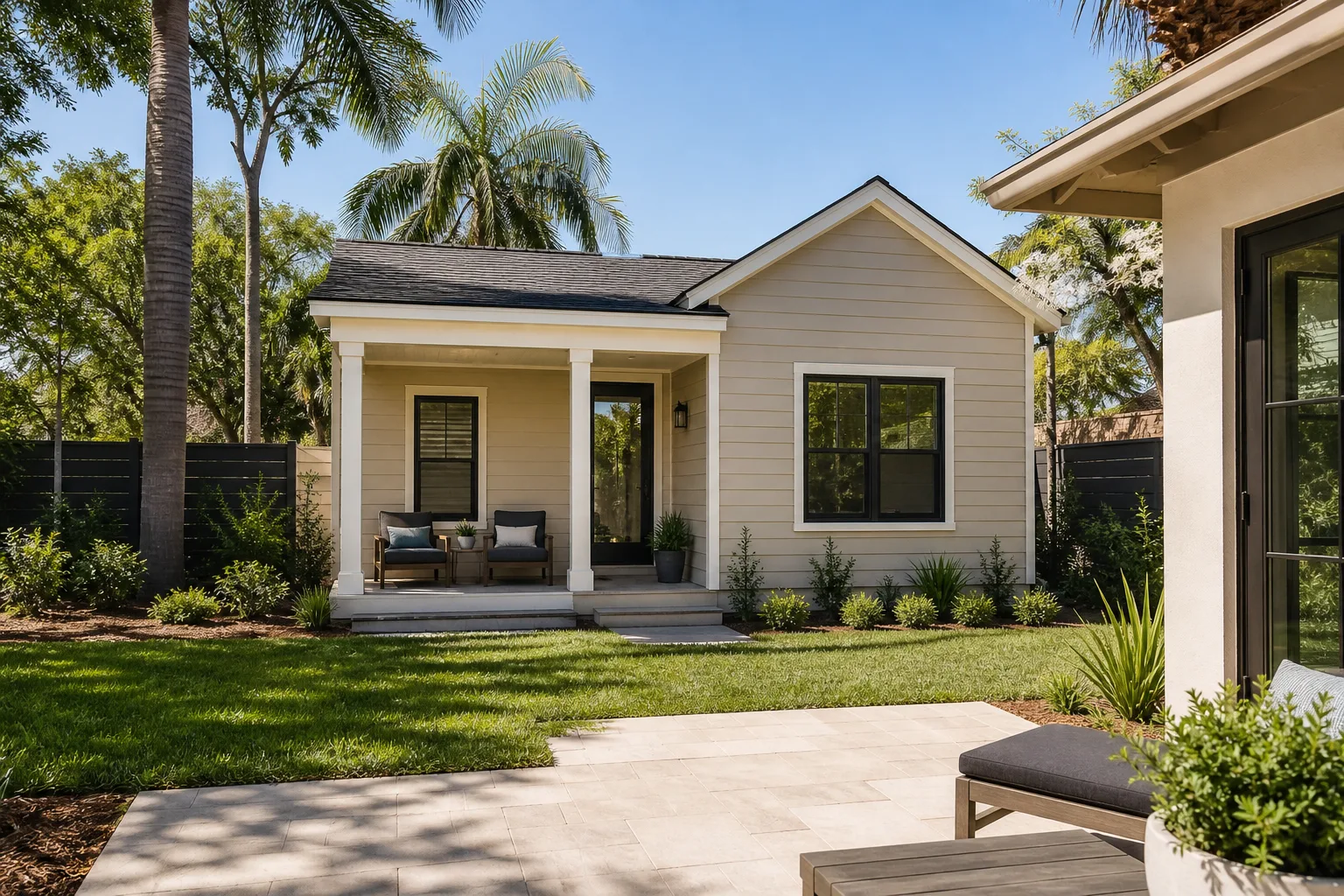
- Home additions & ADU
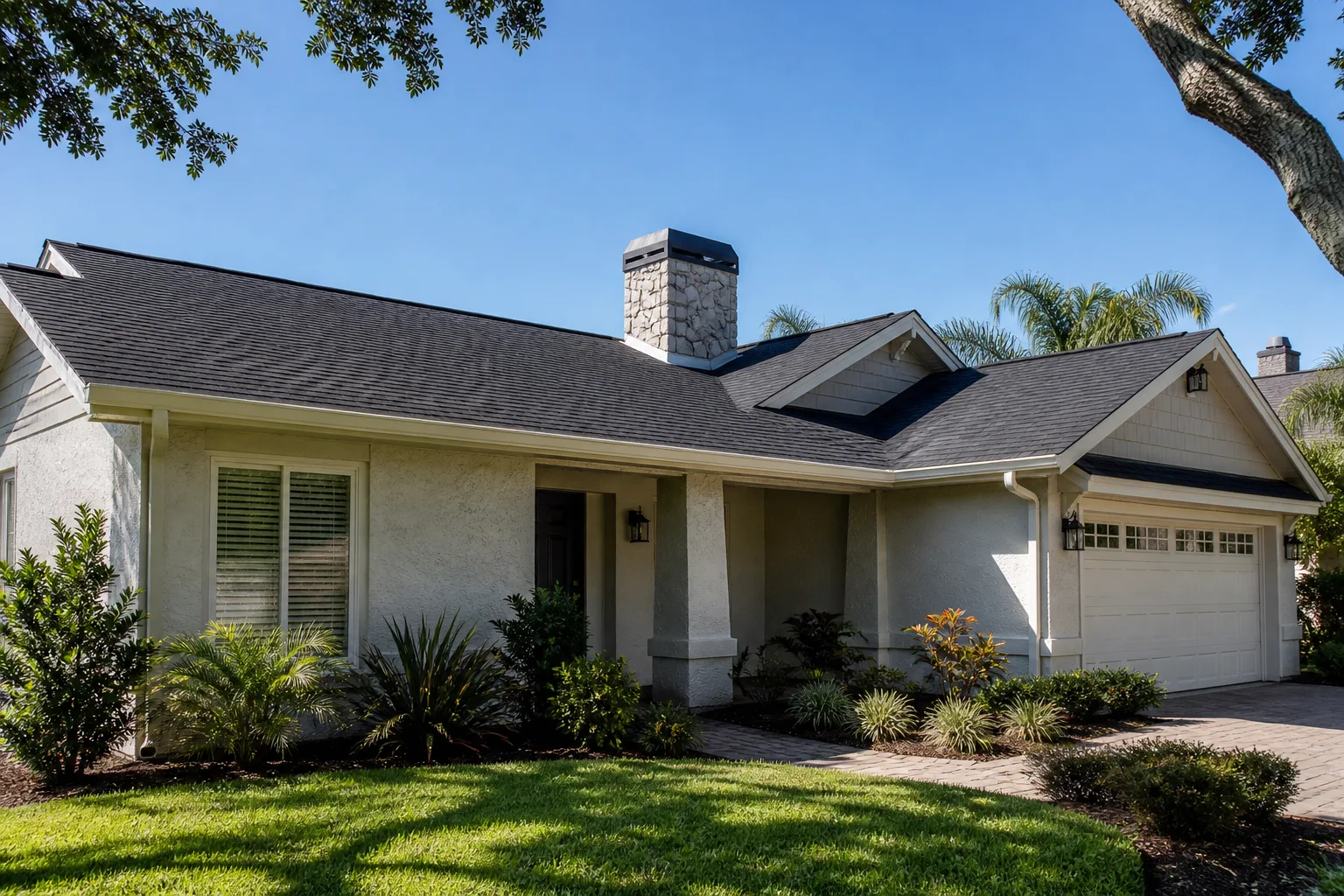
- Roofing
- Windows & doors
- Driveway & pavers
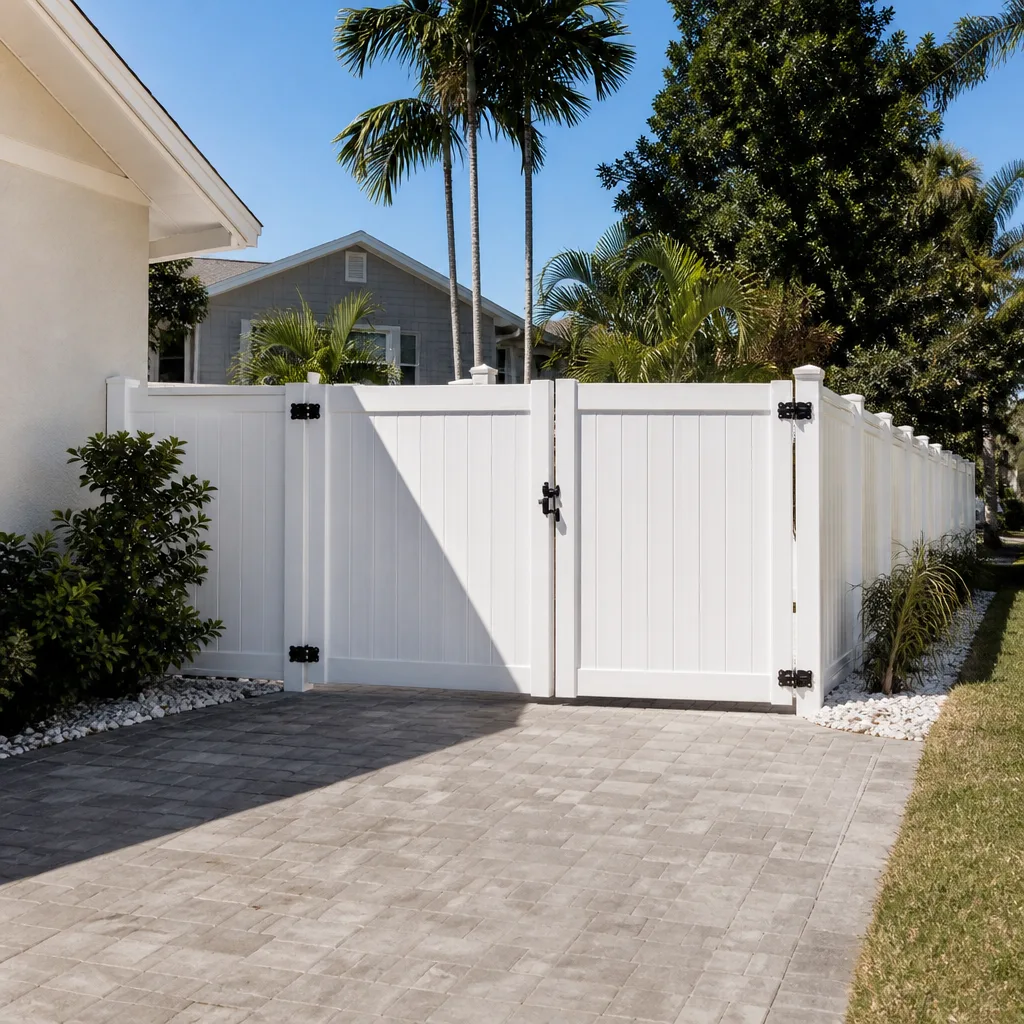
- Fence
Table of Contents
- Why Torrance Soil Conditions Change Your Foundation Budget
- How Coastal Moisture and Salt Air Shape Material Choices
- The Torrance Permit Sequence, Stage by Stage
- What “Seven Trades Under One Contract” Really Means
- A Dollar-Range Matrix for Common Torrance Projects
- Neighborhood Realities: Old Torrance, North Torrance, and the South Bay Hills
- Common Mistakes to Avoid
- Frequently Asked Questions
Why Torrance Soil Conditions Change Your Foundation Budget
Expansive clay is the quiet cost driver in Torrance construction. Clay that swells when wet and shrinks when dry moves a slab or a stem wall seasonally, and a foundation designed without knowing the soil profile can crack within a few years. Compressible soils near low-lying areas and former fill zones behave differently again: they settle rather than heave, and the fix is deeper piers or engineered fill, not thicker concrete.
Here’s the sequence we follow before any foundation number is valid:
- Geotechnical review. A licensed geotechnical engineer takes borings and issues a report with bearing capacity, expansion potential, and recommended foundation type.
- Design response. The structural plan responds to the report: conventional spread footings where soil is stable, deepened piers or a post-tensioned slab where it isn’t.
- Pricing with the report in hand. The written quote references the report’s findings by page. A contractor who prices a Torrance foundation without one is guessing, and the change order arrives later.
A soils report on a typical Torrance lot runs roughly $1,800 to $4,500 depending on the number of borings and whether a percolation test is needed. That line item feels like overhead until you compare it to the $8,000 to $20,000 a foundation rework can add after the fact. If a quote shows a foundation allowance with the word “typical” next to it, ask which soils report it’s based on.
How Coastal Moisture and Salt Air Shape Material Choices
Torrance sits close enough to the ocean that the marine layer parks over the city most mornings, and the salt carried in that air attacks exterior metal, fasteners, and finishes over time. This is not a dramatic problem. It’s a slow one, and it changes which products make sense across every trade.
- Roofing: GAF and Owens Corning architectural shingles hold up well, but the underlayment and the fasteners matter more than the shingle brand near the coast. Hot-dipped galvanized or stainless fasteners resist corrosion that standard electroplated nails don’t. Roof decks that stay damp under the marine layer need adequate ventilation or the sheathing rots from the underside.
- Exterior finishes: Stucco remains the standard on Torrance homes, and a proper three-coat application with a functioning weep screed at the base lets moisture escape. Skipping the weep screed traps water in the wall.
- Windows and doors: Vinyl and fiberglass frames don’t corrode; wood frames need more attention. Impact-rated or coastal-rated assemblies are worth pricing on west-facing exposures.
- Interior surfaces: Cambria and Caesarstone quartz countertops shrug off the humidity swings that affect natural stone. Kohler fixtures with brushed or polished finishes need a wipe-down routine near the coast to stay bright.
- Fencing and pavers: Powder-coated aluminum and cedar hold up; untreated steel and softwoods don’t. Belgard and Techo-Bloc pavers with a proper base handle the wet-dry cycle better than poured concrete that cracks.
None of this is exotic. It’s a matter of specifying the right fastener, the right underlayment, and the right finish schedule, then writing those specs into the contract so the crew installs what was quoted.
The Torrance Permit Sequence, Stage by Stage
Torrance Building & Safety runs its own review calendar, and the timeline stretches or shrinks depending on project type. Cosmetic work that doesn’t move structural, electrical, plumbing, or mechanical systems often needs no permit. Anything that does needs plan review, and the review length is where schedules slip.
Here’s the typical sequence, with realistic calendar days we’ve seen across project types:
- Pre-submittal research (1 to 2 weeks). Confirm zoning, setbacks, lot coverage, and whether the property sits in an overlay or historic area. A quick records pull at the counter answers most of this.
- Plan preparation (3 to 6 weeks). Architectural drawings, structural calculations, Title 24 energy documentation, and a soils report if foundations are involved. The drawing set quality drives how fast review goes.
- Submittal and intake (3 to 7 days). Plans are logged and routed to the reviewing disciplines: planning, building, fire, and engineering as applicable.
- Plan review, first cycle (3 to 6 weeks for additions and ADUs; 1 to 3 weeks for kitchens, baths, and re-roofs). Reviewers issue correction comments. Every comment answered cleanly speeds the second cycle.
- Corrections and re-review (1 to 3 weeks per cycle). Most projects see one or two correction cycles. A thorough first submittal often avoids the second.
- Permit issuance and inspection scheduling. Once approved, permits issue and inspections are scheduled stage by stage: foundation, framing, rough electrical/plumbing/mechanical, insulation, drywall, final.
Add those stages together and a Torrance ADU or addition runs roughly 3 to 5 months from first drawing to permit in hand. A kitchen or bath remodel with structural changes runs about 6 to 10 weeks. Re-roofs and window replacements with like-for-like swaps move faster. The single biggest schedule lever is drawing quality: a complete, code-compliant submittal sails through; an incomplete one comes back and the calendar resets.
What “Seven Trades Under One Contract” Really Means
When you hire a separate framer, roofer, electrician, plumber, cabinet installer, and painter, you own the coordination. That means you’re the one calling the plumber when the framer isn’t done, absorbing the schedule slip when the cabinet delivery runs late, and holding the warranty conversation when two trades point at each other after a leak.
Bringing a project under one contract changes three things:
- Scheduling: Trades sequence against each other instead of waiting on separate calendars. The cabinet install doesn’t start until the drywall is finish-sanded, and that handoff is managed, not hoped for.
- Liability: One party owns the written warranty. If a window leaks because the flashing was wrong or because the window itself was defective, there’s one call to make, not two contractors arguing.
- Cost control: The scope and price are written before work starts, and no change proceeds until a change order is signed. Under Clause 1 of the Haven Standard, the price is written before anyone picks up a tool, and the discipline is what keeps projects within a few percent of the agreed number.
That sequencing matters most on multi-phase projects where a kitchen remodel touches plumbing, electrical, and finish carpentry, or where an addition connects to the existing roofline and siding. The alternative, a stack of separate contracts, works on small single-trade jobs and gets expensive on anything bigger. For projects that combine site work with structures, the same principle applies to Driveway & Pavers in Torrance sequenced against the home’s exterior work.
A Dollar-Range Matrix for Common Torrance Projects
These are working ranges for Torrance, not national averages. The low end assumes a straightforward lot, standard finishes, and no structural surprises. The high end reflects what actually moves the number.
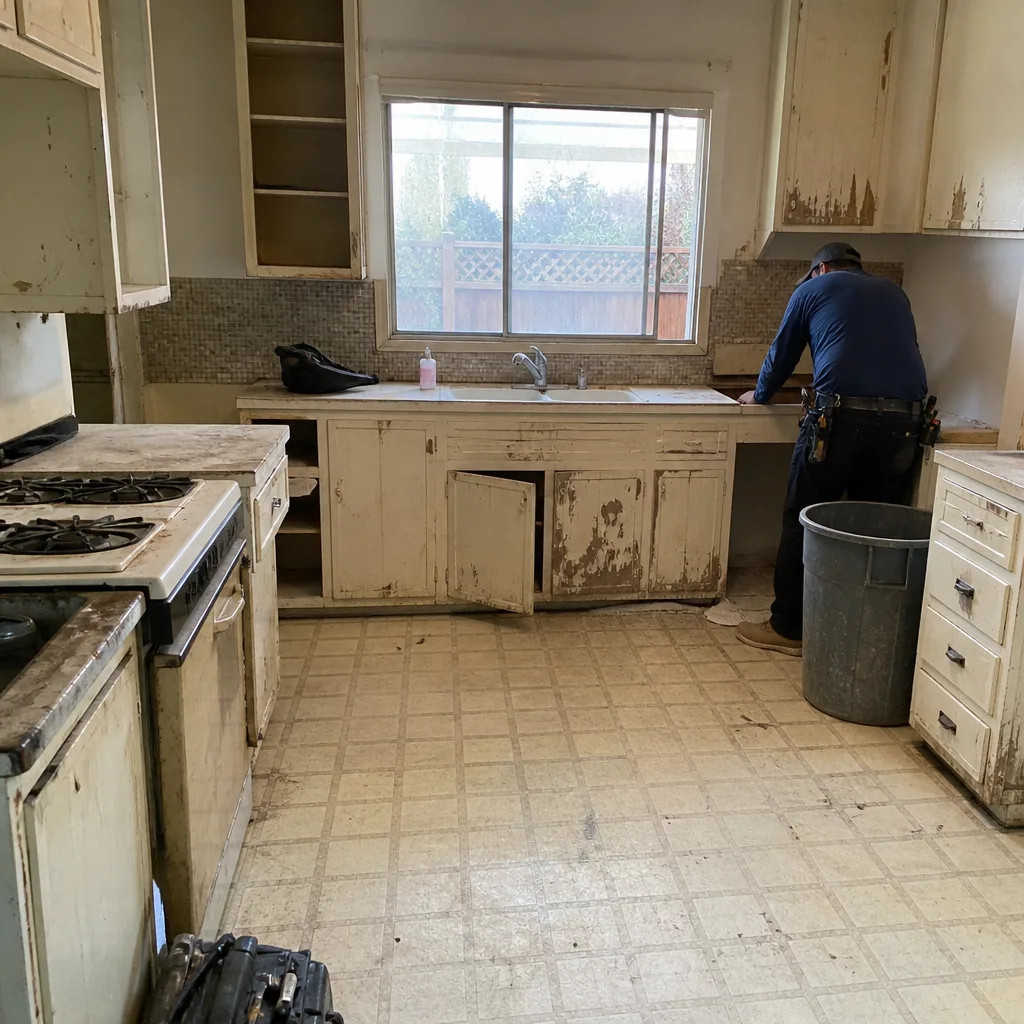
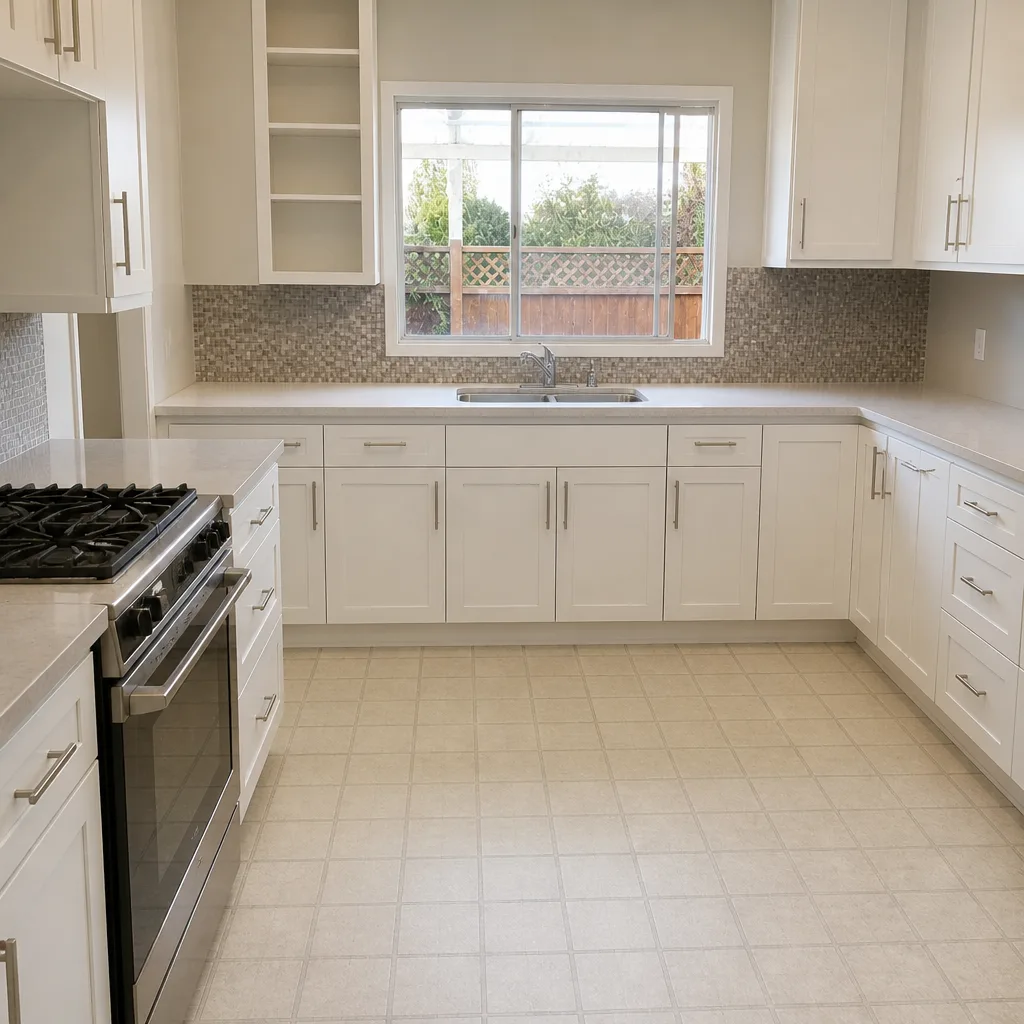
- Kitchen remodel: $45,000 to $95,000. Mid-grade cabinets (KraftMaid and Wellborn both fit the range), quartz counters from Cambria or Silestone, and new appliances land mid-range. The number climbs with layout changes that move plumbing or gas, structural wall removal, or high-end appliance packages.
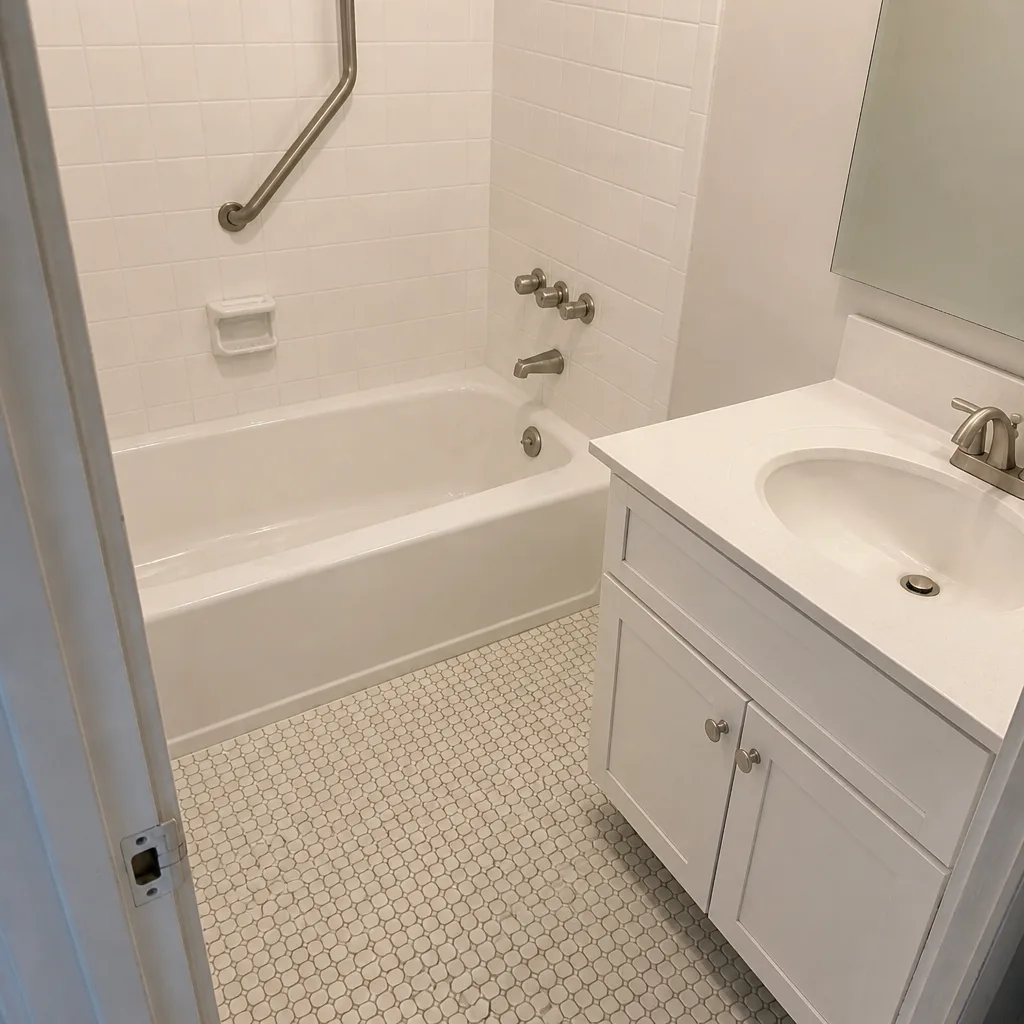
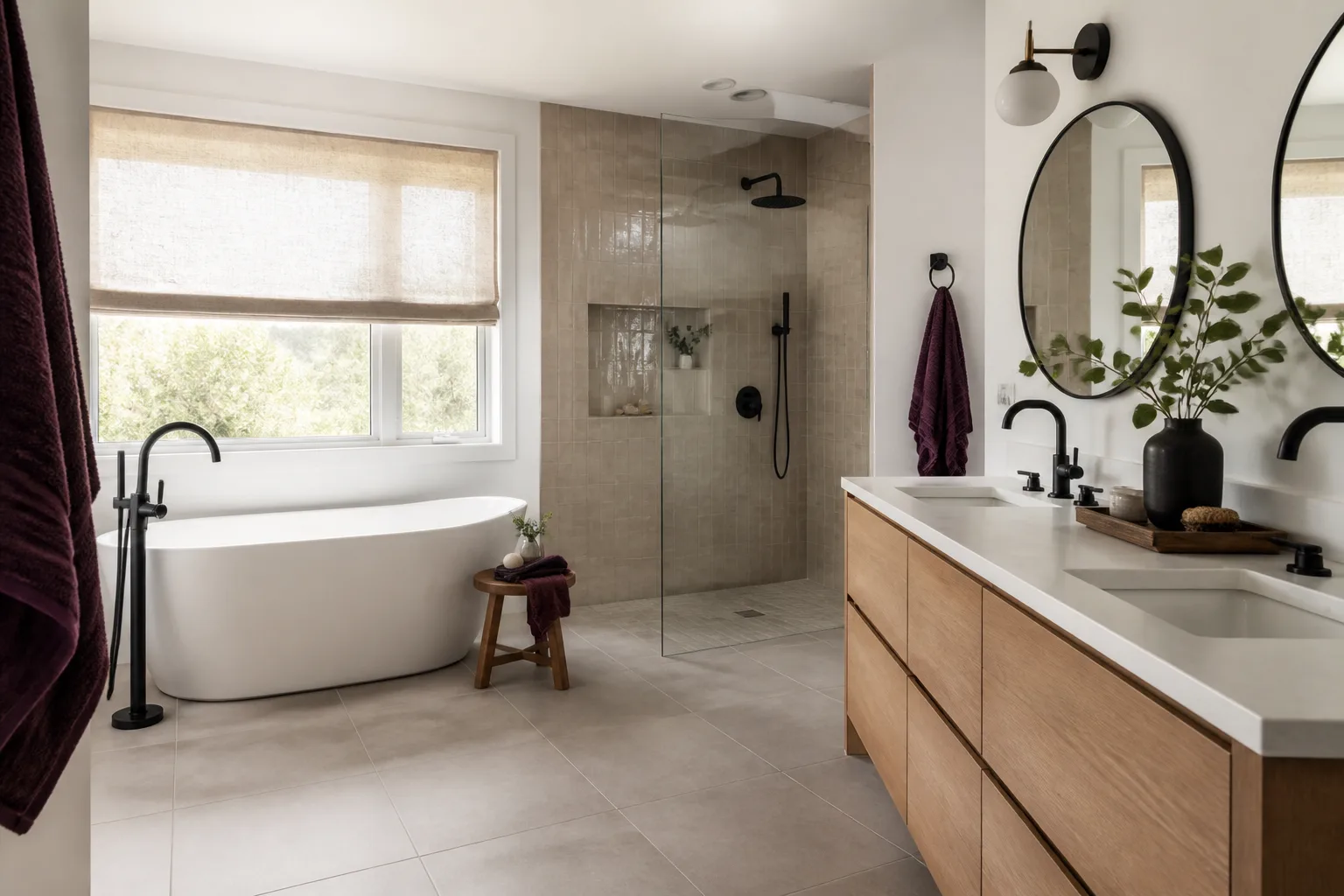
- Bathroom remodel: $18,000 to $40,000. A hall bath with a tub-to-shower conversion sits at the low end; a primary bath with a curbless shower, tile membrane waterproofing, and Kohler fixtures at the top. Moving the drain or converting a tub to a walk-in adds to both ends.
- Full home addition: $185 to $350 per square foot. A 500-square-foot addition lands roughly $95,000 to $175,000. The variables: foundation type (soils report drives this), roof tie-in complexity, and whether the addition carries its own HVAC, electrical, and plumbing runs.
- ADU (detached or attached): $150,000 to $300,000 for a 500 to 800 square foot unit. Detached ADUs carry utility trenching, a separate meter sometimes, and their own foundation. The low end fits a simple studio layout; the high end includes full kitchen and bath, separate entry, and landscape work.
- Re-roof: $9,000 to $22,000. Square footage, pitch, layer count (tear-off adds cost), and whether the deck needs repair all move the number. GAF and Owens Corning systems fall in the middle; upgraded underlayment and ventilation add to it.
- Fence installation: $35 to $75 per linear foot, depending on material. Aluminum and cedar sit higher than basic wood; a property-line survey and gate hardware add to the total.
For a deeper look at addition and ADU pricing variables, see the Home Additions & ADU in Torrance guide. Every number in this section is what a written quote should reflect as a flat price with a defined scope, not an allowance that drifts once work starts.
Neighborhood Realities: Old Torrance, North Torrance, and the South Bay Hills
Torrance covers a lot of ground, and construction realities shift block to block.
Old Torrance holds many homes from the 1920s through the 1950s. Those houses often have knob-and-tube or early wiring, undersized or absent insulation, and additions layered over the decades without permits on record. Any remodel should start with a records check and a careful look at what’s actually inside the walls before the scope is priced. In Natomas-equivalent terms, we regularly see spring-adjacent termite damage and old plumbing that turns a “simple” bathroom remodel into a full replumb once the tile comes off.
North Torrance has a large stock of mid-century tract homes from the 1950s and 1960s. The lots are tight, which makes fence line and easement questions common, and the slab foundations sit on soils that vary enough that a soils report on a major addition is not optional. Roofs here are often on their second or third layer, and a tear-off reveals deck condition that changes the scope.
The South Bay hills and west-side Torrance bring grade and drainage into the picture. Hillside lots need retaining walls and drainage designed together, and the marine layer leaves west-facing walls damp long enough that stucco detailing and window flashing have to be right.
For property-line fencing in these tight lots, Fence Installation in Torrance explains the survey and setback questions that come up before the posts go in.
Common Mistakes to Avoid
- Pricing a foundation without a soils report. A quote with a “typical” foundation allowance is a placeholder, and the real number arrives as a change order after the excavation. Get the report before you sign.
- Accepting a verbal change order. The most expensive sentence on a Torrance project is “just go ahead and do it, we’ll sort it out later.” No work proceeds on a change until the change order is signed, and that protects both sides.
- Skipping the permit for “small” work. Unpermitted additions and conversions turn up in Torrance records checks and complicate resale, financing, and insurance. The permit cost is almost always lower than the cost of remediating unpermitted work later.
- Specifying coastal materials by brand alone. A GAF shingle installed with the wrong fasteners and inadequate attic ventilation underperforms a mid-grade shingle installed correctly. The spec matters as much as the name.
- Hiring separate trades without a coordination plan. On multi-phase jobs, the homeowner becomes the general contractor by default, and the schedule and warranty gap falls on them.
- Ignoring the marine layer in exterior finish schedules. Stucco without a functioning weep screed, window flashing done in a rush, and untreated fasteners all show up as moisture damage a few years in.
- Treating a low bid as the cheapest price. A bid that lacks a written scope, a soils report, or a warranty is not comparable to one that includes them. Read the three-star reviews, then read the exclusions on the quote.
See the difference
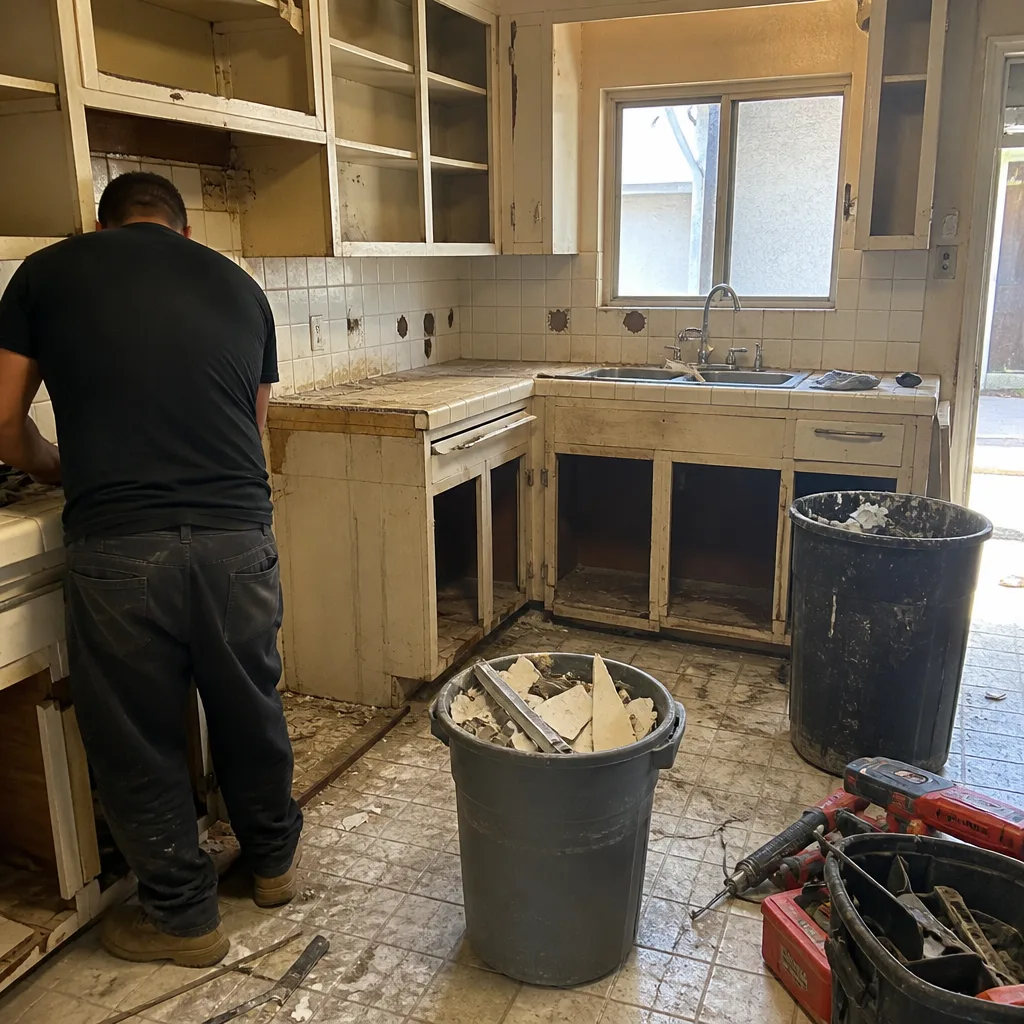 Before
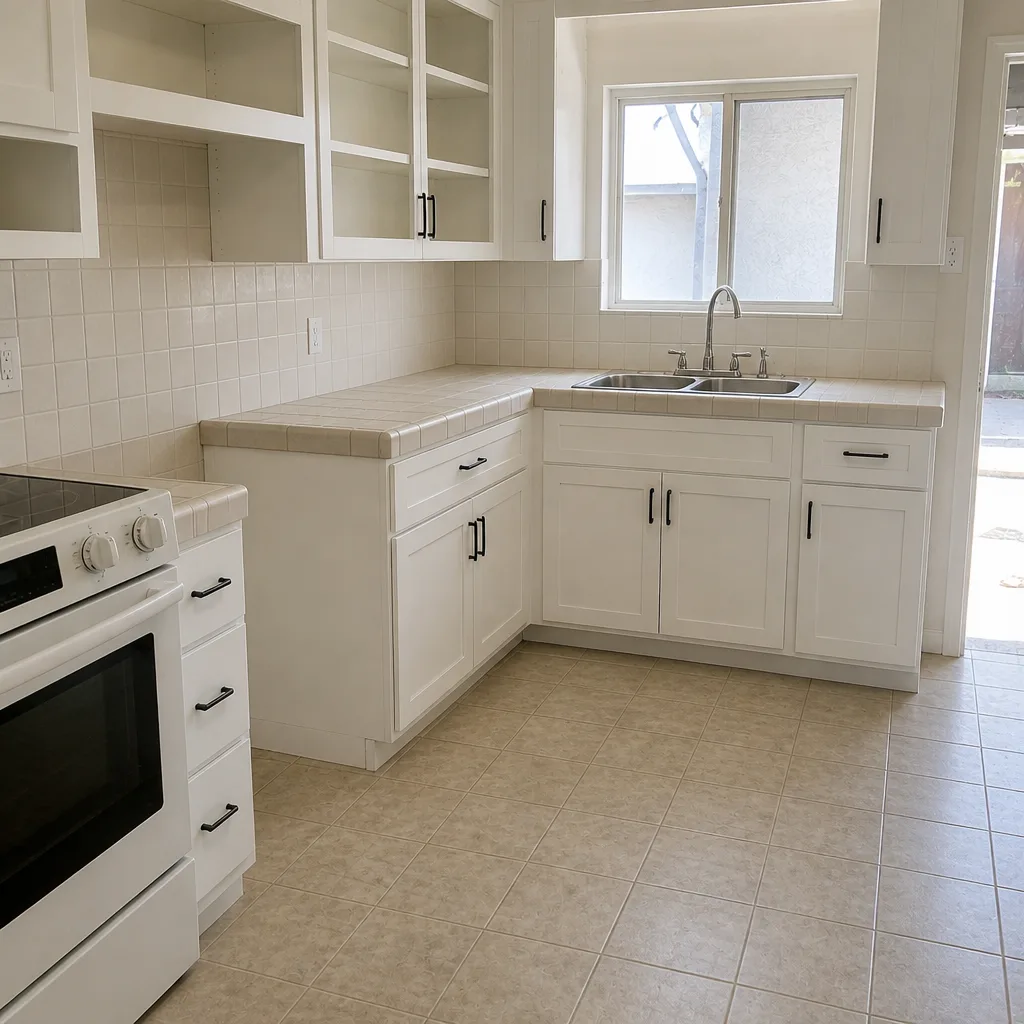 After
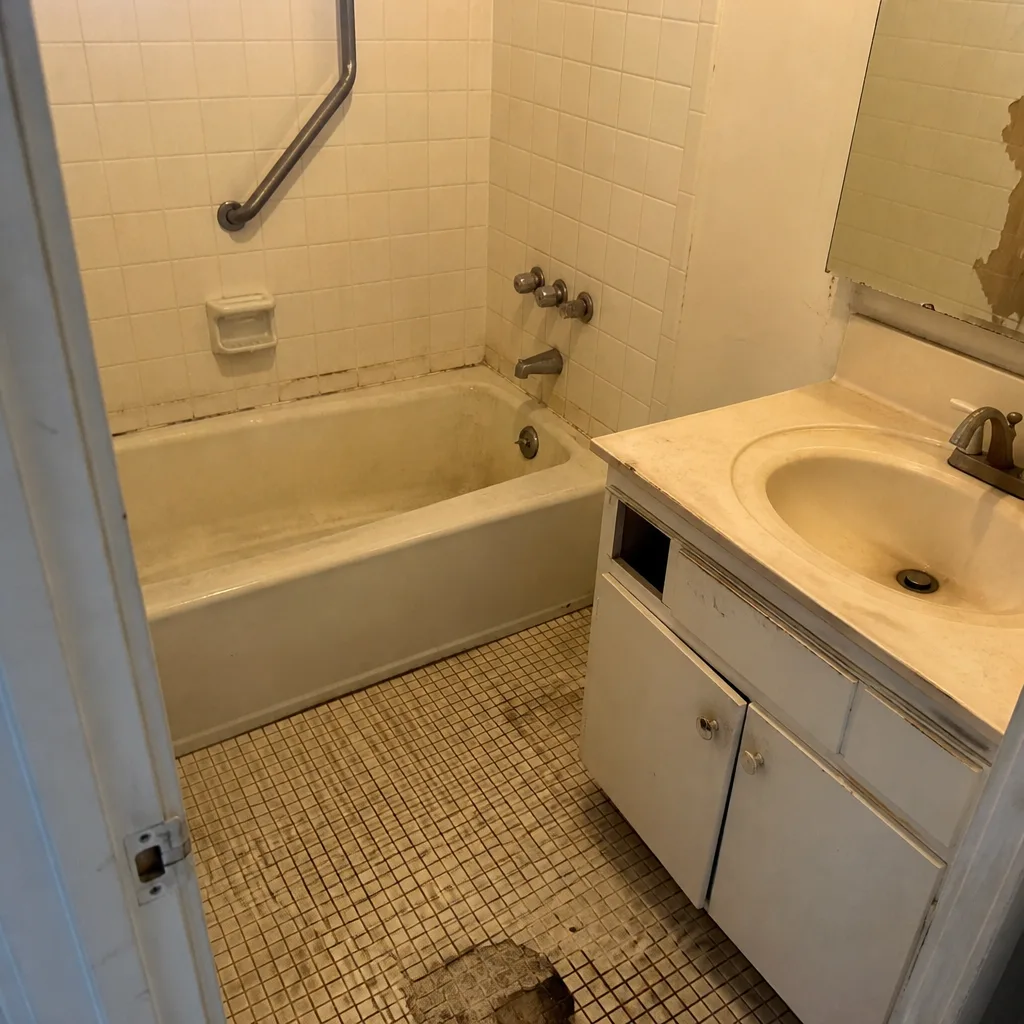 Before
 After
 Before
 After
When to Call a Professional
Call a licensed professional when the work touches structure, electrical, plumbing, gas, or the building envelope. That covers wall removal, foundation work, roof replacement, window and door replacement, additions, and ADUs. It also covers anything that needs a permit and inspection, because the inspection record is what protects your resale. Call us sooner rather than later if you’re facing a foundation concern, a moisture problem that’s spread into the walls, or a project that combines multiple trades. A free second opinion on a written estimate you already have is a good starting point; we’ll review it line by line at no charge and tell you what’s missing. Rowan Construction Group Torrance offers free estimates in Torrance – call (888) 349-6729 to schedule yours, and you’ll have a written price with a written scope before anyone picks up a tool. The Rowan Construction Group Torrance home page has the full list of trades we cover.
Frequently Asked Questions
A kitchen remodel in Torrance typically runs $45,000 to $95,000. The low end covers mid-grade cabinets, quartz counters, and new appliances without moving plumbing or gas; the high end reflects layout changes, structural wall removal, and premium finishes. Call (888) 349-6729 for an exact quote on your Torrance kitchen – estimates are free.
Yes, for most additions and any detached ADU, because expansive clay and compressible soils appear in several Torrance ZIP codes and the foundation design has to respond to them. A soils report runs roughly $1,800 to $4,500 and it’s the only way a foundation price is real rather than an allowance. Skipping it is how a project picks up an $8,000 to $20,000 change order later.
A kitchen or bath remodel with structural changes typically takes 6 to 10 weeks from complete submittal to permit in hand, and an addition or ADU runs 3 to 5 months including drawing preparation and plan review. The biggest variable is drawing quality: a complete submittal clears review in one or two cycles, while an incomplete one restarts the clock. Call (888) 349-6729 for a written timeline tied to your specific project.
No, as long as the change order discipline holds: the price is written before work starts, and no change proceeds until a change order is signed. That’s Clause 1 of the Haven Standard, and it’s the reason projects finish within a few percent of the agreed number. When something genuinely unexpected turns up, you’ll see it in writing before anyone touches it.
Hot-dipped galvanized or stainless fasteners, properly ventilated roof assemblies, three-coat stucco with a functioning weep screed, and powder-coated aluminum or cedar fencing hold up best in Torrance’s salt air and marine layer. Brand matters less than the spec: GAF and Owens Corning shingles perform well when the underlayment and fasteners are right, and Belgard or Techo-Bloc pavers outperform poured concrete when the base is built correctly.
Yes: under a single contract, all seven trades sequence against each other, one party owns the written warranty, and the written price and scope cover the whole project. That matters most on multi-phase work where a kitchen remodel touches plumbing, electrical, and finish carpentry. Call (888) 349-6729 for a free estimate that spells out every trade in writing.
The Bottom Line
A Torrance construction project succeeds or fails on a few decisions made early: a soils report before any foundation number is quoted, a complete permit submittal that clears review in one or two cycles, coastal-appropriate specs written into the contract, and a change order discipline that keeps the final number within a few percent of the agreed price. Get those right and the material choices, the trade sequencing, and the schedule all follow. Get them wrong and the invoices compound. The best defense is a written price, a written scope, and a documented record of what was done, before and after. Start with a free estimate and a free second opinion on any quote you already have.
Rowan Construction Group Torrance quotes every trade with a flat written price and a written scope before work begins, backs the work with the 365-Day Done Right Promise, and includes a documented photo record on every visit. Our technicians have up to 19 years of experience, and we’re licensed, insured, and bonded. Call (888) 349-6729 to schedule your free estimate in Torrance today.
Written by the team at Rowan Construction Group Torrance.