Last updated November 17, 2026


Free written scope consultation - allowances, timeline, and change-order rules on paper before a single trade is scheduled
Fence Installation Maintenance Schedule: What to Do and When
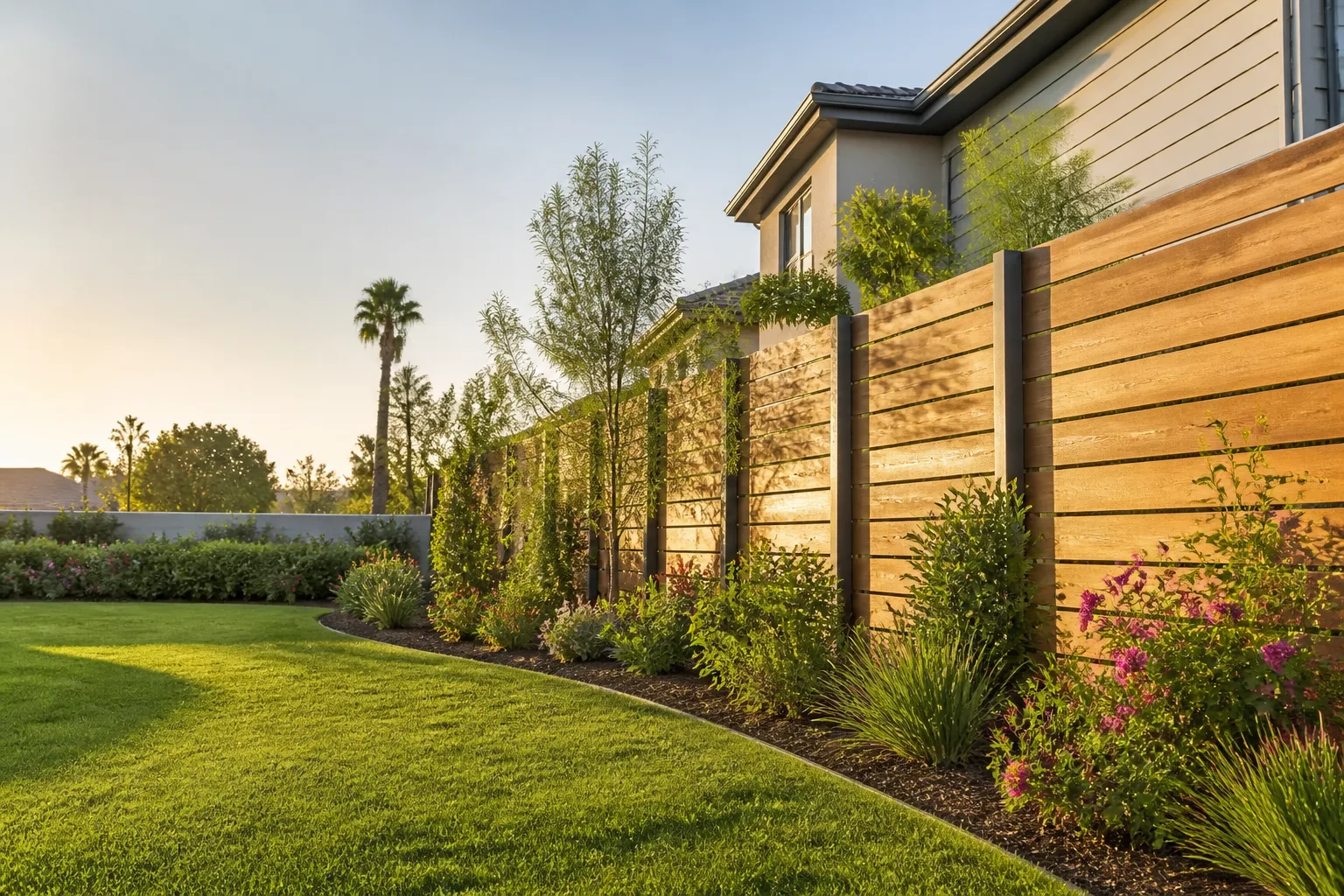
A new wood fence that isn’t sealed within 90 days of installation in a coastal environment like Torrance will begin to show grain-raising and checking – surface cracks that become permanent moisture pathways – before its first birthday. That single fact reshapes how you should think about fence maintenance. The schedule isn’t flat. It’s front-loaded. The first three years demand the most attention, when wood is still absorbing and releasing moisture through the marine layer cycle that rolls in off the Palos Verdes Peninsula most summer mornings. After the finish system establishes itself, the workload drops. Most guides treat every year identically, which leads homeowners to either over-maintain an established fence or underestimate the early years. This guide sets out a year-by-year plan, the hardware and post checks that prevent failures, and the records that keep a warranty intact.
Quick Answer
A wood fence in Torrance’s coastal climate needs sealing within 90 days of installation, a second coat at month 12, annual hardware and post-base inspections, and re-staining every 2 to 3 years once the finish system is established. Vinyl and aluminum fences need an annual wash and a documented inspection to keep manufacturer warranties valid. The first three years require the most work; years four and five lighten considerably if you’ve stayed on schedule.
Styles & brands we work with
- Kitchen remodeling
- Bathroom remodeling
- Home additions & ADU
- Roofing
- Windows & doors
- Driveway & pavers
- Fence
Table of Contents
- Why Coastal Torrance Treats Wood Fences Differently
- The Year-by-Year Schedule: First Five Years
- Annual Hardware Inspection: Galvanic Corrosion by Metal Type
- Stain vs. Paint vs. Clear Sealer: Intervals and Costs
- Post Base Inspection and Hardener vs. Replacement
- What Maintenance Records to Keep (and Why)
- Material-Specific Schedules: Vinyl, Aluminum, Composite
- Common Mistakes to Avoid
Why Coastal Torrance Treats Wood Fences Differently
Torrance sits in a marine-influenced band where the daily dew point and the afternoon dryout create a moisture cycling pattern you don’t get ten miles inland. A fence in Old Torrance or North Torrance along the 405 corridor absorbs atmospheric moisture overnight, then releases it under midday sun. Wood expands and contracts with each cycle. The grain raises. Hairline checks open into visible cracks. On a south- or west-facing fence, that cycling happens faster than on a shaded north run behind a garage.
The salt component matters too. Torrance properties closer to the coast, including the neighborhoods feeding into Redondo and the Hollywood Riviera edge, get airborne chloride landing on fasteners and the bottom rail. That’s where galvanic corrosion starts, and it’s why the hardware inspection below is not optional.
We’ve seen fences in Torrance fail at year four that should have lasted twelve, and the cause was almost always one of two things: no sealer in the first 90 days, or a post base that was never probed until the whole section leaned. Getting fence installation in Torrance right at the start sets the maintenance clock; if the fence is already up, the schedule below still applies from the day you start.
The Year-by-Year Schedule: First Five Years
Treat the first five years as three phases: establishment (year 1), verification (years 2 and 3), and steady state (years 4 and 5). The tasks differ because the wood’s condition differs. Here’s the schedule we walk Torrance homeowners through.
Year 1: Establishment
- Day 0-90: Apply the first penetrating sealer or stain coat. Wood needs to be dry, so allow 2 to 4 weeks of dry weather after installation before coating. Don’t skip this window.
- Month 6: Walk the fence line and probe the bottom rail and post bases for soft spots. Note any rust bloom on fasteners.
- Month 12: Apply the second coat. This is the coat that establishes the finish system. Check gate hardware alignment and hinge screws.
Year 2: Verification
- Wash the fence with a garden hose and a soft brush; avoid pressure washing at full strength on a young finish.
- Inspect all fasteners for corrosion (see the hardware section).
- Probe post bases again at grade level.
- Touch up any checking cracks with a penetrating coat before they open further.
Year 3: The Transition Year
If the finish is intact, re-stain the sun-facing runs only. Shaded runs often hold. This is the year the maintenance burden starts to drop, because you’re now maintaining a finish instead of stabilizing raw wood.
Years 4 and 5: Steady State
- Full re-stain every 2 to 3 years, timed to the finish’s condition, not the calendar.
- Annual hardware and post-base inspection continues.
- Replace any fastener showing active rust before it stains the wood or loosens.
Annual Hardware Inspection: Galvanic Corrosion by Metal Type
Fasteners fail before wood does, and the failure type tells you what to look for. Galvanic corrosion happens when two dissimilar metals meet moisture, and coastal Torrance gives you both. Inspect every screw, nail, bracket, hinge, and gate latch once a year, ideally in early fall before the rainy season.
- Zinc-plated: White powdery bloom is the first sign. Once you see red-brown rust climbing the head, replace it. Zinc-plated fasteners are the shortest-lived option in coastal air.
- Hot-dip galvanized: Look for dull grey mottling and flaking of the zinc coating. Surface dulling is normal; flaking or bare steel showing through is not. Replace flaking fasteners.
- Stainless steel: The most corrosion-resistant choice for coastal installs. Watch for tea-staining (light brown discoloration) which is usually surface contamination, not structural. Clean it, don’t replace it.
Replace any fastener that shows active rust, not just discoloration. And check gate hinges in particular, since they carry load and a corroded hinge can drop a gate. If your fence was installed with mixed metals (galvanized brackets and stainless screws, for example), watch those junctions first. When we install fencing, we spec the fastener to the environment, and stainless is standard on the coastal edge of Torrance.
Stain vs. Paint vs. Clear Sealer: Intervals and Costs
The finish you choose sets your maintenance interval. Here’s the honest tradeoff, with approximate costs for a 100-linear-foot reapplication in the Torrance market.
| Finish | Reapplication Interval | Approx. Cost per 100 Linear Ft | Adhesion Failure Signs |
|---|---|---|---|
| Penetrating oil stain | 2-3 years | $250-$450 | Fading color, water no longer beads, wood looks dry |
| Solid-body stain | 3-5 years | $400-$650 | Peeling at top rail and board edges, chalking |
| Paint | 4-6 years | $500-$850 | Blistering, cracking, peeling in sheets |
| Clear sealer | 1-2 years | $200-$400 | Water soaks in instead of beading, grey wood showing |
Penetrating oil stain is the right default for Torrance coastal wood because it moves with the wood as it cycles. Solid stain and paint build a film that resists moisture but can fail in sheets when it does, and film failure is more expensive to correct than a re-oil. Clear sealer is the lightest option and needs reapplication most often; it’s a reasonable choice if you want the natural wood tone and don’t mind the frequency.
Adhesion failure shows up first at the top rail and the bottom board, where moisture enters and exits. If you can lift an edge of finish with a putty knife, it’s failing. Scrape, sand, and re-coat the failing run rather than coating over it. A full fence re-stain is also a good moment to review a Driveway & Pavers in Torrance border if the fence line meets hardscape, since the two finishes age at different rates and a shared edge is where both need attention.
Post Base Inspection and Hardener vs. Replacement
Post bases are where fences fail, and the inspection is quick if you do it right. Probe grade-level wood with a screwdriver or awl, not a hammer. Press the point into the wood at the soil line and slightly above it, on all four faces. Sound wood resists; soft wood gives and the tool sinks. Do this gently so you don’t puncture sound material and create an entry point for moisture.
- Probe all four faces of each post at grade level.
- Mark any soft spot with a pencil and note its depth.
- If softness is less than about a quarter inch deep and localized, a penetrating wood hardener can consolidate it.
- If softness extends inward or the post wiggles when you push the top, replace the post.
Hardener is a consolidant, not a repair: it stiffens soft fibers but doesn’t restore structural strength once rot has advanced. Applying hardener to a post with rot below the soil line is wasted effort, because the decay continues below grade where you can’t reach it. Evaluate the post as a structural element, not just a cosmetic one. If in doubt, replace. A new post costs far less than a collapsed section, and Rowan Construction Group Torrance home lays out how we approach structural decisions across the trades we handle.
What Maintenance Records to Keep (and Why)
Records are the difference between a warranty claim that’s honored and one that isn’t. For vinyl and aluminum fences carrying manufacturer warranties from makers like Bufftech or Jerith, documented care is frequently a condition of coverage. Keep the following in a single folder, physical or digital:
- Installation date and materials list, including the manufacturer and product line of the fence and hardware.
- Finish reapplication dates, with the product name and the date applied.
- Inspection notes from each annual hardware and post-base check, including any fasteners replaced.
- Photos of the fence at installation and at each re-coat, showing the condition at the time.
- Warranty documentation for both the material and any workmanship coverage.
The reason is simple: a warranty adjuster will ask what care was performed and when. A homeowner who can produce a dated re-stain record and photos at the time of installation has a claim. A homeowner who says “I think we stained it a couple of years ago” often does not. Under Clause 1 of our Haven Standard, we deliver a written scope and a documented photo record on every job, and we encourage the same discipline in the maintenance years that follow.
Material-Specific Schedules: Vinyl, Aluminum, Composite
Wood gets the most attention, but the other materials have their own rhythms.
- Vinyl: An annual wash with a garden hose and mild soap removes the marine film that dulls the surface. Inspect post caps and rail joints for popped fasteners. No sealing required. Records matter most here because vinyl warranties from makers like Bufftech are long and conditional.
- Aluminum: Powder-coated aluminum from Jerith or ActiveYards needs an annual wash and a check of the weld points and gate hinges. Touch up any scratch down to bare metal with the manufacturer’s touch-up paint within the season to prevent corrosion at the breach.
- Composite: Wash annually; check for movement at the posts and loose fasteners. Composite doesn’t rot but can fade, and fading that exceeds the manufacturer’s specification is a warranty matter, so keep records.
For a full boundary project that spans fencing and hardscape, the material choices interact; a paver border set against a vinyl run, for instance, changes how water drains at the base and where you should focus inspections. The point across all materials is the same: inspect on a schedule, record what you find, and keep the record.
Common Mistakes to Avoid
- Sealing immediately after installation. Fresh pressure-treated wood is still wet and needs a few weeks of dry weather to reach the right moisture content before coating. Sealing too early traps moisture and causes the finish to fail from underneath.
- Pressure washing a young finish. Full-strength pressure washing strips a new coat and drives water into seams. A garden hose and soft brush handle a coastal fence fine.
- Coating over failing finish. Painting or staining over peeling or chalking finish looks good for a season and then fails worse. Scrape and prep first.
- Skipping the post-base probe. Torrance homeowners often clean and coat the boards beautifully while a post rots below grade. The probe takes seconds and catches the failure that matters most.
- Ignoring mixed-metal fasteners. A galvanized bracket with a stainless screw is a corrosion cell waiting for the first marine dew. Spec fasteners for coastal air from the start.
- Discarding warranty paperwork. Vinyl and aluminum warranties are long and conditional. Without the records, coverage is hard to claim.
- Treating every year the same. A five-year-old fence with an established finish needs far less work than a six-month-old fence. Match effort to the phase.
See the difference
 Before
 After
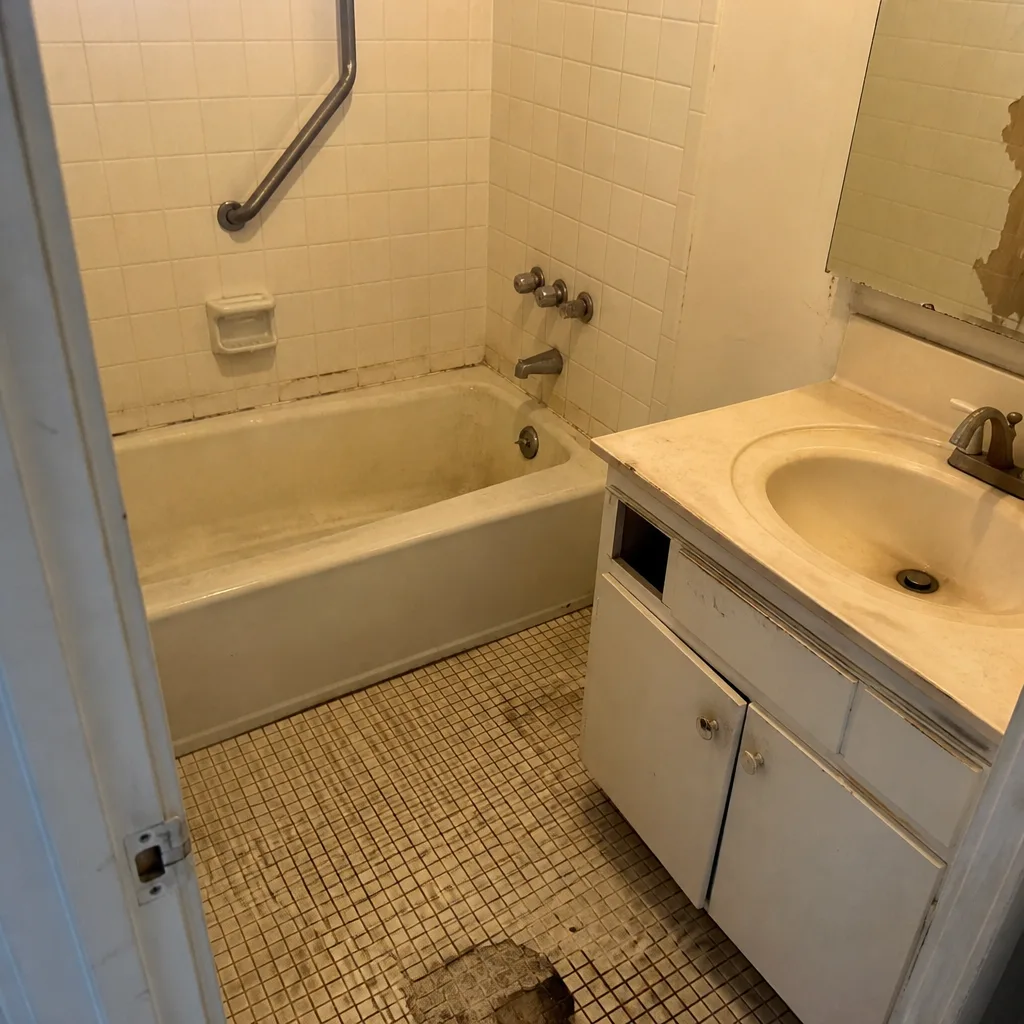 Before
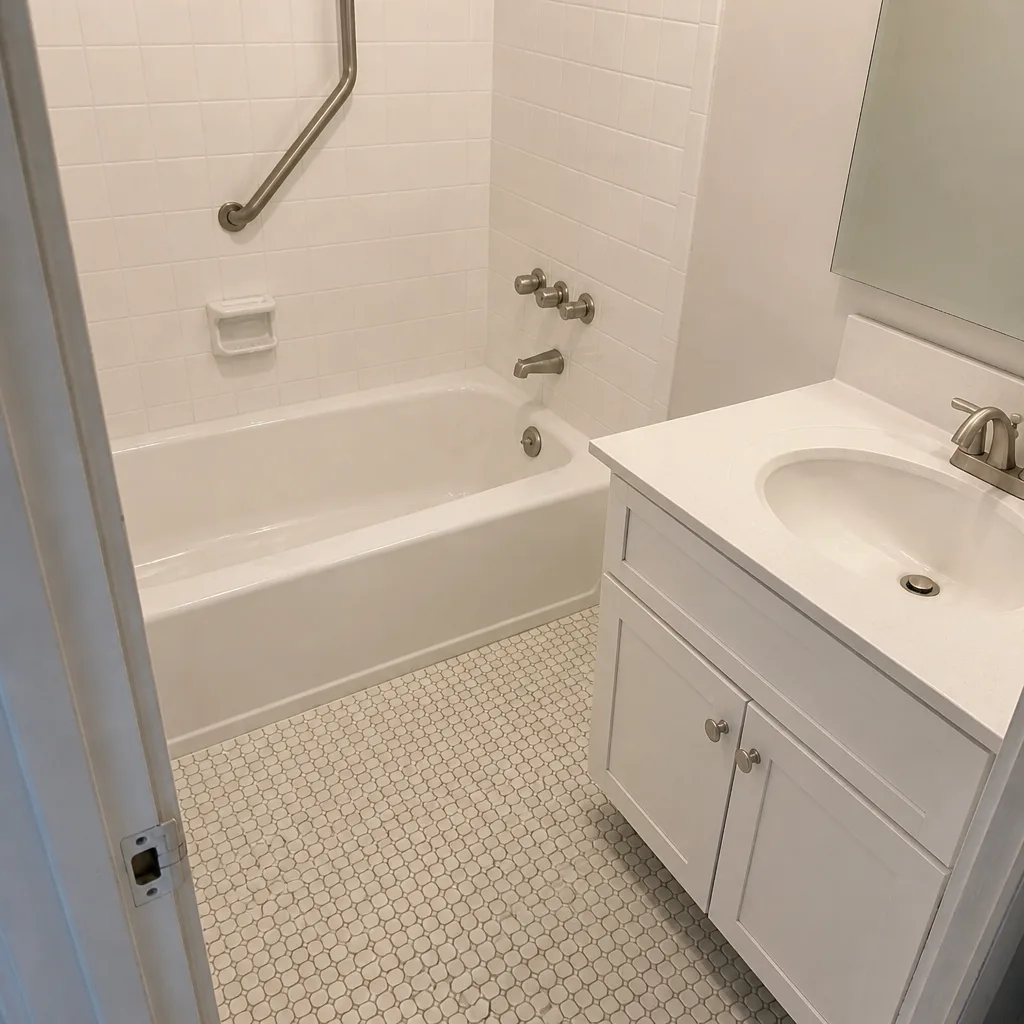 After
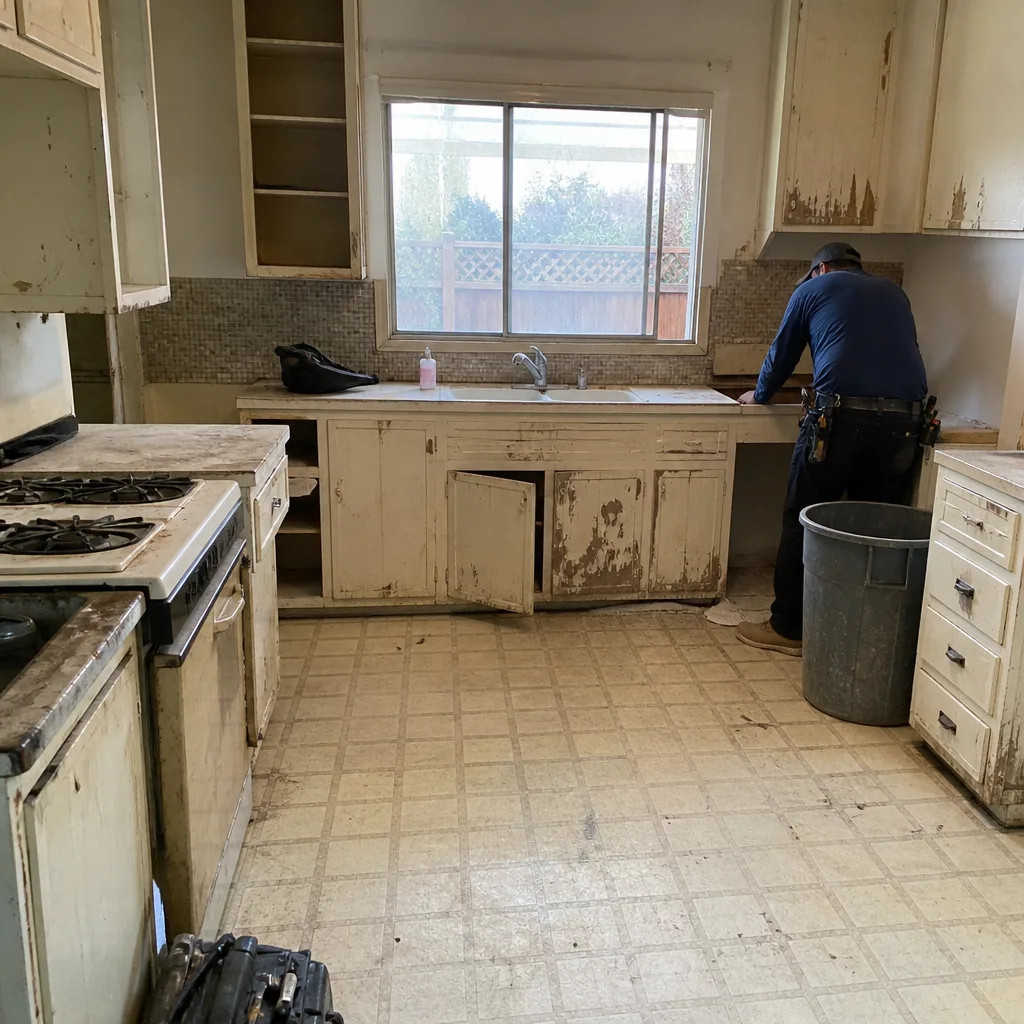 Before
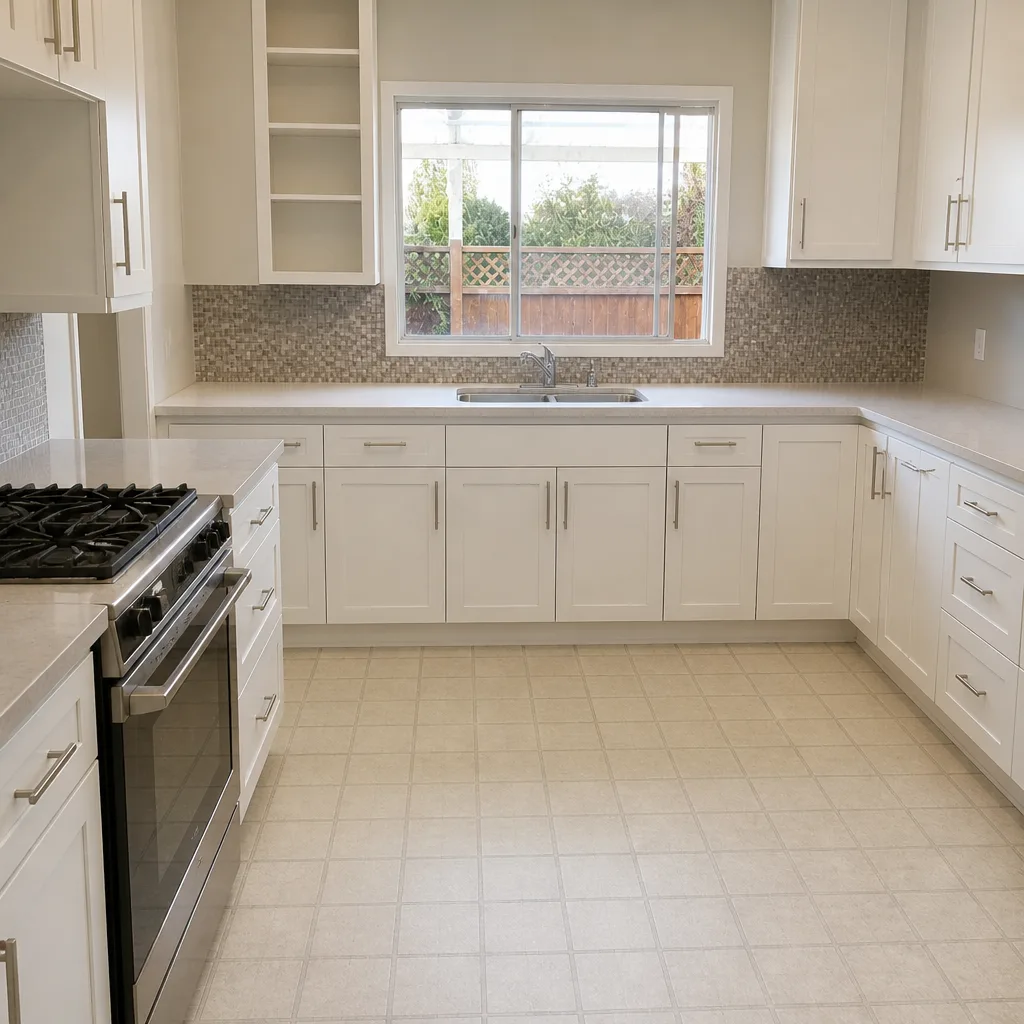 After
When to Call a Professional
Some of this work is straightforward annual upkeep. But call a professional when you find any of the following: a post that wiggles when you push the top; rot below grade that a hardener won’t fix; fasteners that keep corroding despite replacement; a fence line leaning or racking after a storm; or finish failure across more than a couple of runs, which usually signals a moisture problem at the source. Structural repairs and full re-stains go faster and last longer with a crew that does them routinely. Our technicians have up to 19 years of experience across the seven trades, and we handle both the repair and the re-finish under one written scope. Rowan Construction Group Torrance offers free estimates in Torrance – call (888) 349-6729.
Frequently Asked Questions
Within 90 days of installation, after allowing 2 to 4 weeks of dry weather for the wood to reach the right moisture content. Sealing before the wood dries traps moisture and causes the finish to fail. The 90-day window is the single most important maintenance decision in a fence’s life in this climate.
Every 2 to 3 years once the finish system is established, with a second coat at month 12 during the first year. Sun-facing runs may need re-coating a year sooner than shaded runs. Check for water no longer beading and for fading color as your cue. Call (888) 349-6729 for a free estimate on a full re-stain.
White powdery bloom on zinc-plated screws is the first sign, followed by red-brown rust climbing the head. Hot-dip galvanized fasteners show dull grey mottling and flaking of the zinc coat. Stainless steel typically shows only light tea-staining, which cleans off. Replace any fastener with active rust or flaking.
Only if the softness is shallow and localized, less than about a quarter inch deep. Hardener consolidates soft fibers but doesn’t restore structural strength. If rot extends below grade or the post wiggles when pushed, replace it. Our crews assess this on every repair visit and put the recommendation in writing before any work starts.
Yes, if you want to claim the manufacturer warranty. Vinyl warranties from makers like Bufftech are long and frequently conditional on documented care. Keep the install date, material list, annual wash dates, and photos. The same discipline applies to powder-coated aluminum from Jerith or ActiveYards.
No, if the scope is written correctly. Under Clause 1 of the Haven Standard, the price is written before anyone picks up a tool, and no work proceeds on a change without a signed change order. That’s the discipline that keeps our projects within a few percent of the agreed cost. Bring a competitor’s quote and we’ll review it line by line at no charge through our free second-opinion offer.
The Bottom Line
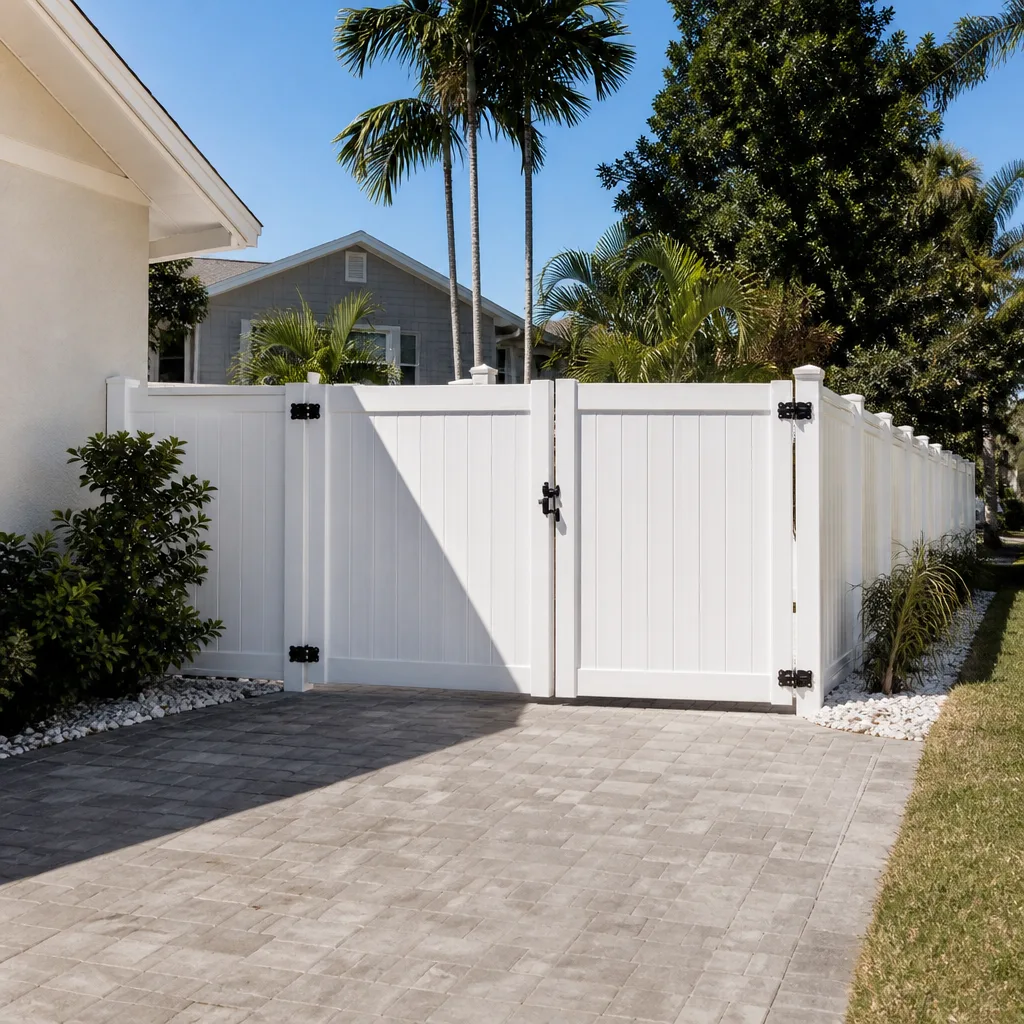
Fence maintenance in Torrance is front-loaded. The first 90 days and the first three years do the most to determine how the fence ages, because that’s when wood is most vulnerable to the moisture cycling that comes with coastal air. Seal early, re-coat at month 12, inspect hardware and post bases every year, and match your finish to the environment rather than the calendar. Once the finish system is established, the workload drops. The homeowners who keep it simple and documented end up with fences that outlast their neighbors’ by years. If you’d rather hand the schedule to a crew that records what it does, Rowan Construction Group Torrance is a call away at (888) 349-6729 for a free estimate on repairs, re-finishing, or a Home Additions & ADU in Torrance project where the fence line is part of the plan.
Written by the team at Rowan Construction Group Torrance.