Last updated November 17, 2026

Free written scope consultation - allowances, timeline, and change-order rules on paper before a single trade is scheduled
DIY vs Professional Bathroom Remodeling: What’s Safe to Do Yourself
A shower tile job that drips into the subfloor for six months can turn an insurance claim into a denial, and tile work isn’t the reason. The waterproofing membrane under that tile needed a permit, and nobody pulled one. We’ve seen this pattern play out in Torrance more than once: a homeowner saves $2,400 on labor, then faces $11,000 in subfloor and framing repairs with no coverage. This guide draws the DIY-versus-hire line where liability starts, not where skill ends. You’ll get the exact tasks California lets you self-perform, the ones that require a licensed contractor, real cost numbers on both sides, and how the City of Torrance actually inspects a bathroom permit.
Quick Answer
In Torrance, you can legally DIY cosmetic work – paint, vanity swaps on existing plumbing, tile above the waterproofing membrane, fixtures swapped like-for-like – without a permit. Anything touching the waterproofing membrane, moving a drain or supply line, relocating a toilet, adding a circuit, or altering structural framing requires a licensed contractor and a City of Torrance building permit. The dividing line isn’t skill. It’s whether a mistake creates a liability your homeowner’s insurance won’t cover.
Styles & brands we work with
- Kitchen remodeling
- Bathroom remodeling
- Home additions & ADU
- Roofing
- Windows & doors
- Driveway & pavers
- Fence
Table of Contents
- Where California Draws the Permit Line
- The Bathroom Tasks You Can Legally Do Yourself in Torrance
- The Waterproofing Membrane Is the Line in the Sand
- Real Cost Comparison: Vanity Swap vs. Wax Ring Failure
- What Torrance Building & Safety Actually Inspects
- How to Scope a Hybrid Project the Right Way
- What Happens to Your Insurance Claim
- Common Mistakes to Avoid
- When to Call a Professional
- Frequently Asked Questions
Where California Draws the Permit Line
The California Contractors State License Board (CSLB) is blunt about this: any work on a bathroom that involves structural changes, plumbing relocation, or electrical circuits requires a licensed contractor with the right classification – typically a B (general building) or C-36 (plumbing) license. Cosmetic work on existing, functioning systems is generally yours to handle. The gray zone is waterproofing, and that’s where most DIY projects go wrong.
Here’s the split we walk homeowners through whenever the conversation starts in Torrance:
- No permit, no license required: Paint, wallpaper, caulk replacement, swapping a vanity top on the existing cabinet, replacing a showerhead, swapping a faucet aerator, regrouting existing tile, replacing a toilet seat or flush valve.
- Permit and licensed contractor required: Any plumbing rough-in change (moving the toilet flange, relocating the drain, adding a supply line for a second sink), any waterproofing membrane installation or replacement, any change to the shower pan, any new electrical circuit or GFCI in a wet zone, any framing modification, any window or exterior door replacement in the wet wall.
- Case-by-case: Replacing a tub with a walk-in shower, converting a tub to tile, moving a vanity to a new wall. These involve penetrating the waterproofing layer or the drain assembly, and both usually pull a permit.
One detail that catches Torrance homeowners: the City of Torrance requires a permit for any waterproofing membrane installation because the inspection is tied to the shower pan flood test. Skip the permit and you skip the test – which means you also skip the documentation an insurance adjuster will ask for later. That’s the core of why we treat this as a liability decision, not a skill one.
The Bathroom Tasks You Can Legally Do Yourself in Torrance
A meaningful percentage of what makes a bathroom feel new is genuinely within reach of a careful homeowner with a level, a drill, and patience. Here’s the honest shortlist we give people when they ask what’s realistic to self-perform:
- Paint and trim. Bathroom-rated paint (satin or semi-gloss), new baseboard, a fresh coat on the door. Zero permit exposure, meaningful visual payoff.
- Vanity top swap on an existing cabinet. If the drain and supply lines don’t move, you can swap a top for a pre-drilled slab – Cambria and Caesarstone both fabricate tops for standard 48- and 60-inch vanities. Measure the existing rough-in before you order.
- Cabinet hardware and faucet replacement. Swapping a faucet at the same supply connection is standard DIY work. Turning the angle stops first is the step most people skip.
- Toilet seat, flush valve, and supply line. Not the wax ring or the flange – those sit below the tile line.
- Tile and finish work above a completed waterproofing membrane. Once a licensed contractor has installed and flooded the membrane, setting tile and grouting is fine to self-perform if you’re patient.
- Mirror, lighting fixture swap at an existing junction box, towel bars, and accessories. A fixture swap at an existing box is generally allowed; adding a new box in the wet zone is not.
- Regrouting and recaulking. The cheapest anti-leak maintenance you can do. Use a mold-resistant silicone at the tub or shower base joint, not grout.
What ties this list together: none of it moves water. It finishes water that’s already in the right place. For the bigger picture of how single-trade bathroom work fits into a larger renovation, see our page on Rowan Construction Group Torrance home.
The Waterproofing Membrane Is the Line in the Sand
If you remember one section of this guide, make it this one. The waterproofing membrane – the sheet or liquid-applied layer between the substrate and the tile – is where a DIY bathroom remodel either becomes a weekend project or a five-figure remediation. Everything above the membrane is often fine to self-perform. Everything touching structural or plumbing penetrations below it is not.
Here’s why: the membrane has to be continuous. It has to lap over the shower pan liner, wrap the curb, and tie into the drain flange with a specific clamping ring sequence. A pinhole in the wrong spot under the tile won’t show for months. By the time it does – usually a soft spot in the subfloor, a musty smell, or a bubbling baseboard in the adjacent room – you’re replacing framing, not caulk. And in a Torrance house built in the 1960s or 70s, the subfloor is often 5/8-inch plywood over a raised foundation, which means water gets into the crawl space where you may not notice it for a year.
Three specific tasks we will not advise anyone to DIY:
- Shower pan installation and membrane tie-in. This must be done by someone who understands the flood test and will pass a City of Torrance inspection.
- Moving a drain or supply line in a wet wall. Any rough-in plumbing change. Full stop.
- Cutting or modifying a structural joist to fit a new tub or shower drain line. This is where a screwdriver becomes a safety problem, and where the permit exists to catch it.
The right way to frame it: a DIY tile job is fine, but only on top of a membrane someone licensed installed and someone in Torrance inspected. That’s the exact scope we handle as a licensed contractor – see our Bathroom Remodeling trade page for the full sequence.
Real Cost Comparison: Vanity Swap vs. Wax Ring Failure
The math on DIY bathroom work isn’t evenly split. On some jobs, self-performing saves real money. On others, one wrong step costs more than the entire professional labor bill. Here’s a comparison based on what we see in Torrance homes:
- Vanity top swap, DIY vs. hired: Save roughly $400 – $700 in labor. Low risk if the plumbing doesn’t move. The work itself is a half-day.
- Interior paint in a 5×8 bath, DIY: Save roughly $600 – $900 in labor. Zero permit exposure. The risk is cosmetic.
- Tile above a contractor-installed membrane, DIY: Save roughly $1,200 – $2,400 in labor. Worth doing if you’re patient. The risk is finish quality, not liability.
- Waterproofing membrane, DIY on an unpermitted basis: Save typically $800 – $1,600 in labor. Risk if it fails: $6,000 – $14,000 in subfloor, framing, and finish remediation, plus an insurance claim that may be denied for unpermitted work.
- Wax ring seal under a tile floor, done poorly: The visible failure typically shows up 4 – 18 months later. By that point the damage has spread under adjacent flooring and sometimes into the wall cavity.
The pattern is clear. The DIY-safe work is above the water line and above the permit line. The high-risk work is the waterproofing membrane and the plumbing penetrations – which is exactly the work that pulls a permit. When you’re ready for the plumbing, waterproofing, and permit-handling portion of a Torrance remodel, our team quotes a flat written price before any work starts – that’s the Haven Standard, Clause 1.
What Torrance Building & Safety Actually Inspects
The City of Torrance Building & Safety division runs a defined inspection sequence on a bathroom remodel permit. Knowing what they check tells you exactly where a DIY project is most likely to get flagged – and exactly which steps you should hand off. Typical sequence:
- Rough-in plumbing inspection. Drain and supply line layout, slope on the drain, and the presence of proper cleanouts. This is where a DIY relocations gets bounced.
- Rough framing and electrical inspection. If a wall moves or a circuit is added, they want to see the framing and the GFCI wiring before it’s covered.
- Waterproofing membrane inspection with flood test. The pan is filled with water and left for typically 24 hours; the inspector confirms no drop in level. This is the single most important inspection, and it’s the one a DIY tile-only job skips entirely.
- Final inspection. Fixtures installed, GFCI tested, venting and clearances correct.
What gets flagged on common DIY jobs in Torrance: unpermitted shower pan replacements discovered at resale; missing flood test documentation; drains moved without a plumbing rough-in inspection; a new lighting circuit added without a permit. Each of those turns into a disclosure item at sale, or worse, a claim denial. It’s also why we insist on a documented photo record on every visit – so that if anything is ever questioned, there’s a dated photo of the membrane before tile went over it. If you’re adding a bathroom or expanding one, that’s Home Additions & ADU in Torrance territory, and the permit sequencing is similar.
How to Scope a Hybrid Project the Right Way
The most cost-effective bathroom remodel we see in Torrance is a hybrid: licensed trades handle the permit-exposed work, the homeowner handles the finish work, and everyone agrees on the handoff point in writing before the first fixture comes out.
Here’s the sequence we recommend:
- Scope the split up front. Decide, in writing, exactly which steps are contractor-performed and which are self-performed. The handoff point is almost always the moment the membrane passes its flood test.
- Pull the permit in the licensed contractor’s name. The permit holder must be the licensed contractor doing the permit-exposed work. If you pull it yourself as an owner-builder, you own all of the inspection risk.
- Sequence the plumbing and waterproofing first. Rough-in, then membrane, then flood test, then approval.
- Document the handoff. Photographs of the membrane before tile. The signed inspection card. A dated note of which work was contracted and which was self-performed.
- Do the finish work. Tile setting, grout, paint, vanity top, hardware, light fixture swap at existing boxes. You’re working on top of a certified substrate.
- Keep the documentation. This is what a future buyer’s inspector and your insurance adjuster will ask for. Unpermitted bathroom work is one of the most common disclosure issues we see at resale in Torrance.
If you’d like to review that split with us before you start buying materials, our standing offer is a Free Second Opinion on any written estimate – bring a competitor’s quote and we’ll review it line by line at no charge.
What Happens to Your Insurance Claim
This is the part of the DIY conversation most remodeling content skips. Homeowner’s insurance policies include a “reasonable standard of care” clause and, in most standard HO-3 forms, an exclusion for damage caused by work that required a permit but was performed without one. In plain English: if unpermitted waterproofing fails and water damages your subfloor and the ceiling below, the adjuster can deny the water damage portion of the claim – not because the tile was bad, but because the underlying work wasn’t permitted.
We’ve seen two versions of this in Torrance. The first is a slow leak that surfaces 18 months after a DIY shower pan install; the adjuster asks for the permit, none exists, and the claim is denied. The second is a resale issue: a buyer’s inspector flags unpermitted work, the sale is delayed while the seller retro-permits, and the cost runs well past what the original DIY saved. Both are avoidable with a single phone call to the City of Torrance before the first tile comes off the wall.
A general rule we give homeowners: whether or not you’ll self-perform the finish work, pull the permit. The permit isn’t a tax on your labor – it’s the evidence trail that makes your insurance and resale disclosures hold up.
Common Mistakes to Avoid
- Treating the waterproofing membrane as a DIY step. It isn’t. It’s the exact place a five-figure remediation starts, and the exact place a Torrance inspection is supposed to catch a failure before tile covers it.
- Skipping the permit to save a few hundred dollars. The permit fee is small next to the coverage risk. An unpermitted shower pan is a disclosure item at resale and a potential claim denial.
- Replacing a wax ring without checking the flange. In a raised-foundation Torrance home from the 60s, the flange is often rusted or cracked – a new wax ring on a bad flange leaks again within a year.
- Cutting a joist to fit a drain line. Never. This is structural, and it’s exactly why the permit exists. Call a licensed plumber.
- Assuming “I only did the tile” is a defense. If the tile sits on a membrane you installed, you own the membrane. The insurance finding doesn’t separate them.
- Buying a pre-fab shower pan without measuring the existing rough-in. Drain center and the width between studs must match exactly. Measure twice, order once.
- Forgetting the GFCI. Any new outlet or fixture within 6 feet of a water source needs GFCI protection under California code. Skipping it is a permit fail and a real hazard.
When to Call a Professional
Call a licensed contractor when the work crosses any of these lines: waterproofing membrane installation or replacement, shower pan or tub-to-shower conversion, plumbing rough-in changes, drain or supply line relocation, electrical circuit work in the wet zone, structural framing changes, or any window or door replacement in the wet wall. Call us when you’re ready to pull a permit and you’d like the plumbing and waterproofing phases handled cleanly with the finish work handed off to you on a documented date. Rowan Construction Group Torrance offers free estimates in Torrance – call (888) 349-6729. Every quote is a flat written price with a written scope and a written warranty, and no work proceeds on a change until the change order is signed. Whether you’re remodeling a single hall bath or scoping a larger renovation across multiple trades, the estimate is free and it’s honest. For related planning, see our pages on Driveway & Pavers in Torrance and Fence Installation in Torrance if your project extends to the exterior.
Frequently Asked Questions
Paint, tile above an existing membrane, vanity top swaps on existing plumbing, faucet and fixture swaps at existing connections, toilet seat and flush valve replacement, and accessory installation all generally fall below the permit line in Torrance. Anything that moves water – plumbing rough-in, drain relocation, waterproofing membrane installation, shower pan replacement – requires a City of Torrance permit and a licensed contractor. Call (888) 349-6729 for a free second-opinion review of any quote before you decide what to self-perform.
It can. Standard homeowner’s policies typically exclude water damage caused by work that required a permit but was performed without one. The denial isn’t automatic – it depends on your policy form and the adjuster’s findings – but a Torrance homeowner with a failed DIY shower pan and no permit is in a materially worse position than one with a permitted and inspected installation. Getting the permit is the low-cost way to keep coverage intact.
The professional labor portion of a typical Torrance hall bath remodel runs roughly $8,000 – $18,000 of a total project cost, depending on scope and finish level. A DIY-only cosmetic refresh – paint, vanity top, tile on a certified substrate – saves roughly $2,500 – $4,500 in labor with no permit exposure. The cost of a failed DIY waterproofing job typically runs $6,000 – $14,000 in remediation. Call (888) 349-6729 for a flat written quote on the professional scope – estimates are free.
Four typical inspections: rough-in plumbing, rough framing and electrical, waterproofing membrane with a flood test (usually 24 hours), and final. The flood test is the one that catches the DIY failures, and it’s the one a tile-only DIY job never conducts. If your contractor is handling the permit, they should walk you through each inspection before it happens.
Only if the membrane was installed by someone who understands the flood test and it passed a City of Torrance inspection. Tile setting above a properly certified membrane is a reasonable DIY task. Install the membrane yourself and the risk shifts entirely to you – same labor savings, five-figure downside if the membrane fails under 18 months of daily shower use.
Not without a signed change order. Under Clause 1 of the Haven Standard, the written price comes before any work starts, and no change proceeds until the change order is signed. That’s the discipline that keeps projects within a few percent of the agreed number. Call (888) 349-6729 for a written line-item quote.
The Bottom Line
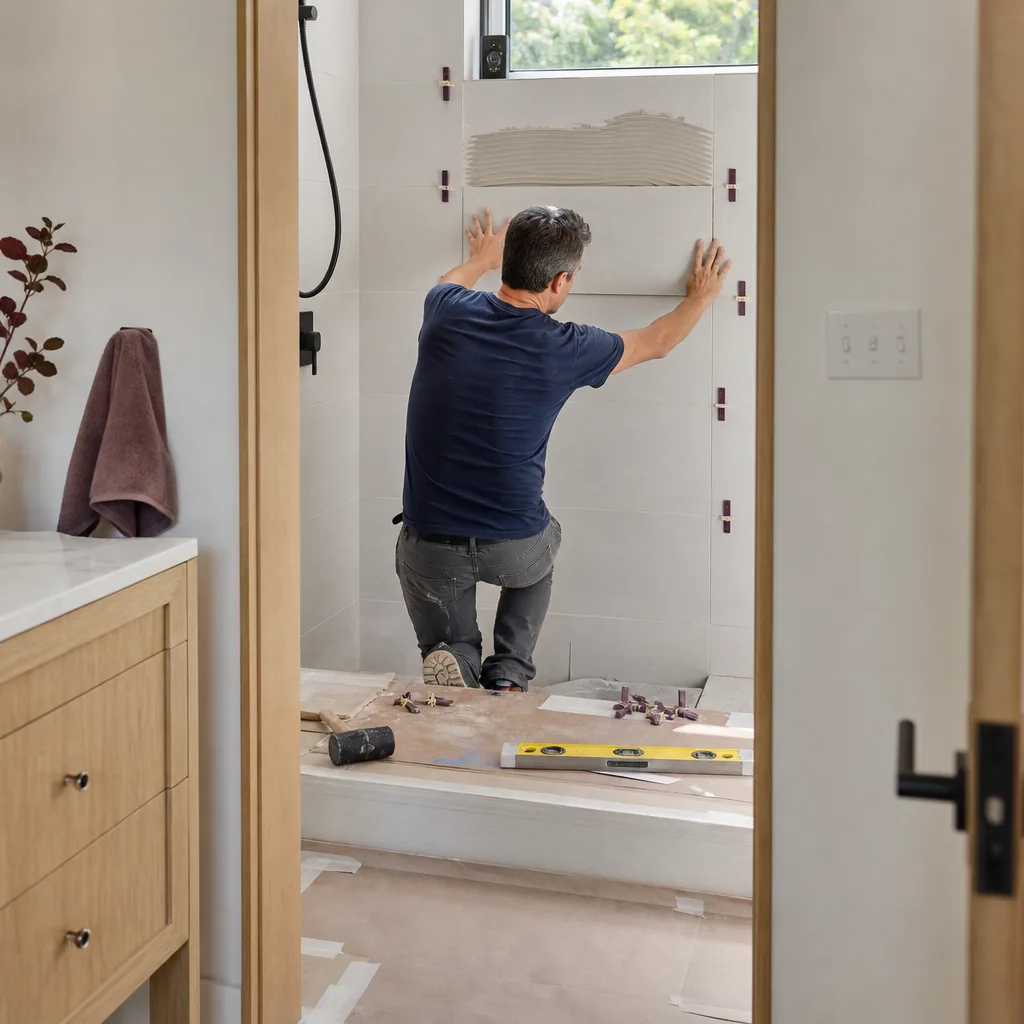
DIY bathroom remodeling is safe when the work is cosmetic and sits above the waterproofing membrane. It becomes a liability the moment it touches the membrane, the plumbing rough-in, the electrical wet zone, or the framing – not because a homeowner can’t hold a trowel, but because a mistake there becomes an uninsured claim and a resale disclosure item. Pull the permit. Do the finish work yourself if you want the labor savings. Hire the licensed trades for the work that requires inspection, and get the handoff in writing with photos of the membrane before tile goes over it. That’s the split we run on every bathroom we touch in Torrance, and it’s the split that keeps both your coverage and your resale clean. Call (888) 349-6729 for a free estimate and a flat written price before any work begins.
Written by the team at Rowan Construction Group Torrance.
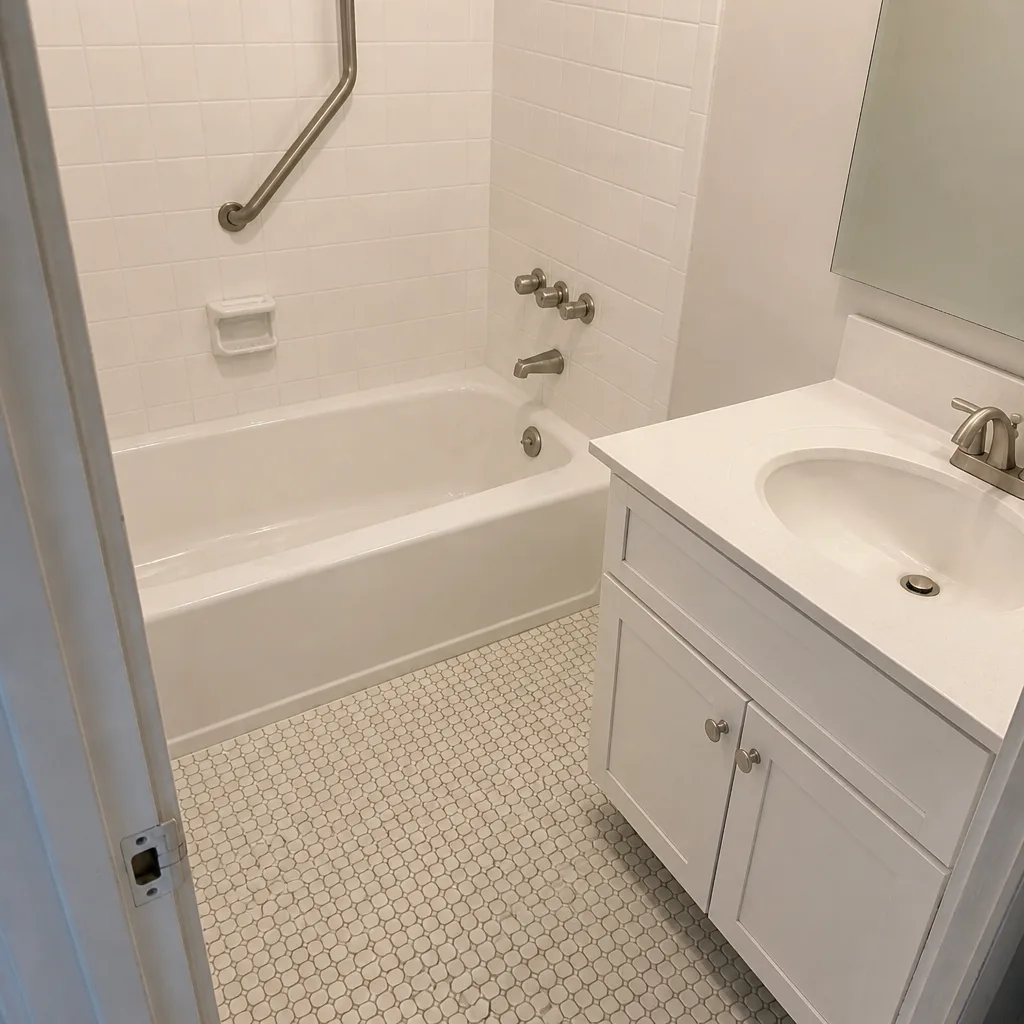
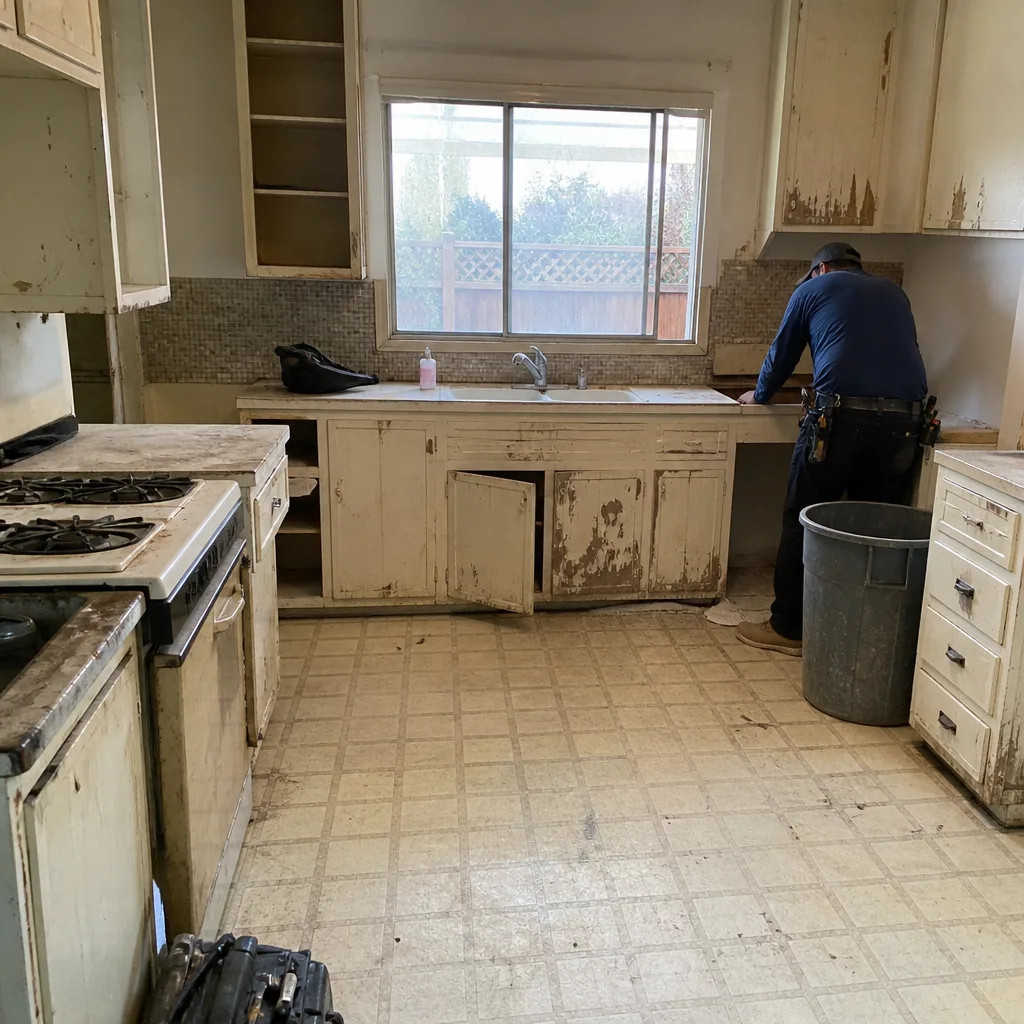
See the difference
 Before
 After
 Before
 After
 Before
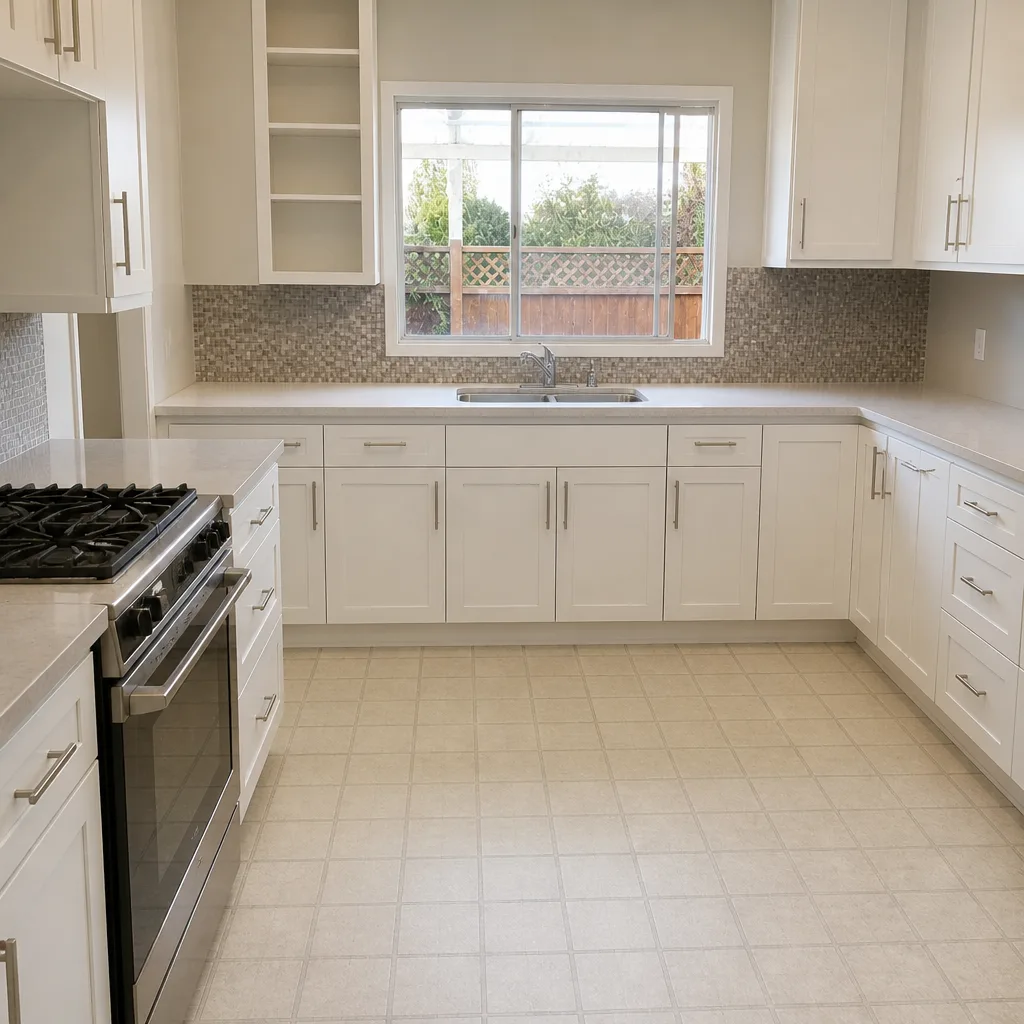 After