Last updated November 17, 2026
Free written scope consultation - allowances, timeline, and change-order rules on paper before a single trade is scheduled
DIY vs Professional Fence Installation: What’s Safe to Do Yourself
A fence built by a careful DIYer with correctly set posts will outlast a fence built by a careless professional with posts set an inch out of plumb. That single fact reframes the whole decision. Most guides draw the line at “panels or no panels,” and they get it wrong. The real threshold is underground: the posts, the concrete, the depth, the plumb. Once those are set true, almost everything above grade is owner-manageable work. This guide walks through exactly where that line sits, what a 150-foot wood fence actually costs each way in the Torrance market, and the three DIY failures we get called back to correct most often.
Quick Answer
Building fence panels, attaching boards, hanging a gate on already-set posts, and staining are safe DIY work for a confident homeowner with a helper and a weekend. Setting posts plumb and at correct depth in concrete is not – it needs two people, correct sequencing, and a mistake there means full re-excavation. If you’re unsure about the post line or your fence needs a permit, hiring out the post-setting (or the whole job) is the honest call.
Styles & brands we work with
- Kitchen remodeling
- Bathroom remodeling
- Home additions & ADU
- Roofing
- Windows & doors
- Driveway & pavers
- Fence
Table of Contents
- Why post-setting is the real skill threshold
- What’s genuinely safe to do yourself
- Permits in Torrance: what happens when a fence isn’t permitted
- Cost comparison: 150 linear feet of wood fence
- The three DIY scenarios that need professional correction
- When to call a professional
- Frequently asked questions
Why Post-Setting Is the Real Skill Threshold
Setting a fence post correctly means it’s plumb on two axes at once – front-to-back and side-to-side – while concrete is wet, while the post is heavy, while you’re holding a level against a curved or textured surface. That’s a two-person job. One person holds the post steady; the other checks both axes, taps the post with a mallet to correct, rechecks, then braces it. Solo post-setting almost always produces at least one post that’s an inch or more out of plumb by the time the concrete sets. You won’t notice it until the panels go up and the gap along the top rail wanders.
Depth matters as much as plumb. In Torrance, frost depth isn’t the concern – our soil is sandy loam in the flats and clay-heavy toward the hills – but wind load is. A 6-foot privacy fence in an exposed yard catches serious wind. Posts need to sit in concrete at least 24 inches deep for a 6-foot fence, 30 inches for anything taller, with a gravel base for drainage before the concrete goes in. Skip the gravel and water pools at the base of the post and rots it from the inside out in 5 to 7 years.
Here’s the sequencing a two-person crew runs, which is the part DIY guides skip:
- String a line between end posts at the exact height and position – the whole fence tracks this line.
- Dig the holes, add 4 inches of gravel, tamp it.
- Set the post, brace it with two stakes and a diagonal brace, then check plumb on both axes with a 4-foot level.
- Pour concrete, re-check plumb while the concrete is still wet, adjust with a mallet if needed.
- Leave the brace on for 24 to 48 hours until the concrete cures.
That brace step is the whole game. Skip it and the post drifts.
What’s Genuinely Safe to Do Yourself
Once posts are set and cured, the work above grade is straightforward and forgiving. A homeowner with a circular saw, a drill, a level, and a weekend can handle the following:
- Panel assembly – 3 to 5 hours for 150 linear feet. Cedar or pressure-treated dog-ear panels attach to rails with exterior screws. Even a first-timer gets a clean run.
- Board-on-board or horizontal slat fencing – 1 to 2 weekends. Slower than panels, but every board is independent. A board slightly off is fixable without touching the post.
- Gate hanging on pre-set posts – 2 to 3 hours. Uses a gate kit and hinges. The gate should clear 2 inches above grade and swing freely; adjust hinges rather than plane the gate.
- Staining or sealing – 4 to 6 hours for 150 linear feet. This is the highest-ROI DIY task on the list. A fresh fence in Torrance should be stained within 2 to 4 weeks of installation; skip it and the UV and marine humidity take the surface grain within 18 months.
- Post caps, trim, and a kickboard along the base – these protect the fence from string trimmer damage and add years of life.
The tools you’ll need: circular saw or miter saw, cordless drill with driver bits, 4-foot level, tape measure, string line, post-hole digger (the manual kind is fine), and a wheelbarrow for moving concrete if you mix it yourself. Budget 8 to 12 hours of active work for a 150-foot panel fence – call it a weekend plus a half-day.
Permits in Torrance: What Happens When a Fence Isn’t Permitted
In Torrance, a fence up to 6 feet tall in a rear or side yard generally doesn’t require a building permit. Anything over 6 feet, any fence in a front setback, and any fence on a corner lot with sight-line requirements typically does. The rule that catches people: a fence over 6 feet in a residential zone usually needs a permit and often a variance, and a fence on a slope or retaining wall has its own review path.
Skip the permit and the fence is fine until you sell. Then it becomes a disclosure item. We’ve walked into home sales in Torrance where the buyer’s inspector flagged a 7-foot privacy fence installed without a permit, and the deal stalled for 3 to 6 weeks while the seller scrambled. The typical remediation path:
- Retroactive permit application – $250 to $600 in fees, plus plan review and inspection time.
- If the fence doesn’t meet current code (height, setback, materials), the city can require modification or removal – cost varies from $500 to $3,000 depending on scope.
- If the buyer’s lender won’t close with an unpermitted structure, the sale pushes out and the seller often eats a rate-lock extension.
For properties in Torrance, the honest move is to size the fence to the code-allowed height (6 feet in most rear and side yards) or pull the permit before you build. A permit for an over-height fence runs less than the retroactive fix almost every time. Our Fence Installation in Torrance page covers the height and setback rules in detail.
Cost Comparison: 150 Linear Feet of Wood Fence
Online cost estimates for DIY fences routinely leave out tool rental, concrete, disposal, and the hidden time cost. Here’s the honest comparison for a 150-linear-foot, 6-foot cedar privacy fence in the Torrance market.
DIY Materials and Out-of-Pocket
- Posts (13 at 4x4x8 cedar): $520 to $700
- Panels (13 pre-built or equivalent lumber): $2,200 to $3,000
- Rails, hardware, concrete (80-lb bags, ~3 per hole): $450 to $650
- Stain or sealer: $180 to $280
- Tool rental (post-hole digger, mixer if needed, mallet): $120 to $220
- Disposal (hauling old fence and debris): $150 to $350
DIY all-in: $3,620 to $5,200. Time cost: 20 to 30 hours of actual work plus a second set of hands on post day.
Professional Installation
- Full install, materials and labor, 150 linear feet: $6,000 to $9,500 depending on material tier (cedar versus pressure-treated), gate count, and demo of an existing fence.
- Post-setting only, with homeowner completing the rest: $1,800 to $3,200.
That post-setting middle option rarely appears in cost comparison articles, but it’s the honest recommendation for a confident DIYer. You pay a crew to do the part that requires skill and two people, then finish the rest yourself. The savings against a full install run $2,000 to $3,500 and the fence is still set by professionals. Our Driveway & Pavers in Torrance team often works alongside fences at the same property, and the same sequencing logic applies – set the hardscape base first, finish the surface second.
If you want the materials side quoted honestly with brands like Belgard or Techo-Bloc for hardscape finishes at fence base lines, the brand depth matters more than the marketing. We quote fence materials the same way.
The Three DIY Scenarios That Need Professional Correction
In our experience across Torrance fence work, three failure modes account for most of the “DIY gone wrong, please fix” calls we take. Each has a known remediation cost and a clear prevention step.
1. Out-of-Plumb Posts (One to Three Posts)
Concrete sets, the panel goes up, the top rail wanders by 1 to 2 inches over a 20-foot run. The fix means cutting the post at grade, digging out the concrete collar, and resetting. Typical remediation: $350 to $700 per post, plus panel re-alignment.
2. Post Rot From Missing Gravel Base
Post set directly on soil or concrete with no drainage layer. Water pools at the base, the wood rots from inside, the post snaps off at grade within 5 to 7 years. Typical remediation: $400 to $900 per post, plus soil treatment. This one is completely preventable – 4 inches of gravel at the bottom of every hole.
3. Gate Sag on Insufficient Post Anchorage
Gate posts are the highest-load posts on the fence. A 4×4 gate post set 18 inches deep will lean within a season. Typical remediation: $600 to $1,200 to dig, reset, and reinforce with a 6×6 gate post. Prevention: gate posts always go 6×6, always set 30 inches deep, always in concrete.
The pattern across all three: the cost to correct is roughly the cost to do it right the first time, plus the cost of the work you already did. That’s the DIY risk ledger. Our Home Additions & ADU in Torrance work frequently touches fence lines on lot-coverage plans, and the same care around post anchorage and foundation sequencing applies.
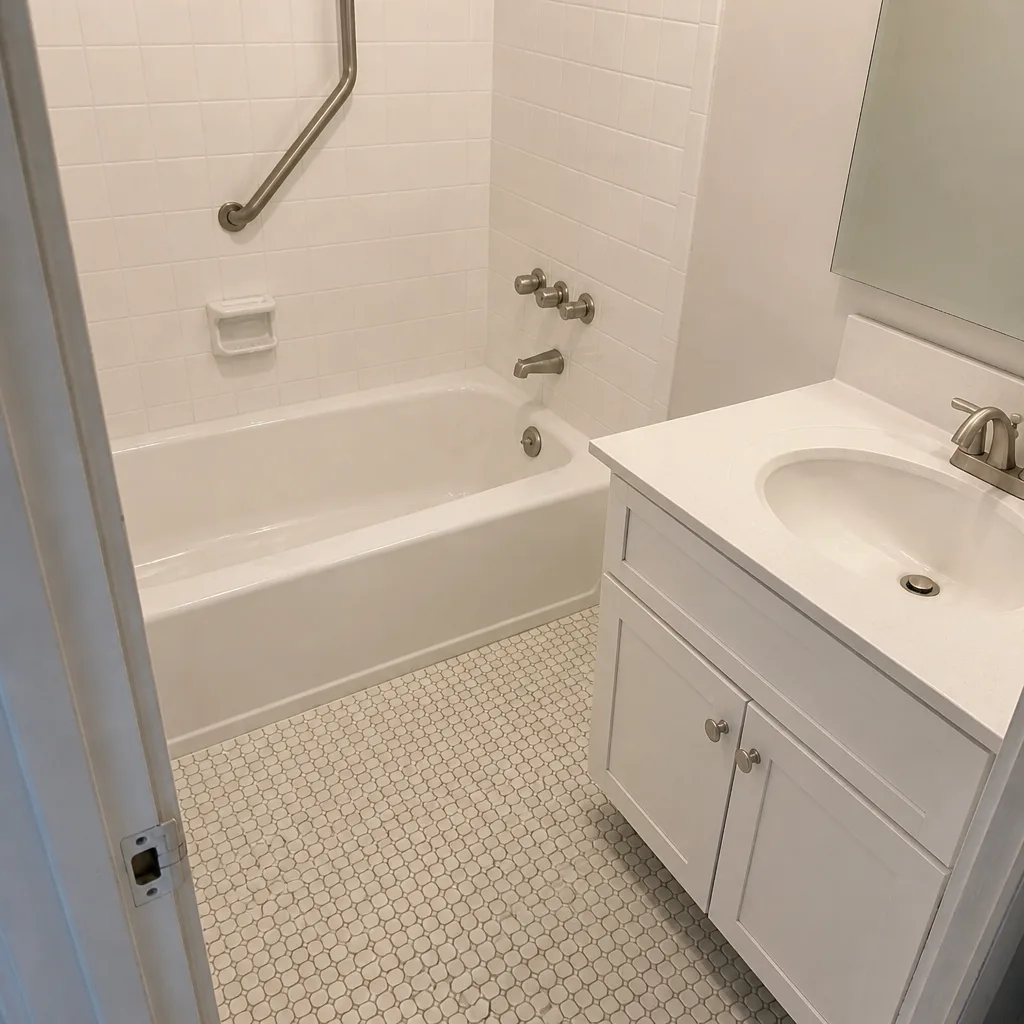
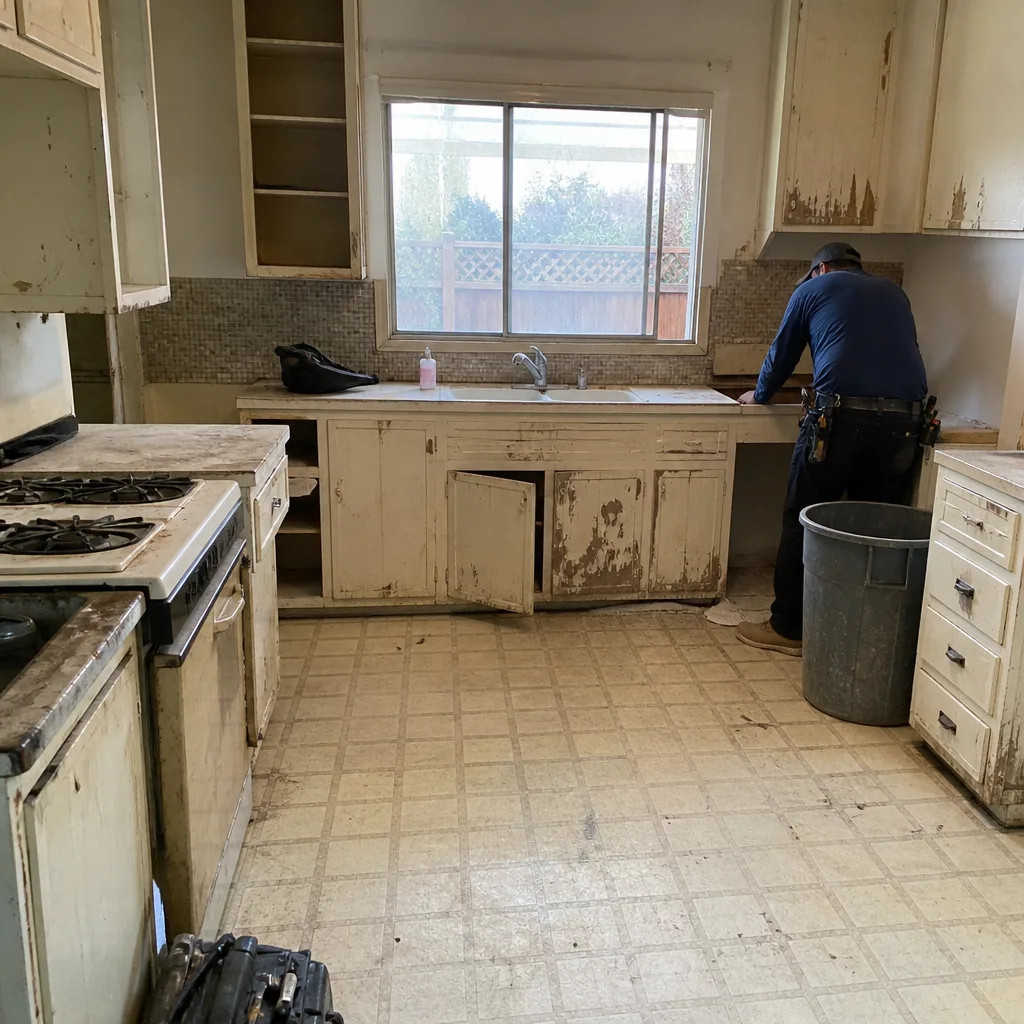
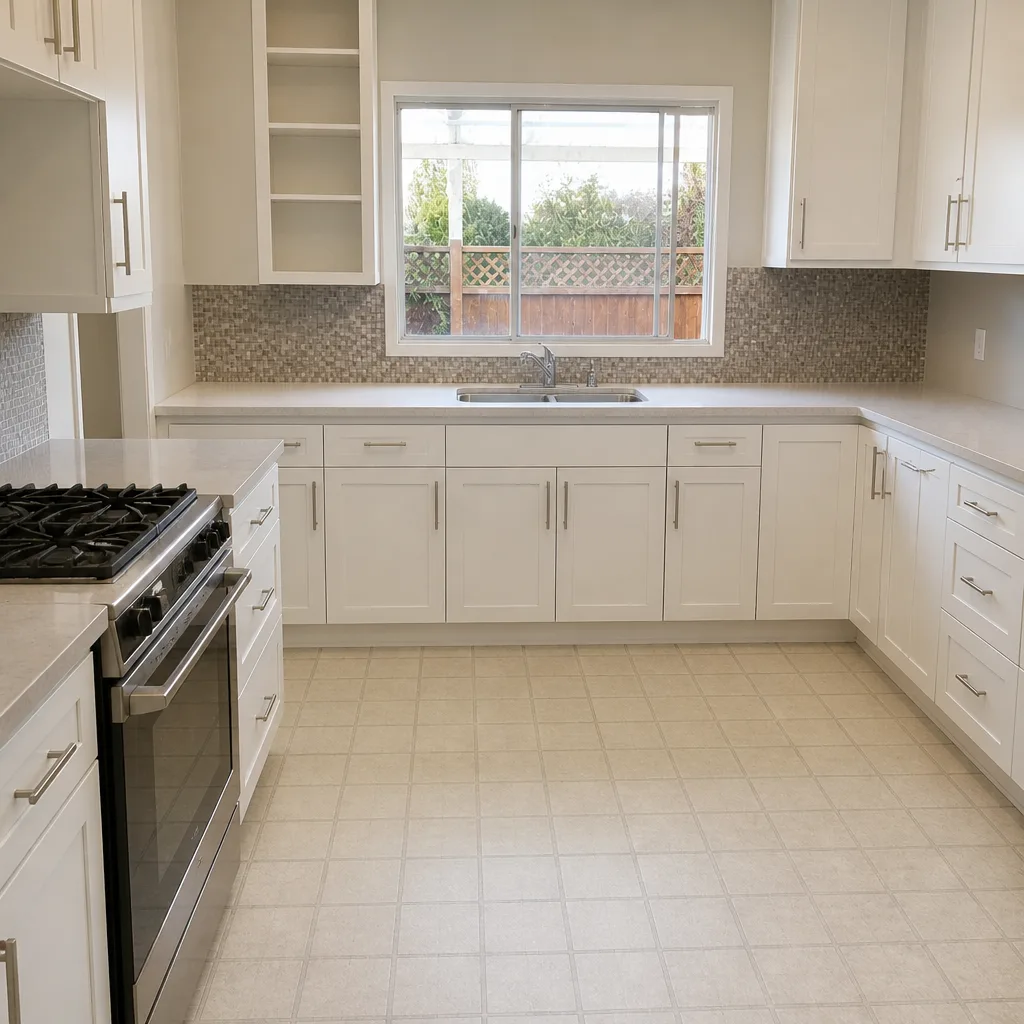
See the difference
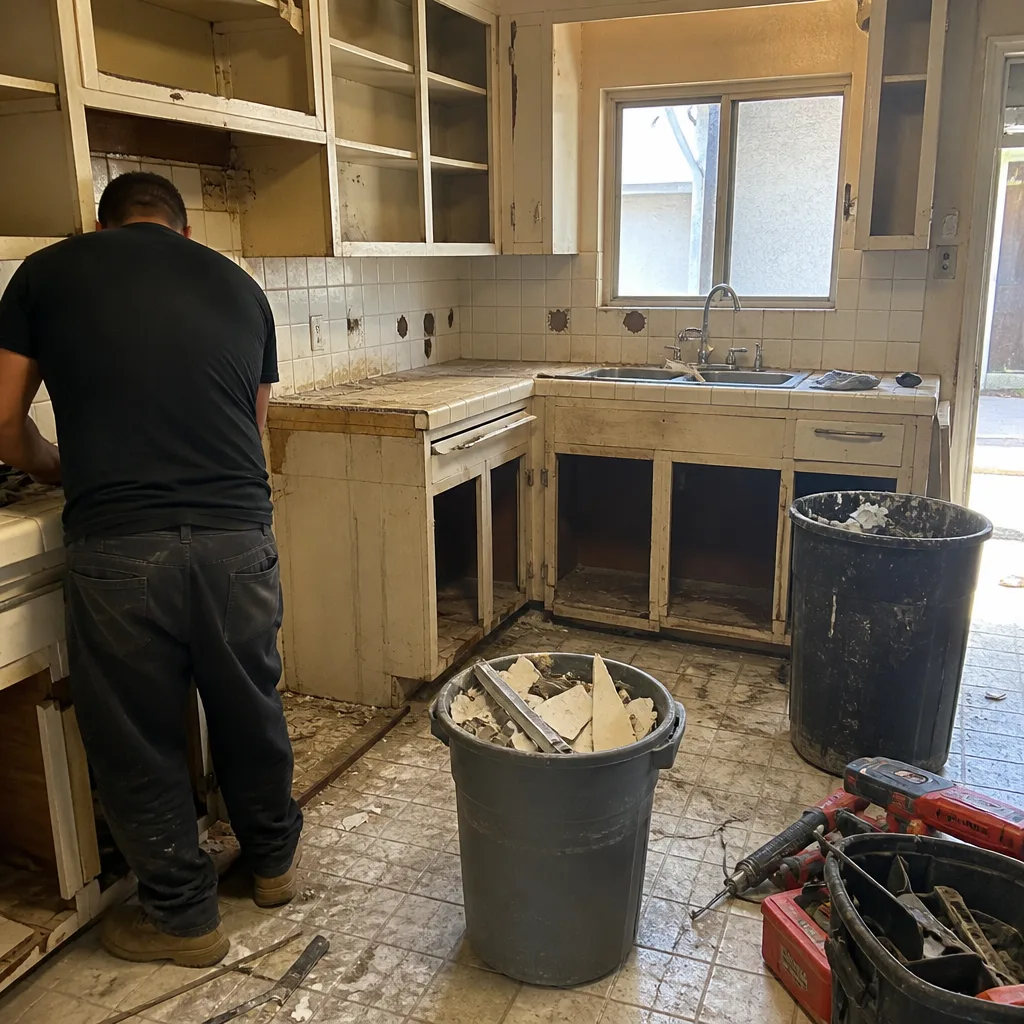 Before
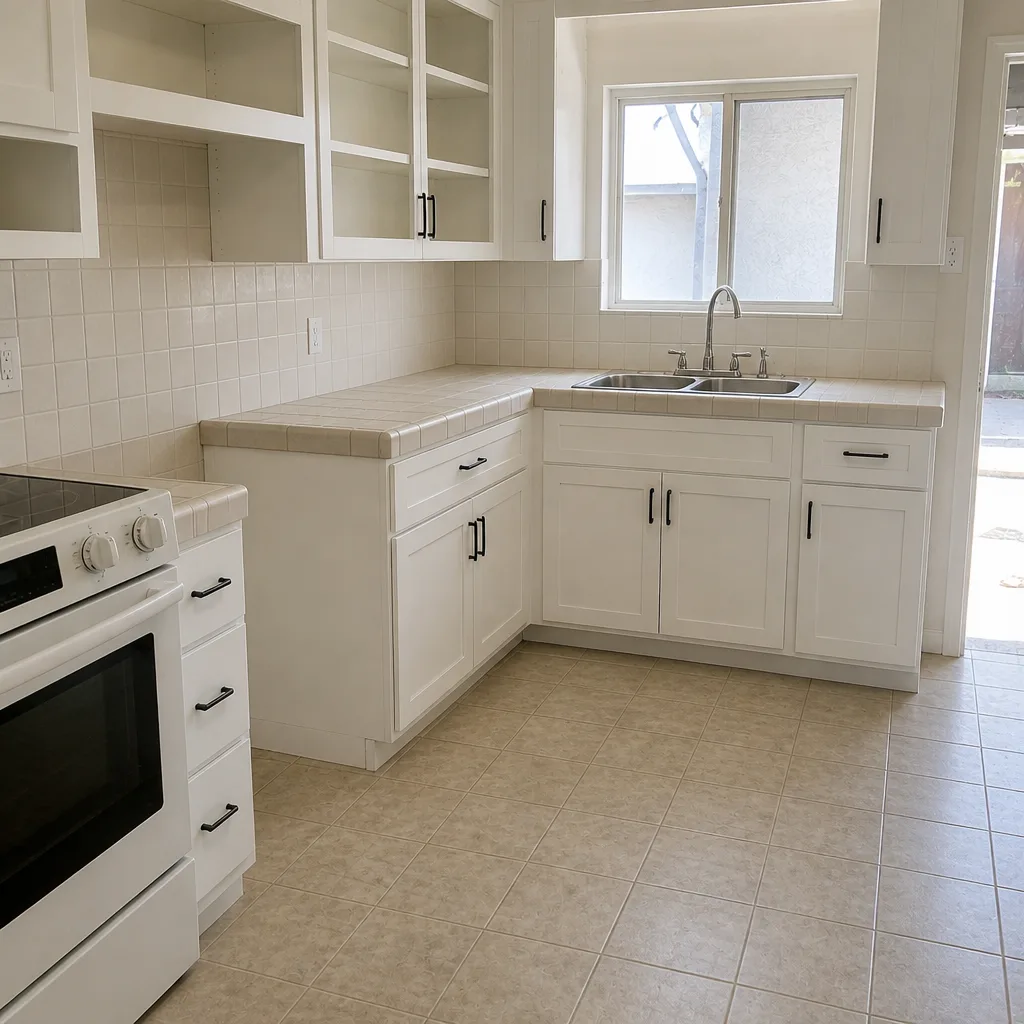 After
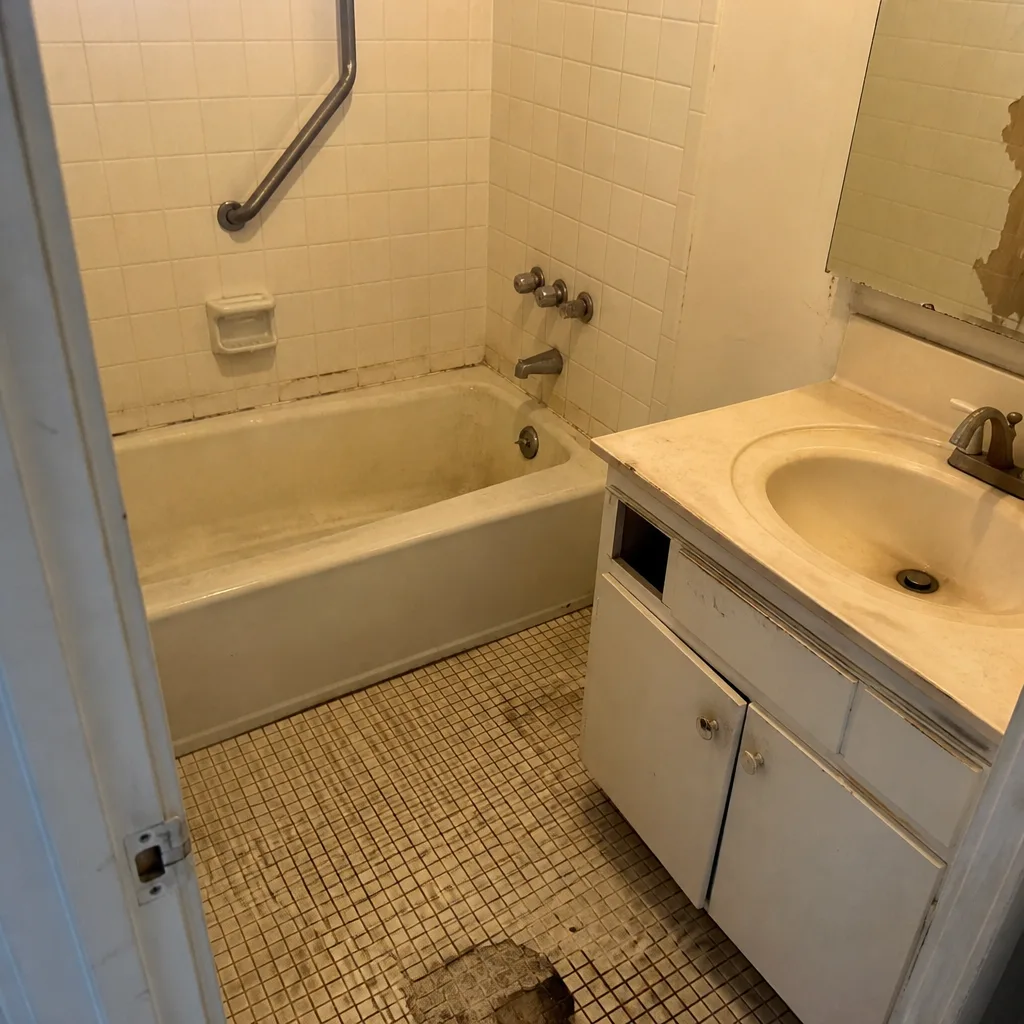 Before
 After
 Before
 After
Common Mistakes to Avoid
- Setting posts solo. Even with a brace, one person can’t check two plumb axes and stabilize the post simultaneously – and the out-of-plumb post is the one you won’t see until the panels go up.
- Using a 2-foot level. A 2-foot level tells you the post is plumb over 2 feet. A 4-foot level confirms it over the height of a 6-foot fence. Five to ten dollars difference at the hardware store; worth every penny.
- No gravel at the base of the hole. Torrance soil drains reasonably, but water still pools at the concrete wood interface. Four inches of gravel under the concrete extends post life by years.
- Building to 7 feet in a rear yard without a permit. The 6-foot residential limit is the line. A 7-foot fence is a permit and variance conversation, not a weekend project.
- Skipping the stain window. A new cedar fence in Torrance needs stain within 2 to 4 weeks. Beyond that, the surface checks and the stain penetrates unevenly.
- Reusing old post holes. Removing a fence and resetting in the old holes is faster but the old holes have old concrete fragments and disturbed soil. New post positions, new holes, every time.
- No photo record. Take photos of every hole depth and post plumb before concrete goes in. If a gate sags a year later, you’ll know whether it was the post or the gate hardware. This is standard practice on our crews, and it’s free to do yourself.
When to Call a Professional
Call a professional when any of the following is true: the fence is over 6 feet and needs a permit, the lot has a slope grading requirement, the old fence needs full demolition and disposal, the post line runs through heavy clay or tree roots, or you’re solo with no helper available for post day. Those conditions are where the DIY math stops working and the remediation cost starts to look like the install cost.
Rowan Construction Group Torrance offers free estimates in Torrance – call (888) 349-6729. We quote a written flat price with a written scope before work starts, backed by our 365-Day Done Right Promise and The Haven Standard. If you’ve already got a competitor’s quote for the fence, bring it in for a free second opinion; we’ll review it line by line at no charge. Our crews are background-checked and uniformed, and every visit includes a documented photo record of what we found and what we did. The Rowan Construction Group Torrance home page has the full range of what we handle.
Frequently Asked Questions
DIY materials and out-of-pocket for a 150-foot cedar fence in Torrance run $3,600 to $5,200, versus $6,000 to $9,500 for full professional installation. The gap is real, but factor in 20 to 30 hours of labor, tool rental, and disposal. A middle option – hiring out post-setting only – saves $2,000 to $3,500 while keeping the skilled work professional. Call (888) 349-6729 for an exact quote; estimates are free.
At least 24 inches deep for a 6-foot fence, 30 inches for taller fences and for gate posts, with a 4-inch gravel base under the concrete. Torrance’s sandy loam drains fairly well but still holds water at the concrete-to-wood interface if there’s no gravel layer. Gate posts go deeper still – a 6×6 gate post set 30 inches deep in concrete is the minimum for a swinging gate.
Fences up to 6 feet in a rear or side yard generally don’t need a building permit in Torrance. Anything over 6 feet, any fence in a front setback, and most corner-lot sight-line fences do. An unpermitted over-height fence can stall a home sale; retroactive permitting typically costs $250 to $600 in fees plus modification costs if the fence doesn’t meet current code. We quote and handle the permit pathway on contracted installs.
Only if the posts are pre-set by a professional. Setting posts solo – even with braces – almost always leaves at least one post out of plumb, and that post means digging out cured concrete to fix. Once posts are set, one person can install panels, hang a gate, and stain without a helper. The post line is the two-person threshold.
A 150-foot panel fence takes 2 to 3 days of professional work, plus a 24 to 48-hour cure window on the post concrete before panels go up. Gate hanging and final trim are usually a third day. DIY timelines run 20 to 30 hours of active work spread over 2 to 3 weekends with weather windows. Call (888) 349-6729 for a written schedule with your quote.
On a Rowan install, no. Clause 1 of The Haven Standard means a flat written price with a written scope before work starts, and no change proceeds without a signed change order. That discipline is why our projects finish within a few percent of the agreed cost. If a buried obstacle turns up mid-dig – a root system or old concrete – we stop, document, and present a change order before proceeding. Call (888) 349-6729 for a free estimate on your fence line.
The Bottom Line
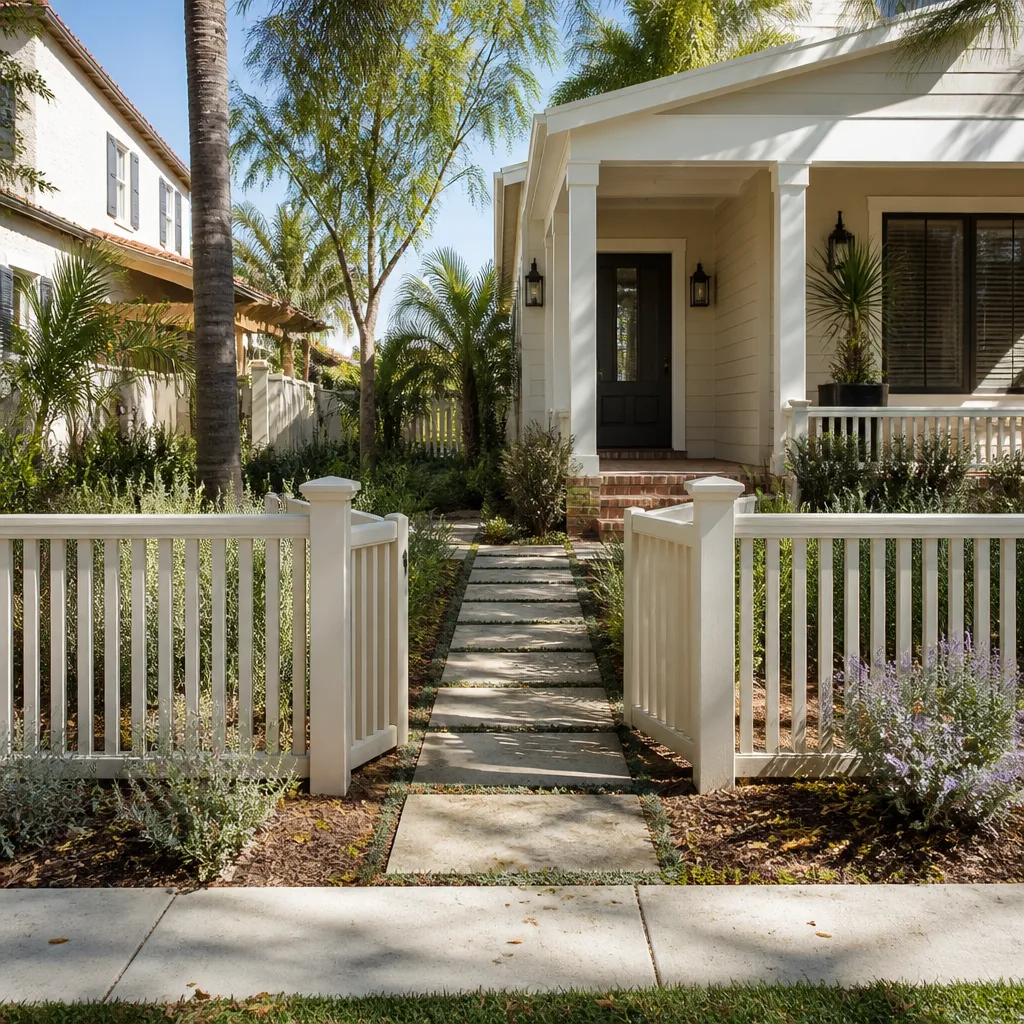
The DIY-versus-professional fence decision comes down to the posts, not the panels. Everything above grade is safe ownable work for a confident homeowner with a helper and a weekend. The post line – plumb on two axes, 24 to 30 inches deep, gravel base, two-person check while concrete is wet – is where the skill threshold sits. Set the posts right and everything else is finish work. Set them wrong and you’re re-excavating cured concrete. Factor the real numbers: DIY saves $2,000 to $3,500 against a $6,000 to $9,500 professional install, but only if the posts hold. If the post line is uncertain or the fence needs a permit, that’s the moment to call.
Rowan Construction Group Torrance believes the number goes on paper before anyone picks up a tool. Call (888) 349-6729 for a free estimate on your fence project, or bring in a competing quote for a free written second opinion line by line. Every visit gets a documented photo record, every job is backed by the 365-Day Done Right Promise, and every quote is a flat written price with a written scope. That’s what a documented project looks like.
Written by the team at Rowan Construction Group Torrance.