Last updated November 17, 2026
Free written scope consultation - allowances, timeline, and change-order rules on paper before a single trade is scheduled
Choosing the Right Construction Brand: A Buyer’s Guide for Torrance
The difference between a 25-year and a 50-year roofing shingle is not 25 years of additional life. It’s a different warranty coverage structure, a different manufacturing SBS modifier content, and, in most cases, a $0.80 – $1.40 per square foot material cost difference. Most homeowners are never shown that choice. The brand decision is made for them, quietly, by whoever writes the estimate. This guide opens that decision up: what brand tiers actually exist in construction, what warranty language means once the paperwork gets read aloud, which categories in Torrance deserve a name on the label, and which are plain commodity buys better negotiated on installation quality than on a logo.
Quick Answer
Brand matters most in five product categories: roofing shingles, windows, waterproofing membranes, exterior fasteners, and exterior paint. In those, the grade tier and warranty terms directly affect how long the product lasts in Torrance’s salt air and marine layer. In categories like concrete, lumber, and drywall, brand is close to irrelevant; installation quality and written warranty terms matter far more than the label. The practical rule: specify brands by name where performance differences are documented, and negotiate hard on warranty and workmanship everywhere else.
Styles & brands we work with
- Kitchen remodeling
- Bathroom remodeling
- Home additions & ADU
- Roofing
- Windows & doors
- Driveway & pavers
- Fence
Table of Contents
- How brand tiers work in construction (and what they hide)
- Warranty language anatomy: what “limited lifetime” really means
- The Torrance coastal specification factor
- How to verify a contractor is an authorized installer
- Where brand specification genuinely matters
- Where brand is a commodity buy
- A step-by-step process for vetting any brand claim
- Common mistakes to avoid
How Brand Tiers Work in Construction (and What They Hide)
Manufacturers organize product lines into tiers, and the tiers aren’t a marketing story: they’re a manufacturing decision. Roofing, windows, and waterproofing all follow the same pattern. Contractor-grade is the line sold in volume to working installers, with better components and better warranties. Builder-grade is the line sold to production builders, where price per unit is the deciding factor. Homeowner-grade is the line sold at retail, which is often builder-grade in a different box with a friendlier label.
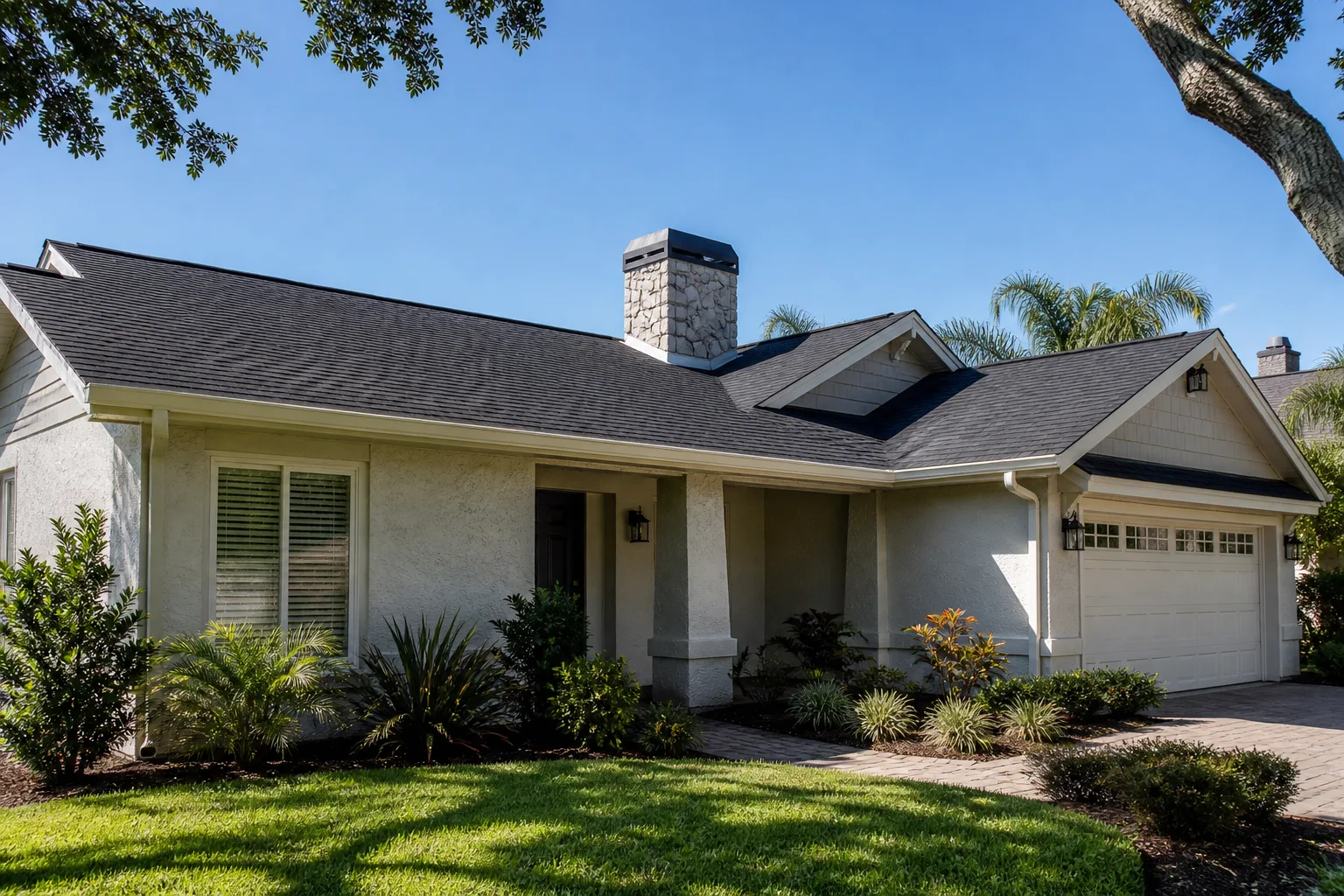
Roofing is the clearest example. A manufacturer’s architectural shingle line will often show three tiers: a standard architectural, an enhanced architectural with a heavier mat, and a premium designer shingle. The difference isn’t just thickness. Higher tiers carry more SBS (styrene-butadiene-styrene) modifier in the asphalt, which is the rubber content that lets the shingle flex instead of cracking. In inland heat that flexibility matters less; in Torrance’s marine layer, with morning dew and salt mist cycling every day, it matters more than most homeowners are told. Tamko and Atlas both publish their tier structures on their own sites; both will tell you the exact difference between their standard and premium lines if you ask. Ask.
What to ask the contractor about the tier
- Which specific product line are you quoting, by name and SKU?
- Is this the contractor-grade or builder-grade version of that line?
- What is the warranty difference between the two tiers, in writing?
- What is the per-square-foot cost difference between the two?
Any contractor who can’t answer those four questions in the estimate isn’t being dishonest. They’re being typical. That’s the whole problem.
Warranty Language Anatomy: What “Limited Lifetime” Really Means
Read the word “limited” carefully. A “limited lifetime” shingle warranty almost always has two layers: a full-coverage period that runs roughly the first ten years, and a prorated period after that where the payout declines year by year. A shingle that fails in year 15 of a 50-year limited lifetime warranty is not replaced for free. It’s replaced at a fraction of the original cost, computed from a proration table buried in the manufacturer’s document. That table is the thing worth comparing across brands.
Three warranty terms actually differ between manufacturers and deserve a line-by-line comparison:
- Proration start date. When does the coverage begin declining? Ten years is common; fifteen is not.
- Labor coverage. Most manufacturer warranties cover material only. Workmanship warranty terms are separate, and a five-year workmanship warranty from the installer is often worth more than the manufacturer’s fifty-year material pledge.
- Transferability. Some brands allow the warranty to transfer to the next owner once; others don’t. In a market where homes change hands, transferability is real value.
Ask for the actual warranty document, not a summary sheet. The summary is marketing; the document is the contract. We’ve seen two bids on the same Torrance roof where the material price difference was $600 and the warranty difference in year 12 was $4,000 of exposure. That comparison never makes it to the invoice, so the homeowner never sees it.
The Torrance Coastal Specification Factor
Torrance sits in a marine environment. Salt air, morning fog, and roughly 12 inches of annual rain make the local climate a different problem than the same construction in Riverside or Bakersfield. Three product categories have documented performance differences in marine air, and the brand choice matters in each:
Windows
Vinyl window frames degrade faster in salt air than aluminum frames with a proper powder-coat finish. Vinyl is cheaper and thermally better; aluminum holds up longer against salt exposure. In homes within a mile of the beach, we specify aluminum or aluminum-clad frames almost without exception. PGT makes both lines and will tell you exactly which of theirs is rated for coastal exposure.
Exterior paint
Mildew resistance is a rated property. Paint manufacturers publish mildewcide content and California-compliant VOC data; the top-tier exterior line from any major manufacturer will outperform the economy line by a wide margin in Torrance’s humidity. This is a real spec difference, not a marketing one.
Fasteners
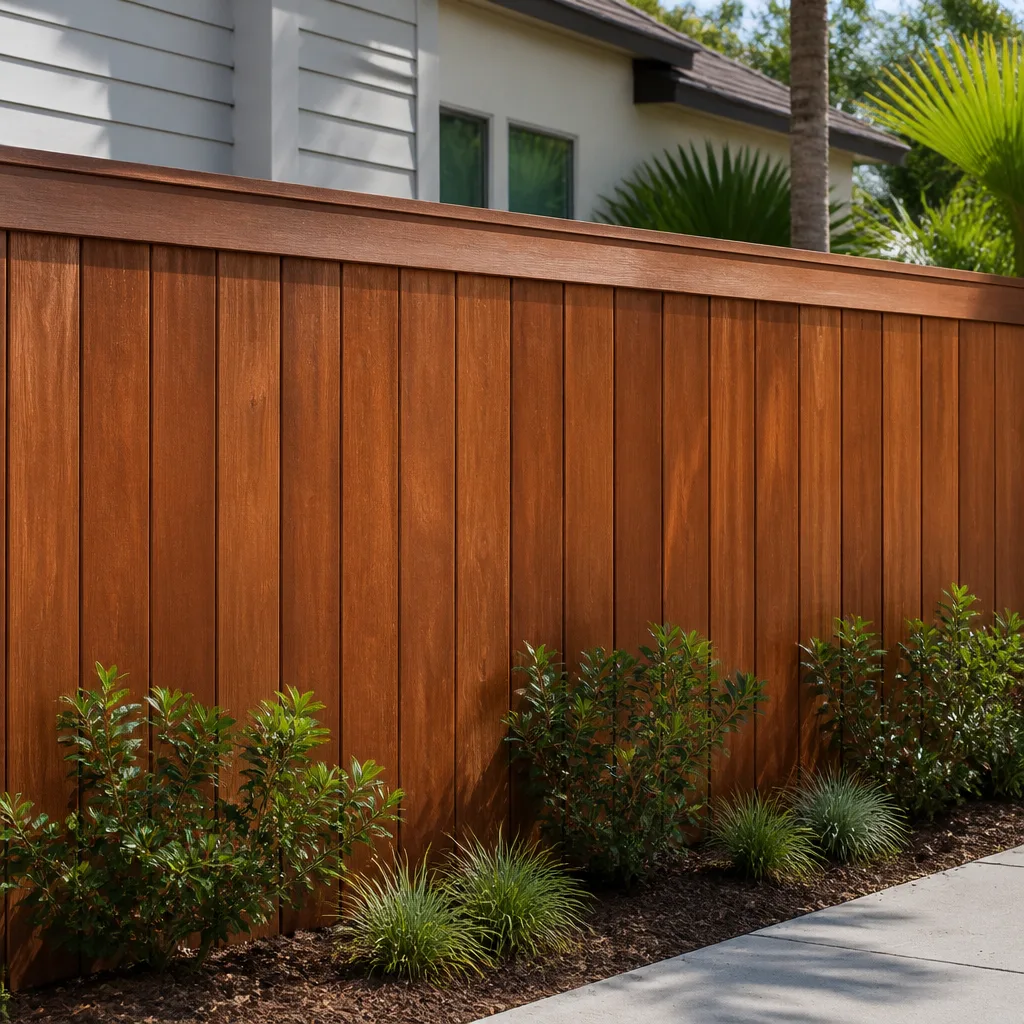
Hot-dipped galvanized fasteners resist salt corrosion dramatically better than electroplated. The cost difference is small (pennies per fastener); the failure difference at the 10-year mark on a Torrance deck or fence is substantial. This is the cheapest upgrade on the list, and the one contractors skip most often.
If you’re planning exterior work, our Fence Installation in Torrance guide covers the fastener and material choices specific to marine-adjacent yards.
How to Verify a Contractor Is an Authorized Installer
“Authorized installer” is not just a badge on a website. It’s a documented relationship between the contractor and the manufacturer that affects whether the installation warranty activates, whether the manufacturer will send a warranty inspector, and whether the manufacturer will honor a claim when the issue is installation rather than material.
Verification takes about five minutes and is worth doing before signing anything:
- Ask the contractor for their manufacturer dealer number for the specific brand being quoted.
- Go to the manufacturer’s website and find the dealer locator page.
- Search by ZIP code or business name and confirm the contractor appears.
- Call the manufacturer’s customer service line and ask if the contractor is a current authorized installer for the specific product line being quoted.
Contractors get dropped from dealer programs for a reason: too many warranty claims, too many failed inspections, unlicensed work. A contractor who is no longer in good standing with the manufacturer can often still install the product, but the enhanced warranty that a top-tier certified installer gets won’t activate. You’ll be holding a standard warranty when you paid for something better. The verification takes five minutes.
Where Brand Specification Genuinely Matters
Across the trades we work in, five product categories earn specification by name:
- Roofing shingles. SBS modifier content and warranty proration terms differ measurably between Tamko, Atlas, and GAF lines.
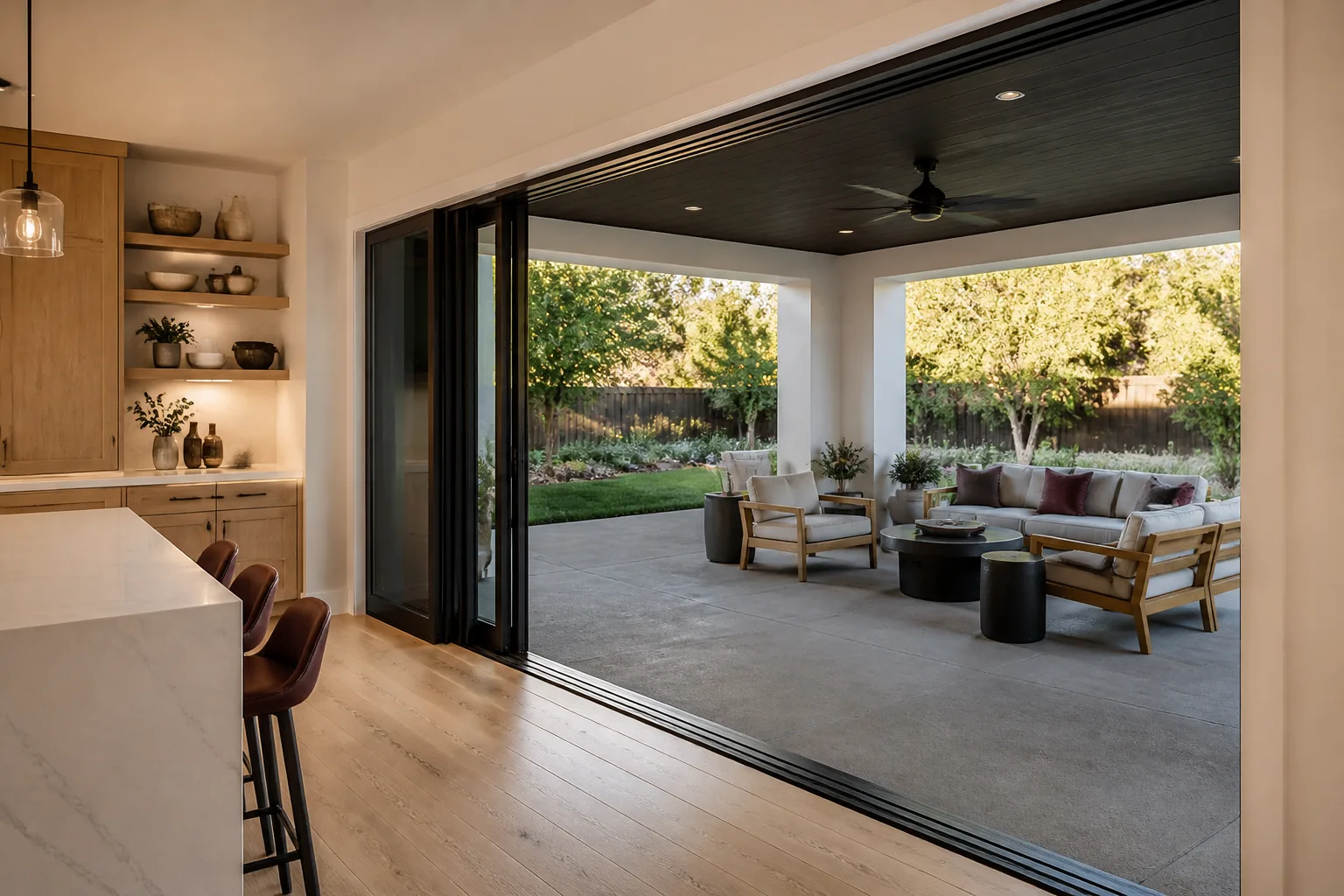
- Windows and doors. Frame material and finish rating differ in salt air. Aluminum vs. vinyl is not a style choice; it’s a longevity choice in Torrance.
- Waterproofing membranes in bathrooms. Sheet-applied vs. liquid-applied changes the failure mode and the warranty. This is one of the most consequential brand choices in a bathroom remodel.
- Exterior paint. Mildewcide content and California VOC rating differ by tier.
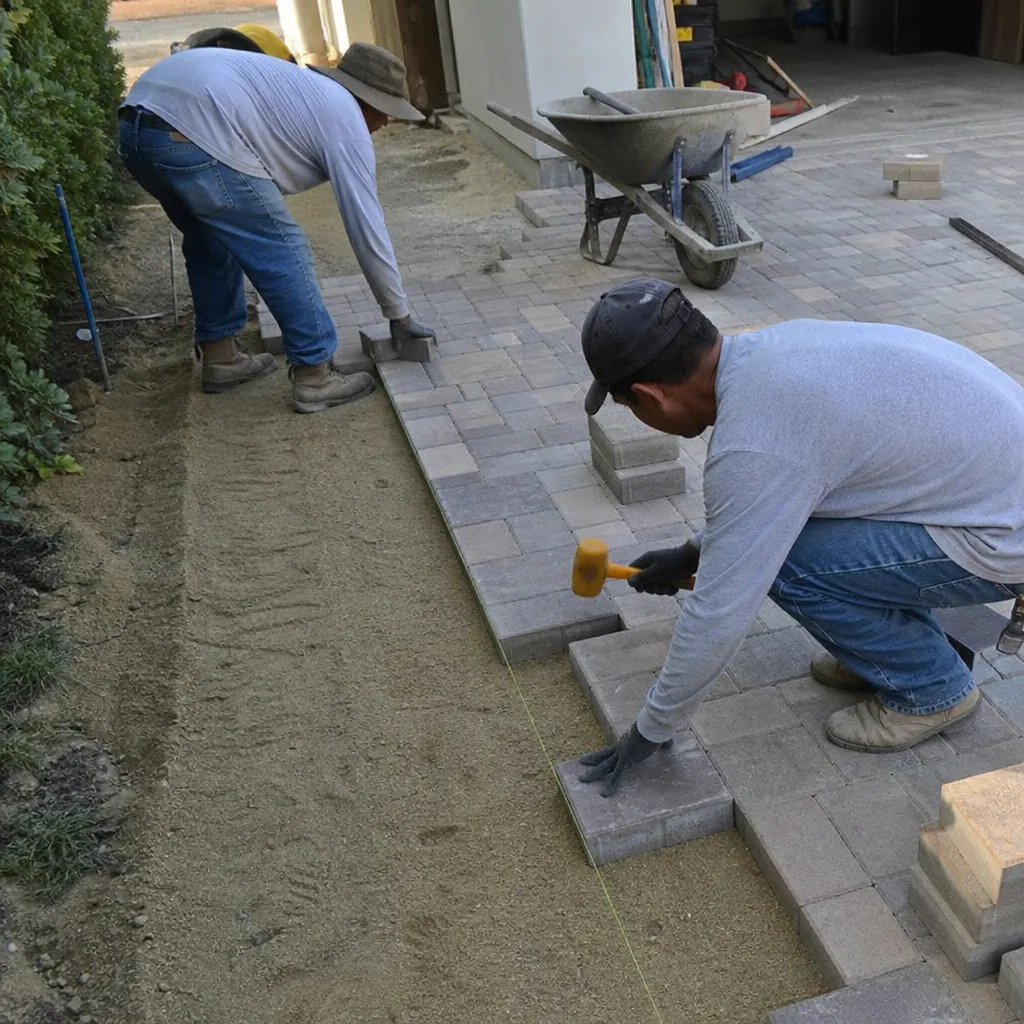
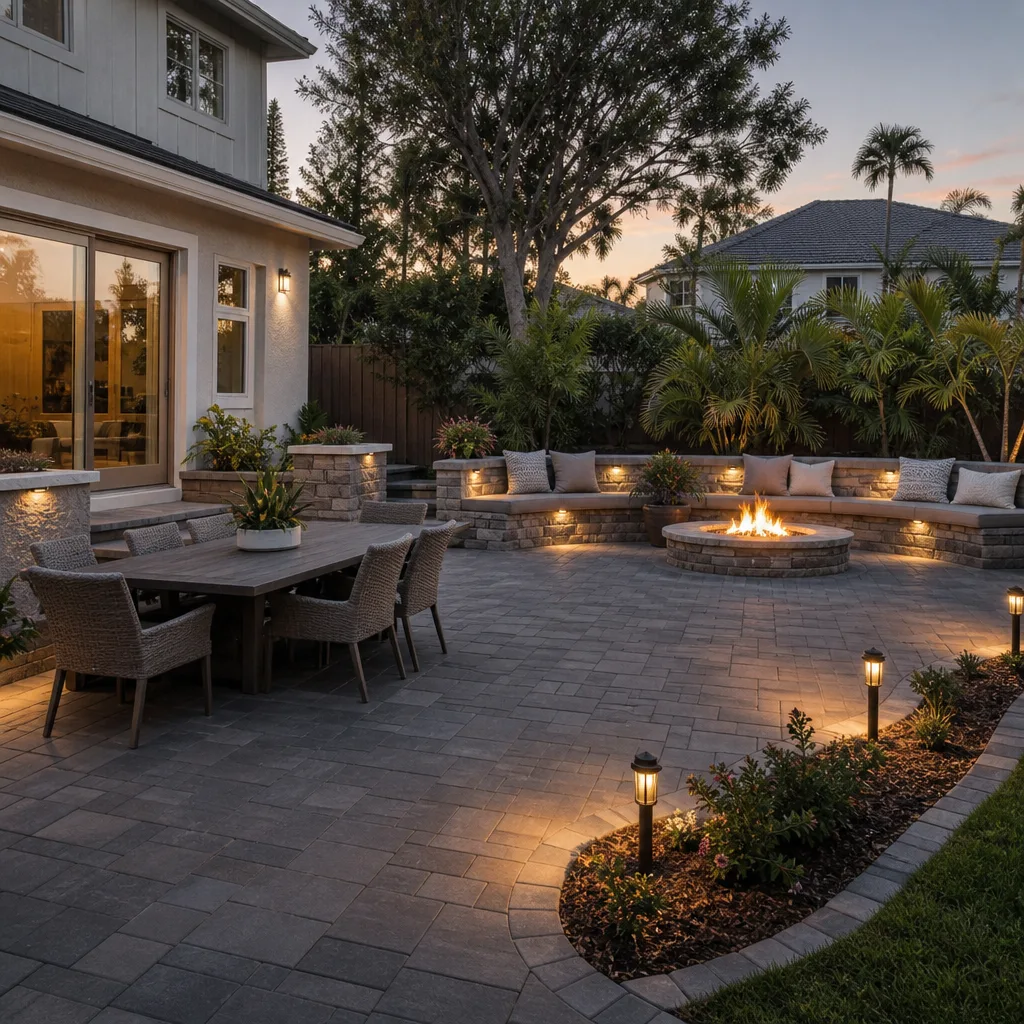
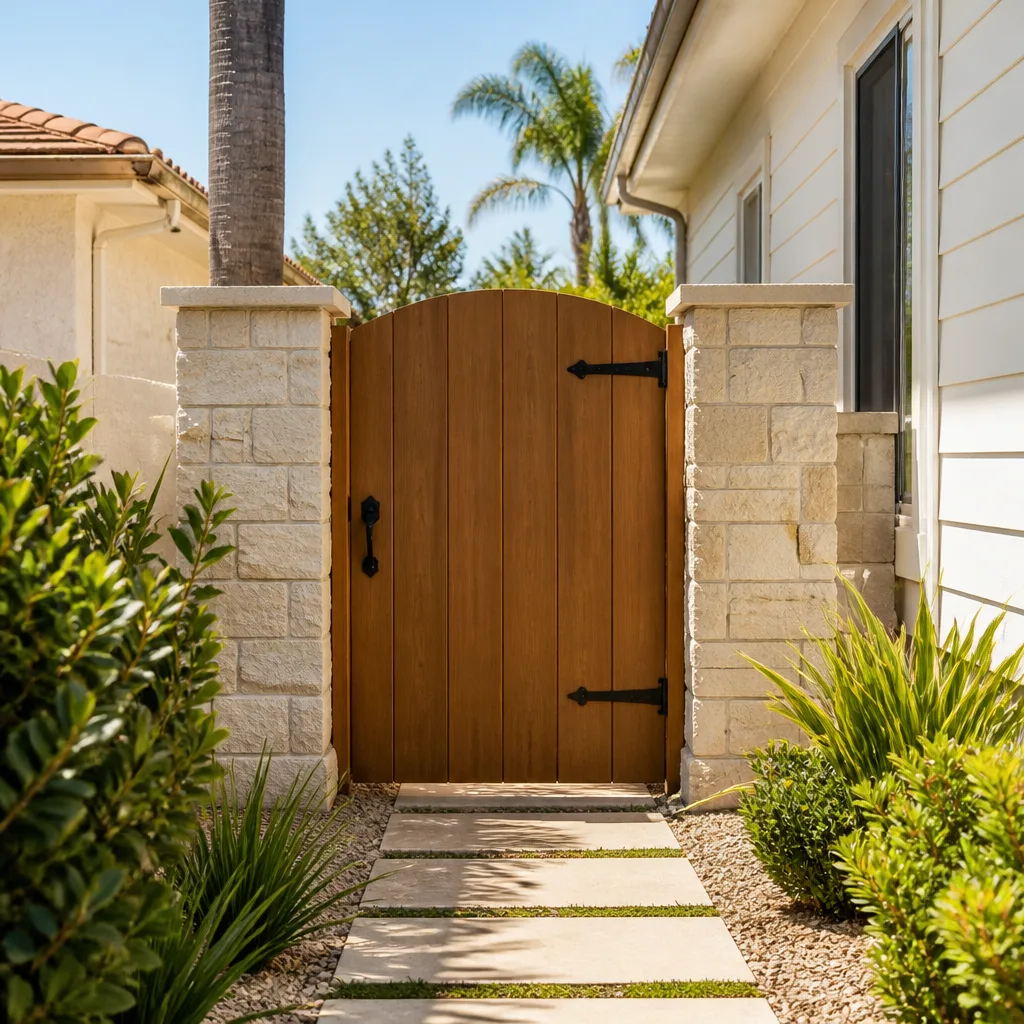
- Pavers on driveways and walkways. Compression strength and freeze-thaw rating vary; in the marine layer, the lower end of the market can effloresce or shift within five years. Our Driveway & Pavers in Torrance guide goes deeper on this.
In each of those, the brand tier and specified product line should be named in the estimate, in writing, before anyone starts. Under the written-price discipline we operate, the model number gets stated in the scope, not discovered at delivery.
Where Brand Is a Commodity Buy
The flip side is just as useful. Five categories are commodity buys where the label adds cost but doesn’t add meaningful performance:
- Concrete. The mix design matters; the batch plant doesn’t. “Ready-mix” is ready-mix.
- Framing lumber. Grade and moisture content matter; supplier doesn’t.
- Drywall. Thickness and finish quality matter; brand rarely does.
- Standard interior paint on ceilings. The top tier matters for exterior; ceilings are not where the mildew battle is won.
- Basic plumbing rough-in supply lines. Copper vs. PEX is a real choice; which brand of copper is not.
In these categories, negotiate on workmanship warranty, installation quality, and schedule discipline. Those terms cost the contractor real money when they fail. A branded drywall board does not.
A Step-by-Step Process for Vetting Any Brand Claim
Here’s the sequence we’d recommend to any Torrance homeowner working through a remodel or build, whether or not it’s with us:
- Ask for the written scope with brands and model numbers. Every line, on every trade. No exceptions.
- Read the warranty documents, not the summaries. Ask for the actual manufacturer PDF. Note the proration start date and the labor coverage.
- Check the manufacturer’s dealer locator. Confirm authorized installer status for the specific product line being quoted.
- Ask for three recent completed projects in Torrance that used the specified product line. If the contractor can’t produce three, they haven’t installed that line three times locally.
- Get a free second opinion on any written estimate you receive, including ours. Line-by-line review of competitor bids is the fastest way to spot where a tier got quietly downgraded.
- If the project includes an addition or ADU, add a check on whether the materials spec meets the Torrance permit set. Our Home Additions & ADU in Torrance guide covers the plan-check side.
Six steps, two hours of work, and you’ll know more about the brand specification on your job than 90% of homeowners signing contracts this month in Torrance.
Common Mistakes to Avoid
- Assuming the brand on the bid is the brand that shows up. Bids often name a brand without naming the tier. Ask for the model number.
- Reading the warranty summary instead of the warranty document. Summaries are marketing. The document is the contract, and the short version leaves out proration tables.
- Letting a contractor install a “we’re an authorized installer” product without verification. Check the dealer locator before signing. It takes five minutes.
- Upgrading the shingle brand without upgrading the underlayment. The best shingle on a builder-grade underlayment will fail earlier than a mid-tier shingle on a premium underlayment. In Torrance’s marine layer, the underlayment is doing real work.
- Choosing electroplated fasteners to shave a few hundred dollars. The cost difference is small; the 10-year failure difference in salt air is not.
- Comparing brands across different specifications. A bid for KraftMaid cabinets and a bid for a custom cabinet shop are not the same bid. Get the same scope quoted before comparing.
- Skipping the free second opinion. Even experienced buyers miss a tier downgrade or a missing line. The line-by-line review is free, and it’s the highest-return step on this whole page.
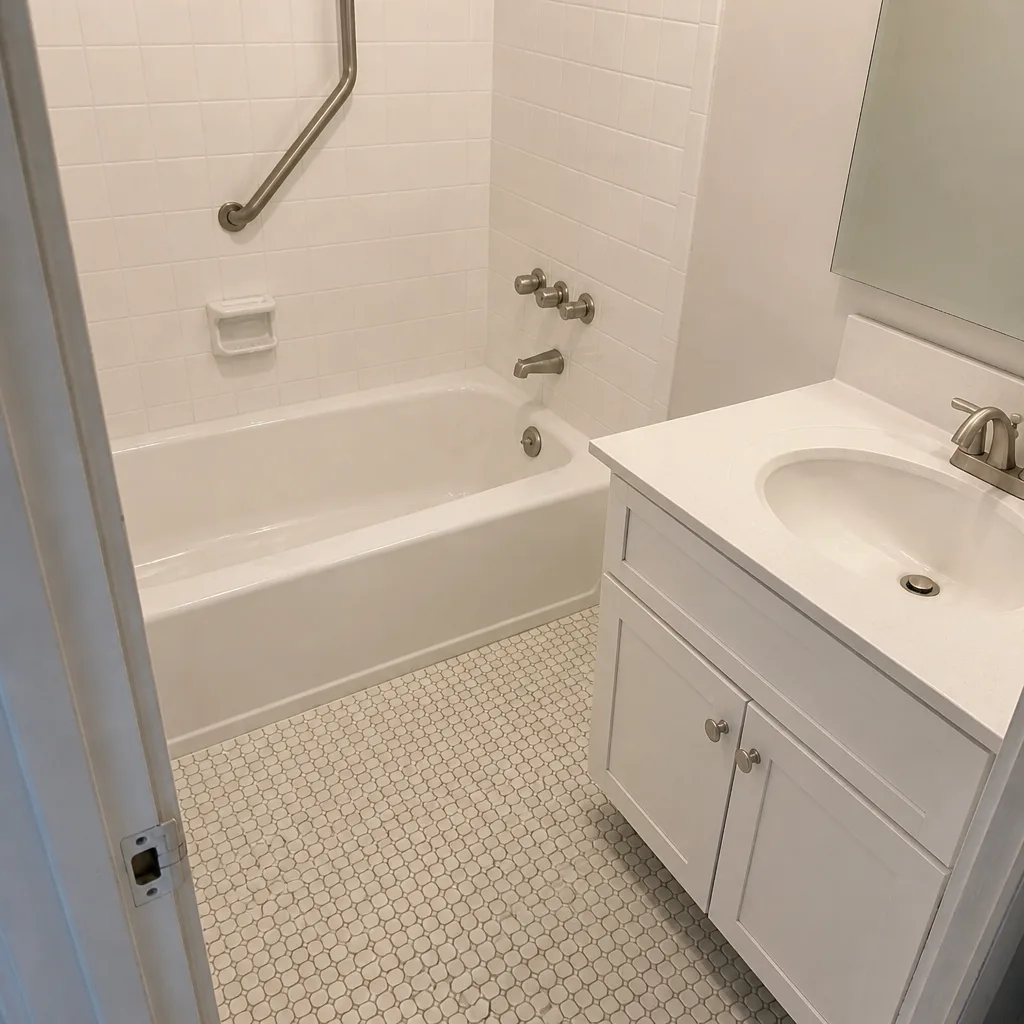
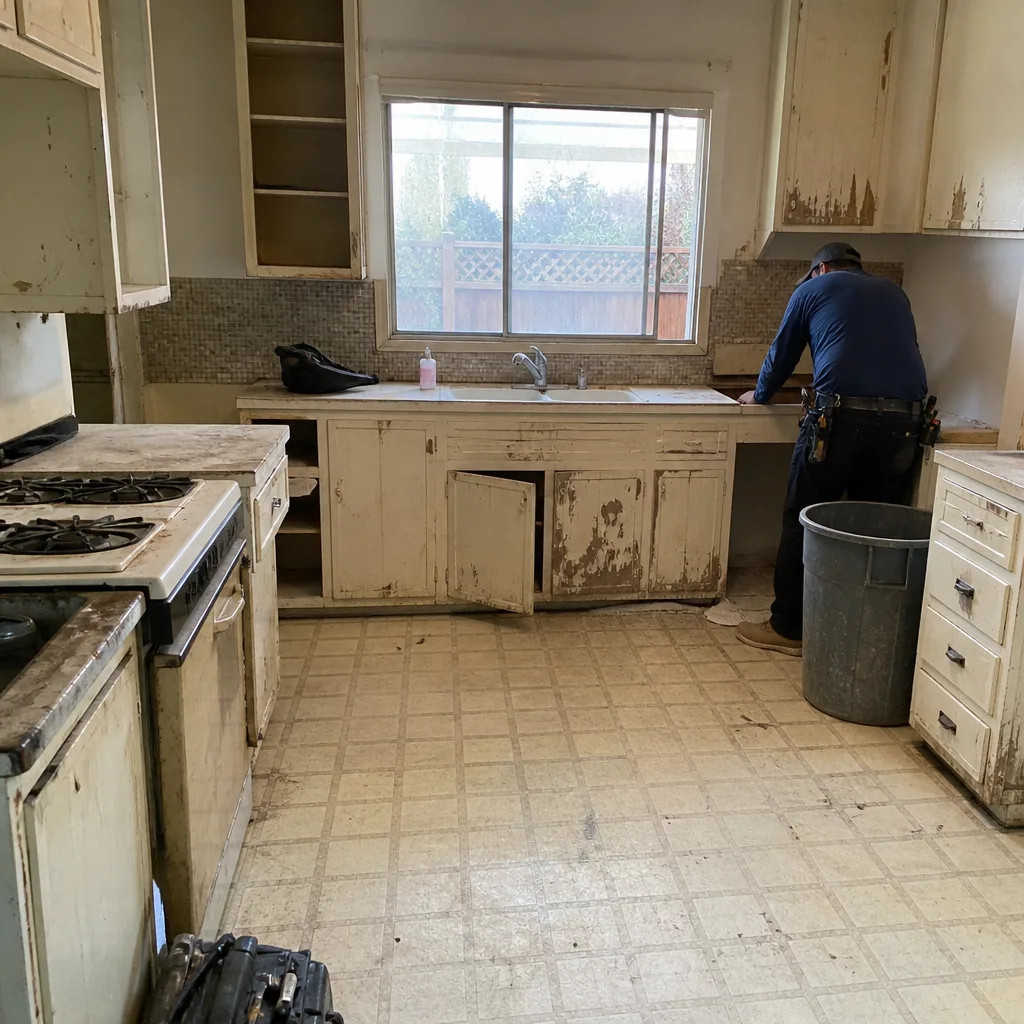
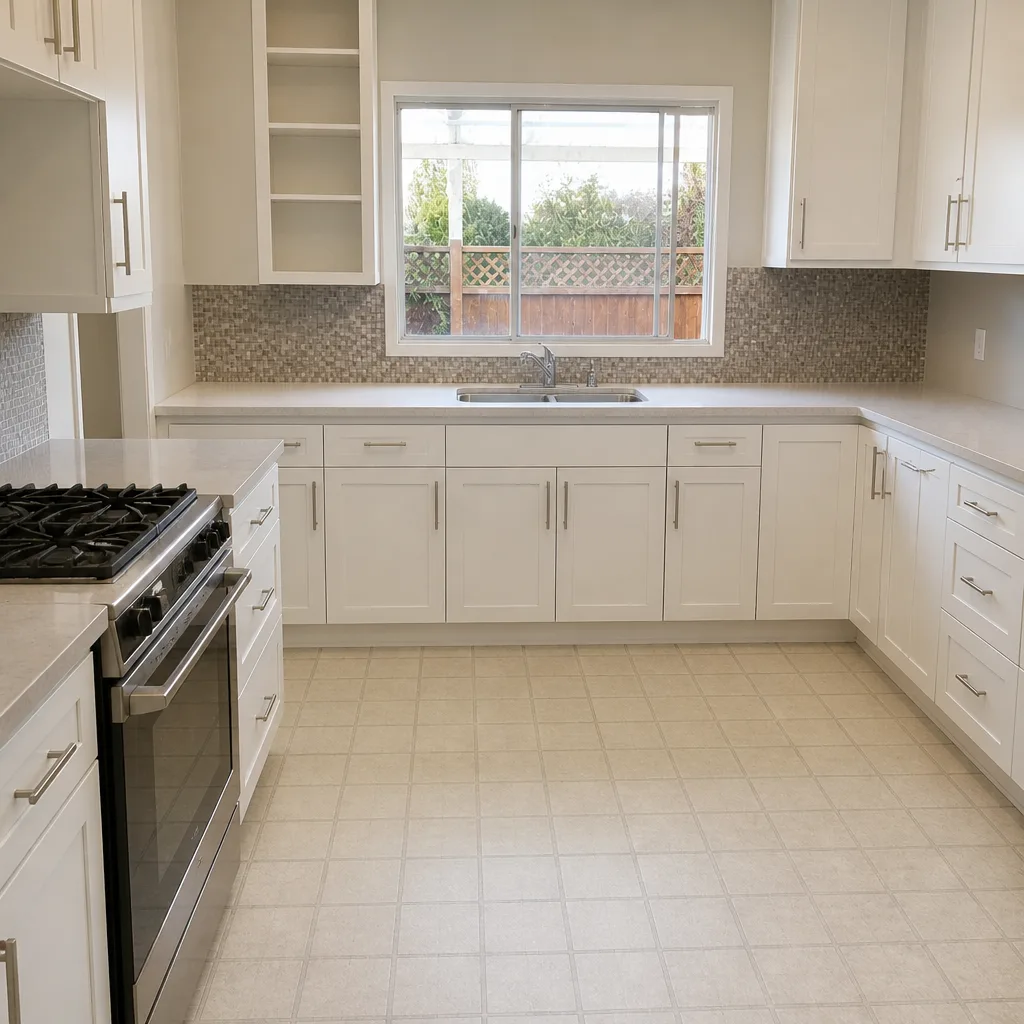
See the difference
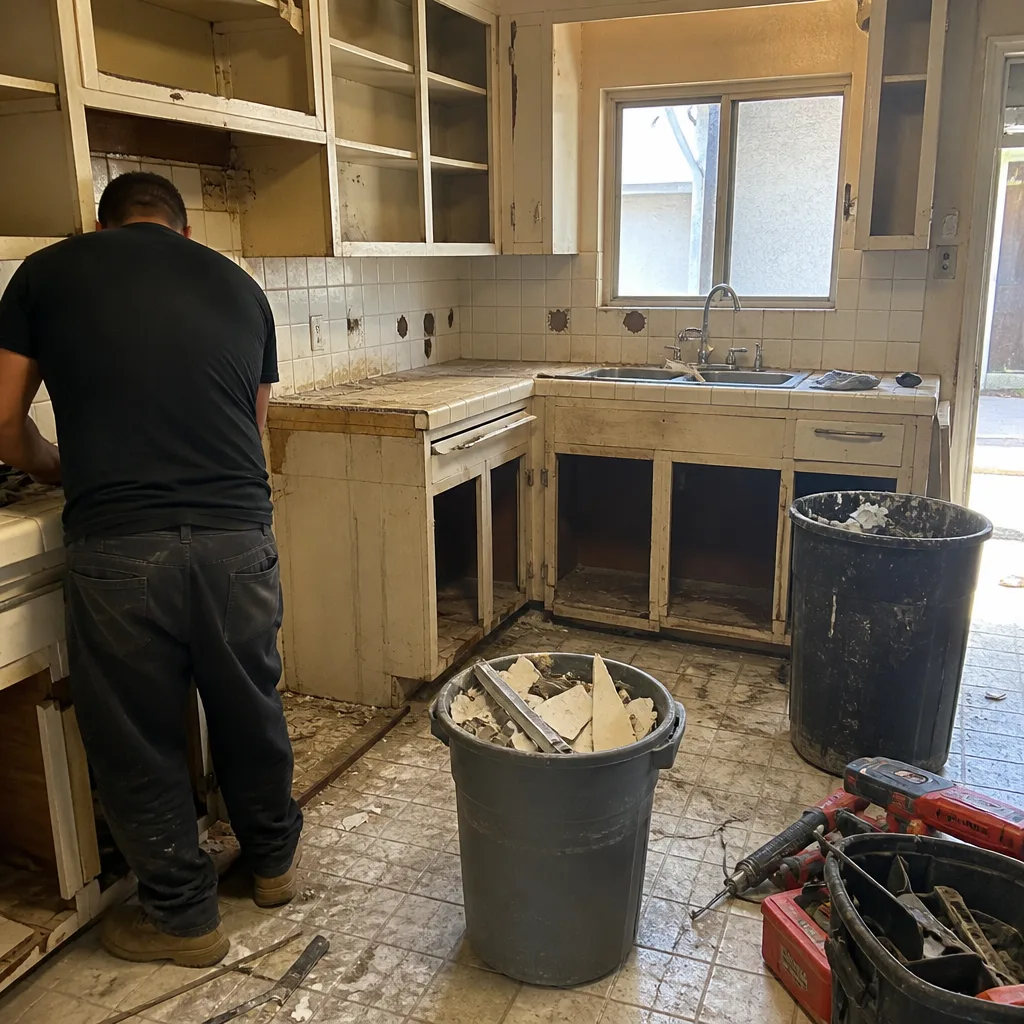 Before
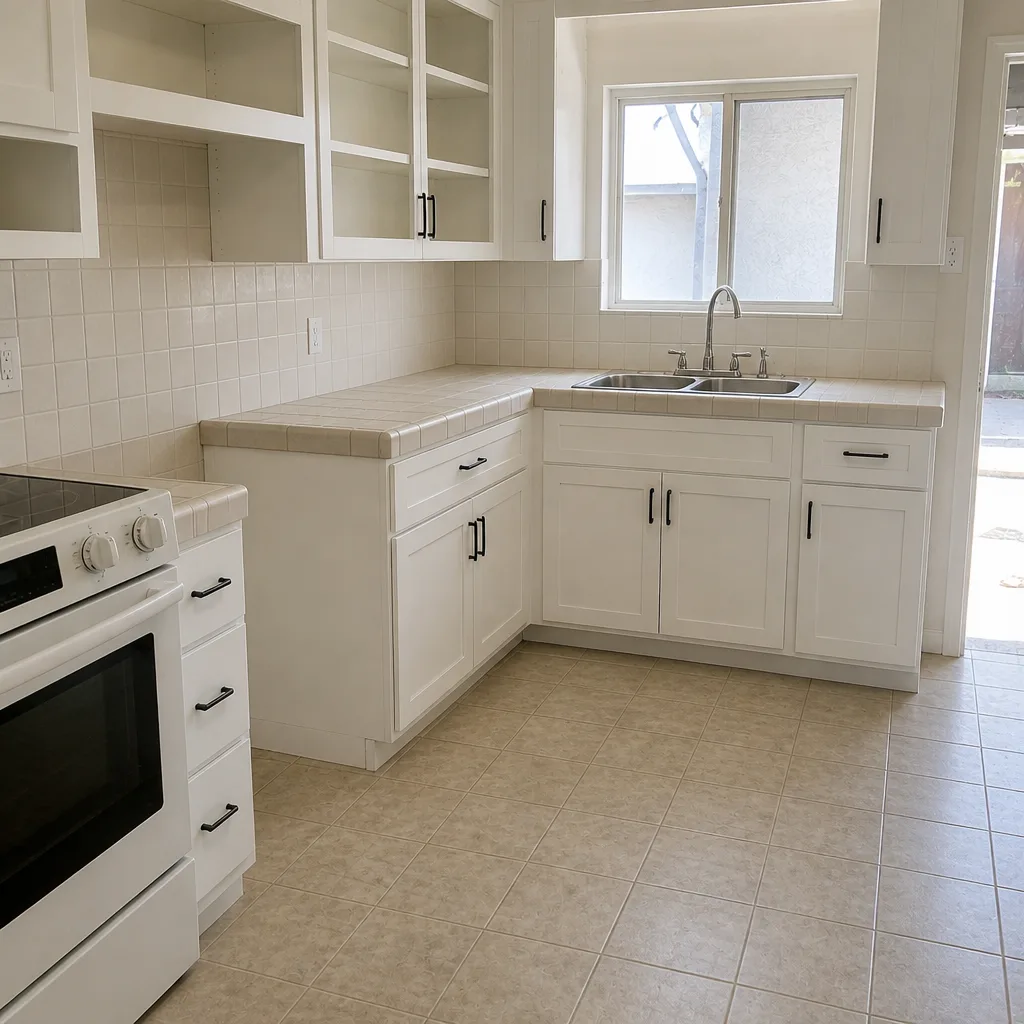 After
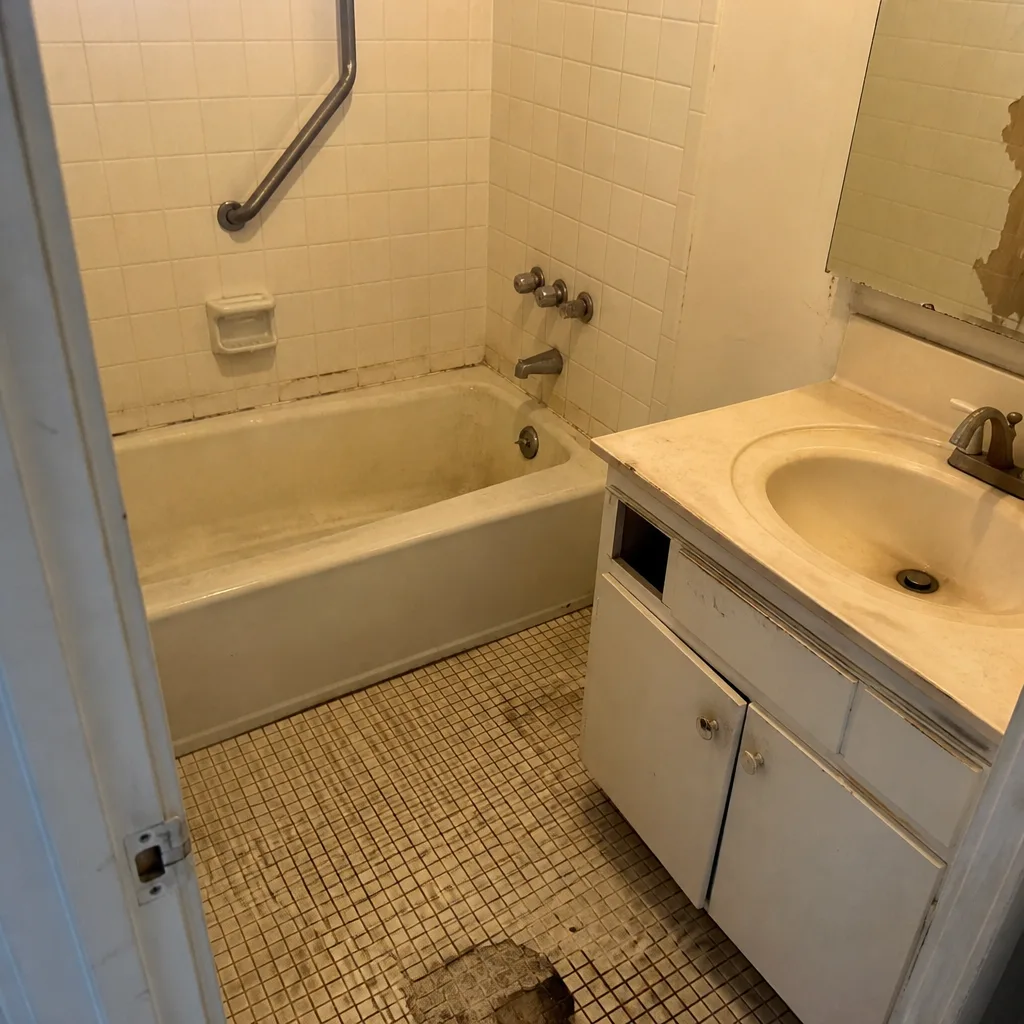 Before
 After
 Before
 After
When to Call a Professional
Some brand research you can do yourself. Some belongs in the hands of someone who’s installed the product in Torrance, in this climate, on this kind of house, at least a few dozen times. Call a professional when the decision involves structural loading (a new roof on a 1950s house that’s never had one replaced under current code), any product where the manufacturer’s warranty requires an authorized installer (windows and doors especially), waterproofing that will be hidden behind tile permanently, and any exterior work within a mile of the coast. Also call when the bid you’re working from is vague on brand and model number: a second opinion on a written estimate is free, and the line-by-line review is where the tier downgrades get caught.
Rowan Construction Group Torrance offers free estimates in Torrance – call (888) 349-6729 to schedule yours. Our technicians have up to 19 years of experience across the seven trades we cover, from Rowan Construction Group Torrance home repairs through full additions.
Frequently Asked Questions
The “best” brand depends on the trade. For roofing in Torrance, Tamko and Atlas architectural lines are strong choices for the marine environment because of their SBS modifier content. For windows in coastal Torrance, aluminum or aluminum-clad frames outperform vinyl against salt air, and PGT manufactures lines specifically rated for coastal exposure. For pavers, Boral and similar brands are common in the South Bay. For any product, the brand matters less than the tier within the brand, so ask for the specific product line, not just the name. Call (888) 349-6729 for a free estimate that specifies brands and model numbers in writing.
Ask for the manufacturer dealer number and verify it on the manufacturer’s own dealer locator page, then confirm by phone with the manufacturer’s customer service line. Nearly every major construction brand (Tamko, Atlas, PGT, Boral) maintains a searchable dealer directory. It takes about five minutes and it determines whether the enhanced installation warranty activates on your job. Call (888) 349-6729 and we’ll walk you through the verification on any brand you’re considering.
“Limited lifetime” almost always means full coverage for the first 10 to 15 years, then a prorated period where the payout declines year by year. After year 15, a failed shingle is typically covered at a declining percentage of original cost, not replaced free. The terms worth comparing across brands are the proration start date, whether labor is covered at all, and whether the warranty transfers to a new owner. Call (888) 349-6729 and we’ll review any warranty document line by line for free.
Yes, for about five product categories. Windows, exterior paint, exterior fasteners, roofing shingles, and pavers all have documented performance differences in salt air and high humidity compared with inland climates. Vinyl window frames degrade faster than aluminum; electroplated fasteners corrode faster than hot-dipped galvanized; lower-tier pavers effloresce. In our experience, these differences show up at the 8-15 year mark, so they’re worth paying for upfront rather than fixing twice. Call (888) 349-6729 for a free written quote that names the specific products for your Torrance project.
Concrete, framing lumber, drywall, basic interior paint on ceilings, and plumbing rough-in supply. In those categories, the brand adds negligible performance difference. Negotiate instead on workmanship warranty, installation quality, and schedule discipline; those terms cost the contractor real money when they fail. Call (888) 349-6729 if you want a free second opinion on which lines in your current bid are worth spec-checking and which aren’t.
For shingles, the material cost difference between contractor-grade and premium architectural is typically $0.80 – $1.40 per square foot. For windows, the aluminum over vinyl upgrade runs roughly 15 – 25% on the window package. For fasteners, the galvanized upgrade is typically a few hundred dollars on a whole-house exterior job. The load-bearing question isn’t the cost of the upgrade; it’s the warranty structure and failure timeline of the downgrade. Call (888) 349-6729 for a free written pricing comparison on any tier upgrade.
The Bottom Line
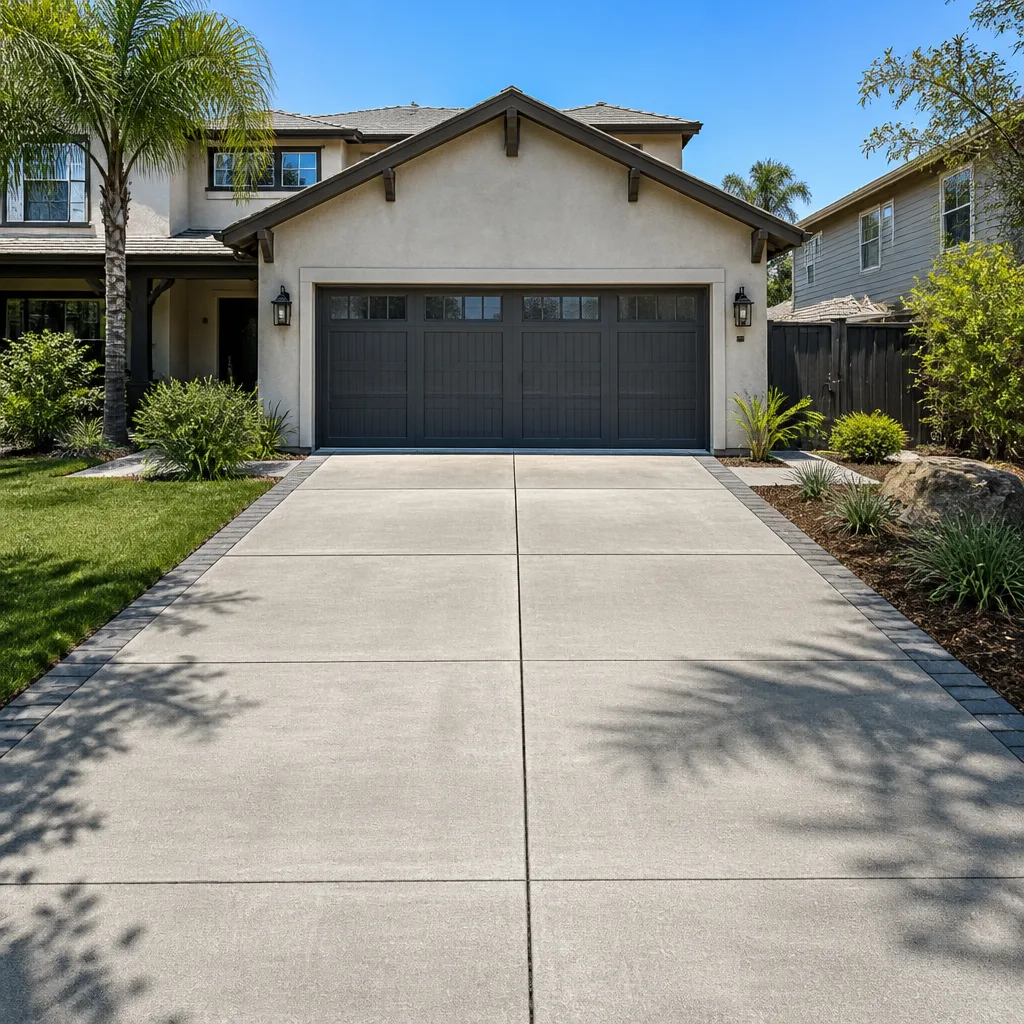
Brand selection in construction has been treated as a closed-shop decision, made by the contractor, rarely questioned by the homeowner, and never priced openly. That’s changing. The buyer who asks for the tier, the model number, the warranty document, and the dealer-locator verification gets a better build at a fair price, and gets a warranty that activates when it’s supposed to. The five categories worth specifying by name: roofing, windows, waterproofing, exterior fasteners, and exterior paint. The five categories where negotiation on installation and warranty beats brand: concrete, lumber, drywall, interior paint, and rough plumbing. Two hours of verification will out-perform six months of Google research. Start with the estimate.
If you have a bid from another contractor and want it walked line by line, or if you want to see what a written-price-before-work estimate looks like on a Torrance project, we’re easy to reach: Rowan Construction Group Torrance, call (888) 349-6729 for a free estimate. Free second opinion on any written estimate, free written pricing, no cost to review anything. Our own work is backed by the 365-Day Done Right Promise and the written warranty terms laid out in the scope.
Written by the team at Rowan Construction Group Torrance.