Last updated November 17, 2026




Free written scope consultation - allowances, timeline, and change-order rules on paper before a single trade is scheduled
Construction Warning Signs: A Torrance Homeowner’s Reference Guide
Most crack advice you’ll read says “watch for cracks” and stops there. That’s useless. A stair-step crack in a block wall and a horizontal crack at the same height are two different problems with two different urgency levels: one usually points to differential settlement you can monitor, the other to lateral soil pressure that can fail without warning. Torrance sits on expansive clay soils in pockets of the city and coastal marine air everywhere, and both show up as specific, measurable symptoms on the outside of a house. This guide names them, puts a number on them, and tells you where monitoring ends and a contractor call begins.
Quick Answer
Construction warning signs on a Torrance home fall into three groups: cracks wider than 1/4 inch or patterned as stair-steps and horizontals (structural), efflorescence or rust streaking on block and stucco (moisture intrusion), and binding doors, granule-heavy gutters, or separated flashing (systemic movement and roof wear). Cracks under 1/16 inch are typically cosmetic. Between 1/16 and 1/4 inch, measure monthly and photograph. At 1/4 inch or wider, or any horizontal or stair-step pattern, get a licensed contractor out to look before the next rainy season.
Styles & brands we work with
- Kitchen remodeling
- Bathroom remodeling
- Home additions & ADU
- Roofing
- Windows & doors
- Driveway & pavers
- Fence
Table of Contents
- Crack classification: the 1/16-inch and 1/4-inch thresholds
- What stucco cracking signals in Torrance
- Coastal moisture signs: efflorescence, rust streaks, bubbling paint
- Foundation signs on expansive Torrance soil
- Roof system indicators beyond missing shingles
- When a warning sign crosses into permit territory
- How to build a measurement log
- Common mistakes to avoid
Crack Classification: The 1/16-Inch and 1/4-Inch Thresholds
Width and pattern together tell you whether a crack is cosmetic, worth monitoring, or a call now. Width alone is not enough, and pattern alone is not enough. Here is how we sort them on Torrance homes.
- Under 1/16 inch: Hairline. Often shrink cracks in stucco or grout. Cosmetic until it grows. Pencil a date and a line at each end so you can see movement.
- 1/16 to 1/4 inch: Monitor. Measure the widest point with a crack gauge, photograph it next to a coin for scale, and re-check on the same day each month through the wet season.
- 1/4 inch or wider: Act. A quarter inch is roughly the thickness of two stacked nickels. At this width a crack can admit water behind the weather barrier, and in a block wall it’s worth a professional look.
- Stair-step pattern in block or brick: Follows the mortar joints diagonally. Points to differential settlement. Manageable in many cases, but it needs eyes on it.
- Horizontal crack in a block wall: Runs parallel to the ground, often a course or two up. This points to lateral soil pressure pushing the wall from behind. That is the emergency category.
- Vertical crack, full height: Often a control joint doing its job, or a shrinkage crack. Less alarming than horizontal, but check for displacement (one side proud of the other).
Displacement matters as much as width. A 3/8-inch crack with both faces flush is a different animal than a 1/8-inch crack where one side has shifted an eighth of an inch past the other. The shifted crack is usually the more serious of the two, even though it’s narrower. Note both dimensions in your log.
What Stucco Cracking Signals in Torrance
Most Torrance houses built from the 1950s through the 1980s wear three-coat stucco over wood framing or over block. Stucco is a rigid skin on a structure that moves, so it cracks. The question is where and how.
Map cracks on stucco by location. Cracks radiating from the corners of windows and doors are common and usually thermal. They follow the framing edges where the lath and the opening meet, and they rarely mean more than a maintenance item. Cracks that run vertically up a wall in a straight line at mid-span, or that branch in a spiderweb from a single point, are worth measuring and watching.
The other stucco warning sign is a hollow sound when you tap it, or a slight bulge. That means the stucco has separated from its scratch coat or the framing behind it. On the coast side of Torrance, where marine air keeps wall cavities damp longer, a bulge often sits over a slow leak. Water gets in through a window head or a roof-wall intersection, the wood behind the stucco softens, and the stucco moves because nothing is holding it flat.
Stucco repairs over 144 square feet in most California jurisdictions require a licensed contractor and a building permit, so a large section of failing stucco is both a warning sign and a permitting question. Under 144 square feet, patching rules vary by city. Check with Torrance’s building department before you plan a patch.
Coastal Moisture Signs: Efflorescence, Rust Streaks, Bubbling Paint
Water is the most expensive warning sign on the list because it rarely stays where you first see it. On a Torrance home, three visual indicators are worth knowing by name.
- Efflorescence on concrete block or stucco. That white, powdery, salt-like bloom appears when water moves through masonry and evaporates on the surface, leaving dissolved salts behind. It wipes off with a stiff brush. If it comes back within a month, water is still moving through the wall. That is the signal.
- Rust streaks from embedded rebar or lintels. Orange-brown vertical streaks below a window, over a garage door, or in a block wall mean steel inside the assembly is corroding. Corroding steel expands to roughly six times its original volume. That expansion cracks the concrete or stucco from the inside out. A rust streak is a structural warning sign, not a cosmetic stain.
- Bubbling or peeling paint on north-facing stucco. North and northwest walls in Torrance stay damp longest because the sun never bakes them dry. Bubbled paint is trapped moisture pushing out. Scrape it and look at what’s behind: chalky, soft stucco or green-black staining means the wall isn’t drying. Fix the source (grading, a bad downspout, a leak at the head of a window) before repainting, or the new coat peels the same way.
One useful rule: moisture signs on the south and west walls usually mean the assembly is wet from something overhead. Moisture signs on the north and east walls usually mean the assembly isn’t drying. Different repairs, different trades.
Foundation Signs on Expansive Torrance Soil
Torrance has pockets of expansive clay soil, the kind that swells when wet and shrinks when dry. That movement is seasonal and mostly manageable, but it reads on your doors and windows before it reads anywhere else.
Walk through the house and check how each door swings. A door that binds at the top corner in summer and swings free in winter is telling you the slab or footing under one side of the frame has moved seasonally. That pattern, spread across a few doors on the same side of the house, is a settling signature. A door that binds suddenly and stays bound, or a window that will not latch when it latched last month, points to a single event: a plumbing leak under the slab, a downspout dumping water at one corner, or a tree root lifting the footing at one point.
Other foundation indicators specific to slab and raised-foundation Torrance homes:
- Stair-step cracking in brick veneer or block at a corner, following the mortar joints downward toward the affected corner.
- Diagonal cracks radiating from the corners of window and door openings, especially if they appear on both the interior and exterior face in the same location.
- Squeaky or bouncy floors in one room while the rest of the house is solid. Isolated, that points to local framing; spread across the house, it’s a slab or pier issue worth a look.
- Gaps at baseboards and crown molding where the trim pulls away from the wall in one room, not the whole house.
Interior and exterior cracks that line up, same location, same direction, are the ones to photograph, measure, and hand to a licensed contractor alongside your log. That pairing is the difference between a guess and a diagnosis.
Roof System Indicators Beyond Missing Shingles
Missing shingles are the obvious sign. The expensive ones are quieter. On Torrance’s mix of pitched composition-shingle roofs and low-slope flat roofs, watch for these.
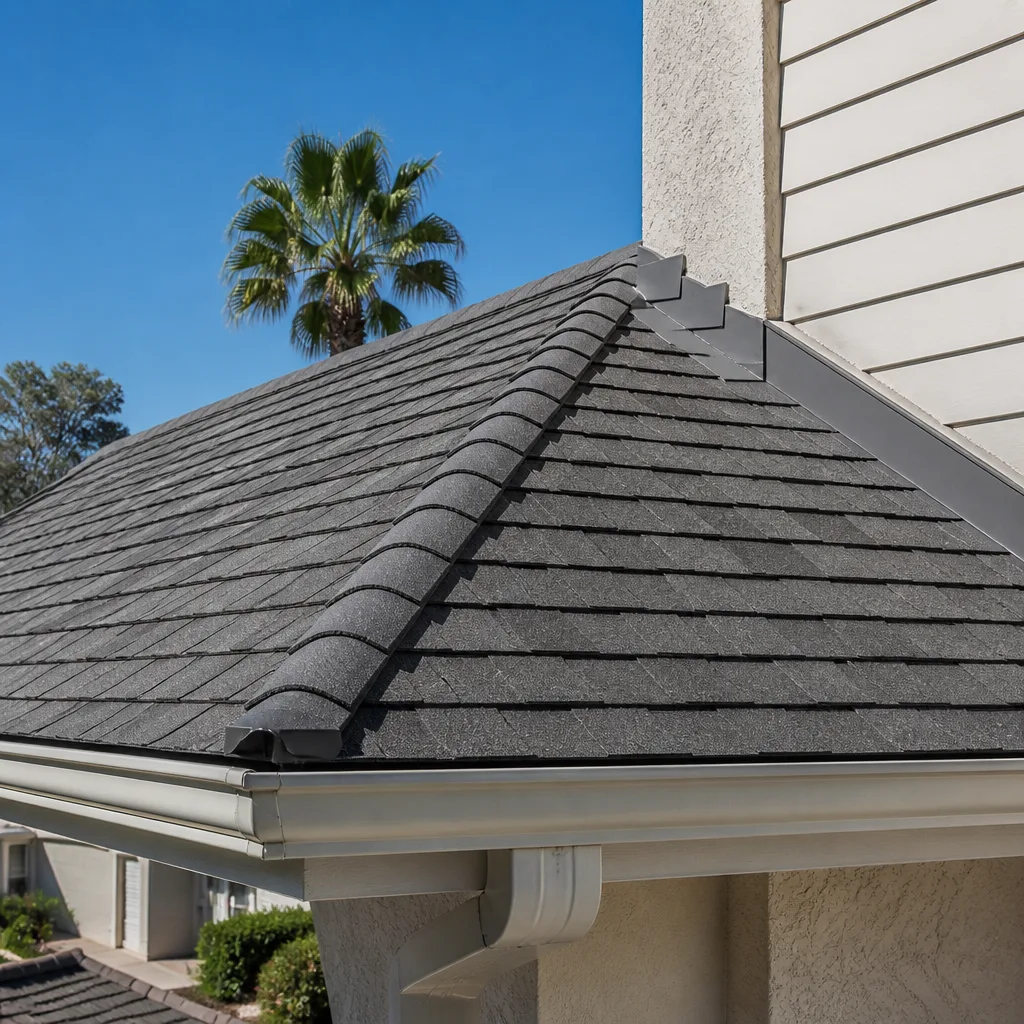
- Granule accumulation in gutters. Composition shingles from IKO, Atlas, or Tamko shed a small amount of granule as they weather. It’s normal in the first year. When the gutter does not clear between rains because a mat of granule is sitting in it, the shingle surface has aged past half its life. The granules are the shingle’s UV protection, and pavers are what you’re paying for, not the asphalt beneath.
- Soft spots in the deck. Walk the roof only if it’s safe and you know the surface is dry and walkable; otherwise check from the attic side. A soft spot is spongy underfoot or darkened decking seen from below. That’s rotted sheathing, and it usually means a leak has been running for a season or more.
- Flashing separation at parapet walls. Torrance flat roofs and low-slope sections often have a parapet, the low wall around the roof edge. The flashing that covers the wall-to-roof joint is where water gets in. Look for lifted edges, visible gaps under the metal, or a caulking bead that’s dried and pulled away from the wall. A gap you can slip a putty knife under is a gap water will find.
- Sagging roofline. A dip in the ridge line or the eave line visible from the street signals a framing or sheathing problem. That is a call-now sign, not a monitor sign.
A roof with separated parapet flashing or active soft deck spots is worth a professional inspection before the first rain. Water that gets in at a parapet and runs down a wall cavity rarely shows up inside the house until it has soaked a wall for a full season.
When a Warning Sign Crosses Into Permit Territory
California draws a line between what an owner may repair themselves and what requires a licensed contractor and a building inspection. Crossing that line without a permit is one of the costliest mistakes a homeowner can make, because it surfaces at the worst possible moment: at resale, when the buyer’s inspector notices.
In general terms, a repair that is cosmetic or surface-level can often be done by the owner. A repair that touches structural framing, waterproofing on a roof, gas or electrical systems, or a load-bearing element requires a licensed contractor and a permit, with an inspection by the local building department. That includes replacing more than a small patch of roof, structural foundation repair, and any electrical or gas work. The exact threshold and permit fees vary; call Torrance’s building department or check their website before you start.
Why this matters for warning signs specifically: the sign is the symptom. The repair is where the permit question lives. If a horizontal crack in a block wall turns out to need a new retaining wall or footing, that is permit-and-inspection work. If the rust streaks come from a corroding lintel over a garage door, lifting that header is structural work. Calling a licensed contractor early means you learn the scope and the permit requirement before you’ve started.
This is also where a written price matters. A written scope and written price before anyone picks up a tool shows you exactly what is being repaired and what the permit covers. Under Clause 1 of the Haven Standard, the number is in writing before the work starts, on every trade. If a contractor won’t put the scope and the price on paper, that is itself a warning sign.
How to Build a Measurement Log
A photograph without a scale is an opinion. A measurement with a date is evidence. Build a simple log and it will save you the guessing.
- Buy a crack gauge (a few dollars at a hardware store) or use a stack of coins for scale in photos.
- Measure the widest point of each crack and note the date. Use the same point each time.
- Photograph the crack next to a coin or gauge with a note card showing the date and location in the frame.
- Mark each end of the crack with a pencil line and a date, so growth is visible even if you don’t remeasure.
- Record the crack’s pattern (vertical, horizontal, stair-step, spiderweb) and whether the faces are flush or displaced.
- Re-check monthly through the wet season, from October through April in Torrance.
- If any crack crosses the 1/4-inch threshold, displaces, or changes pattern, stop monitoring and call a licensed contractor.
Bring the log to the estimate meeting. A contractor who can read your log alongside the condition of the substrate, the shingle layer count, and the tile membrane will give you a more accurate written price than one working from a glance.
Common Mistakes to Avoid
- Patching a wet wall. Painting or stuccoing over efflorescence or a rust streak before fixing the water source traps the moisture and peels off within a season. Find the source first, repair second, finish last.
- Judging a crack by width alone. A 1/8-inch displaced crack is often more serious than a 3/8-inch flush one. Note displacement in your log.
- Ignoring a north-facing wall. Torrance’s marine layer keeps north and northwest walls damp longest. A wall that never dries is a wall that will show bubbles and mildew, and repainting it doesn’t fix the damp.
- Walking a roof without checking the deck first. A soft spot underfoot is a warning sign in itself, and stepping on one can put a foot through rotted sheathing. Check from the attic side when you can.
- Skipping the permit on a structural repair. Under the table structural work surfaces at resale and can cost far more than the permit. A licensed contractor pulls the permit and the inspection gets documented.
- Using the wrong stucco patch material. Pre-mixed patching compound over a three-coat stucco wall often fails to bond and cracks within a year. Match the material to the wall.
- Waiting for the wet season to act. Torrance gets most of its rain from late fall through early spring, so a warning sign in September is a warning sign with six weeks of lead time. Act now, not in the first downpour.
See the difference
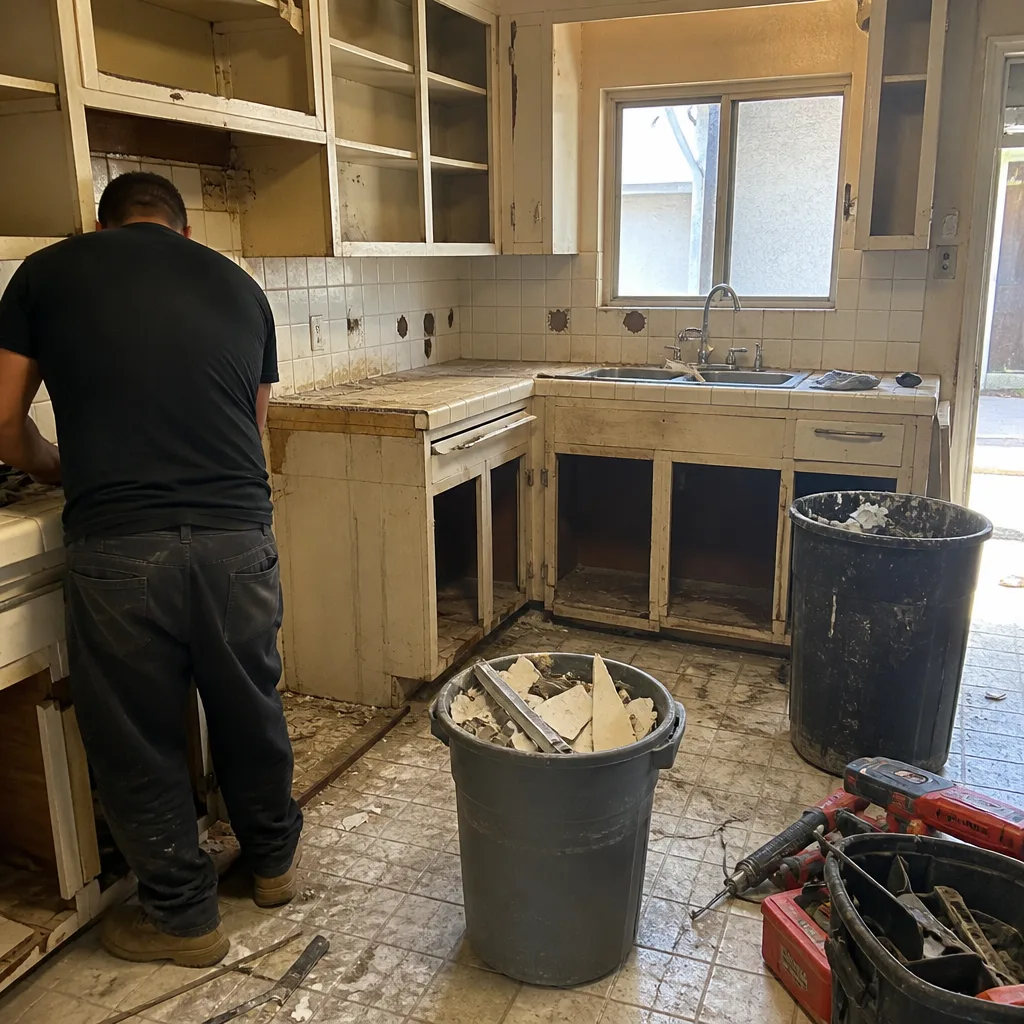 Before
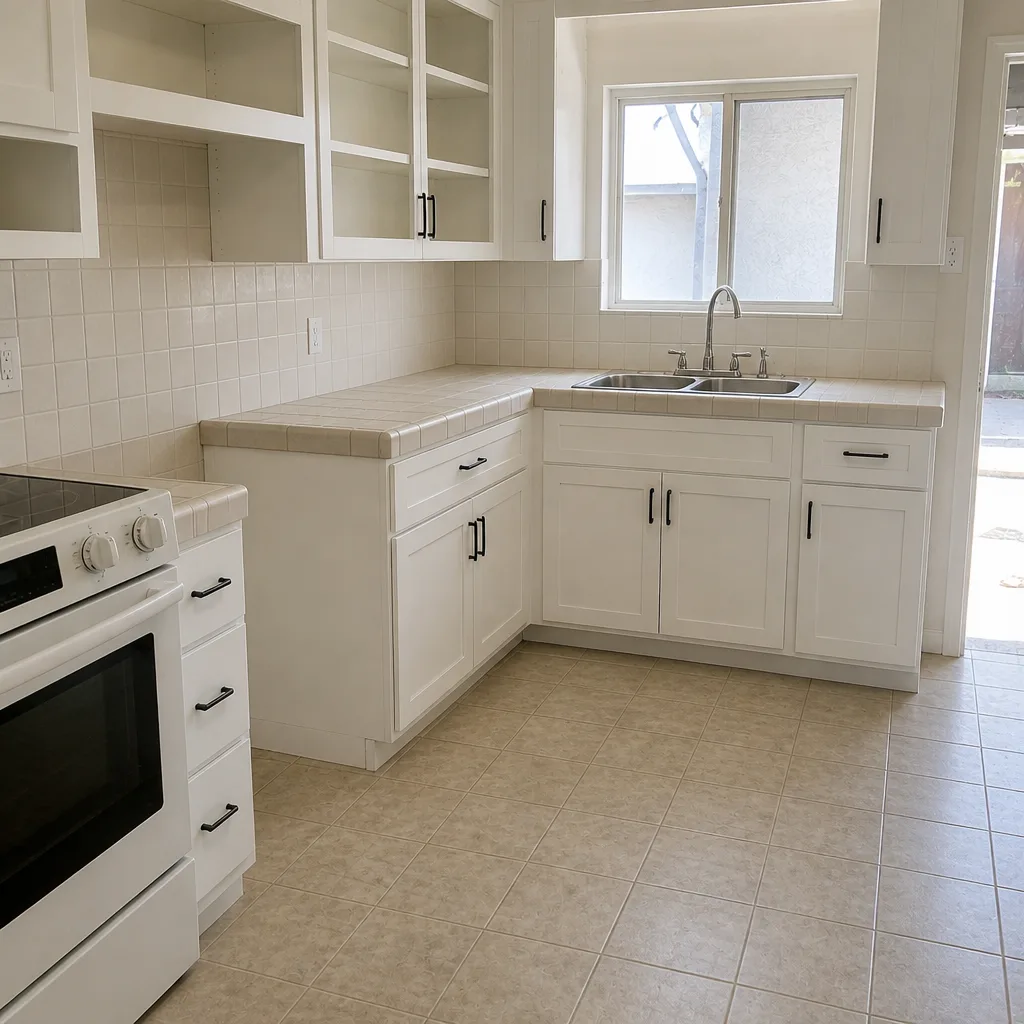 After
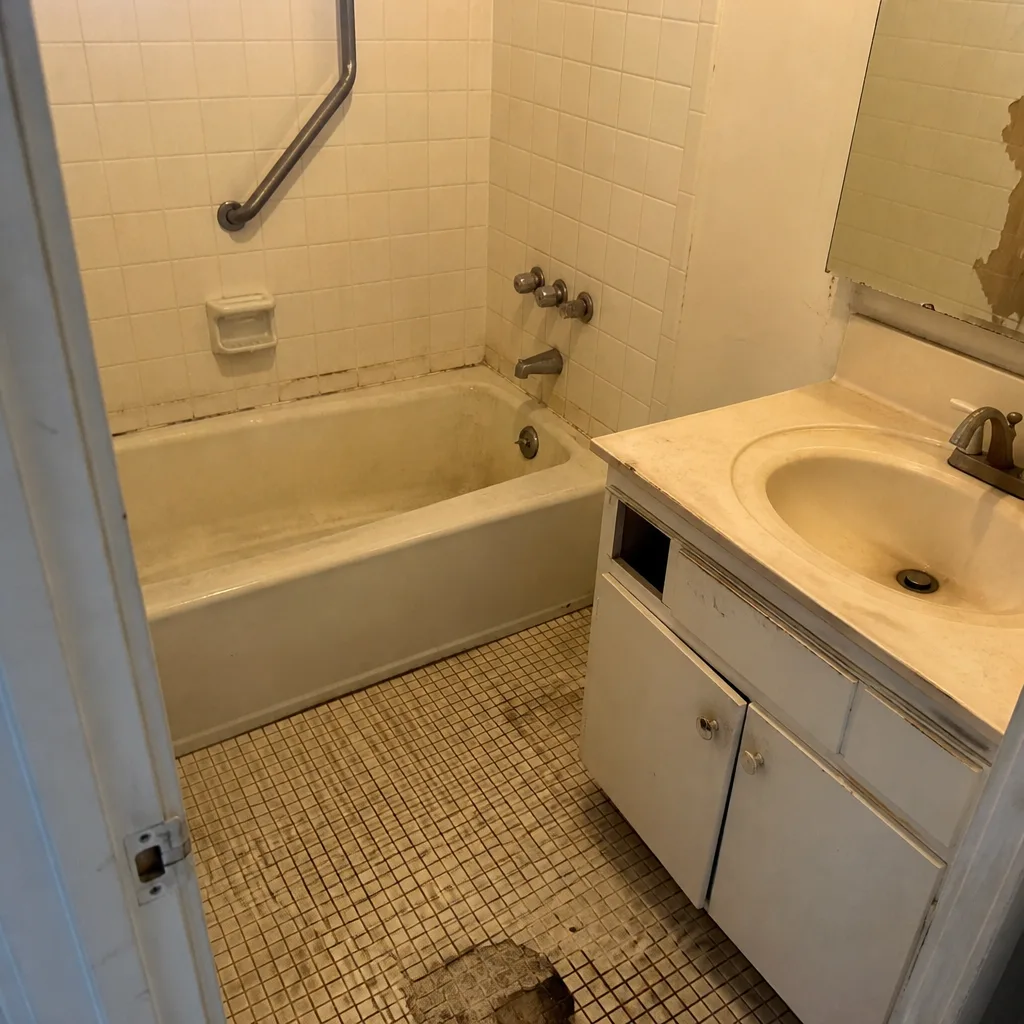 Before
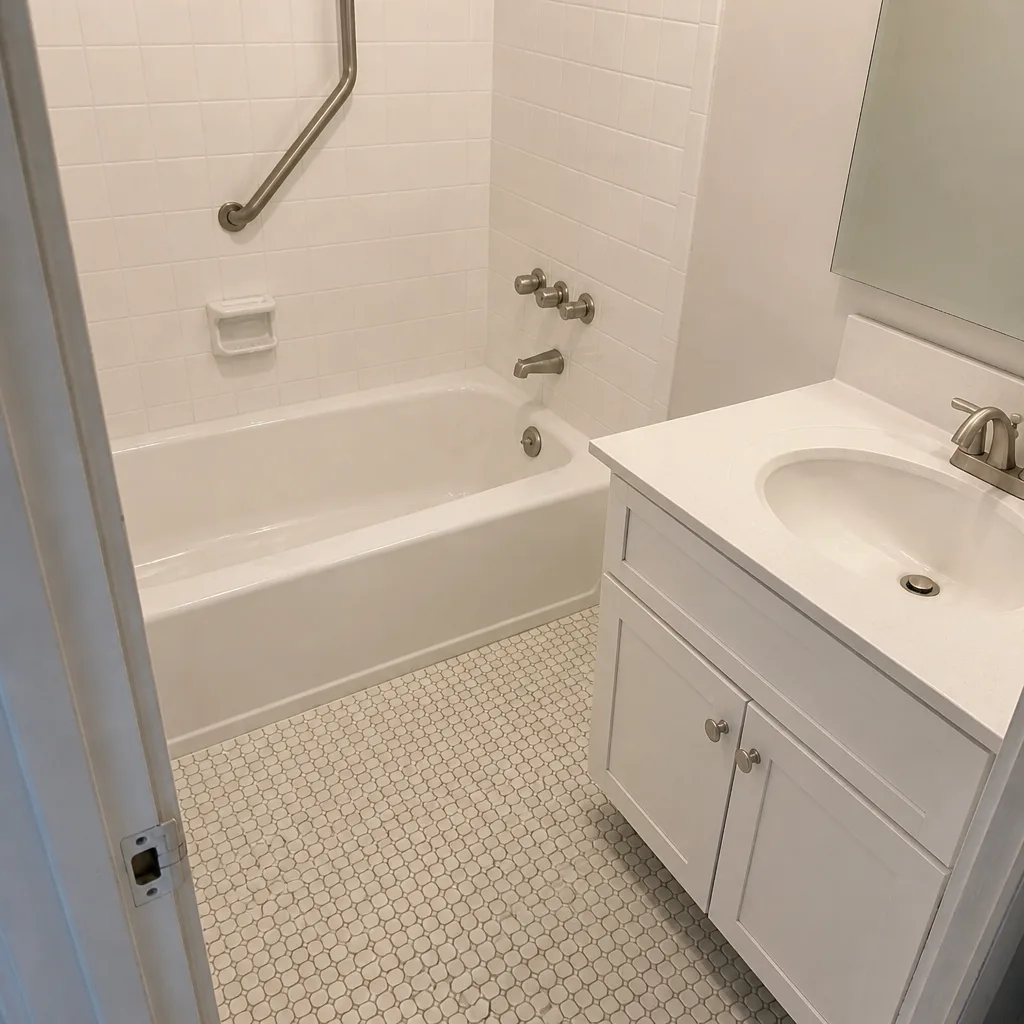 After
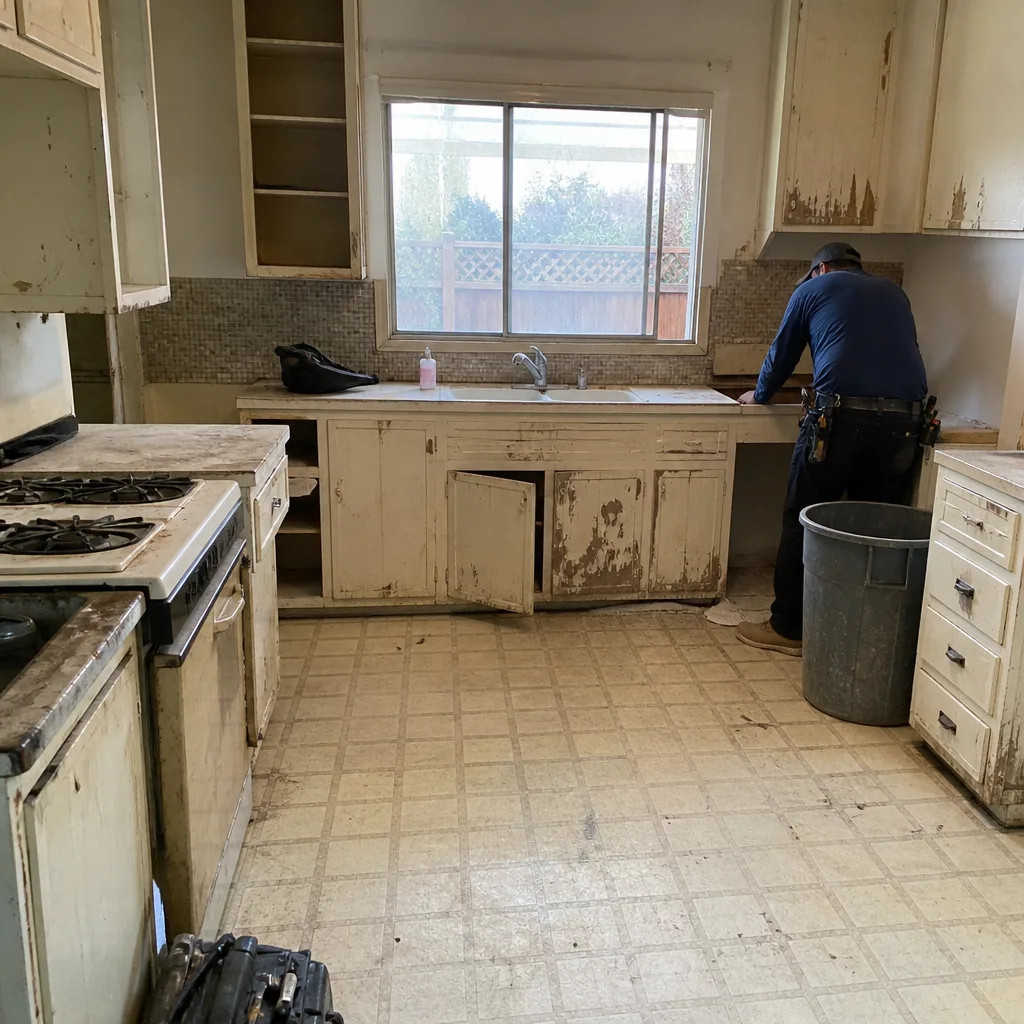 Before
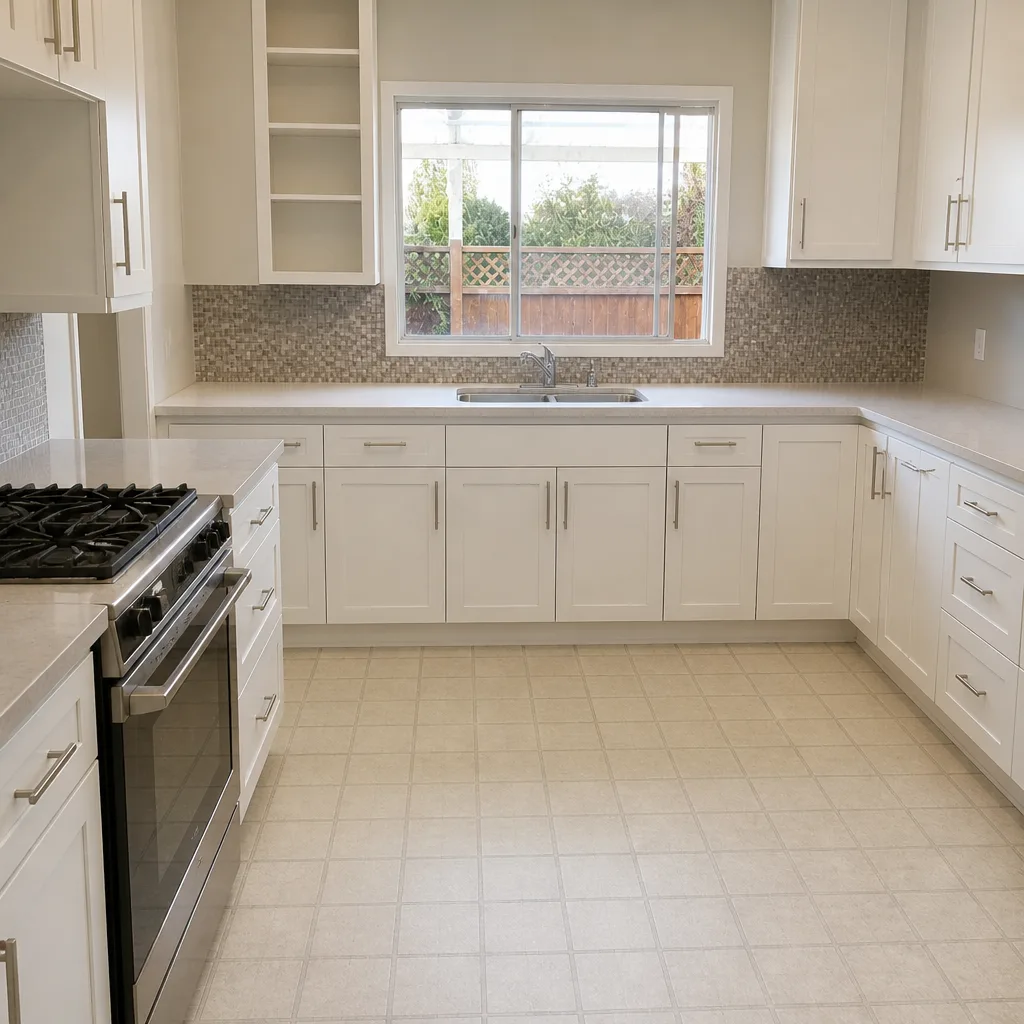 After
When to Call a Professional
Call a licensed contractor when any of these appear: a horizontal crack in a block or brick wall, a crack at 1/4 inch or wider, a crack with displaced faces, rust streaking from embedded steel, a soft spot in the roof deck, sagging rooflines, or a door or window that binds suddenly and doesn’t free up. Call before the rainy season if you’re seeing efflorescence that returns within a month. Call before you start a structural repair, because that work requires a permit and an inspection. For the smaller stuff (a hairline stucco crack, paint bubbling on one wall), start with a measurement log and a photo record so you know when it changes. Rowan Construction Group Torrance offers free estimates in Torrance, and we bring a written scope and a written price before any work starts. Call (888) 349-6729 to schedule a visit, and we’ll review your log with you and tell you what needs measuring versus what needs fixing.
Frequently Asked Questions
At 1/4 inch or wider, call. That’s roughly the thickness of two stacked nickels. A crack at that width can admit water behind the weather barrier, and in a block wall it warrants a professional look. Cracks between 1/16 and 1/4 inch are monitor-and-photograph territory. Under 1/16 inch is typically cosmetic, but mark both ends with the date so you can see growth.
It usually points to differential settlement, meaning one part of the wall’s footing has moved relative to another. The crack follows the mortar joints diagonally because the mortar is the weakest plane. It’s often manageable, but it needs eyes on it. A horizontal crack running parallel to the ground is the more urgent pattern because it suggests lateral soil pressure pushing from behind the wall.
That’s efflorescence, a salt bloom that appears when water moves through masonry and evaporates on the surface. It wipes off with a stiff brush. If it returns within a month, water is still moving through the wall, and the source (grading, a downspout, a window leak, a roof flashing gap) needs to be fixed before the wall is repainted or patched. Call (888) 349-6729 for a free estimate if it keeps coming back.
Structural foundation repair in California generally requires a licensed contractor and a building permit with an inspection. Cosmetic repairs often do not. The exact threshold and fees are set by the local building department, so check with Torrance’s building department or ask your contractor to confirm the permit scope in writing before work starts. A written scope and written price shows exactly what the permit covers.
That’s a seasonal movement signature, and it points to expansive clay soil under part of the foundation swelling when wet and shrinking when dry. A door that binds seasonally and frees up again is usually monitorable. A door that binds suddenly and stays bound is the sign of a single event, such as a slab leak or root lifting a footing, and that one is worth a call to a licensed contractor.
When granules are matting in the gutters between rains, the shingle surface has aged past half its life. Add soft deck spots or separated flashing at a parapet wall and repair stops being cost-effective. Composition shingles from IKO, Atlas, or Tamko shed granule as they age; a mat of it in the gutter is the sign. Roof replacement is permit-and-inspection work, so a written scope and a written price before the work starts is your protection. Call (888) 349-6729 for a free estimate and a written price before the wet season.
The Bottom Line
Warning signs on a Torrance home read in three layers: width and pattern (a horizontal crack is not the same as a stair-step), moisture indicators specific to coastal construction (efflorescence, rust streaks, bubbling on north walls), and systemic movement (binding doors, soft roof decks, separated parapet flashing). Put a number on each one. Measure, photograph, date, and re-check monthly. Cross the 1/4-inch threshold, see displacement, or spot rust streaks from embedded steel, and it’s time to call a licensed contractor rather than keep watching. The sooner the scope is on paper, the sooner the price is too. That’s the whole point of a written estimate before anyone picks up a tool.
For a free second opinion on any written estimate, or on the log you’ve built, Rowan Construction Group Torrance will review it with you line by line at no charge. Under Clause 1 of the Haven Standard, the price is written before anyone starts, and no work proceeds on a change until the change order is signed. Take a look at our Rowan Construction Group Torrance home for the full picture, and if the warning sign you find is a failing driveway or a leaning fence, our Driveway & Pavers in Torrance and Fence Installation in Torrance teams can help with those too. Bigger structural questions? Our Home Additions & ADU in Torrance team handles the permit-side work with a written scope and written price every time. Call (888) 349-6729 for your free estimate.
Written by the team at Rowan Construction Group Torrance.