Last updated November 17, 2026


Free written scope consultation - allowances, timeline, and change-order rules on paper before a single trade is scheduled
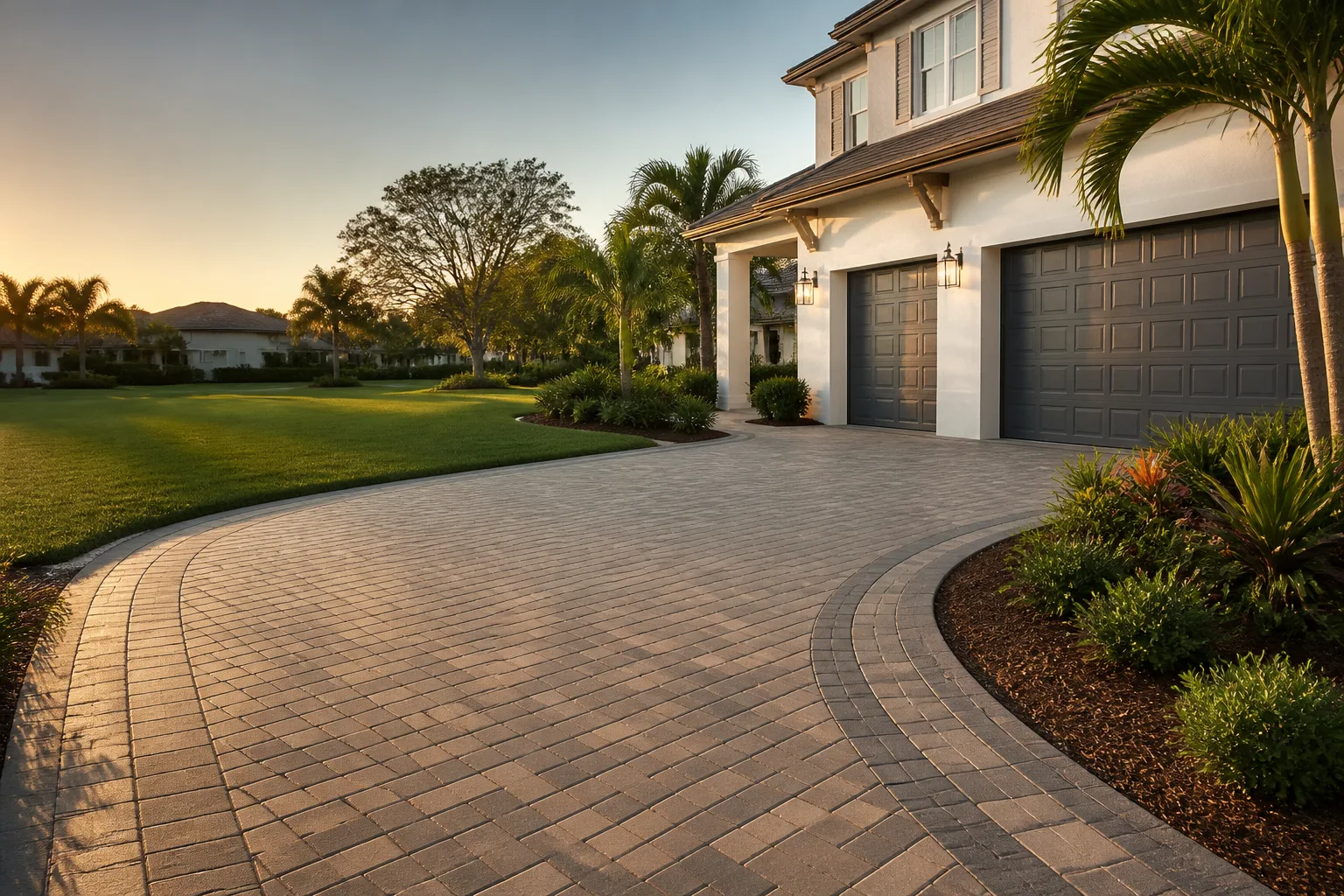
Driveway & Pavers Maintenance Checklist for Torrance Homeowners
A concrete driveway in Torrance that goes unsealed for three years can lose up to 20% of its surface density from UV carbonation and salt-air penetration. That damage doesn’t announce itself. It shows up later as spalling, then as a grind-and-resurface bill at $4 to $9 per square foot. Most maintenance advice you’ll find online was written for places with hard freezes and road salt. Torrance doesn’t get a winter break. It gets 365 days of coastal sun, marine-layer moisture, and airborne salt, which is a completely different set of stressors on concrete and pavers. This checklist is calibrated for that reality: what to inspect, when to do it, which sealers actually hold up, and how to document everything so a warranty claim or insurance event doesn’t turn into an argument.
Quick Answer
Torrance driveways need sealing every two to three years, paver joint sand topped off once a year, and a visual inspection after every Santa Ana wind event. The single most important habit is re-sanding joints before they erode past the chamfer, because once sand washes out, pavers rock, edges chip, and weeds take the gap. Document conditions with dated photos at each seasonal inspection so you have a record if a contractor’s work or an insurance claim is ever questioned.
Styles & brands we work with
- Kitchen remodeling
- Bathroom remodeling
- Home additions & ADU
- Roofing
- Windows & doors
- Driveway & pavers
- Fence
Table of Contents
- How Torrance’s Marine Layer Attacks Paver Joint Sand
- Which Sealer Chemistry Survives Coastal UV?
- Month-by-Month Maintenance Calendar for Torrance
- Spotting Efflorescence Before It Becomes Structural Staining
- Oil Stains on Coastal Concrete: What Works, What Etches
- The Photo Record That Protects a Warranty Claim
- Common Mistakes to Avoid
- When to Call a Professional
How Torrance’s Marine Layer Attacks Paver Joint Sand
Polymeric sand doesn’t fail because of rain. It fails because of what the moisture carries. Torrance sits close enough to the coast that the marine layer pushes salt-laden air inland most mornings from May through September, and that salt settles into the joint sand. Salt is hygroscopic, meaning it pulls moisture out of the air and holds it against the sand binder. Over months, that constant damp-dry cycling breaks down the polymer bridge between grains, and the joint starts to erode from the top down.
What you’ll see first is a shallow channel in the joint, often on the windward side of the driveway where the onshore flow hits hardest. Once the sand drops below the paver chamfer (the beveled top edge), the pavers lose their lateral support. That’s when you get rocking, and rocking is what chips corners and cracks the bedding layer underneath.
Re-sanding schedule we recommend for Torrance pavers:
- Year one after installation: inspect joints at the six-month mark. Polymeric sand settles more than most installers admit.
- Annually: top off joints that have dropped more than 1/8 inch below the chamfer with fresh polymeric sand matched to the existing color.
- After any Santa Ana wind event: sweep and inspect. Wind-driven grit acts like sandpaper on joint sand and compacts debris into the joints.
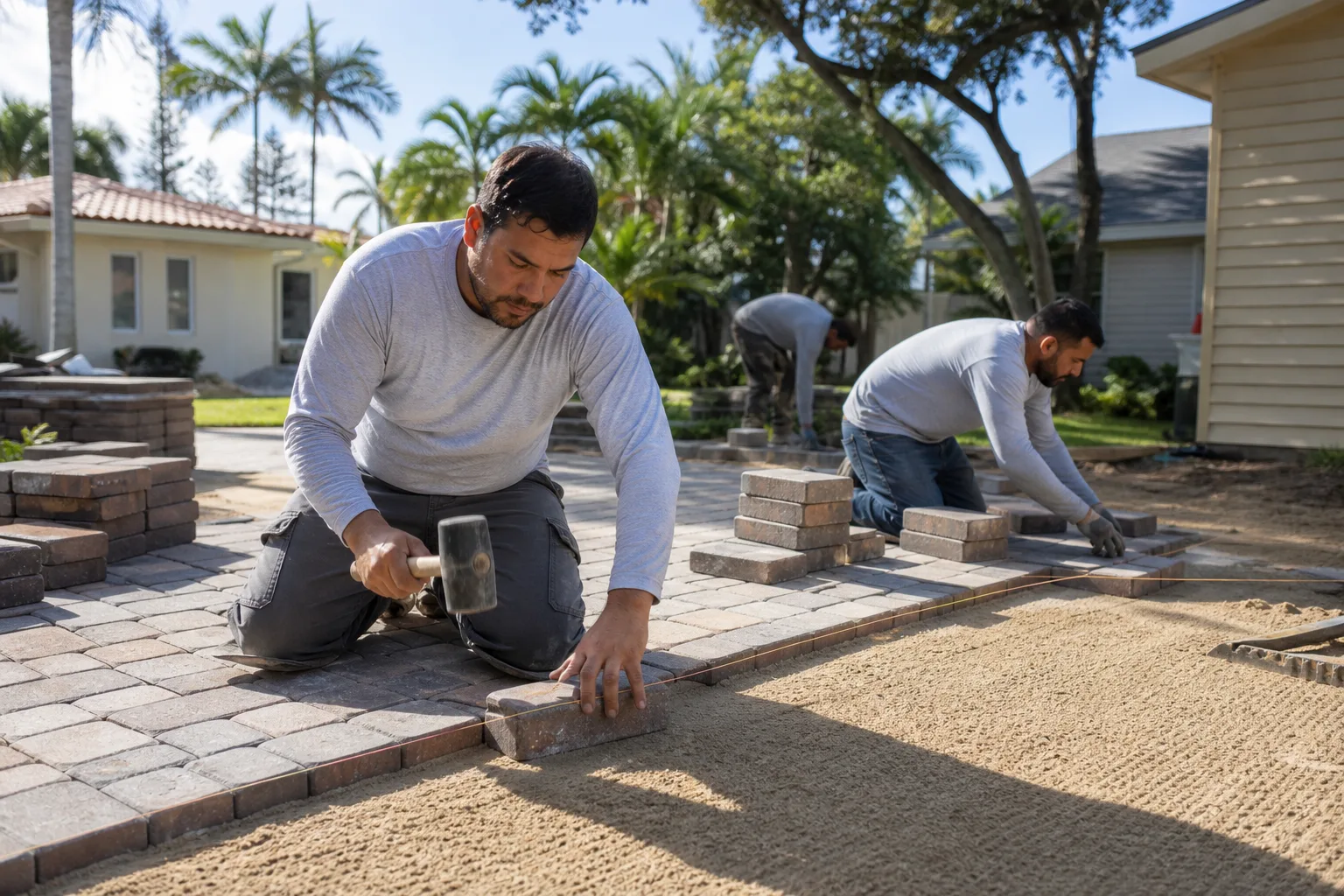
Belgard and Techo-Bloc pavers both specify polymeric sand for joint stabilization, and both publish joint-width ranges. If your driveway was built with a wider joint than the manufacturer’s spec, you’ll erode faster no matter how careful you are. We’ve measured Torrance driveways where the original installer ran joints wide to save time, and those need re-sanding every eight to ten months instead of annually. If you’re weighing paver replacement against repair, our Driveway & Pavers in Torrance page walks through the cost difference.
Which Sealer Chemistry Survives Coastal UV?
There are two families of sealer on residential driveways, and they fail in different ways under Torrance conditions. Knowing which one is currently on your driveway changes everything about how you maintain it.
Penetrating silane-siloxane sealers soak into the concrete or paver surface and chemically bond with the substrate. They don’t form a film, so they can’t peel, yellow, or trap moisture. Under coastal UV they’re the more durable choice, typically lasting three to five years on a Torrance driveway. They don’t add gloss, which some homeowners want and others don’t.
Film-forming acrylic sealers sit on top of the surface and produce a wet-look sheen. They look great for the first year. Under Torrance’s UV load, acrylic films break down faster than they do inland, and once a film starts to chalk or crack, moisture gets underneath and the whole layer lifts in sheets. Re-coating over a failing film traps the problem. You have to strip it first.
How to tell what’s on your driveway right now:
- Water bead test. Drip a cup of water on the surface. If it beads tightly and sits on top, you likely have a film-forming sealer. If it darkens the surface and soaks in within a minute, you have a penetrating sealer or no sealer at all.
- Gloss check. A uniform sheen that reflects the sky like a wet surface points to acrylic. A matte finish that only darkens the color slightly points to penetrating.
- Peel test. Find a discreet corner and press a strip of strong tape down, then lift. Flakes on the tape mean film-forming. Nothing on the tape means penetrating or bare.
If you’re unsure, don’t guess and re-coat. Applying acrylic over a penetrating sealer can leave a blotchy, uneven film that’s expensive to remove. We’ve seen that mistake on half a dozen Torrance driveways in the last few years, and stripping a bad film costs more than the original seal did.
Month-by-Month Maintenance Calendar for Torrance
Generic “spring and fall” advice doesn’t map to Torrance weather. Our wet season runs roughly November through March, the marine layer dominates late spring through summer, and Santa Ana winds arrive unpredictably in fall and winter. This calendar is built around those actual patterns.
- January: Post-rain inspection. Walk the driveway after the first heavy storm and look for ponding, joint washout, and any new cracks. Photograph everything with a date stamp.
- February: Deep clean. Pressure-wash at low pressure (under 1,500 PSI on pavers) to remove winter grime before the dry season sets surface stains.
- March: Re-sand joints that dropped over winter. This is the most common month for joint erosion to show up in Torrance because rain plus sand migration combine.
- April: Pre-summer sealer check. Run the water bead test. If the surface is absorbing water freely, schedule sealing before the UV peak.
- May through August: Monthly visual walk. Marine layer season. Check for efflorescence (white haze), algae in shaded joints, and joint sand loss. Light sweeping only.
- September: Post-summer stain treatment. Oil and tire marks set hardest under summer heat. Treat now, not in December.
- October: Pre-Santa Ana inspection. Clear debris, check for loose pavers, and photograph the whole driveway before wind season.
- November: Post-Santa Ana wind inspection. Wind-driven grit compacts into joints; sweep it out and check edges for displacement.
- December: Drainage check. Confirm water flows to the street or a drain, not toward the garage slab or foundation. Standing water at the slab edge is a foundation problem waiting to happen.
Two of those steps matter more than the rest: the October pre-wind inspection and the November post-wind sweep. Santa Ana events push fine grit across Torrance, and that grit works its way into every joint. Clearing it before the next rain prevents the compaction that turns into weed growth.
Spotting Efflorescence Before It Becomes Structural Staining
Efflorescence is the white, powdery mineral deposit that appears on concrete and pavers when water moves through the material and evaporates at the surface, leaving salts behind. On a Torrance driveway, it’s most common in spring when wet-season moisture is still working its way out of the slab or bedding layer. It looks alarming and usually isn’t. The problem is what happens if you ignore it.
Early efflorescence wipes away with a dry soft brush. That’s the test. If brushing removes it and it stays gone for weeks, it was surface salt and it’s harmless. If it comes back within a week or two, moisture is actively migrating through the material, and that’s a different situation. Recurring efflorescence on pavers can signal a drainage problem under the bedding layer or a poorly compacted base holding water.
For confirmed efflorescence, the standard removal mix is one part white vinegar to four parts water, applied to a small test area first, scrubbed with a stiff (not wire) brush, then rinsed thoroughly. Never use muriatic acid on pavers without a professional; it etches the surface and can permanently discolor colored concrete. We’ve seen a homeowner turn a light white haze into a permanent gray scar with a full-strength acid wash on a Belgard driveway.
When efflorescence should worry you:
- It returns within a week of removal, repeatedly.
- It’s accompanied by soft or crumbling material underneath.
- It appears only along the driveway perimeter or at the garage slab edge, which points to water entering from outside.
- It appears on vertical surfaces like a stem wall, which means moisture is wicking up from the base.
Any of those four signs is a queue for a professional evaluation. If the issue turns out to be foundation-adjacent drainage, it can touch other parts of the property, and our Home Additions & ADU in Torrance team often gets called in to look at grading issues that start at the driveway edge.
Oil Stains on Coastal Concrete: What Works, What Etches
Oil stains are the most visible maintenance issue on a Torrance driveway, and the coastal moisture actually makes them worse. The marine layer keeps the surface slightly damp in the mornings, which slows evaporation of the oil and lets it soak deeper into the concrete pores before it can be cleaned. A drop of oil that would sit on the surface inland has usually penetrated within 24 hours here.
What works, in order of aggressiveness:
- Absorbent powder first. Cat litter or diatomaceous earth, ground in with a brick and left for 24 hours, pulls fresh oil out of the pores. Do this within a day of the spill.
- Dish soap and hot water for light, recent stains. Scrub with a stiff brush, rinse, repeat.
- Commercial concrete degreaser for older stains. Follow the dilution ratio on the label exactly. Stronger is not better; it’s just more expensive and more likely to leave a halo.
- Poultice treatment for deep, set-in stains. A paste of baking soda or an absorbent clay plus a solvent, applied and covered for 24 to 48 hours, pulls oil up through the surface.
What not to use: muriatic acid (etches the concrete and creates a permanently lighter patch), straight bleach (destroys the surface layer and kills any joint sand polymer), and high-pressure washing over 1,500 PSI on pavers or 2,000 PSI on concrete (spalls the surface and blows out joints). Those three are the top causes of DIY damage we get called to fix in Torrance.
The Photo Record That Protects a Warranty Claim
Most driveway disputes come down to a simple question: what condition was this in before, and what happened. A dated photo record answers both. It takes five minutes and it’s the single best protection you have if a warranty claim, an insurance event, or a contractor dispute ever comes up.
What to photograph and when:
- Before any work starts: wide shots of the full driveway from two angles, plus close-ups of every crack, stain, and joint issue. Date stamps on every photo.
- After any work is complete: the same angles, plus a close-up of the installed material and the joint lines. Photograph the material packaging if any was left behind.
- Seasonal inspections: the October pre-Santa Ana and February post-rain shots are the two that matter most. Four photos each, same angles every year, makes a time-lapse comparison easy if a problem develops slowly.
- Any damage event: a vehicle strike, storm runoff, or utility work near the driveway. Photograph before you repair anything. Insurance claims need the damage documented before remediation.
Store the photos in a shared cloud folder with a clear naming convention, not on a phone that gets replaced every two years. When Rowan crews complete any visit, a documented photo record is included as a standard deliverable, so you always have the “after” side of the comparison without having to think about it. If you’re comparing contractors on a driveway project, ask whether they provide that record as standard or as an upgrade. It’s a useful tell.
Common Mistakes to Avoid
- Sealing over a dirty or damp surface. Torrance mornings are often damp until 10 a.m. from the marine layer. Sealing while the surface is still holding moisture traps water under the film and guarantees peeling within a season. Wait for a dry afternoon.
- Top-dressing joint sand with regular builder’s sand. It washes out in the first rain and provides no stabilization. Only polymeric sand or the manufacturer-specified joint material belongs in paver joints. Regular sand is also how weeds get a foothold in Torrance.
- Pressure-washing at full power. A 3,000 PSI washer will strip the top layer of concrete and blow joint sand out of pavers. Cap it at 1,500 PSI on pavers and 2,000 PSI on concrete, use a fan tip, and keep the wand moving.
- Ignoring hairline cracks. A 1/16-inch crack in Torrance becomes a 1/4-inch crack within two wet seasons because water gets in and expands on the rare cold nights. Seal cracks while they’re small. The product cost is a few dollars; the repair cost is not.
- Applying acrylic sealer without knowing what’s already there. Layering acrylic over a penetrating sealer or over a failing acrylic film produces a blotchy, peeling mess that costs more to strip than a proper first-time seal would have cost. Do the water bead test first.
- Skipping the post-Santa Ana sweep. Wind-driven grit compacts into joints and hastens sand erosion. A 10-minute sweep after a wind event prevents a full re-sand later.
- Not checking drainage at the garage slab. Water that pools within a foot of the garage slab will find its way into the wall assembly. If your driveway slopes toward the garage instead of away, fix the grade before you spend money on sealant.
When to Call a Professional
Some of this checklist is genuinely DIY territory: sweeping, oil-spot treatment, efflorescence brushing, and recording photos. Other items aren’t. Call a professional when you see pavers rocking more than a few at once, which usually means the bedding layer has failed underneath and re-sanding alone won’t fix it. Call when cracks exceed 1/4 inch or when a crack runs the full width of the slab. Call when recurring efflorescence points to a drainage or base problem you can’t diagnose from the surface. And call before you apply any full-strength chemical, because the cost of a professional treatment is a fraction of the cost of fixing DIY damage. If you’re not sure which category a given issue falls into, the safe move is to get eyes on it before you spend anything.
Rowan Construction Group Torrance offers free estimates in Torrance. We’ll walk the driveway, tell you what we see in plain terms, and put a written price in front of you before any work starts. Call (888) 349-6729 to schedule. If you already have a written estimate from another contractor, we’ll review it line by line at no charge as a free second opinion.
See the difference
 Before
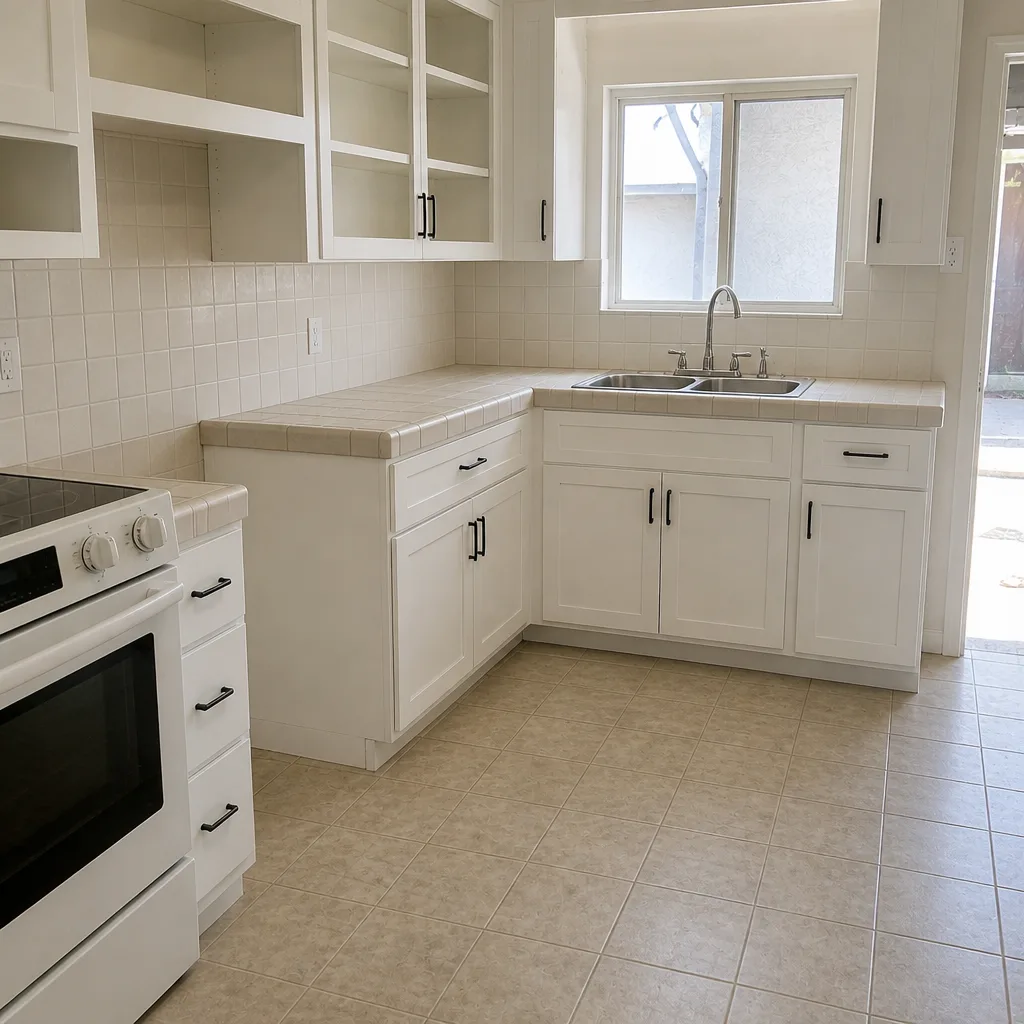 After
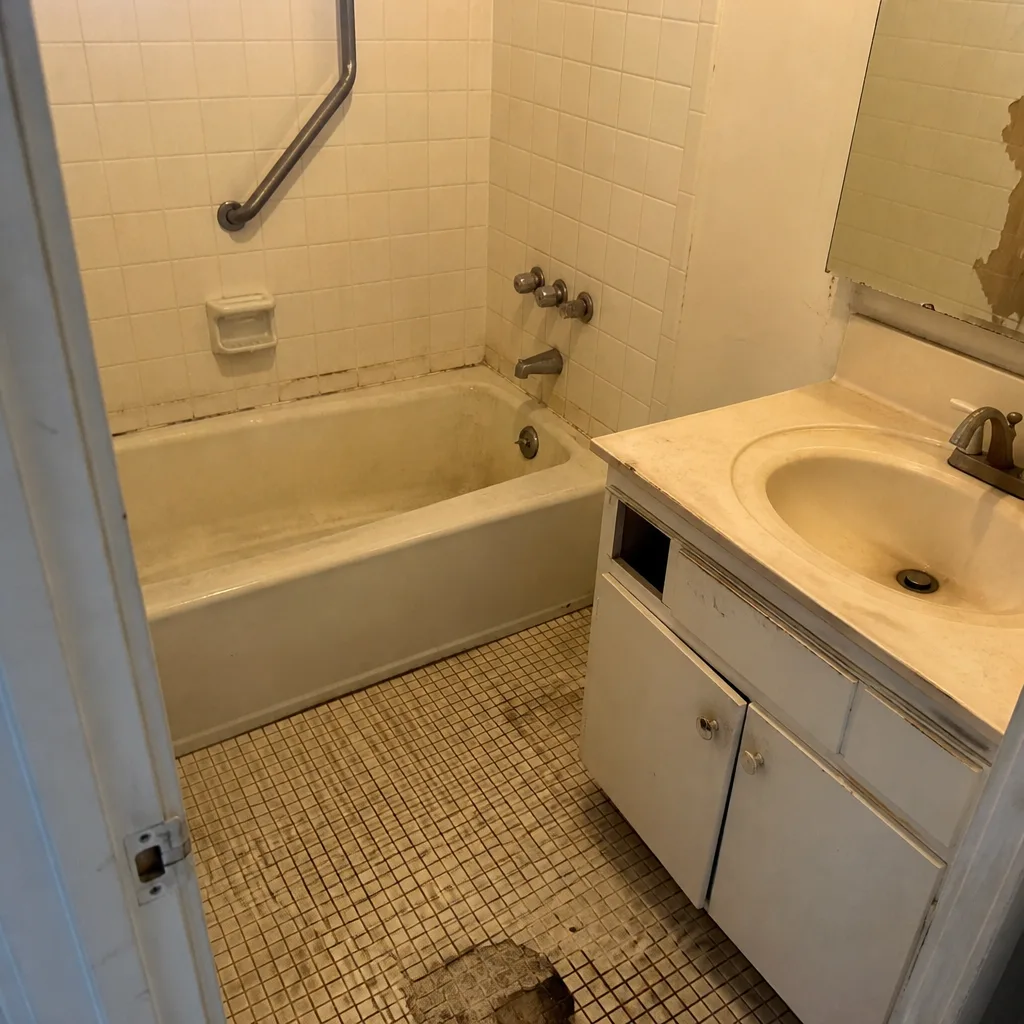 Before
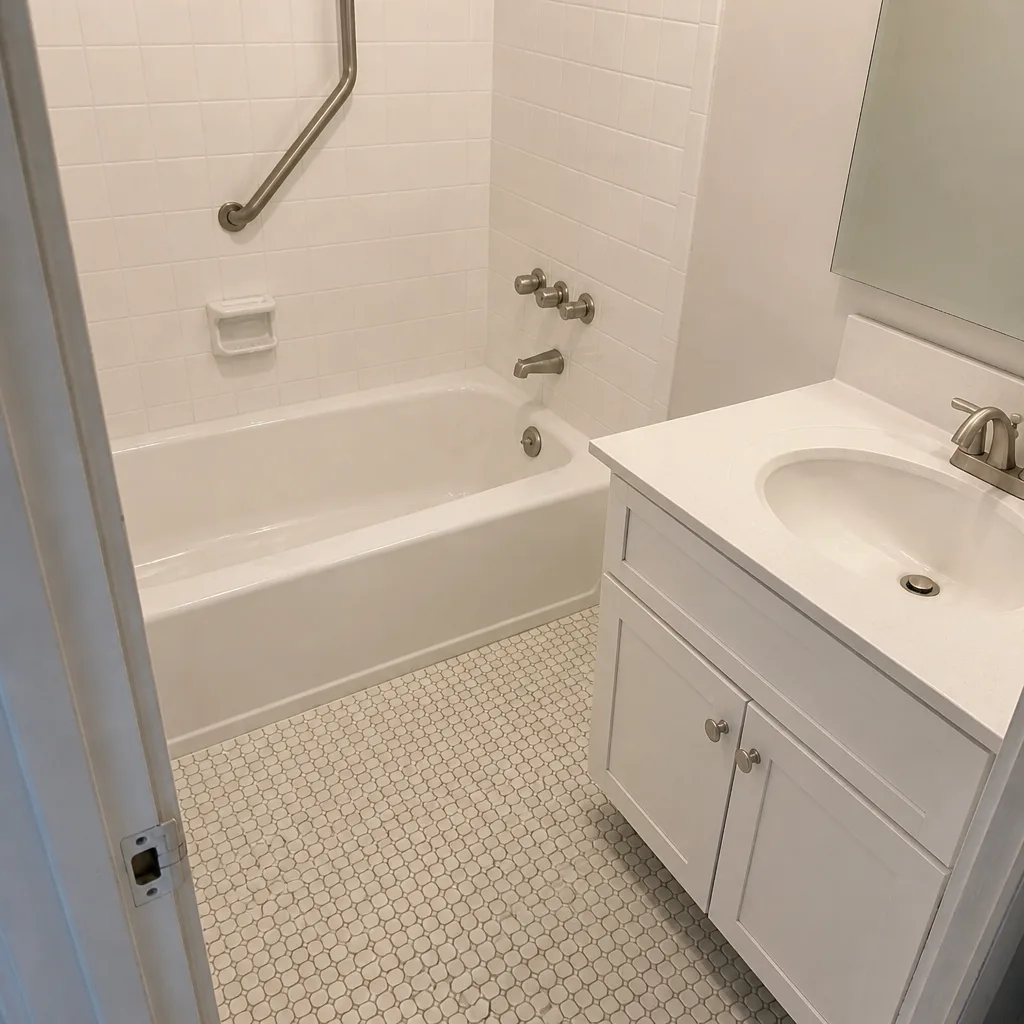 After
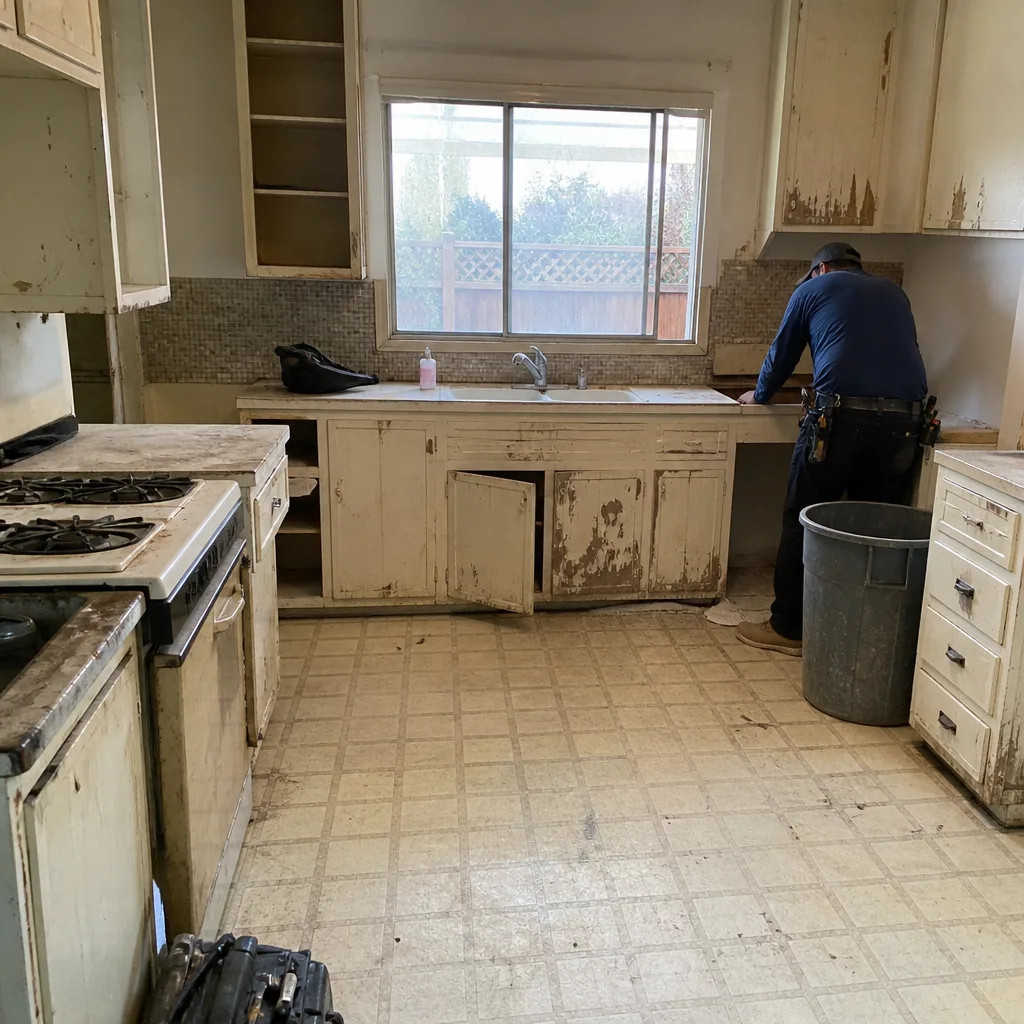 Before
 After
Frequently Asked Questions
Every two to three years for a penetrating silane-siloxane sealer, and every one to two years for a film-forming acrylic under coastal UV conditions. Torrance’s solar load and salt air break down sealers faster than inland climates, so the interval here is shorter than national guidance suggests. Run the water bead test each spring; if the surface absorbs water freely within a minute, it’s time to reseal. Call (888) 349-6729 for a free assessment if you’re not sure which sealer is on your driveway now.
Yes, in most Torrance driveways, joints need topping off once a year with polymeric sand. The marine layer pushes salt into the joint sand, breaking down the polymer binder faster than in dry climates. If the sand has dropped below the paver chamfer, it’s already past time. Call (888) 349-6729 and we’ll tell you whether a top-off is enough or whether the joints need a full re-sand.
That white powder is efflorescence, a mineral deposit left behind when moisture moves through the paver and evaporates at the surface. Early efflorescence brushes away with a dry stiff brush. If it returns within a week of removal, moisture is actively moving through the material and the underlying drainage needs a look. A one-to-four white vinegar to water mix handles surface efflorescence; don’t use muriatic acid, which permanently etches the surface. Call (888) 349-6729 if it keeps recurring.
Yes, within pressure limits: under 1,500 PSI on pavers and under 2,000 PSI on concrete, using a fan tip and keeping the wand moving. Anything higher strips joint sand, spalls the concrete surface, and creates permanent marks. The Torrance driveways we’re called to fix are most often damaged by full-power pressure washers rather than by normal wear. Call (888) 349-6729 if you’ve already caused damage and want an honest assessment before deciding on repair.
Not directly, but the moisture cycling accelerates existing weaknesses. Water that gets into a hairline crack expands on cool nights and forces the crack wider, so small cracks become large ones over two or three wet seasons in Torrance. Sealing cracks while they’re under 1/16 inch is cheap; repairing a crack that’s spread to 1/4 inch is not. Call (888) 349-6729 for a free estimate on crack repair before the next wet season.
Resurfacing runs roughly $4 to $9 per square foot in Torrance, depending on condition, material, and whether any base repair is needed. A typical two-car driveway lands in the $1,500 to $4,500 range for resurfacing alone. Full replacement is a different number. Call (888) 349-6729 for a free written estimate with a line-item scope, and we’ll put the price in writing before any work starts.
The Bottom Line
A Torrance driveway faces 365 days of UV, salt air, and marine-layer moisture, not a four-season cycle. The maintenance that matters here is a spring sealer check, an annual joint re-sand, a post-Santa Ana sweep, and dated photos every season. Efflorescence brushes away early; recurring efflorescence points to drainage. Oil stains get treated with absorbent powder and degreaser, never acid. Skip the full-power pressure washer. If a problem needs more than cleaning, get a written price before any work starts. That’s the whole checklist. Keep it on the fridge and it will add years to your driveway.
Call Rowan Construction Group Torrance at (888) 349-6729 to schedule a free estimate. Every written price comes with a scope and a warranty, and the 365-Day Done Right Promise means if it isn’t done right, we make it right. Bring a competitor’s estimate and we’ll review it line by line at no charge. Related reading: our full Rowan Construction Group Torrance home page covers the seven trades we work, and if a damaged driveway has you thinking about a new perimeter, see Fence Installation in Torrance.
Written by the team at Rowan Construction Group Torrance.