Last updated November 17, 2026



Free written scope consultation - allowances, timeline, and change-order rules on paper before a single trade is scheduled
Construction Emergency Preparedness Guide for Torrance Homes
Torrance sits roughly 2.3 miles from the Newport-Inglewood fault zone, the fault that produced the 1933 Long Beach earthquake, a magnitude 6.4 event that killed 115 people and pushed California to rewrite its school construction code within a month. That distance is small enough to matter for how a Torrance home is braced, documented, and triaged after a shake. This guide covers what to do in the first hours after a structural emergency in Torrance: the five-point inspection sequence, how to shut off gas and water correctly, how to sheath a breached roof so an insurance claim survives, what to photograph and write down, and how to spot a bad contractor in the post-disaster window. It is written as a response plan, not a checklist you forget by spring.
Quick Answer
A Torrance construction emergency plan rests on three actions: know where your gas meter valve, water main, and electrical panel are and how to shut each one off by hand; run a five-point visual inspection of the structure before you re-enter or call anyone; and document everything with timestamped photos and written notes from the first minute, because that record is what an insurance adjuster and a licensed contractor both work from. Keep a wrench hung beside the gas meter, 6-mil polyethylene sheeting and cap nails in the garage, and a printed copy of your utility shutoff instructions. Preparation is the difference between a two-day repair and a two-month insurance fight.
Styles & brands we work with
- Kitchen remodeling
- Bathroom remodeling
- Home additions & ADU
- Roofing
- Windows & doors
- Driveway & pavers
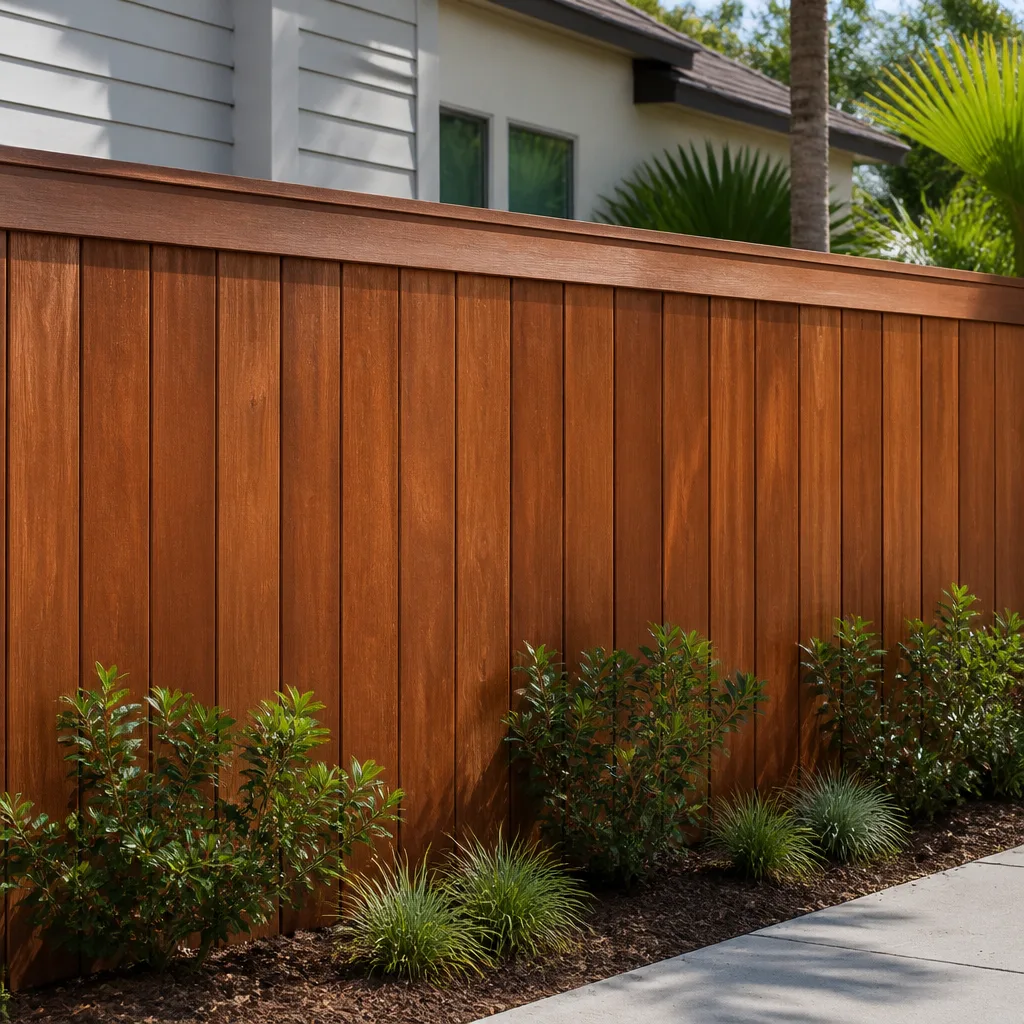
- Fence
Table of Contents
- Why Torrance Homes Face Specific Construction Risks
- The Five-Point Post-Earthquake Visual Inspection
- How to Shut Off Gas, Water, and Power in Torrance
- Sealing a Roof or Wall Breach Before the Rain
- The Documentation Protocol Insurers and Contractors Require
- Contractor Fraud Prevention in the Post-Disaster Window
- The Torrance Emergency Construction Kit
- What to Fix Before the Next Event
Why Torrance Homes Face Specific Construction Risks
The Newport-Inglewood fault runs northwest to southeast roughly under the Rosecrans corridor, and the 1933 Long Beach event is the historical benchmark seismologists still cite for what this fault can produce. Torrance’s housing stock was built across several eras: pre-war bungalows near Old Torrance with raised foundations and cripple walls, mid-century tracts in the Hollywood Riviera and Southwood with the slab-on-grade construction common after 1960, and newer infill near Del Amo and the Torrance Boulevard corridor. Each era fails differently in a quake. Cripple walls in older homes rack and shear. Chimneys crack at the roofline. Slab foundations crack at the corners and around plumbing penetrations.
The rainy season adds a second window. Torrance averages close to 14 inches of rain, almost all of it between November and March, delivered in a handful of intense storms rather than a steady drizzle. A roof breach from a fall or a quake that goes unsealed for even one storm cycle can turn a $900 repair into drywall replacement, insulation removal, and mold remediation measured in the thousands. We’ve seen this pattern play out in Torrance repeatedly: a December event opens a seam, the homeowner waits for the adjuster, February rain gets in, and by March the claim is contested because the damage wasn’t mitigated.
The third risk window is quieter. Systems repaired or modified under a permit are most vulnerable in the months right after the work, when a new tie-down, a re-roofed section, or a freshly poured driveway slab hasn’t yet been through a full seasonal cycle. Inspect your own recent permit work after the first big rain and after the first shake. If you’re planning additions or structural changes, the same logic applies, and our guide to Home Additions & ADU in Torrance covers how to sequence structural work so it holds up.
The Five-Point Post-Earthquake Visual Inspection
Before you re-enter a Torrance home after a strong shake, walk the exterior and check five points in this order. This is a visual sequence you can do safely from outside, standing clear of walls and overhangs, with a flashlight if it’s dark. It is not a substitute for a licensed inspector or structural engineer’s assessment, and it does not tell you whether a home is safe to occupy. It tells you whether to call for emergency help, a structural pro, or your insurance carrier first.
- Foundation. Look along the base of the exterior walls for new cracks wider than a quarter inch, stepped diagonal cracks through brick or block, and any separation where the framing meets the foundation plate. Settled or displaced soil at a corner is a warning sign.
- Cripple wall. On older Torrance bungalows with raised floors, look into the crawl space from outside if you have a vent you can see through. Sheared plywood, bent nails, or a lean to the short studs between the foundation and the first floor means the home has shifted.
- Chimney. Check for cracks at the roofline, a lean, missing mortar caps, or a hearth shifted off its base inside. A loose chimney is a falling hazard and a fire hazard, and you should keep people away from the fireplace side until checked.
- Gas meter. Smell for mercaptan (the rotten-egg odor added to natural gas), look for a hissing sound, and check whether the meter assembly is bent or disconnected from the service line.
- Electrical panel. Look for scorch marks, a smell of hot plastic, or a tripped main breaker that won’t reset. Don’t touch the panel if it’s wet or if any conductor is loose.
If any of the first three points is positive, treat the structure as suspect and call for a licensed structural assessment before you spend another night inside. If the fourth or fifth is positive, shut off the relevant utility and call SoCalGas or your utility and a licensed electrician before restoring service.
How to Shut Off Gas, Water, and Power in Torrance
Every adult in the house should know how to shut off all three utilities. Practice it once in daylight with no emergency pressure. This is the single most valuable 15 minutes of preparation a Torrance homeowner can spend.
Gas (SoCalGas meter)
- Locate the meter on the exterior wall or in a side yard. Find the main shutoff valve, a lever on the pipe coming in from the service line, usually just above the meter or at the elbow where the service enters.
- Keep an adjustable wrench or a dedicated gas shutoff wrench hung within reach. The valve handle has a flat tab that takes a wrench.
- Turn the valve a quarter turn, crosswise to the pipe, so it is perpendicular to the incoming line. That is “off.”
- Do not turn the gas back on yourself. SoCalGas restores service after an inspection. Reopening a valve that a technician closed can be dangerous and can void your insurance position.
- If you smell gas, leave the home, don’t flip switches or light anything, and call SoCalGas from outside.
Water
- Find the main water shutoff valve where the service line enters the house, often in a garage, utility closet, or at the front hose bib. In homes with a raised foundation it’s frequently near the water heater.
- Turn clockwise until it stops. Look for a gate valve with a round wheel or a ball valve with a lever.
- Older Torrance homes may have a municipal curb-stop valve at the street that requires a water-key tool. Know where yours is; the city water department can mark it.
Electrical
- Locate the main breaker, the large double-pole breaker at the top center of the panel, and switch it to “off.” On an older panel with no main breaker, call an electrician.
- Never restore a panel that was wet, scorched, or submerged. A licensed electrician must open it and inspect the bus and breakers first. Electrical panels are genuinely dangerous to work in and the safety limit here is real: don’t touch the inside of a panel, ever.
Sealing a Roof or Wall Breach Before the Rain
A breach from a fallen limb, a chimney failure, or quake-induced cracking can be sheathed by a homeowner for temporary protection, but the specifics matter if you want your insurance claim to survive. Use 6-mil polyethylene sheeting, not the thin 2-mil drop cloth from the hardware store. Six-mil is the standard minimum for temporary weather protection and will handle a rainy season storm without shredding.
Fasten with cap nails (the ones with a plastic disk on the head) or, if you’re working over a shingle field, with 1×4 furring strips screwed through the sheeting at 16-inch intervals parallel to the ridge. Run the sheet from just above the ridge down past the eave by at least 12 inches so water sheds clear of the wall. Overlap seams by 12 inches and run the upper sheet over the lower one so water flows over the lap, not under it. If the wall is breached, the sheet should extend from the top plate down past the bottom of the siding and be secured at the corners with the same cap nails.
Do not drive fasteners through shingles you intend to reuse; a roofer will need those fields intact for the permanent repair. Do not sheath and forget: the temporary cover is for weeks, not months, and a permanent repair should follow within the season. If you’re unsure whether a section can be safely covered, wait and call. Working above a sloped roof is dangerous and a fall in an emergency is worse than the leak. A licensed roofing contractor will complete the repair under the same documentation standard as any other job.
The Documentation Protocol Insurers and Contractors Require
An adjuster and a contractor both work from the same record. The difference between a smooth claim and a contested one is almost always the quality of the documentation the homeowner creates in the first 24 hours.
- Photograph the damage as found, wide and close. For each area, take one wide shot that shows context (the room, the wall, the ceiling) and one close shot that shows the condition. Then photograph a second angle. Adjusters want to see the whole before the detail.
- Timestamp every photo. Most phones do this automatically. If yours doesn’t, photograph a date card or a phone displaying the date in the shot. The timestamp is what anchors the claim to the event.
- Write a standing inventory. In a notebook, list damaged items, date found, and the condition. Note what you moved and where you moved it. Do not discard anything that a contractor or adjuster might need to see until the claim is settled.
- Photograph the temporary mitigation. If you sheath a roof or board a window, photograph the mitigation work before and after. This proves you acted reasonably to prevent further damage, which is what most policies require.
- Keep every receipt. Temporary repairs, tarps, sheeting, lumber, a rented dehumidifier, a motel stay while the home was uninhabitable. All of it is part of the record.
- Write your own description of cause. In one paragraph, note what happened, when you noticed, and what you did. A contractor’s written scope and an adjuster’s estimate will both reference it.
The most common documentation mistakes: discarding damaged material before it’s seen, photographing only close-ups, failing to timestamp, and letting a contractor describe the scope of loss before the homeowner’s own written description exists. The homeowner’s record should come first. A written scope from a licensed contractor comes second, and it should be line-item, with a written warranty and a signed change-order clause.
Contractor Fraud Prevention in the Post-Disaster Window
The weeks after a seismic event draw transient contractors into the area, and California has specific rules about how contractors may solicit work after a disaster. Under the Contractors State License Board’s rules, a contractor may not solicit a homeowner for emergency-related work unless the homeowner has contacted them first or the contractor holds a local license, and a written contract is required on any home improvement job above $500, including emergency work. The signed change-order requirement applies even when the roof is open and the sheeting is up.
What to check before you sign anything in a Torrance post-disaster window:
- Verify the license on the CSLB website before you allow a single worker on the property. The license number must be on the contract.
- Refuse a verbal quote on emergency work. The written contract must state the price, the scope, and the schedule. If a contractor says there’s no time for paperwork, there is no time to hire them.
- Never sign a contract with a contingency clause that lets the price change without a signed change order. If a contractor says “we’ll figure the final number once we’re in,” that’s the change order you don’t sign.
- Don’t pay more than 10 percent down, and never pay the full price up front.
- Look for the CSLB’s “Your Home, Your Contract” documentation and the required contract disclosures. A legitimate contractor carries them. Here is how Fence Installation in Torrance work should be papered after a storm, as one example.
- Beware of door-to-door solicitation with a story about a neighbor’s job and a discount that expires today. That story is designed to bypass your verification step.
Under The Haven Standard we hold to at Rowan, the price is written before any work starts, on every trade, and no work proceeds on a change until the change order is signed. That discipline exists precisely because the emergency window is when the discipline matters most. When a job starts with an open structure and a verbal price, the finished bill is unpredictable by design.
The Torrance Emergency Construction Kit
Keep a single labeled bin in the garage or utility area, and check its contents each October before the rainy season. The kit should hold:
- An adjustable wrench or dedicated gas shutoff wrench, hung beside the gas meter, not in the bin. The wrench has to be at the valve when you need it, not in a box in the garage.
- A 6-mil polyethylene tarp sized to your roof pitch, plus a box of cap nails and a small hammer. A 20×30-foot sheet covers most single-story Torrance roofs.
- Two flashlights with spare batteries, and a battery radio.
- A printed copy of your utility shutoff instructions and your insurance policy’s claim phone number, laminated or sealed in a zip bag.
- A notebook, two pens, and a small tape measure for the written record.
- Work gloves, safety glasses, and a dust mask for any emergency cleanup.
- A 5-gallon water container, sealed and rotated every six months.
A kit doesn’t need to be elaborate. It needs to be checked once a year, kept where you can reach it in the dark, and understood by every adult in the house. That is the whole discipline.
What to Fix Before the Next Event
Most of the preparation that reduces emergency damage is planned work done in calm weather. The highest-value steps for a Torrance home are a seismic retrofit of cripple walls and a bolting of the sill plate to the foundation, both of which are covered by permit and require a licensed contractor. Newer work like Driveway & Pavers in Torrance should be designed with drainage that moves stormwater away from the foundation, not toward it. And every home we work in gets a documented photo record of what we found and what we did, because that record is what makes the next emergency faster to triage.
Three concrete steps worth putting on your calendar this year:
- Book a licensed structural inspection of the foundation, cripple wall, and chimney. Have the inspector give you a written report you can keep with the insurance documents.
- Have a licensed electrician inspect the panel and confirm the main breaker operates. Replace any panel that fails. This is not DIY work.
- Have a licensed roofer confirm the roof covering and flashing condition, and photograph the underlayment at any recently repaired area. Replace sealant that has aged out.
You can start with a Rowan Construction Group Torrance home consultation, or bring a contractor’s existing written estimate to us for a free second opinion; we’ll review it line by line at no charge. Roofing is handled as a licensed roofing scope, windows and doors under the trade that suits the opening, and the structural work as a permitting job. If you’re planning an addition or ADU, sequence the structural work first. The rest can follow.
Common Mistakes to Avoid
- Shutting off gas and then turning it back on yourself. SoCalGas technicians restore service; a homeowner shouldn’t. Reopening a valve that was closed on a damaged service can cause a leak inside a home and can complicate your insurance position.
- Using 2-mil drop cloths for a roof breach. It tears in the first wind and leaves debris in the shingles a roofer has to remove. Six-mil polyethylene is the minimum, and cap nails are the fastener.
- Discarding damaged material before the adjuster sees it. A soggy section of drywall becomes a claim-by-photograph issue the moment it’s in the truck. Photograph it, keep it, and only remove it when the adjuster says so.
- Signing a verbal emergency quote. California requires a written contract above $500, and an emergency doesn’t waive the rule. A contractor who won’t put the price on paper before the tarp goes up isn’t going to put the final number on paper either.
- Restoring power to a wet panel. This is the mistake that turns a property claim into a fire. Call an electrician; don’t test it.
- Waiting for the adjuster before mitigating. Insurance policies generally expect the homeowner to prevent further damage. A sheathed roof and a photographed mitigation are what protect the claim; a dry hole that gets rained in for three weeks may not be covered the same way.
- Skipping the annual kit check. A wrench that moved to the garage, batteries that died, and a tarp that got used for a project and never replaced. Ten minutes each October.
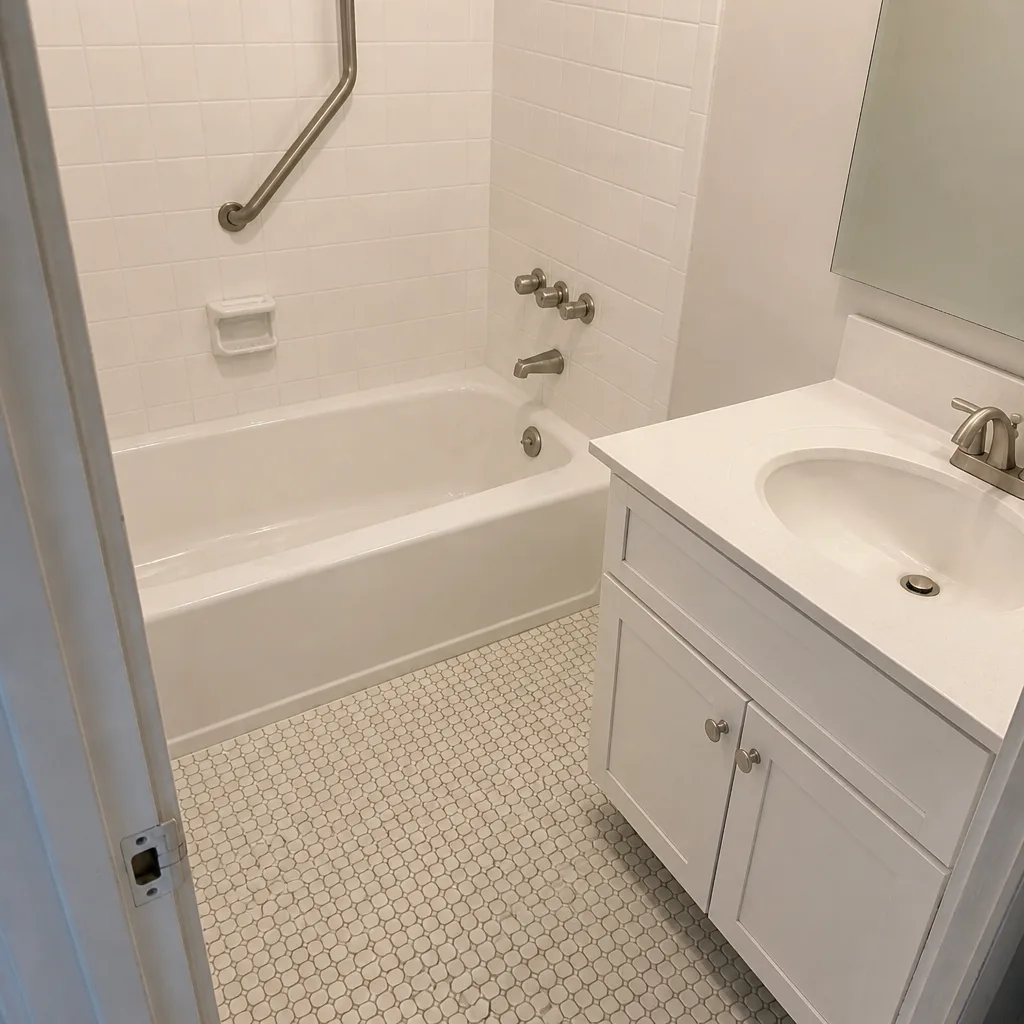
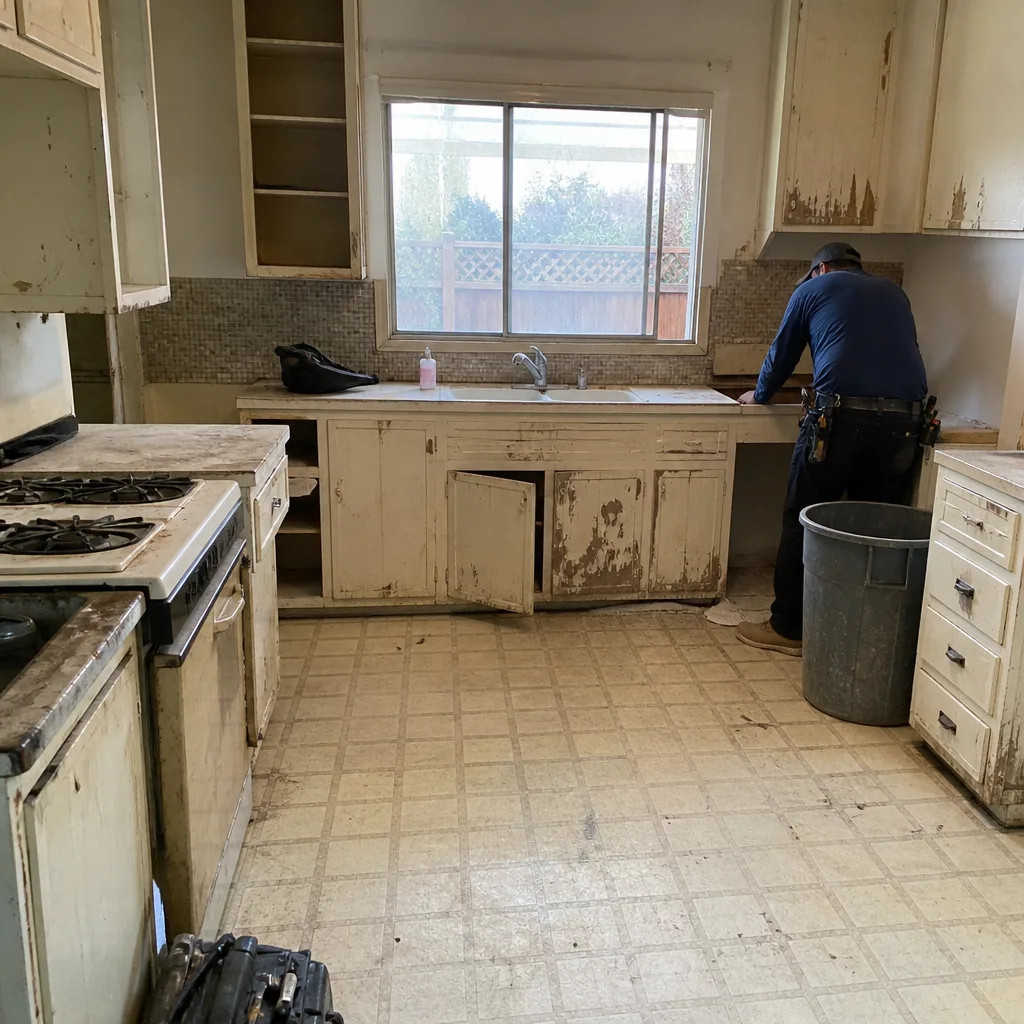
See the difference
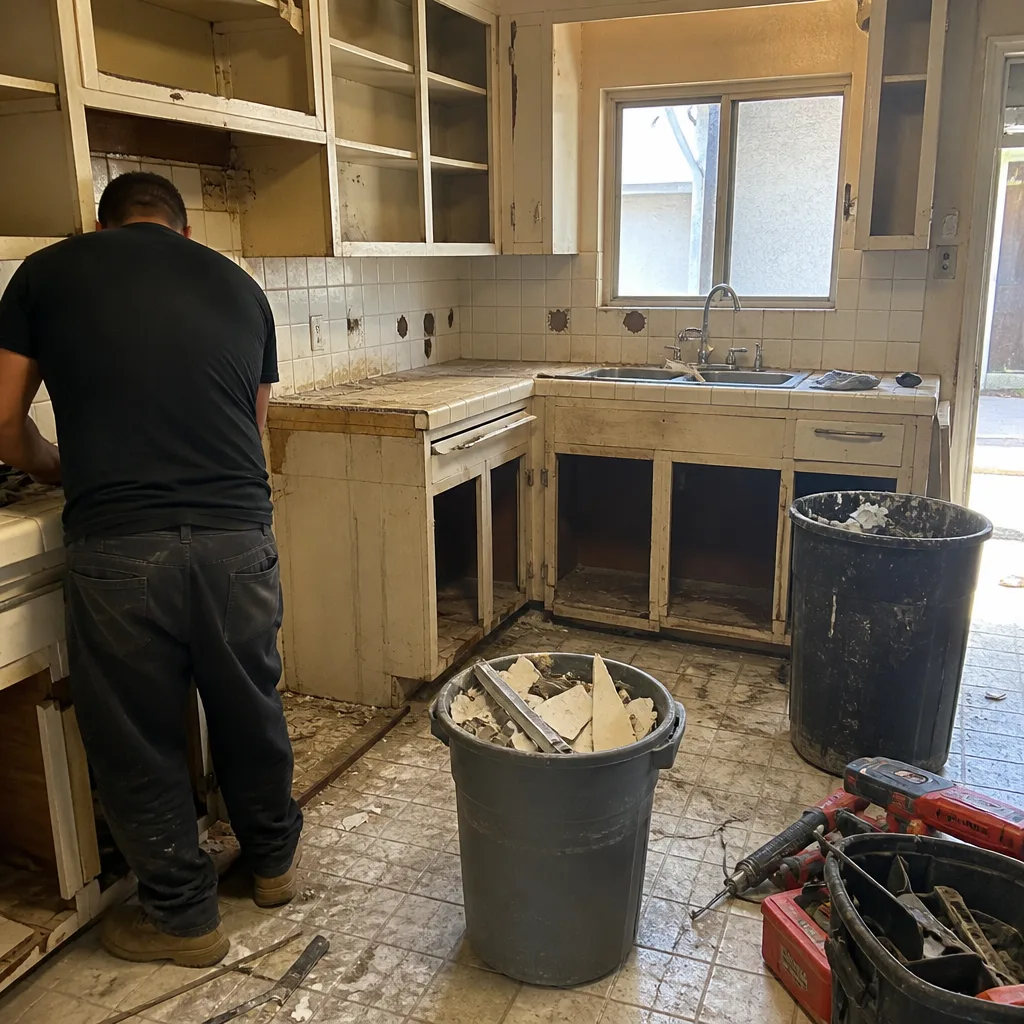 Before
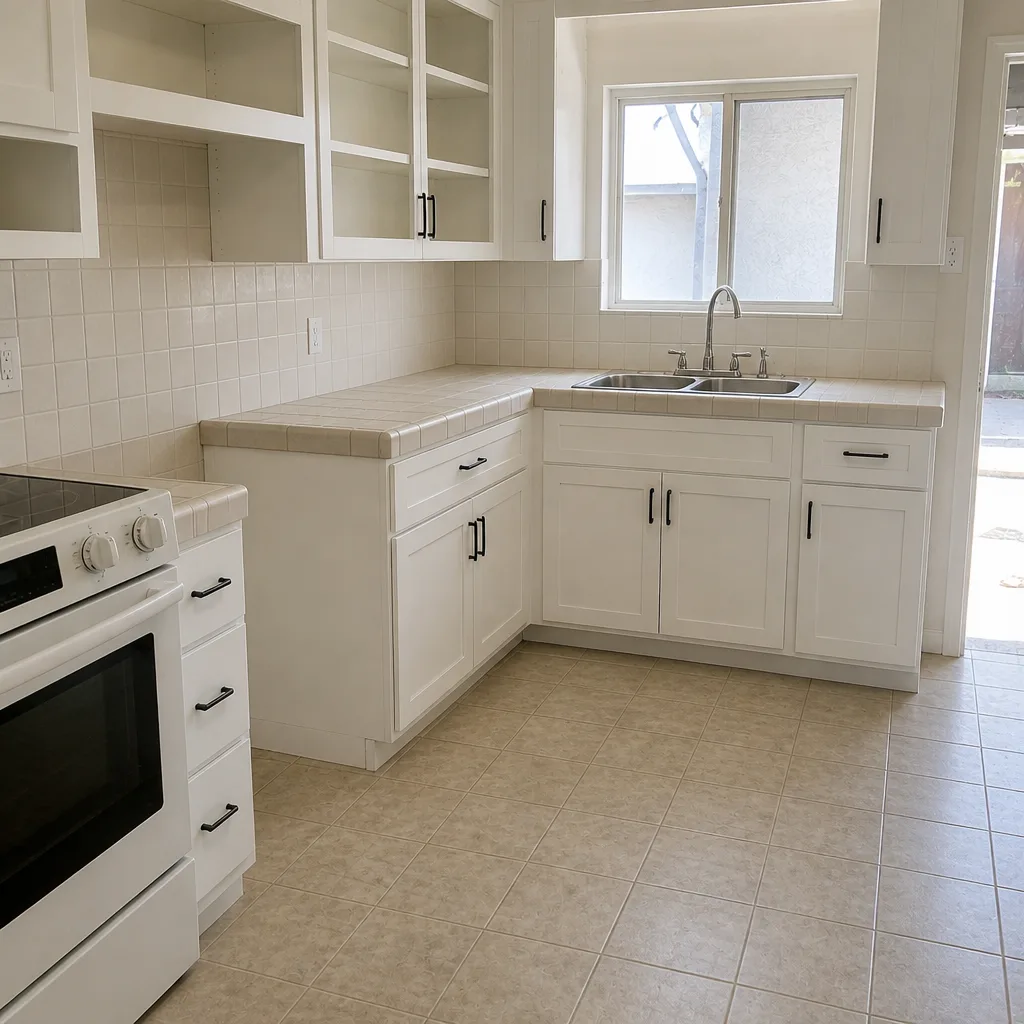 After
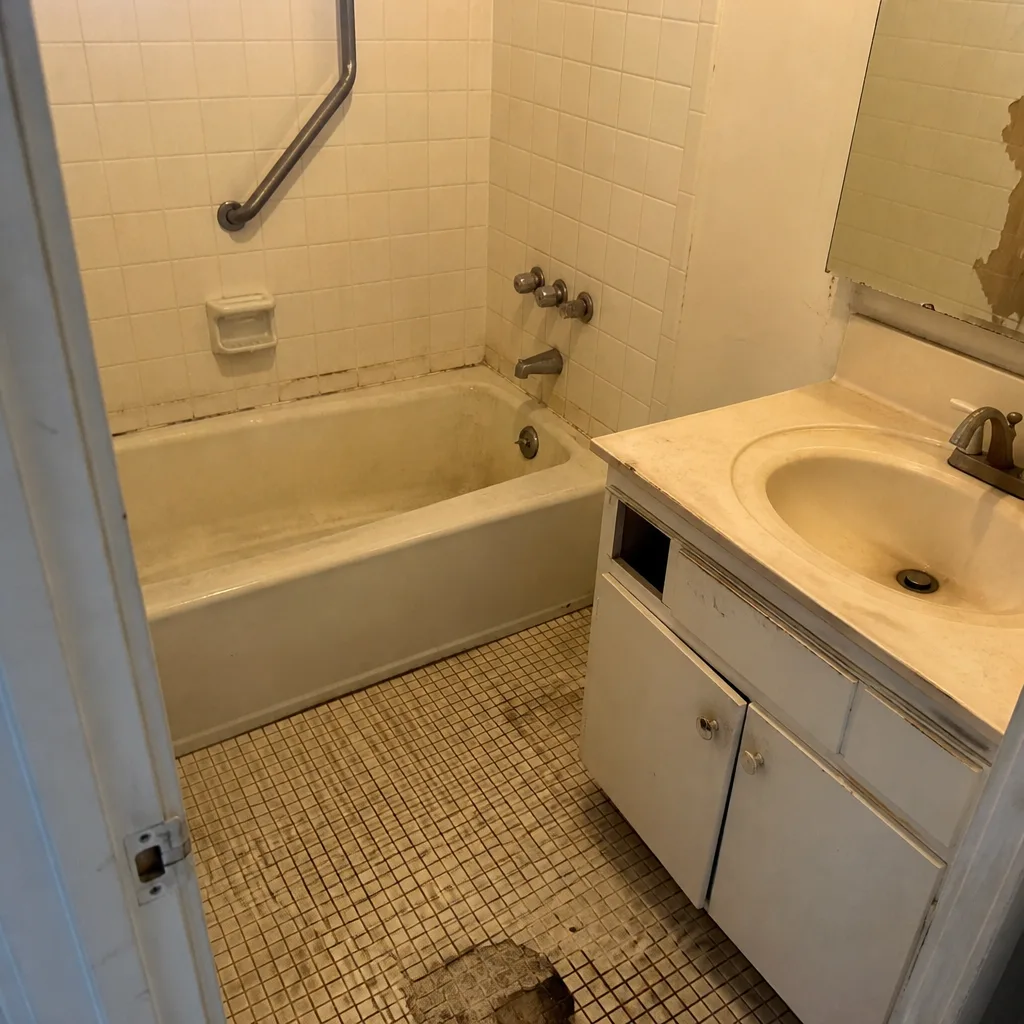 Before
 After
 Before
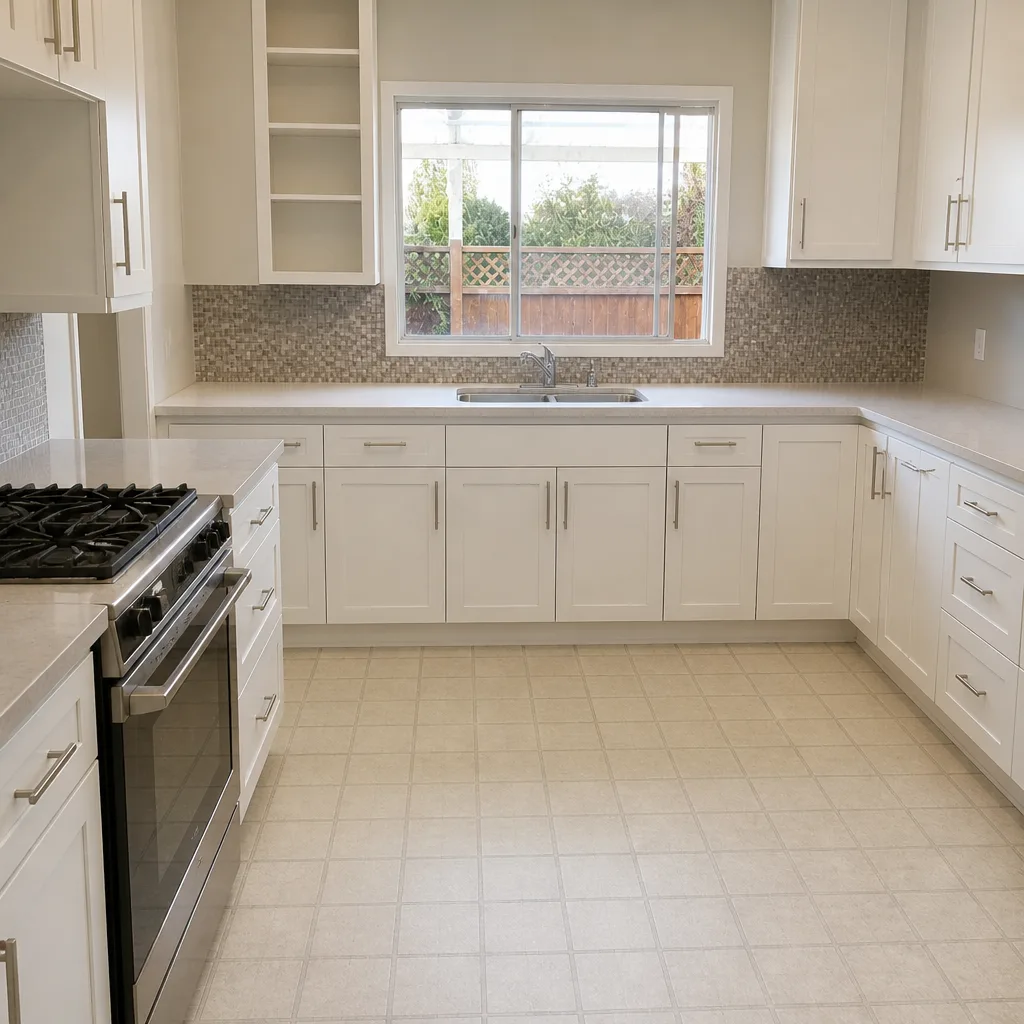 After
When to Call a Professional
Call a licensed professional, not a neighbor with a ladder, in these cases. Any crack wider than a quarter inch through the foundation, any displaced cripple wall, or any chimney with a roofline crack needs a structural assessment before the home is reoccupied. Any gas smell, hissing meter, or damaged service line needs SoCalGas and a licensed plumber, in that order. Any electrical panel that was wet, scorched, or submerged needs a licensed electrician before power is restored. Any roof breach above a sloped roof, and any wall breach with water intrusion, should be sheathed and then repaired by a licensed contractor working from a written scope. If you’re not sure whether a condition warrants a call, call anyway. Rowan Construction Group Torrance offers free estimates in Torrance, and the written price is delivered before any work starts. Call (888) 349-6729 to schedule a free estimate or a free second opinion on a written estimate you already have.
Frequently Asked Questions

A temporary sheathing for a typical Torrance single-story roof runs roughly $400 to $900 for materials and labor, and the permanent repair that follows typically runs $1,200 to $4,500 depending on the pitch, the shingle match, and the extent of the underlayment replacement. Both numbers should appear in writing before work starts. Call (888) 349-6729 for an exact quote on your roof; estimates are free.
Yes, you can and should shut off the gas at the meter valve with a wrench if you smell gas or suspect a damaged service line. What you should not do is turn it back on. SoCalGas restores service after a technician has inspected the valve and the service line. Call (888) 349-6729 if a contractor needs to schedule around the restoration.
No, if the work is documented. Photograph the damage before, photograph the mitigation after, keep every receipt, and get a written scope and written warranty from a licensed contractor. A documented emergency repair is typically viewed as mitigation, not modification. Call (888) 349-6729 for a written scope your adjuster can work from.
A home with a raised foundation, a cripple wall, and a sill plate that isn’t bolted to the foundation is a retrofit candidate, which covers most Torrance homes built before 1960. The determination should come from a licensed structural inspector’s written report, not a visual guess. Bring us a competitor’s written estimate for a free second opinion; call (888) 349-6729.
Schedule depends on the scope and the permit timeline. A roof section replacement runs a few days of work and often a permit turn of a week or two. Structural repair to a cripple wall runs longer and is scheduled around inspection dates. Written schedules are part of the written scope. Call (888) 349-6729 to talk through your situation.
Verify the license on the CSLB website, and do not sign anything until the price is on the contract in writing. California’s solicitation rules protect you, but only if you use them. If the contractor won’t wait for you to check, that’s your answer. Call (888) 349-6729 for a written second opinion on any estimate you’ve been given; it’s free.
The Bottom Line
Torrance construction emergencies cluster around three predictable windows: the moment the Newport-Inglewood fault shifts, the November-to-March rainy season, and the months after a permit is signed off. The preparation that reduces damage in all three is the same. Know where your gas valve, water main, and panel are and how to shut each one off. Keep a wrench at the meter, 6-mil sheeting in the garage, and a timestamped documentation habit. Have your foundation, panel, and roof inspected in calm weather by licensed trades, and keep the written reports. Insist on a written price and a signed change order even when the roof is open. Call (888) 349-6729 to schedule a free estimate in Torrance, or bring a written estimate you already have for a line-by-line second opinion.
Written by the team at Rowan Construction Group Torrance.