Last updated November 17, 2026




Free written scope consultation - allowances, timeline, and change-order rules on paper before a single trade is scheduled
Windows & Doors Warning Signs Every Homeowner Should Know
A door that swung freely last spring and now catches on the strike plate hasn’t changed. The frame around it has, and that change is the data worth investigating. We’ve walked through hundreds of Torrance homes where a sticking door or a window that won’t latch was the first signal of a foundation shift, a leaking roof detail, or a window seal failure that had been quietly letting conditioned air escape for years. This guide teaches you to read your windows and doors as diagnostic instruments, not just openings. You’ll learn what a binding door corner tells you about structural movement, how to tell a seasonal shift from permanent distortion, and which exterior details point to flashing failure.
Quick Answer
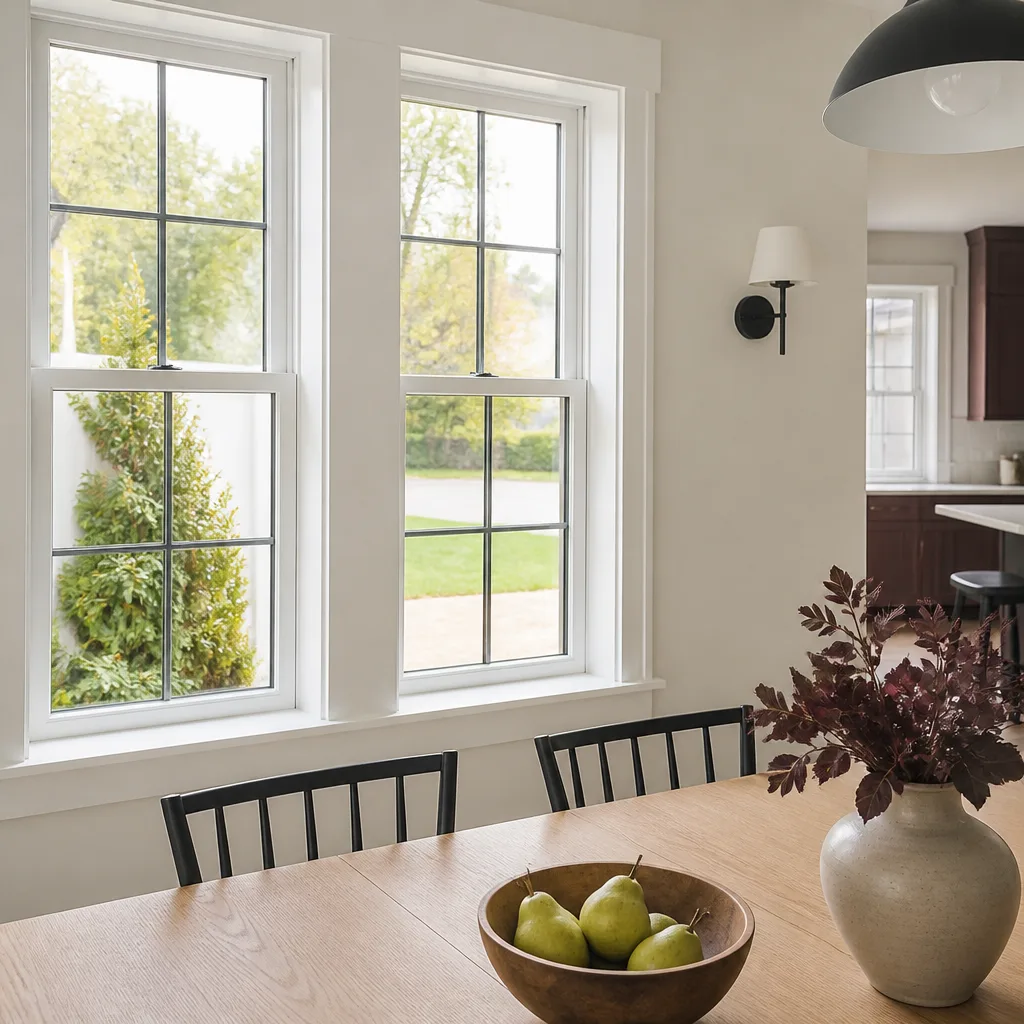
Windows and doors warn you about structural and moisture problems through four main signals: changes in operation (binding, sticking, gaps), interior paint bubbling or staining at corners and sills, fogging or condensation inside double-pane glass, and exterior siding patterns that trace back to flashing failure. A door that binds in one corner after years of swinging freely usually means the frame is out of square, which often traces to foundation movement or a failed header. Reversible seasonal movement is normal; year-round distortion that gets worse is not. Investigate any door or window operation change that appears suddenly or progresses.
In Torrance, we see these signals amplified by the marine layer and clay-heavy soils that expand and shift with wet-dry cycles. What looks like a minor annoyance is often the cheapest moment to fix the underlying problem.
Styles & brands we work with
- Kitchen remodeling
- Bathroom remodeling
- Home additions & ADU
- Roofing
- Windows & doors
- Driveway & pavers
- Fence
Table of Contents
- Why Operation Changes Are Your Best Diagnostic Tool
- Reading Direction: What a Binding Door Corner Tells You
- Seasonal Movement vs. Permanent Frame Distortion
- Paint Bubbling at Window Corners vs. the Sill
- Early Detection of Failed Window Seals
- Exterior Warning Signs You Can See From the Ground
- When Should You Call a Professional?
Why Operation Changes Are Your Best Diagnostic Tool
A window or door is a precision instrument precisely because it’s designed to move within a tight tolerance. A sliding glass door’s roller rides in a track with a few millimeters of clearance. A casement window’s sash sits in a frame with a consistent gap on all four sides. A hinged door depends on the strike plate and the hinge jamb aligning within a sixteenth of an inch. When the frame moves, the opening deforms, and the fit changes. The window or door itself rarely fails first. The structure around it does.
This is why we tell Torrance homeowners to test every window and door in the house on the first of every month. Not a formal inspection – just a two-second check. Open it. Close it. Does it move the way it did last month? If not, you’ve caught a change early, when the fix is usually simple. We’ve used a front door’s sudden drag on the sill to flag a soil settlement issue in an Old Torrance bungalow before any foundation crack appeared in the stucco.
A few specifics to check:
- Hinge-side drag: The door rubs against the hinge jamb. This usually means the frame has moved away from that side, or the hinges have loosened, or the structure has settled on the opposite corner.
- Strike-side drag: The door rubs against the latch side. This can mean the frame is moving toward the hinge side, or the whole door has dropped.
- Top gap or bottom drag: A door that drags on the top of the frame or the floor can signal a sagging header or a settling foundation below the opening.
- Window that won’t latch: The lock mechanism no longer aligns with the keeper. The frame has shifted out of square, or the sash has swollen.
- Slider that jumps the track: The track or frame has moved, or the rollers are worn or damaged.
The key is to notice the change and write it down. A note on your phone that says “master bedroom window, right side, hard to close, June 14” gives you the timeline you’ll need to decide whether the problem is seasonal or permanent. We recommend a photo record too – a photo of a gap measured against a coin or a business card shows progression over time. When you’re ready to have someone look at what your doors and windows are telling you, the Rowan Construction Group Torrance home page covers the trades we handle and how we work.
Reading Direction: What a Binding Door Corner Tells You
The direction a door binds is a map of where the frame has moved. The door is your plumb line, your square, and your level all in one. Use it.
Here’s a step-by-step test you can do in five minutes:
- Open the door to 90 degrees and hold it there. Look at the gap between the top of the door and the head jamb. The gap should be even from hinge side to strike side. If it’s wider on the hinge side, the wall above the door may be sagging, or the header has shifted.
- Let the door swing freely from 45 degrees. If it swings toward the closed position without a push, the house is out of plumb toward that direction. If it swings open wider, the frame is leaning away.
- Close the door and look at the gap around the perimeter. Use a flashlight from the opposite side in a dark room. Light coming through on the hinge side at the top means the frame has racked. Light coming through on the strike side at the bottom means the opposite corner has dropped.
- Note which corner of the door catches. Top hinge-side corner scuffs mean the hinge jamb has moved up or the door has dropped. Bottom strike-side scuffs mean the frame has settled on that side.
In our experience across Torrance, a door that binds on the hinge side at the top and gaps on the strike side at the bottom usually points to settlement at the strike-side corner of the house. A door that drags on the floor on the hinge side and shows a widening gap at the top points to the hinge-side corner settling. The door is the only part of the house that tells you which corner moved without you cutting into drywall. That’s why it’s the first thing we check when a homeowner calls about foundation concerns.
Keep in mind that doors in Torrance also face a climate that swings the wood and the frame seasonally. Wood doors and frames expand and contract with humidity. A door that binds in August and swings free in January is probably just seasonal movement. A door that binds in all seasons and gets worse is telling you something structural. More on that in the next section.
Seasonal Movement vs. Permanent Frame Distortion
Here’s the distinction that saves homeowners money: wood is supposed to move. Frames are supposed to move a little. You need to tell the difference between a house breathing with the weather and a house settling into a problem.
The test is the same for both. The interpretation is different. Mark the door and window operation on a calendar for four to six weeks. Write down what you felt – easy, tight, sticking, won’t close, scrapes. Then look for the pattern.
Seasonal movement:
- Appears in one season and resolves in another. A window that’s tight in summer’s dry heat and free again after the winter rains.
- Is reversible. It comes and goes with the weather, not with time.
- Doesn’t progress year over year. The door that stuck in July 2024 wasn’t noticeably worse in July 2025.
- Typically affects wood doors and wood window sashes more than vinyl or aluminum, because wood absorbs and releases moisture.
Permanent frame distortion:
- Is present year-round. The window that won’t latch in January also won’t latch in June.
- Progressively worsens. A door that “shut hard” in spring becomes a door you have to shoulder in fall.
- Comes with other signals – cracking stucco, a gap above the baseboard, a crack that runs diagonally from a window corner, or a new slope in the floor.
- Often affects more than one opening, especially on the same side of the house or the same floor level.
We’ve seen a handful of cases here in Torrance where the seasonal vs. permanent distinction was the entire decision point between a $250 adjustment and a much larger structural repair. In one North Torrance house, a sliding door had been stiff every summer for years – normal expansion – then became stiff in winter too, and the owner called. That was the signal that the soil under the patio slab had settled and the door frame had racked. The repair was straightforward once we saw it, because the door told us where to look before any crack appeared.
If you’re dealing with a door or window that has passed the “permanent” test, it’s worth having a professional confirm what’s behind it. We’ll walk through the operation, document the gaps, and tell you in plain terms what the evidence says.
Paint Bubbling at Window Corners vs. the Sill
Interior paint bubbling and staining around windows is a map of moisture pathways. Where the stain sits tells you which way the water is coming in, and the repair is different for each.
Bubbling or staining at the top corners of the window (the head jamb corners):
Water is entering from above the window and running down inside the wall cavity. The most common causes in Torrance homes are failed flashing above the window (the metal or membrane detail that sheds water away from the opening), a roof leak above, or a second-story window above this one leaking onto the framing. The stain follows the path of the water as it runs down the inside of the wall sheathing and hits the back side of the drywall at the window head. If the bubbling is at the corner nearest the roofline, suspect the roof or the chimney flashing before you suspect the window itself.
Bubbling or staining at the sill (the bottom corners):
Water is entering from the sill area itself, or from under the window from the exterior sill pan. This usually means the exterior sill pan has failed, the caulk line at the exterior sill has broken down, or the window’s own bottom seal is compromised. Water enters the sill, sits against the interior drywall, and bubbles the paint along the bottom. A sill stain that’s wet to the touch after a rain is an active leak.
Bubbling or staining along the side jambs:
Water is entering at the side flashing or at a joint between the window and the siding. This is often where a stucco crack or a failed caulk joint on the outside lets water in behind the stucco.
A quick test: press a paper towel against the stained area after a heavy rain. If it comes away damp, you have an active leak. If it’s dry but the paint is loose, you have an old repair or a dried-out stain, and you can investigate more slowly. Either way, sample the area with a moisture meter before you repaint – paint over an active leak just hides the evidence and lets the framing rot quietly.
Early Detection of Failed Window Seals
Double-pane windows fail from the edge, not from the middle. The visible foggy glass is the last stage, not the first. Here’s how to catch a seal failure before it becomes a foggy window you have to replace.
The early-morning temperature test: on a cool morning (under about 55°F) after a warm day, look at the glass from inside a darker room while it’s still cool outside. You’re looking for a subtle change in the glass surface – typically a faint wavy or blotchy pattern near the edge, or a slight difference in reflectivity that doesn’t match the rest of the pane. A failing seal lets a small amount of moisture into the gap between panes, and that moisture shows up as a film or a sheen before it becomes visible fog.
What to look for, in order of severity:
- Edge discoloration: A faint white or gray haze along the inside of the glass near the spacer bar, only visible at an angle. This is the earliest sign, and it means the seal is starting to let moisture in.
- Faint interior film: A slight milkiness you can see with a flashlight at a low angle after sunset, again mostly near the edges.
- Fog or moisture between the panes: Visible even in normal light. This is a failed seal. The window may still insulate a little, but it’s no longer doing its job.
- Condensation or actual water between the panes: The seal has clearly failed and water is inside the unit. Replacement is the answer.
- Haze or “dirty” appearance you can’t clean off: The desiccant in the spacer bar has been exhausted, and the interior of the glass is contaminated.
In our experience, a window that fogs on the inside surface of the glass (the interior room side) and wipes clean is usually fine – that’s condensation on the room-side surface, which is a humidity issue, not a seal failure. If the fog is between the panes, that’s a seal failure. The difference is the whole diagnosis.
A Torrance homeowner can check a window’s age and its seals the same day. Look at the spacer bar between the panes – the thin metal or plastic strip that runs the perimeter. If it looks degraded, milky, or has visible cracks, the seal is likely failing. Whatever the stage, the window’s own documentation – the brand and model name on the glass or the frame – is worth writing down. Replacement windows are quoted against the model.
If your inspection turns into a replacement conversation, we handle window and door installations as part of our Home Additions & ADU in Torrance and general envelope work, and we’ll price the job in writing before any work starts.
Exterior Warning Signs You Can See From the Ground
You don’t need a ladder to check most of the exterior signals, and you shouldn’t use one. Walk the perimeter of the house with a pair of binoculars and look for these patterns.
Siding damage that traces back to window flashing: Water running down a wall from a window will stain or damage the siding in a vertical streak below the window. The streak tells you the flashing above the window has failed – the water is getting behind the siding at the window head and running down the wall surface. Look for a v-shaped stain pattern that starts wide at the window and narrows as it goes down. If the stain runs from the top corner of the window down and to one side, the flashing above the window is letting water through.
Active moisture intrusion vs. old repair patches: You can usually tell the difference by looking at the material around the stain. An active leak shows fresh rust on nails or flashing, soft or bubbling paint, or a dark wet band that doesn’t fade. An old repair patch often shows a color mismatch – a slightly different shade of paint or caulk where someone sealed over a problem years ago. A patch that’s dry and sound can be left alone. A patch that’s bubbling or cracking from underneath is a repair that didn’t hold, and the underlying fault is still there.
Caulk joints that have failed: Look at the line where the window frame meets the siding. A caulk joint that’s cracked, pulling away, or has a gap is a water entry point. In Torrance’s dry season, caulk shrinks; in the wet season, water finds the gap.
Stucco cracks that run from window corners: A diagonal crack that starts at a window corner and runs outward is a sign of stress at the opening, often from movement in the framing or the foundation. A vertical or hairline crack in the stucco away from the window can be a normal finish crack. The location matters.
Rust streaks on the wall below a window: Rust means water has been running through metal hardware – the window’s own fasteners or the flashing above. Fresh rust that appears after a rain is active. Brown staining that’s been there a while is old.
The exterior is often where a window or door problem shows itself most clearly. We recommend walking the perimeter once a season and taking photos of anything you see, so you have a record. When the work moves to a full replacement or a new opening, that work sits alongside the other envelope trades. The Driveway & Pavers in Torrance page shows how we handle exterior hardscape as part of a whole-property plan.
Do Window and Door Brands Matter When It’s Time to Replace?
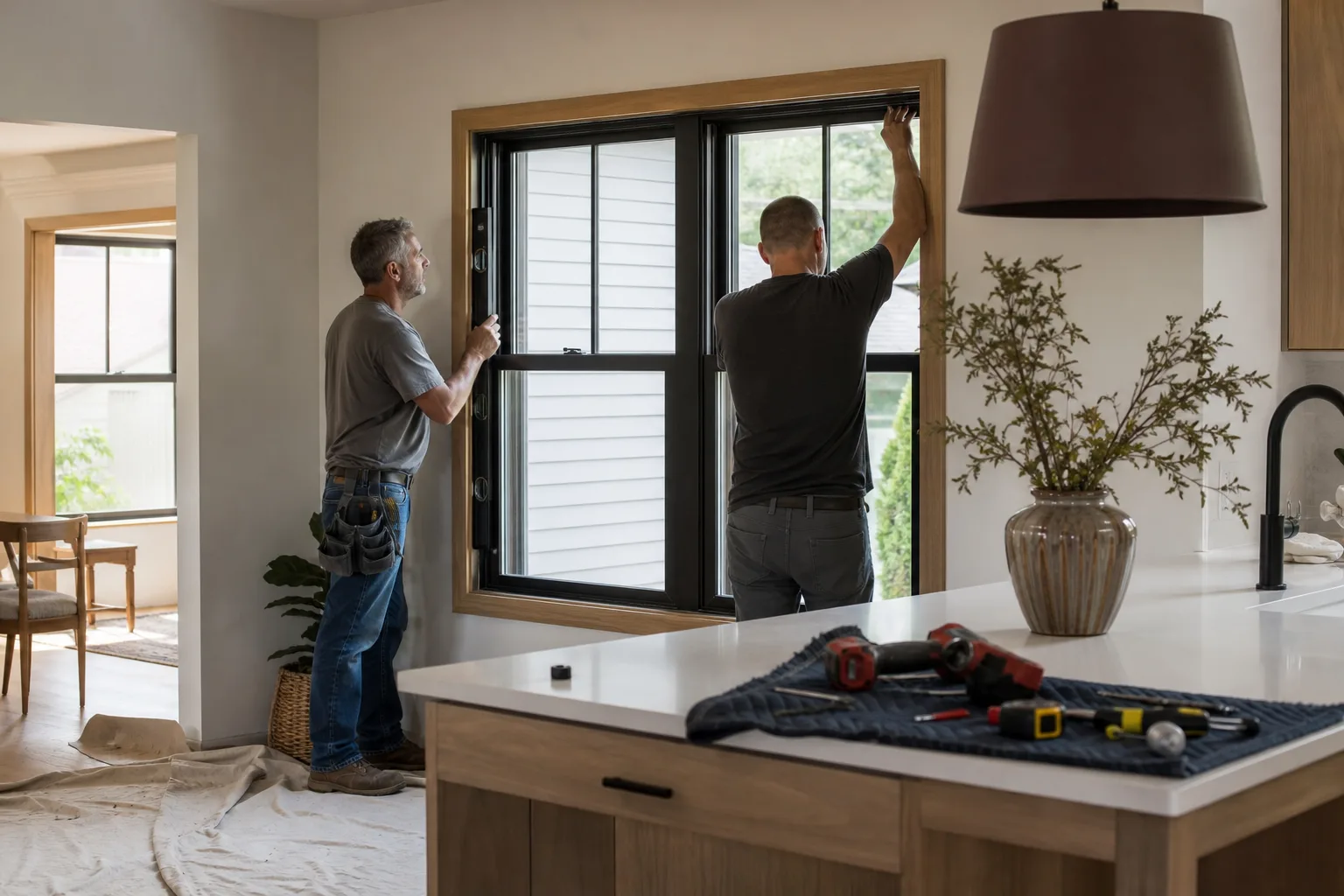
Yes, but not in the way salespeople suggest. Brand matters mostly for two things: whether the window is built for marine climates, and whether parts are available five years after installation. In Torrance, where the salt air and humidity come off the coast, a well-engineered window frame and a reliable seal matter more than a sticker price.
Ask these questions when you’re pricing:
- What’s the frame material? Vinyl is stable in humidity; wood needs repainting; aluminum conducts heat and can corrode in salty coastal air without a finish.
- What’s the seal and the warranty? A failed seal should be covered. Verify the warranty covers fogging and seal failure, not just breakage.
- Can the brand’s parts be sourced? Hinges, locks, and roller assemblies should still be available a decade out.
For doors, the same logic applies, and the hardware is the part that fails first. Ask what the hinge and lock brands are, and whether they’re stock items. In our experience, a door that fails after ten years is usually failing at a hinge or a lock, not at the slab.
See the difference
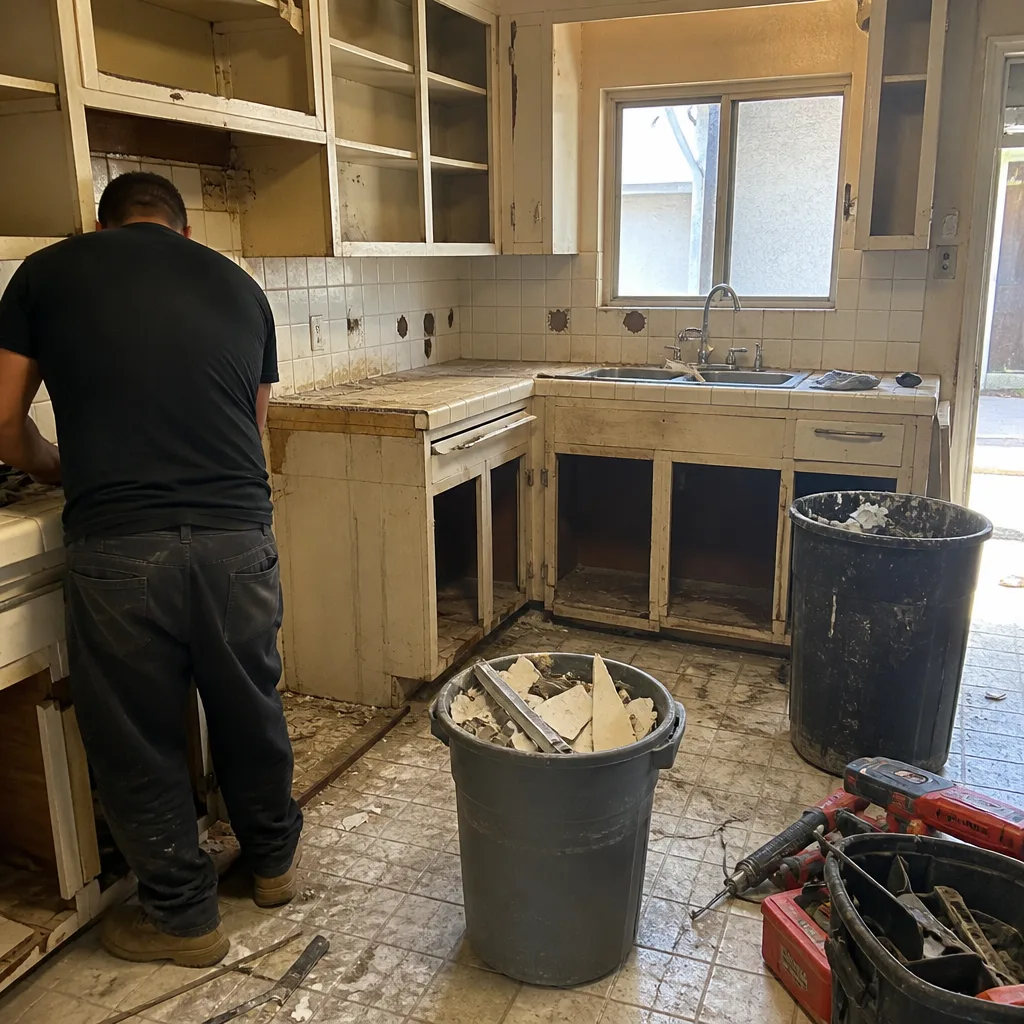 Before
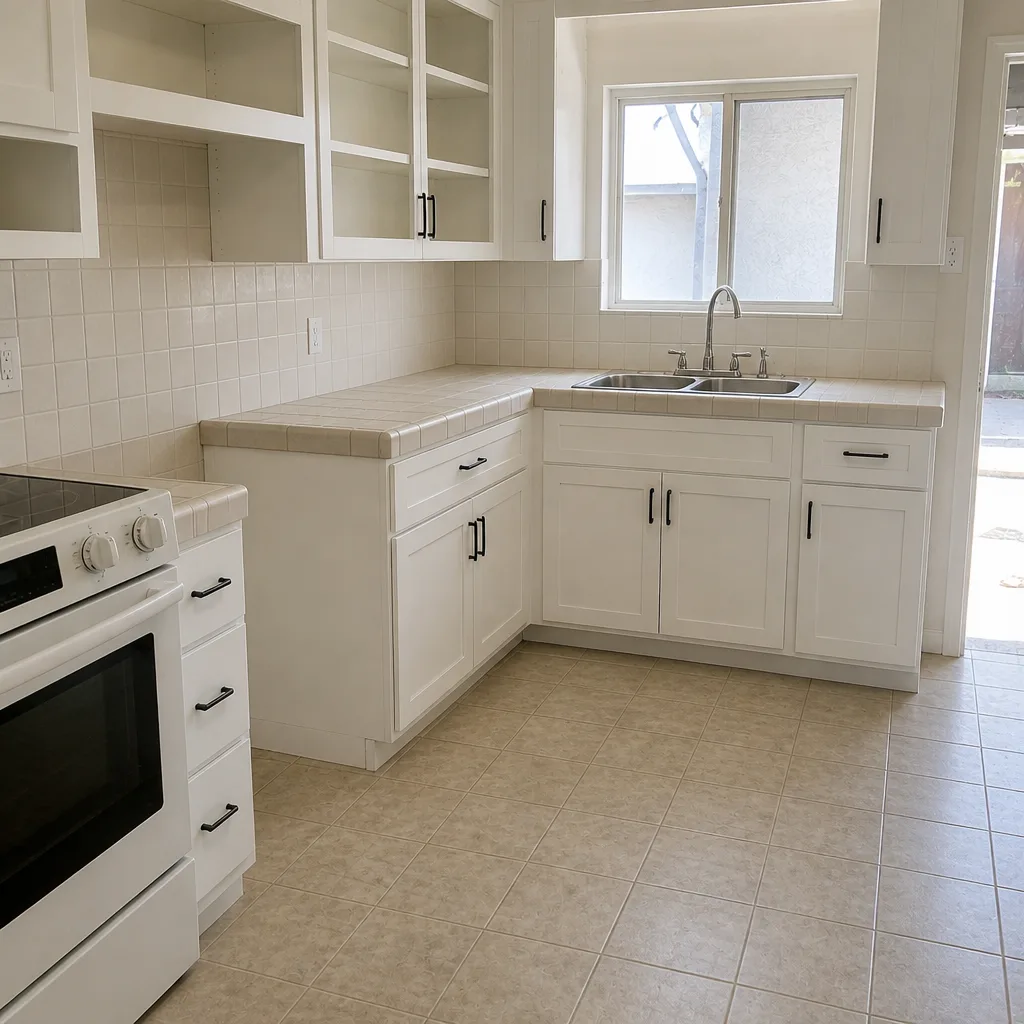 After
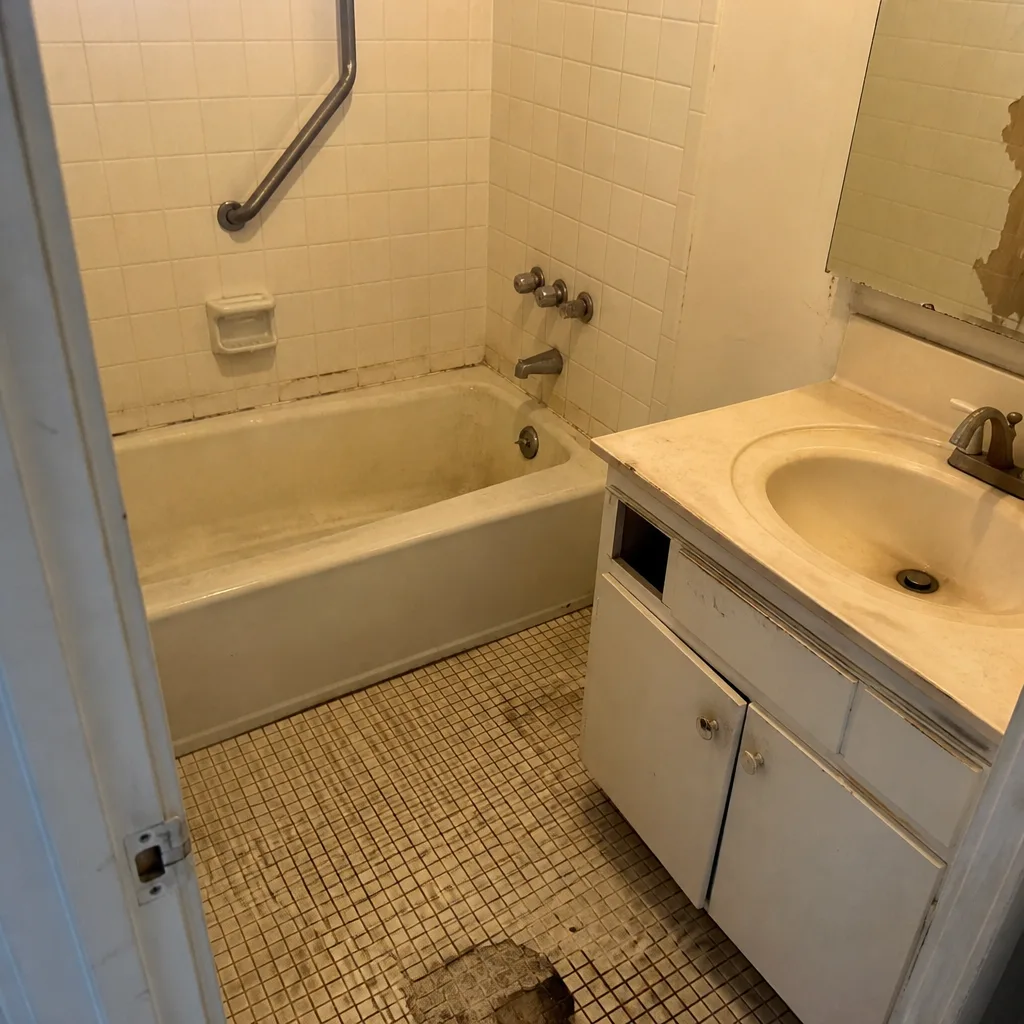 Before
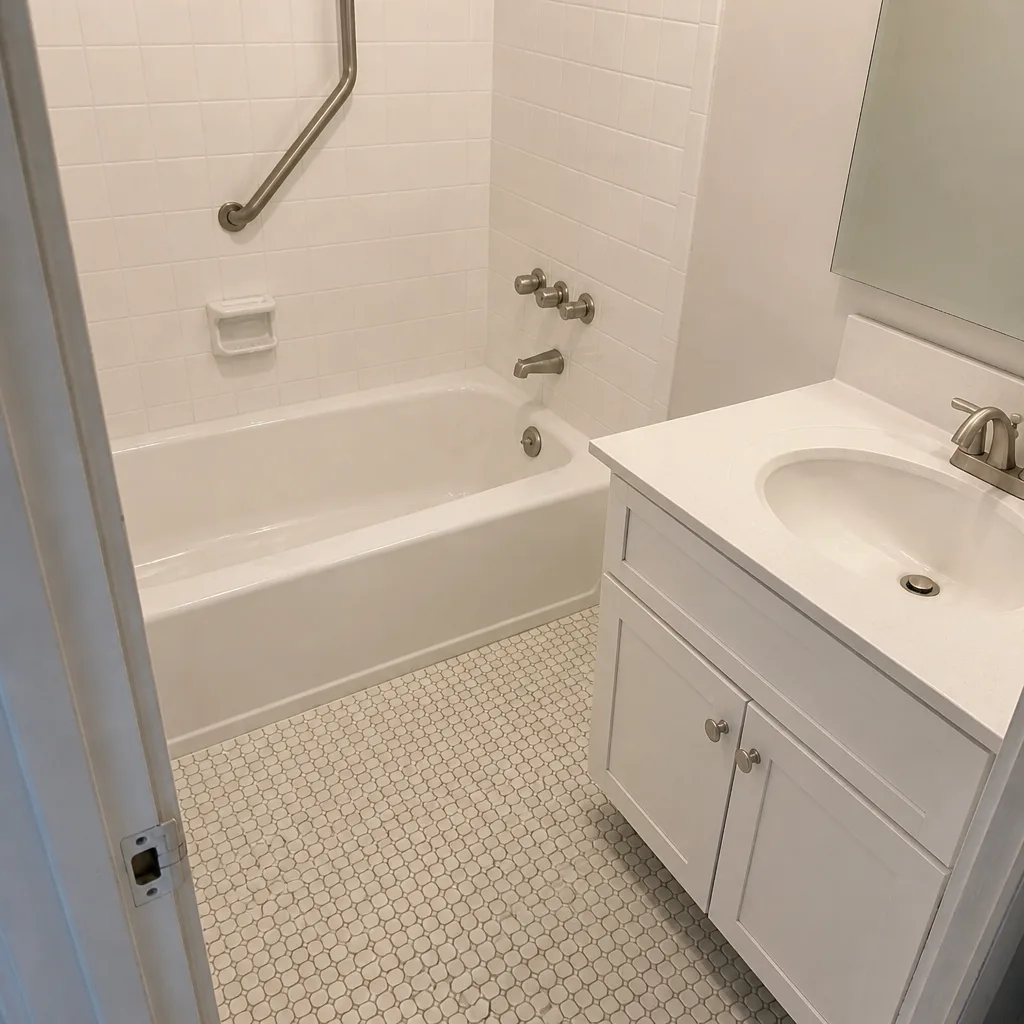 After
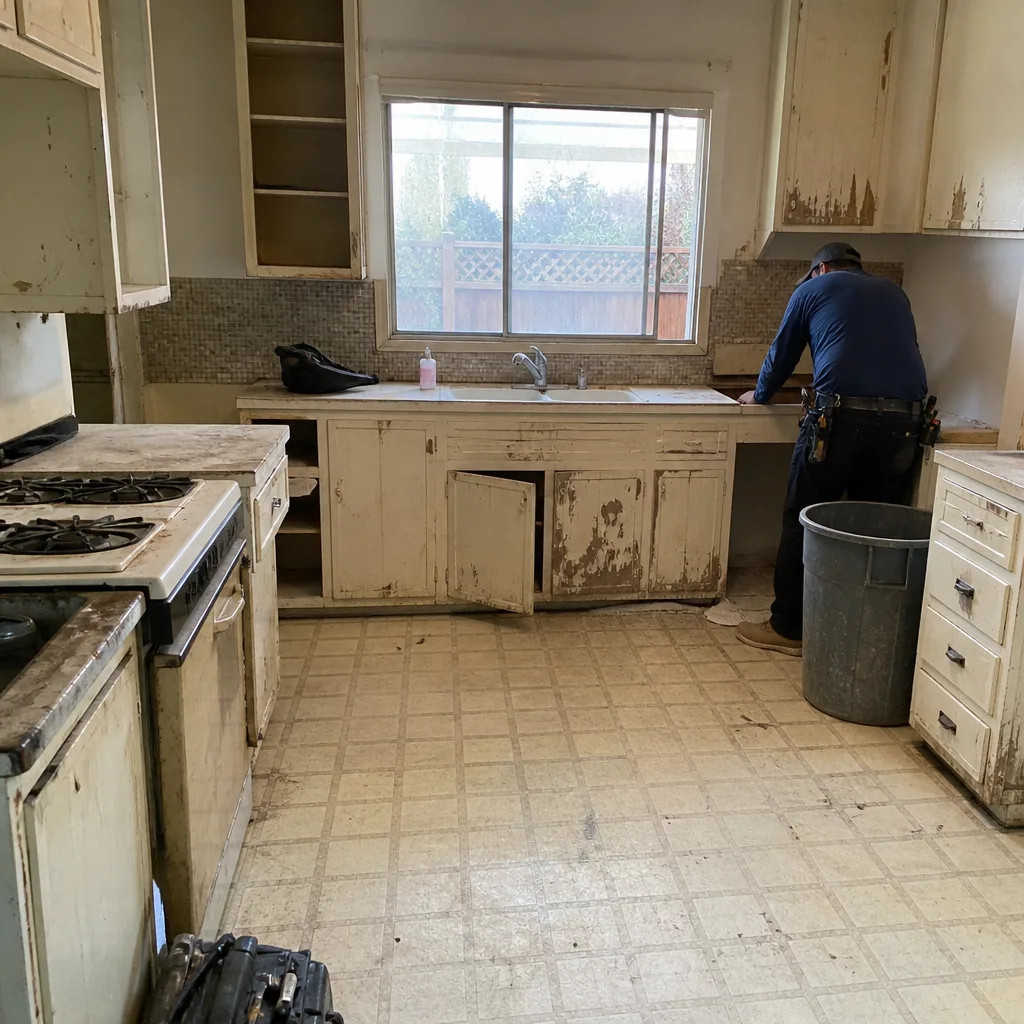 Before
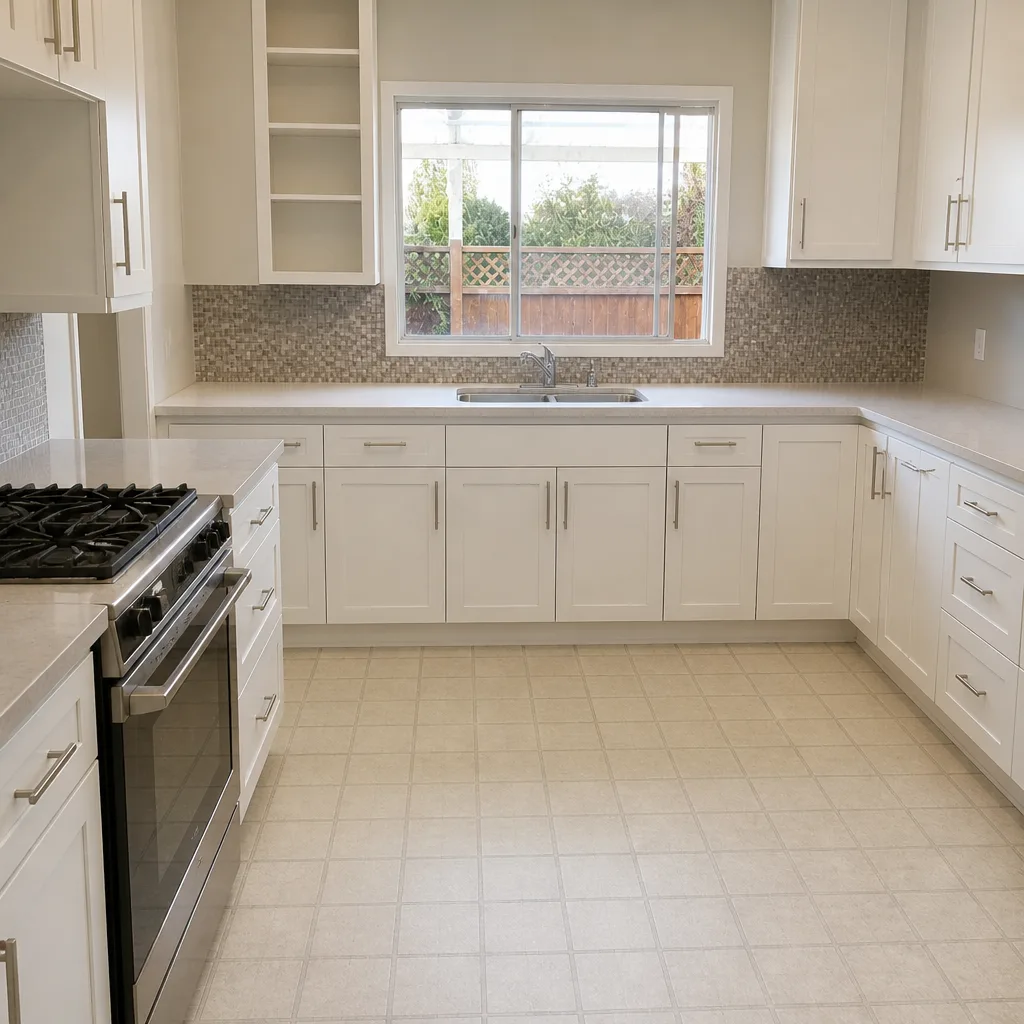 After
Common Mistakes to Avoid
- Repainting over a stained window corner. If the stain is active, paint will bubble again within a season, and you’ve spent money hiding the evidence. Test the area for moisture first, then fix the water path, then paint.
- Treating a sticking door as a door problem. The door is the messenger. Sanding the door to clear a strike-side drag removes the evidence and does nothing about the frame or the foundation. Diagnose the cause first.
- Ignoring a window that’s fogged on the inside surface. Room-side condensation is a humidity problem, not a seal failure. Buying a replacement window for a fog you can wipe clean is a wasted expense. Test both surfaces.
- Assuming a two-story Torrance house has a roof leak every time a window stains. The stain is above the window – check the window flashing and the siding joint at the head before you go to the roof. The most common cause is the window’s own head flashing, not the roof.
- Caulking the exterior without checking the flashing. Caulk is a crack filler, not a water-shedding system. If the flashing is wrong, new caulk just delays the water’s path into the wall.
- Skipping the exterior inspection because you’re focused on the interior. The exterior is where the water comes in. A simple binocular walk of the perimeter once a season catches most active leaks before they reach drywall.
- Waiting until the fog is obvious. A failed seal is easy to spot once it’s foggy, but by then you’ve already lost a few years of insulation performance. The early test catches it sooner.
When to Call a Professional
Call a professional when a window or door change passes the “permanent” test – present year-round, progressively worsening – or when you see active moisture with your own eyes: a damp stain after rain, rust streaks that reappear, or paint bubbling at a window corner. Call when more than one opening on the same side of the house is affected, because that’s a structural signal, not a hardware problem. Call when a window fogs between the panes and you’re facing a replacement decision, so the diagnosis is documented before you spend. Call when a door or window framing area is part of a larger project, because window and door repairs often sit inside roofing or exterior work. Rowan Construction Group Torrance offers free estimates in Torrance and will show you a documented photo record of what we find before any work begins. Call (888) 349-6729 to schedule yours.
Frequently Asked Questions

A front door that sticks after years of swinging freely usually means the door frame has moved out of square, most often from foundation settlement, a sagging header, or seasonal wood movement. The direction of the sticking tells you which side of the frame moved. Check whether the problem is present year-round and whether it’s getting worse, then have it assessed before you sand or plane the door.
If the fog or moisture is on the room-side surface of the glass and wipes off, it’s condensation from indoor humidity, not a failed seal. If the fog or moisture is trapped between the panes and won’t wipe off, the seal between the glass layers has failed and the window needs replacement. The early-morning temperature test helps you spot a failing seal before fog becomes visible.
Staining at the top corner of a window means water is entering from above the window and running down inside the wall cavity – usually from failed window head flashing, roof flashing, or a leak from a window or roof surface higher up. Staining at the sill means water is entering at the sill pan or the exterior caulk line. The two stains require different repairs, so never assume one fix treats both.
Not always, but it’s worth ruling out. In Torrance, doors often stick temporarily because of seasonal wood movement and the change in soil moisture between the dry season and the rains. A door that sticks only in one season and frees up later is normal movement. A door that sticks year-round and gets progressively harder to close is a structural signal that deserves a professional look.
Replacement windows require correct flashing, water-shedding details, and a proper seal to avoid the moisture problems this guide describes. We recommend working with a contractor who will quote the job in writing and document the installation, especially when the new window meets stucco, wood siding, or a roof detail above. It’s not the window that fails; it’s the flashing around it.
A dry, old stain can wait for your next planned project. A stain that’s wet or damp to the touch after a rain, or that reappears with fresh rust or bubbling paint, should be inspected within a few weeks – not months – because the underlying leak is still active and the framing behind the drywall is getting wet every time it rains. A small repair now is far less expensive than replacing rot later.
The Bottom Line
Your windows and doors are the most reliable diagnostic instruments in the house because they report movement and moisture through changes you can feel and see – before anything cracks. Read the direction a door binds to know which corner of the frame moved. Test windows on a schedule to catch a seal failure before it fogs. Check interior paint at window corners and sills to locate the water path. And walk the exterior with binoculars once a season to see what the siding and flashing are telling you. A Torrance homeowner who checks these four signals will catch most structural and moisture problems when they’re cheap to fix. When the evidence points to a repair, get it priced in writing before anyone picks up a tool.
When you’re ready to have a professional read the evidence with you, Rowan Construction Group Torrance offers free estimates and a documented photo record of every visit, and we’ll put the price in writing before any work starts. Call (888) 349-6729 for your free estimate.
Written by the team at Rowan Construction Group Torrance.