Last updated November 17, 2026

Free written scope consultation - allowances, timeline, and change-order rules on paper before a single trade is scheduled
Home Additions & ADU Warning Signs Every Homeowner Should Know
Here’s what surprises most Torrance homeowners: the ADU projects that go sideways are rarely ruined by bad carpentry. They’re ruined by paperwork nobody read. A contractor who can’t produce their current general liability certificate with your property named as an additional insured has already told you, in writing, who pays when something goes wrong on your land. This guide walks through the documentable signals that separate a contractor with a real process from one building to the minimum you’ll notice. It’s written from our vantage point in Torrance, where we’ve watched these decisions play out, but the signals hold anywhere in California.
Quick Answer
The clearest ADU red flags appear before excavation: no current CSLB license verification, no liability certificate naming your property, missing workers’ comp coverage, and a contract that says “standard construction” instead of naming materials. A disciplined contractor puts the price, the scope, and the change-order clause in writing first. In our experience at Rowan Construction Group, those early documents predict the finished build more accurately than any handshake on site.
Styles & brands we work with
- Kitchen remodeling
- Bathroom remodeling
- Home additions & ADU
- Roofing
- Windows & doors
- Driveway & pavers
- Fence
Table of Contents
- Pre-Contract Documents Every Legitimate ADU Contractor Must Produce
- The Contract Itself: Structural Warning Signs
- Design-Phase Red Flags That Predict Permit Problems
- Mid-Construction Signs You Can Spot on a Site Walk
- The Financial Warning Sign Homeowners Recognize Too Late
- What’s Unique About Building an ADU in Torrance
- Common Mistakes to Avoid
- Frequently Asked Questions
Pre-Contract Documents Every Legitimate ADU Contractor Must Produce
Ask for these four documents before you sign anything. A contractor with a real process will have them ready. One without will stall, “get back to you,” or tell you they’ll bring them on day one. That delay is your first data point.
- Current CSLB license verification. Pull it yourself at license.ca.gov. Don’t trust the number printed on a business card or a truck door. Check that the license is active, the classification is correct (a B-General Building license for a full ADU), and there are no unresolved complaints. In our experience, the license check is where the biggest surprises surface, and it takes five minutes.
- General liability certificate naming your property as an additional insured. If a crew member damages your existing house or a neighbor’s fence during an ADU build, you want the contractor’s policy – not your homeowner’s policy – paying the claim. The certificate should list your address, not just the contractor’s name.
- Workers’ compensation coverage. In California, a contractor with employees must carry it. If an uninsured worker is hurt on your property, the liability can follow the property. Get the certificate, not a verbal promise.
- Subcontractor license numbers for each trade. The electrician, the plumber, the HVAC crew. Each carries their own license. A contractor who “handles all that” without naming the subs is asking you to trust a chain you can’t see.
Torrance permits and inspections touch every one of these documents eventually. The contractor who has them organized on day one is the contractor whose project will move through the city without stalls.
The Contract Itself: Structural Warning Signs
The scope of work is the spine of the contract. If it says “standard construction” or “per plan” without naming materials, brands, and specifications, the contract isn’t done. You’re buying a promise, not a scope. Our own Haven Standard exists for this reason: a flat written price, a written scope, and a written warranty before work starts. Clause 1 isn’t a slogan, it’s the discipline that keeps project costs within a few percent of the agreed number.
Read the payment schedule line by line. A front-loaded schedule is one of the most reliable failure signals in residential construction. The structure we recommend:
- Mobilization: no more than 10% at contract signing.
- Foundation: roughly 25% when the foundation is complete and inspected.
- Framing, rough-in, finish: payments tied to inspected milestones, never to calendar dates.
- Final: a meaningful holdback released only after final inspection and punch-list close-out.
Look for the change-order clause. If the contract doesn’t say, in writing, that no change proceeds until a signed change order is in hand, the contractor has reserved the right to add cost mid-project without your signature. That clause is the single biggest predictor of a project that finishes at or near the agreed number.
Design-Phase Red Flags That Predict Permit Problems
Permit trouble doesn’t start at the counter. It starts in the design phase, weeks before a plan ever reaches the city. Three signals predict it:
No site survey. An ADU sits on a specific lot with a specific grade, drainage pattern, and setback picture. A designer working from a satellite image without a survey is guessing at the foundation and the drainage. In Torrance, where lots can sit on gentle slopes near the Palos Verdes edge, the survey matters more than it does on flat ground.
No licensed engineer on the foundation design. A California ADU requires a structural engineer’s stamp on the foundation plans. If your contractor says the “standard detail” is fine, ask why. Foundation design for a two-story ADU on clay soil is not a standard detail.
No Title 24 energy compliance document. Every new ADU built in California requires a Title 24 report covering envelope, fenestration, and mechanical systems. It’s submitted with the permit package. If your contractor’s designer hasn’t mentioned it, they haven’t done a California ADU before – and the permit will bounce.
The design phase is also where material specifications get decided. We name ours: Wellborn cabinets in a rental-grade ADU kitchen, Cambria or Caesarstone for a primary-residence finish. That specificity is a warning sign in reverse – if the contract can’t name a brand, it can’t price the work honestly.
Mid-Construction Signs You Can Spot on a Site Walk
You’re paying for a legal build, and you’re entitled to walk the site. When you do, look for these observable signals. None require a construction background:
- Framing lumber stacked directly on soil. Wood stored on dirt wicks moisture into the bottom plates before framing even begins. Look for lumber on stickers (short blocks) above a plastic vapor barrier. If it’s sitting on wet dirt in a Torrance spring, that wood is already compromised.
- Rebar spacing that doesn’t match the engineer’s drawings. The drawings specify a spacing, usually written as “rebar at 12 inches on center” or similar. Take a tape measure. If the installed spacing is wider than the drawing, the foundation is under-built and the inspection will fail. This is measurable by you, today.
- Waterproofing membrane installed without inspection sign-off. On a two-story ADU, the deck or roof membrane should be inspected before it’s covered. If the crew is tiling over membrane without an inspection card in the window, the work is not signed off.
- Framing inspection card not posted. Every permitted ADU has an inspection card in a weatherproof holder on site. If there’s no card, there’s no permit – or the contractor is skipping inspections.
In our experience, a documented photo record on every visit is what catches these issues before they’re hidden. That’s why ours is standard, not an upgrade. If your contractor doesn’t photograph the substrate, the waterproofing, and the rebar before close-in, you won’t know what’s behind the drywall until it fails.
The Financial Warning Sign Homeowners Recognize Too Late
A contractor asking for a large draw ahead of the work it funds has a cash flow problem. That’s the whole warning sign, and it’s the one homeowners recognize about six weeks too late.
Here’s how it plays out. A contractor with a cash flow problem takes your $60,000 mobilization draw to cover payroll on a different job. Your project stalls while they wait for another draw to cover your framing. Then your job either slows to a crawl or the contractor walks, leaving you with a half-framed shell and a lien on the property. Mechanic’s liens exist to protect unpaid subcontractors, not you.
Protect yourself with two simple rules:
- Match every draw to completed, inspected work. A draw that funds “materials on order” is a draw you don’t need to pay until the materials arrive on your site.
- Ask for lien waivers as you pay. A signed conditional lien waiver from the contractor and each sub, exchanged for every payment, gives you a paper trail that protects your title.
Paying to inspected milestones is the discipline our projects run on. Every project we’ve completed in Torrance ran on written milestones, a signed change order for anything beyond the original scope, and a photo record tied to each draw. If your contractor can’t produce that structure in writing, they’re not running a project – they’re running a hope.
What’s Unique About Building an ADU in Torrance
Torrance has specific conditions that change the ADU build, and a contractor who doesn’t know them will miss something. Here’s what matters:
Clay-heavy soils. Much of Torrance sits on expansive clay. That means foundation design here accounts for soil movement in ways that ADU plans from other parts of California don’t. A “standard detail” foundation that works on sand won’t pass here without engineering.
Coastal humidity and salt air. Torrance’s near-coast humidity pushes the envelope on moisture management. Framing stored on soil that’s wet from a winter of coastal drizzle? It’s not a minor detail in this city – it’s a rot problem waiting to be covered in drywall.
Parking and driveway separation. ADU builds here often trigger driveway and access requirements, especially in the older neighborhoods. If your ADU plan doesn’t address driveway width and access, the permit review will.
Setback patterns that vary by neighborhood. An ADU that works in one part of Torrance may not meet setback rules in another. The site survey we mentioned earlier is what settles this. A contractor who skips it is guessing at a number the city will check.
If you’re planning a build and want the foundation, framing, and envelope decisions handled by a team that knows these local conditions, see our Home Additions & ADU in Torrance page for the full process and written scope. If your ADU needs a new driveway or paver apron, our Driveway & Pavers in Torrance service covers it. And if the build touches your boundary, our Fence Installation in Torrance crew handles the line work. For a broader view of our seven trades, visit the Rowan Construction Group Torrance home.
Common Mistakes to Avoid
- Trusting the license number on the truck. Pull it at license.ca.gov. A truck door is marketing; the live CSLB record is the fact. Skipping this check is the single most expensive five-minute shortcut in residential construction.
- Signing a contract that says “standard construction.” If the scope doesn’t name materials – the cabinets, the countertop, the roofing – it hasn’t priced the work. It’s priced an idea.
- Paying more than 10% before mobilization. A front-loaded schedule is the clearest cash-flow signal in the industry. Your money should follow the work, not lead it.
- Accepting a foundation design without a licensed engineer’s stamp. California ADUs require it. In Torrance’s clay soils, it isn’t optional – it’s the difference between a stable structure and one that moves.
- Skipping the Title 24 report. A missing energy compliance document is an automatic permit hold in California. If your contractor hasn’t mentioned it, they haven’t done the paperwork, and your build date slips.
- Letting the framing lumber sit on soil. Walk the site after delivery. Lumber on dirt in Torrance’s coastal moisture wicks into the plates before framing even starts. It should be on stickers over a vapor barrier.
- Accepting a verbal “we’ll handle the permits.” Get the permit number in writing, and confirm it on the city’s online portal. Verbal permit promises are the easiest thing in construction to make and the hardest to honor.
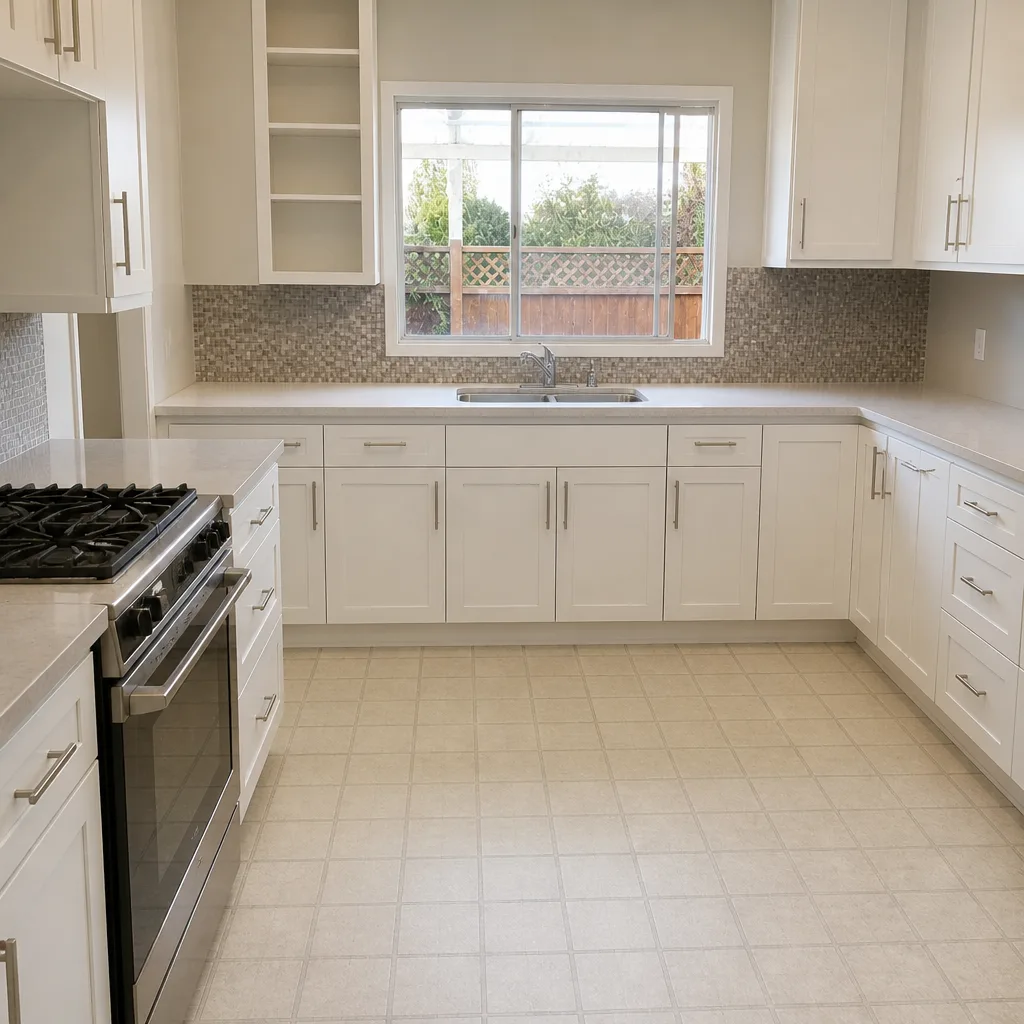
See the difference
 Before
 After
 Before
 After
 Before
 After
When to Call a Professional
If you’re holding a contractor’s quote and something feels off – a scope that names no materials, a payment schedule that wants 40% up front, no engineer’s stamp on the foundation – that’s the moment to get a second set of eyes, not after excavation. We offer a free second opinion on any written estimate: bring your competitor’s quote and we’ll review it line by line at no charge. If you’re in the early planning stage and want the foundation, envelope, and permit path assessed before you commit, that’s the right time to call too. Rowan Construction Group Torrance offers free estimates in Torrance – call (888) 349-6729. Our technicians have up to 19 years of experience, and every visit includes a documented photo record.
Frequently Asked Questions
The first document is the current CSLB license, pulled yourself at license.ca.gov. Look for active status, the correct B-General Building classification for a full ADU, and no unresolved complaints. A business card number is not verification. If the license checks out, move to the general liability certificate naming your property as additional insured. Call (888) 349-6729 to schedule a free estimate where we put all four pre-contract documents in front of you before you commit.
A schedule that asks for more than 10% at signing and 25% before the foundation is poured is a real warning sign. That structure tells you the contractor needs your money to fund the early work, which is a cash flow signal, not a savings one. Match draws to inspected milestones, and ask for conditional lien waivers with each payment. For an exact, written price schedule on your specific build, call (888) 349-6729 – estimates are free.
Yes, every new ADU in California requires a Title 24 energy compliance report submitted with the permit package. It covers the building envelope, fenestration (windows and doors), and the mechanical systems. A contractor who hasn’t mentioned it in the design phase hasn’t done a California ADU before, and the permit will be held up. Call (888) 349-6729 for a free look at your plan set and a written scope.
Look for framing lumber stacked on soil, rebar spacing that doesn’t match the engineer’s drawings measured with a tape, and waterproofing membrane covered without an inspection sign-off. Also confirm the inspection card is posted in a weatherproof holder. These are the observable signals that separate a disciplined build from a risky one. If anything looks off, call (888) 349-6729 for a free second opinion on your written estimate.
If your contractor needs your money to fund another job, your project either slows to a crawl or stops entirely. A contractor with a cash flow problem will pull your labor off the site to keep payroll moving elsewhere. The protection is a milestone-tied schedule with lien waivers at each payment. Call (888) 349-6729 for a free written estimate structured the way a project should be.
Ask for the permit number, then verify it on the city’s online portal. A verbal “we’ll handle it” is not proof. If no inspection card is posted on site after the first week of construction, permits were either not pulled or inspections are being skipped. Call (888) 349-6729 for a free review of your permit path before work begins.
The Bottom Line
The signs that predict a failed ADU are almost all written down before anyone picks up a shovel: license verification you pulled yourself, a liability certificate naming your property, a scope that names materials, a payment schedule that follows the work, and a signed-change-order clause. A contractor with a disciplined process shows them without being asked. Everything else – including the rebar spacing you can measure with a tape and the lumber sitting on wet soil – is what you’ll be inspecting later. Rowan Construction Group has delivered 4,000-plus projects, each with a written price before work started and a documented record when the crew left. If your ADU plans in Torrance deserve a documented process, call (888) 349-6729 for a free estimate.
Written by the team at Rowan Construction Group Torrance.