Last updated November 17, 2026
Free written scope consultation - allowances, timeline, and change-order rules on paper before a single trade is scheduled
DIY vs Professional Home Additions & ADU: What’s Safe to Do Yourself
California lets owner-builders pull their own permits, which surprises most homeowners who assume a licensed contractor is legally required for any structural work. The surprise cuts the other way once you learn the full rule: an owner-builder who sells the property within five years has to disclose that status to the buyer under Business and Professions Code 7044, and buyers, appraisers, and lenders increasingly treat owner-built Accessory Dwelling Units as a valuation risk no matter how clean the finish looks. This guide draws the DIY line where it actually belongs, at permit exposure, liability, and which failures are reversible, using Torrance costs and Torrance inspection realities.
Quick Answer
Finish painting, cabinet hardware, landscaping, and some tile work are genuinely safe DIY categories on an ADU project. Electrical panel work, gas line connections, and structural framing on an addition are not, because those failures can’t be undone cheaply and the permit system tracks who performed them. The right question isn’t whether you have the skill. It’s whether a mistake in that category is reversible, and whether it puts your insurance coverage or your resale disclosure at risk.
Styles & brands we work with
- Kitchen remodeling
- Bathroom remodeling
- Home additions & ADU
- Roofing
- Windows & doors
- Driveway & pavers
- Fence
Table of Contents
- What California’s Owner-Builder Permit Rules Actually Require
- Where the DIY Line Falls in a Torrance ADU Project
- The Real Cost Difference on Finish Work
- What Happens When Unlicensed Work Gets Embedded in a Permitted Project
- The Insurance Gap Nobody Mentions
- What a Written Price Before Anyone Starts Actually Means
- Common Mistakes to Avoid
- When to Call a Professional
What California’s Owner-Builder Permit Rules Actually Require
An owner-builder in California may pull permits and perform work on a home they occupy, provided the property is not offered for sale within one year of construction completion. That’s the default plan-check understanding. The five-year rule is the part that catches homeowners later. Under Business and Professions Code Section 7044, if you sell within five years of completing construction, you must disclose your owner-builder status to the buyer in writing.
The disclosure has downstream consequences. A buyer’s lender may require a second appraisal or a licensed inspection to finance the purchase of a home with an owner-built unit. Title insurers occasionally want a recorded statement of intent to clarify which structure is permitted. Appraisers may discount the value of an owner-built ADU because the resale disclosure signals incomplete documentation rather than a fully documented, contractor-built structure.
What this means in practice:
- You can legally pull owner-builder permits on an ADU in the Torrance area, provided you occupy the property and don’t sell quickly after completion.
- You must sign the disclosure if you sell within five years, and the buyer’s lender may react to that disclosure with extra conditions.
- The disclosure does not disappear just because the work was high quality. It’s a legal status, not a quality judgment.
- The 7044 disclosure covers the property, not a single trade. If you finish work yourself and hire licensed pros for the structure, you are still the owner-builder for the finish work and still owe the disclosure.
Torrance’s Building & Safety Division issues ADU permits under state accessory dwelling unit law, which means the site plans, the plan check, and the inspection sequence are the same whether a contractor or an owner-builder pulls them. What changes is who is responsible for the corrections if an inspection fails.
Where the DIY Line Falls in a Torrance ADU Project
Torrance projects split cleanly into three categories once you stop thinking about difficulty and start thinking about consequence.
Category 1: Safe DIY
These are the parts of an ADU where a mistake is reversible without a permit correction, doesn’t touch the structure, and doesn’t risk insurance coverage:
- Finish painting inside and out. Latex over properly primed drywall and stucco patching. Low-risk, high-time, high-savings.
- Cabinet hardware (pulls, handles, hinges). Cosmetic, reversible, and easy to correct once installed.
- Landscaping around the new unit, including sod, planters, and simple irrigation, provided it doesn’t bury utility cleanouts or back-fill against the stem wall.
- Some tile work, in a low-moisture area. A backsplash or a decorative band is one thing. A shower receptor is another, and the difference is the waterproofing layer under the tile.
- Closet systems, shelving, and simple fixtures that hang from studs you already know.
Category 2: Prohibited or effectively professional-only
These categories require a state license to perform for a fee, and even when you do them yourself, the permit and inspection exposure is significant:
- Electrical panel work and any service or branch circuit that crosses the panel. A wrong breaker panel is a fire risk and an inspection failure at rough phase.
- Gas line connections anywhere in the ADU (range, tankless water heater, dryer). Pull the wrong joint and you have a leak, and the inspector will require a pressure test with a licensed plumber on record.
- Structural framing on any addition, including the ADU attachment or a new detached slab, requires stamped engineering and a licensed contractor’s sign-off at rough framing inspection.
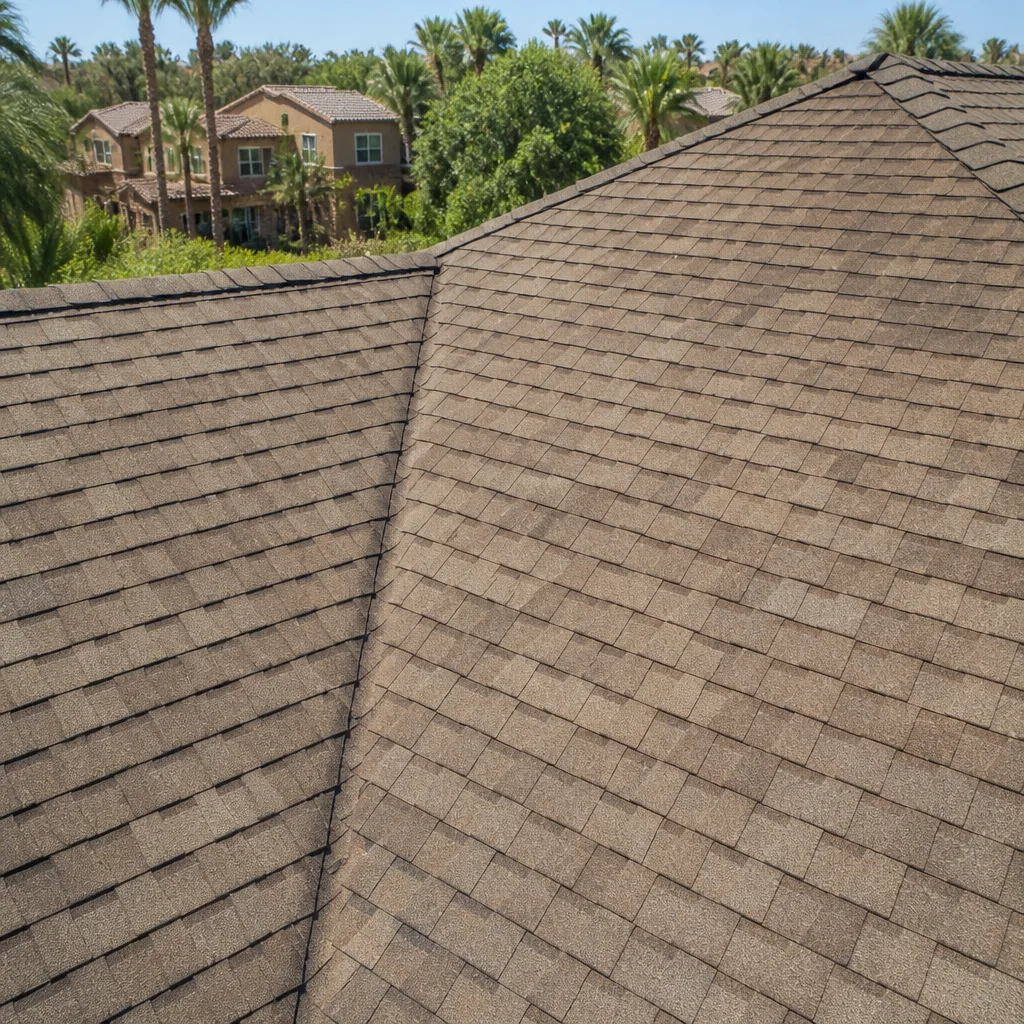
- Roofing on the new structure. GAF and Owens Corning both publish installation specs that the manufacturer’s warranty depends on, and the crew has to lay the shingle course count the engineer specified.
- Plumbing stub-outs at the ADU wet wall. Concealed behind drywall, behind a tile membrane like a Schluter-Kerdi board, and inspected before either goes on.
Category 3: Gray zone
Some work falls between the two. Drywall hanging is doable. Drywall taping and finishing to a level-4 standard before a paint finish is a craft. Tile in a guest bath is doable. A curbless shower pan with a linear drain is a two-day professional job even for skilled installers. Be honest about which one you’re signing up for.
The Real Cost Difference on Finish Work
Torrance labor rates for finish work in 2026 run between $65 and $110 per hour depending on the trade and the crew. Concrete numbers, before you decide:
- Interior painting, 700 sq ft ADU: $2,800 to $4,200 professional (materials plus labor, two coats, ceilings). DIY materials run about $550 in paint, primer, tape, and trays. Savings: roughly $2,300 to $3,600. Time: three weekends.
- Cabinet hardware, 18 cabinet doors: $180 to $280 professional install. DIY materials: $90 to $140 in pulls and hinges. Savings: under $150. Not worth scheduling.
- Tile backsplash, 30 sq ft: $900 to $1,400 professional with a Schluter trim edge and grout match. DIY materials run $350 to $500 with a wet saw rental. Savings: $400 to $900, plus the risk of a wavy field install.
- Shower tile, 60 sq ft with a Schluter shower system: $3,200 to $4,800 professional. The waterproofing membrane, flood test, and slope are why. DIY saves money only if nothing leaks; if the pan leaks, you tear out $4,000 of tile and board and start again.
- Basic landscaping around an ADU: $1,800 to $3,500 including soil amendment, sod, one tree, and drip irrigation tied into the existing line. DIY labor saves roughly half.
The pattern is consistent. Finish painting and light landscaping repay the weekend effort. Cabinet hardware doesn’t. Wet-area tile and anything behind a membrane belong in the pro column, not because you can’t learn it, but because a failure there costs more to undo than the labor saved. When we write a Torrance quote, the finish line items are itemized on their own so a homeowner can strike the ones they want to keep and see exactly what the deduction is.
What Happens When Unlicensed Work Gets Embedded in a Permitted Project
The scenarios below happen in Torrance regularly enough that we plan for them on every ADU job.
- Framing that fails rough inspection. The inspector finds header plumb cut short, an unrated connector, or a shear panel missing a nailing schedule. Correction means re-opening the wall, reframing, and re-inspection, usually seven to fourteen days of delay and $1,200 to $2,800 in labor and materials before the job moves forward.
- Electrical that requires a partial rewire. A homeowner-installed branch circuit that wasn’t pulled properly means the inspector red-tags the rough. Correction ranges from $800 for a single circuit to $4,000-plus if the panel schedule, conduit runs, and box fill are all wrong.
- Concealed plumbing without test documentation. If the rough plumbing was covered before inspection, the inspector will require re-exposure. Drywall down, membrane off, test, and back. Correction: $1,500 to $3,500 depending on the wet wall location.
- Improper gas line pressure test. The test is performed at final or rough depending on the jurisdiction. A joint that leaks in the test means finding it, fixing it, and passing a second test. Correction: $400 to $900 in plumber labor plus the inspection reschedule.
- Roofing spec not followed. Underlayment gaps or a shingle course count that doesn’t match the engineering spec gets flagged at framing or at final. Warranty void from GAF or Owens Corning means the manufacturer covers nothing on a future claim, and correcting the roof means stripping to the deck. Correction: $3,500 to $7,000 on a new ADU roof.
The pattern here is that unlicensed work isn’t a hidden mistake. It’s a documented failure in the permit file, and the inspector writes it down. That document follows the property.
The Insurance Gap Nobody Mentions
Standard homeowner’s policies in California exclude coverage for construction activity performed without a permit, and many will void coverage on the structure entirely if a loss occurs during a permitted construction period where an unlicensed subcontractor performed the work. That isn’t a scare tactic; it’s how the exclusion is written in most carrier forms.
What that looks like in practice depends on the loss. A kitchen fire during a permitted remodel is one kind of claim. A fire lit by a homeowner-installed subpanel during the construction period is a different one, and the insurer may deny the claim on the basis that the electrical work wasn’t permitted and wasn’t performed by a licensed electrician. A water loss from a shower that fails six months after completion may not be covered if the waterproofing was performed by an unlicensed party and the disclosure on the permit file says so.
The other gap: if you hire an unlicensed subcontractor directly and their worker is injured on your site, your homeowner’s liability coverage may be the only policy that responds, and the carrier can deny the claim because the work itself was performed in violation of the contractor licensing law. Licensed and bonded subcontractors carry their own general liability and workers’ compensation coverage. That coverage is the piece you’re actually buying when you hire a licensed crew, not the labor.
We carry general liability coverage on every project and require written certificates from every subcontractor before they arrive in Torrance. Not because our clients ask for it, but because it’s the piece that keeps a legitimate problem from becoming an uncovered one.
What a Written Price Before Anyone Starts Actually Means
Most DIY decisions come down to the finish line items in a written quote. The problem is that most quotes don’t have line items, so homeowners end up guessing what a professional finish package actually costs, and guessing wrong. A written price before work starts is the entire basis of our Haven Standard Clause 1, and it exists because the alternative is a client three weekends into an ADU project finding out the shower waterproofing was going to run $4,000 more than they budgeted.
What that document contains on a typical ADU job:
- A line-item scope, so the client can strike painting and landscaping and see the deduction in writing before the project starts.
- A flat price per line. Not a range. Not a call for a quote.
- A written change-order process: no change proceeds until the change order is signed, which is the discipline that keeps the project within a few percent of the agreed number.
- A written warranty and the 365-Day Done Right Promise, on the page, not in fine print.
Where this matters most is where DIY decisions get made, which is finish work. A homeowner who can see painting, cabinets, and landscaping priced in dollars makes a rational choice about what to keep and what to hand off. A homeowner guessing at $2,800 versus $4,200 for paint makes the same decision from feeling, not data. When you’re comparing numbers, bring a competing quote and we’ll review it line by line at no charge. Free second opinions are a standing offer on any written estimate for a Torrance ADU or addition because the numbers on the page should survive daylight.
Common Mistakes to Avoid
- Assuming the owner-builder permit means full DIY freedom. The 7044 disclosure applies even if you hire licensed crews for the structural work, and the five-year window is longer than most homeowners expect. If you plan to sell within five years, price the resale discount into the DIY decision before you start.
- Doing your own electrical panel work to save money. In Torrance, a failed rough electrical inspection means drywall re-open and a rewire that costs more than the original electrician quote. The savings never justify the exposure.
- Skipping the flood test on a shower pan. A Schluter shower system is only as good as the membrane install and the flood test. Without the test documented in the permit file, the eventual leak is on you, and the repair requires tearing out the finished tile.
- Hiring an unlicensed subcontractor to “just do the plumbing rough.” The permit file will note the unlicensed party, and the insurance gap covers the whole structure during the construction period, not just the work that party performed.
- Burying cleanouts and utility stubs during landscaping. Landscaping around a new ADU is one of the safest DIY categories, but backfilling against the stem wall or covering a plumbing cleanout will fail the final inspection and require excavation.
- Changing the roof spec mid-project without a signed change order. A GAF or Owens Corning warranty depends on the specific install spec, and any deviation voids it. Mid-project spec changes need to be documented before the shingle goes on, not after.
- Underestimating the timeline on DIY finish work. Painting a 700 sq ft ADU properly is three weekends minimum. If the schedule for the rest of the project depends on the finish work, the labor savings may cost you four weeks of carrying costs on the loan.
When to Call a Professional
Call a licensed professional the moment the work crosses into electrical, gas, structural framing, roofing, or wet-area plumbing. Call before you pull the owner-builder permit if you plan to sell within five years, because the 7044 disclosure decision belongs before design, not after final inspection. Call when the finish work you’re considering is behind a waterproofing membrane or requires a level-4 drywall finish. Call if your homeowner’s policy hasn’t been reviewed against the permitted scope. If you’re weighing Home Additions & ADU in Torrance, we’ll put the finish line items in writing so you can see exactly what staying DIY saves and what it costs in risk. Rowan Construction Group Torrance offers free estimates in Torrance: call (888) 349-6729.
See the difference
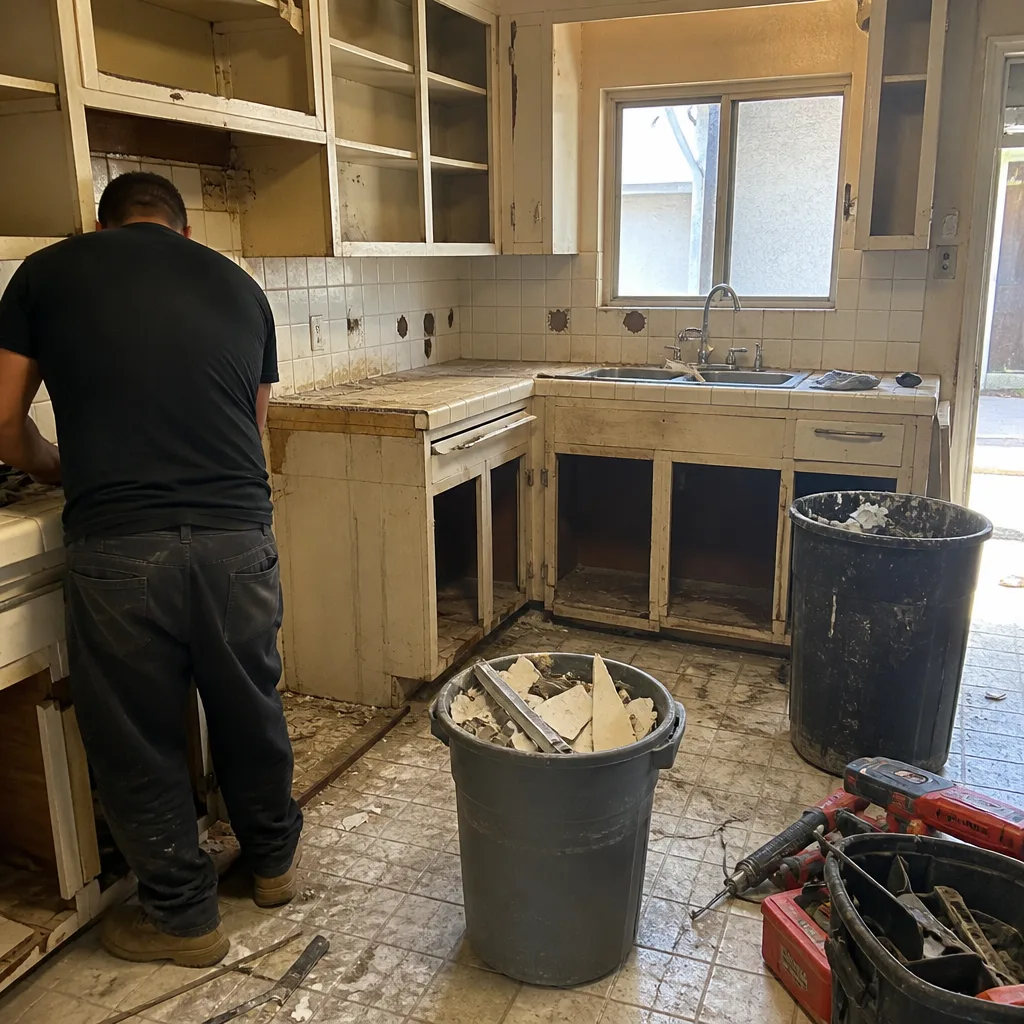 Before
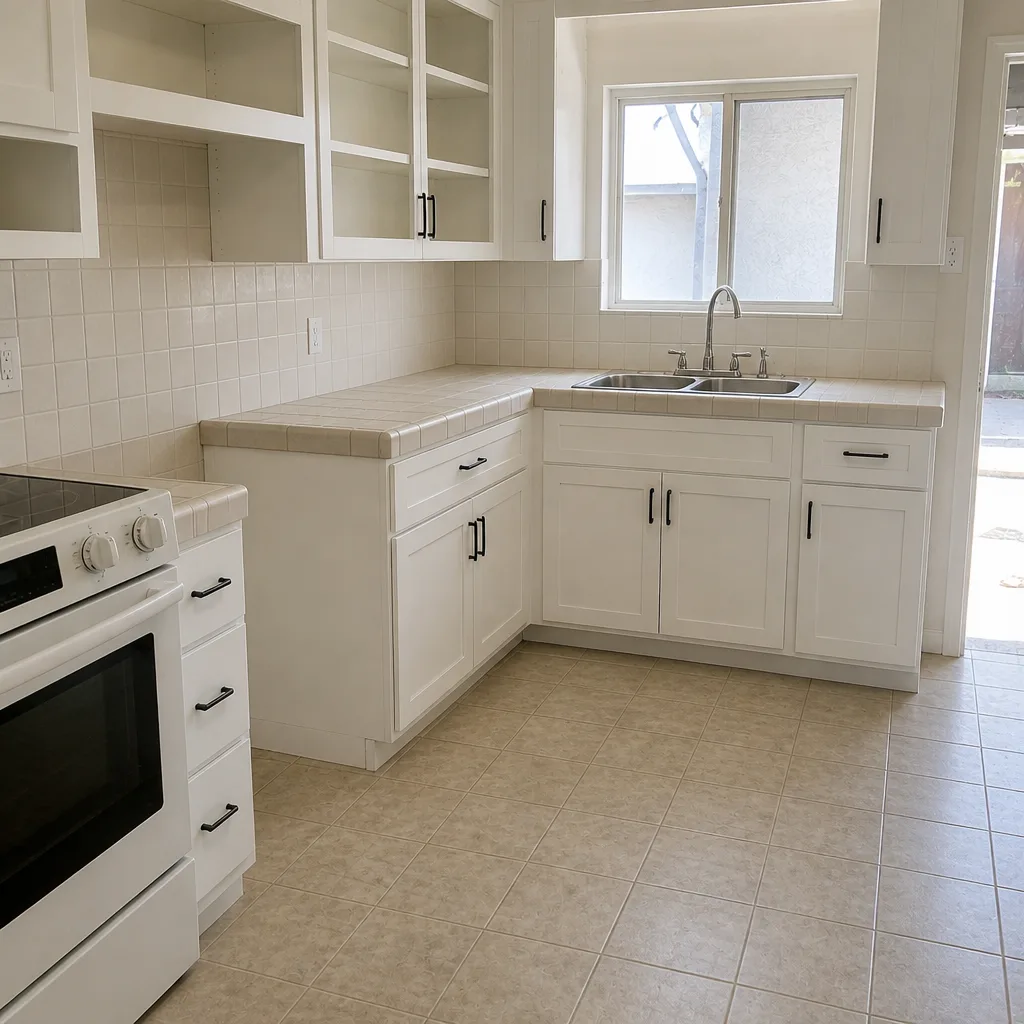 After
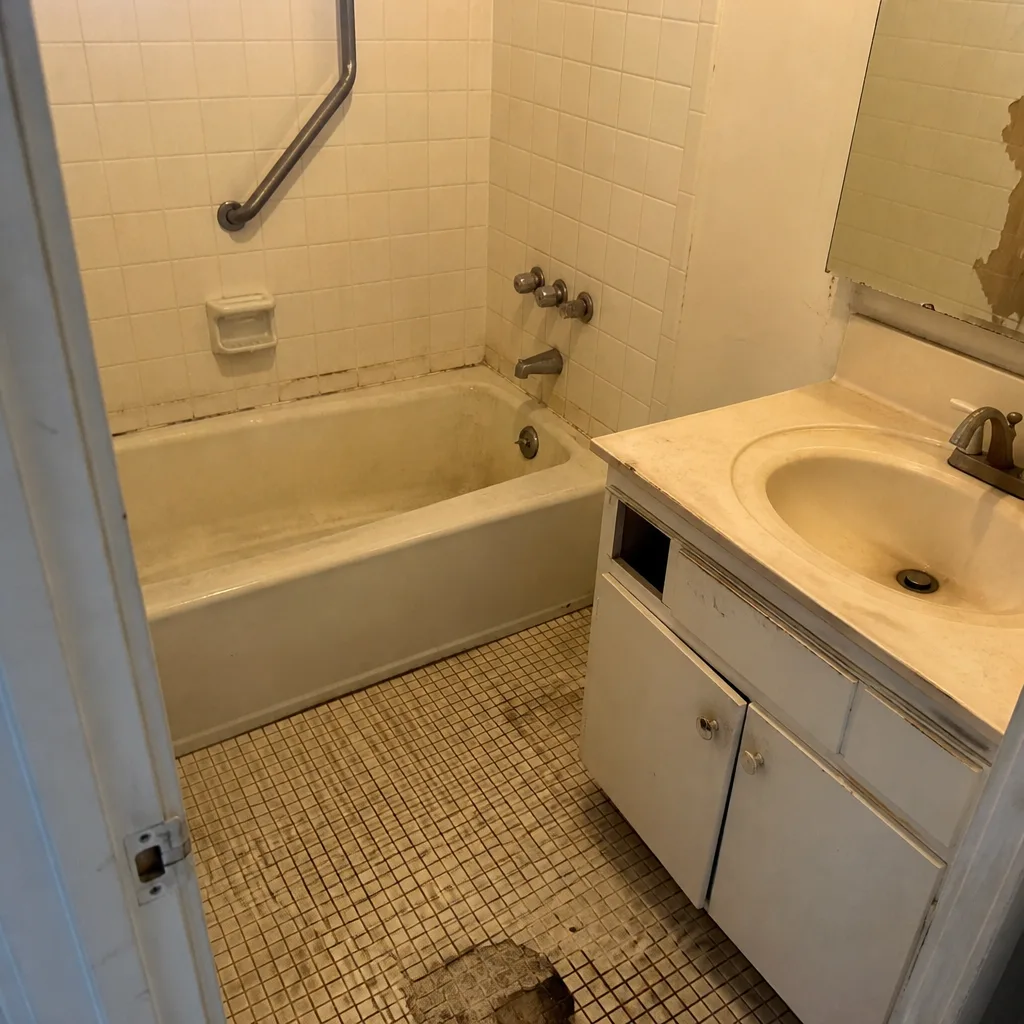 Before
 After
 Before
 After
Frequently Asked Questions
Yes. California allows an owner-builder to pull permits and perform work on a home they occupy, provided they don’t sell within one year of completion and disclose owner-builder status on any sale within five years under Business and Professions Code 7044. The Torrance Building & Safety Division processes the permits the same way whether a contractor or an owner-builder pulls them. The difference is who is responsible for corrections if an inspection fails, and you are.
The 7044 disclosure is required, and buyers, appraisers, and lenders react to it. A buyer’s lender may require a second appraisal or licensed inspection before financing, and appraisers frequently discount the unit’s contributory value because the disclosure signals incomplete documentation. The resale discount varies, but in Torrance’s market it commonly runs $30,000 to $80,000 on an owner-built ADU compared with an identical contractor-built unit. Call (888) 349-6729 for a free second opinion on any written estimate before you commit.
You can legally perform it as an owner-builder on your own occupied home, but the panel work is the highest-risk category in any ADU project. A failed rough electrical inspection means the wall gets opened and the circuit gets redone at $800 to $4,000-plus, and the homeowner’s insurance exclusion on unpermitted work means a fire claim during the construction period may not be covered. This is the category we recommend against every time. Call (888) 349-6729 to talk through the electrical scope before the permit is pulled.
Interior painting on a 700 sq ft ADU runs $2,800 to $4,200 professional and about $550 in materials DIY. Shower tile with a Schluter shower system is $3,200 to $4,800 professional and rarely worth DIY because the waterproofing is the labor. Basic landscaping runs $1,800 to $3,500 professional, with DIY saving roughly half. Cabinet hardware is $180 to $280 professional, so DIY saves almost nothing. A written line-item quote lets you strike specific lines and see the deduction. Call (888) 349-6729 for a free estimate with those lines itemized.
The permit file documents it, the inspector writes a correction, and correcting it costs money and time. Framing correction runs $1,200 to $2,800 and 7 to 14 days. Concealed plumbing re-exposure is $1,500 to $3,500. Electrical rewire ranges from $800 to $4,000-plus. The correction stays on the property’s permit record, which affects resale disclosure. Call (888) 349-6729 if you have a correction notice and need a written price on the fix.
Standard California homeowner’s policies exclude construction work performed without permits, and many exclude the entire structure during construction if an unlicensed subcontractor performed part of the work. That exclusion applies even if the licensed portion was done properly, and it can void a fire or water claim arising during the construction period. Review the policy against the permitted scope before work starts. If you want a written price on the insured scope, call (888) 349-6729.
The Bottom Line
The DIY-versus-hire decision on an ADU comes down to three things: permit exposure, the reversibility of a mistake, and who holds the liability if something fails. Painting, cabinet hardware, landscaping, and a low-moisture tile band sit safely in the DIY column. Electrical, gas, structural framing, roofing, and any wet-area tile behind a membrane belong with a licensed crew, not because they’re too hard to learn, but because a failure there is expensive to undo and the correction lands on the permit record. If you plan to sell within five years, treat the 7044 disclosure as a cost before you start, not a surprise after. For the finish work you’re weighing, get the price in writing first. You can’t rationally decide what to keep without it.
Rowan Construction Group Torrance writes a written price before any work starts, on every trade, including the finish lines a homeowner might want to strike and self-perform. We’ll review any competing estimate line by line at no charge, source from fifty-plus vetted brands (Schluter, Grohe, GAF, and more), and put a documented photo record in your hands on every visit. If you’re sketching out an ADU in Torrance or a home addition, call (888) 349-6729 for a free estimate, or start with the Rowan Construction Group Torrance home page to see how we work across the trades. When the project gets to the driveway and yard, our Driveway & Pavers in Torrance team and our Fence Installation in Torrance crew finish what the ADU crew started.
Written by the team at Rowan Construction Group Torrance.