Last updated November 17, 2026





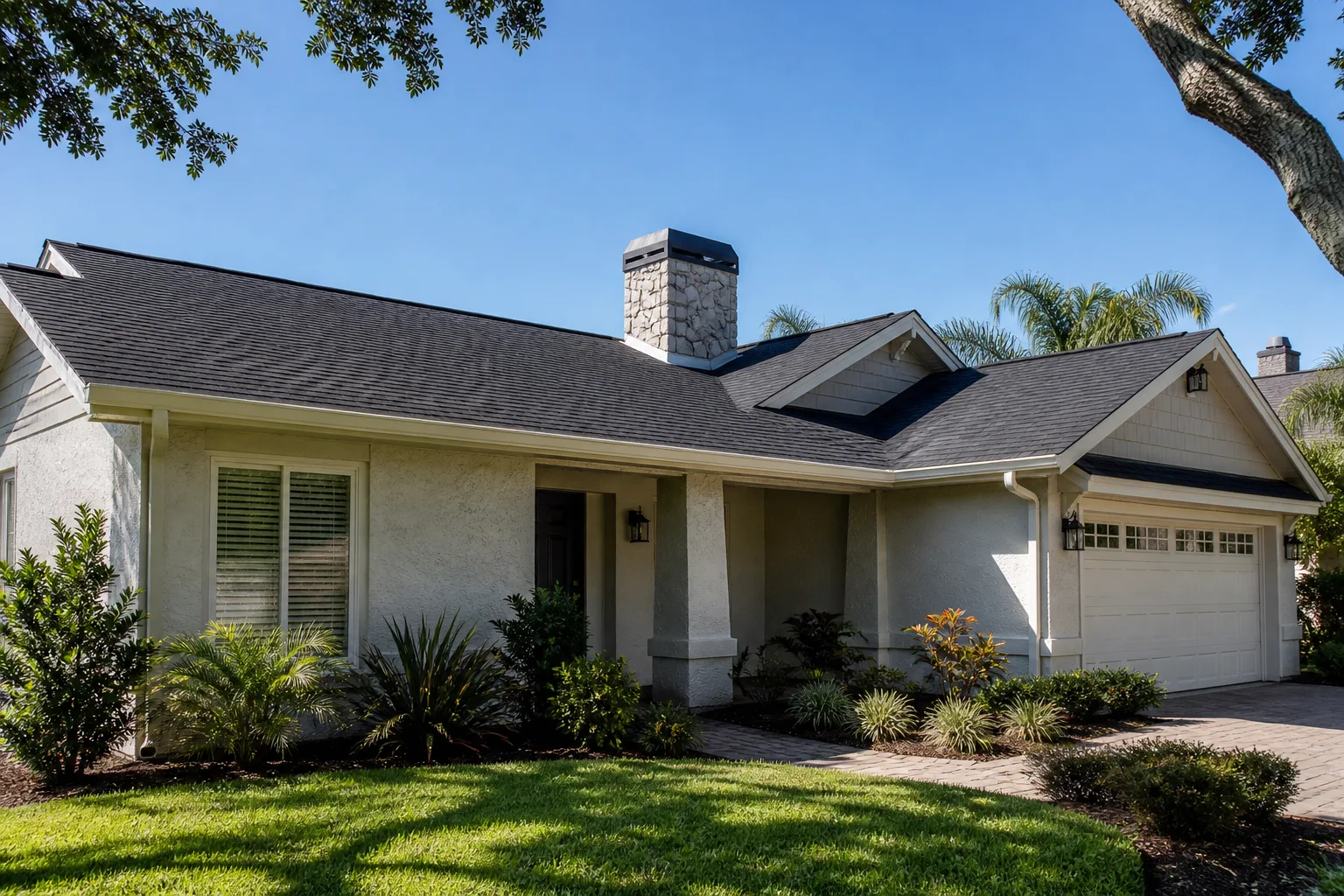
Free written scope consultation - allowances, timeline, and change-order rules on paper before a single trade is scheduled
Seasonal Construction Care for Torrance: Year-Round Homeowner’s Guide
Torrance averages fewer than 13 inches of rain a year, nearly all of it between November and March. That single fact reshapes how you should maintain a house here. In cold climates, winter forces the issue: ice dams, frozen pipes, and snow load make you look at your roof and foundation whether you want to or not. In Torrance, nothing forces it. A roof that leaks in February can stay quiet through nine dry months while moisture spreads behind the drywall, and you won’t know until the next storm finds the same seam. This guide builds a maintenance calendar around what Torrance’s climate actually does to a home: the marine layer, the Santa Ana winds, the UV, and the salt air. You’ll get checklists you can run yourself and clear signals for when to call a pro.
Quick Answer
Seasonal construction care in Torrance means inspecting for moisture, wind, and UV damage on a calendar rather than waiting for a problem to announce itself. The core cycle: a pre-rainy-season inspection in September and October (roof penetrations, downspouts, window flashing), a Santa Ana wind check from October through February (fence posts, patio covers, recent work), a summer UV and marine-layer inspection (caulk, paint, roof coatings, wood trim), and dated photo documentation of every check. Because Torrance gets so little rain, most damage accumulates invisibly for months before it shows.
Styles & brands we work with
- Kitchen remodeling
- Bathroom remodeling
- Home additions & ADU
- Roofing
- Windows & doors
- Driveway & pavers
- Fence
Table of Contents
- Why Torrance Homes Skip Their Annual Forcing Function
- The June Gloom Effect on Wood, Sills, and Stucco
- Pre-Rainy-Season Checklist (September-October)
- Santa Ana Wind Season Structural Checks (October-February)
- Summer UV and Salt Air Inspection
- How to Document Each Inspection Like a Contractor
- A System-by-System Maintenance Map
- When a Check Becomes a Repair
Why Torrance Homes Skip Their Annual Forcing Function
In Minneapolis or Buffalo, the first hard freeze is a deadline. You clean your gutters because if you don’t, ice backs up under the shingles and you find out in the form of a stain on the ceiling. That deadline does the maintenance scheduling for you. Torrance doesn’t have it. The rainy season is short and gentle, the summers are dry, and the temperature rarely swings enough to crack a pipe. So the house never sends an alarm, and the small failures that a cold climate would expose in one winter get to sit quietly for three or four years.
We’ve seen this pattern across the South Bay. A homeowner in the Hollywood Riviera notices a soft spot in a window sill, assumes it’s cosmetic, and paints over it. Two summers later the wood behind it has rotted through and the repair has moved from a $40 tube of sealant to a carpentry job. The climate didn’t cause the damage faster than anywhere else. It just removed the annual moment when someone would have looked.
The fix is to manufacture that forcing function yourself. Put four inspection dates on your calendar and treat them like an oil change. The checklist below is built around Torrance’s actual seasonal rhythms, not a generic national template.
What “seasonal” actually means in Torrance
- Rainy season: November through March, carrying the bulk of the annual precipitation.
- Santa Ana wind season: October through February, dry offshore gusts that test every attachment point.
- June Gloom: May through early July, a marine layer that keeps morning surfaces damp for hours.
- Peak UV and dry heat: late July through September, when coatings and caulk take their hardest hit.
The June Gloom Effect on Wood, Sills, and Stucco
June Gloom is the marine layer that parks over the South Bay in late spring and early summer, keeping mornings gray and damp until it burns off around midday. People talk about it as a weather inconvenience. For a house, it’s a slow moisture cycle that repeats for weeks: surfaces get wet overnight and in the morning, then dry in the afternoon sun, then get wet again. Wood trim, window sills, and exposed stucco edges absorb that moisture and release it every single day.
The damage isn’t overnight. It’s cumulative over years. Anywhere water can get behind a finish, it will, and the daily wet-dry cycle drives it deeper. Three spots take the worst of it in Torrance:
- Window sills and frames where the paint film has thinned or checked. Water wicks into the end grain and the wood softens from the inside.
- Wood trim and fascia boards on the north and west faces, which stay shaded longest and dry last.
- Stucco cracks, especially hairline cracks at corners and around penetrations, which let the marine moisture into the lath and framing.
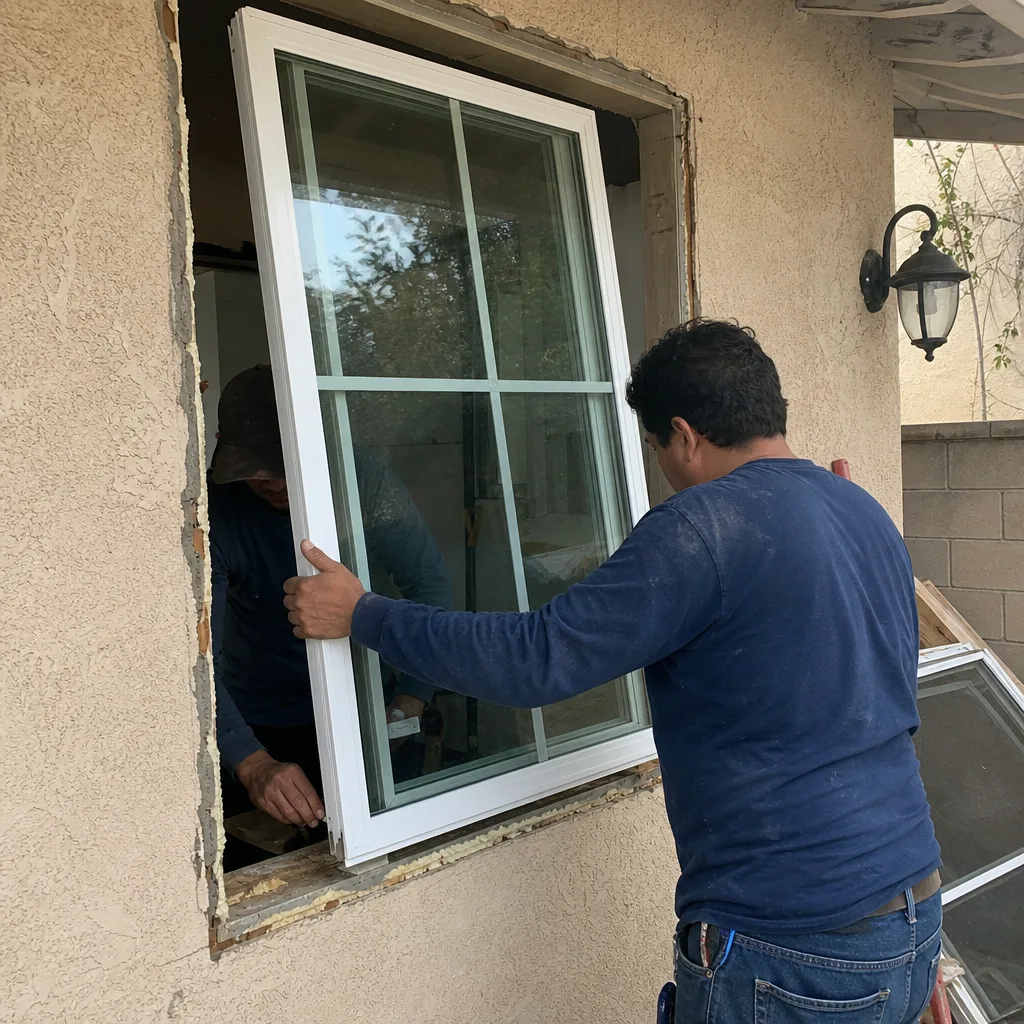
Run a hand and a screwdriver along these surfaces each spring. A screwdriver tip pressed gently into a sill should meet firm wood, not mush. If it sinks, that’s rot, and it’s cheaper to cut it out now than after it reaches the framing. On the stucco, look for cracks wider than a credit card edge; those need sealing before the next marine cycle opens them further. For windows and doors that are already past sealing and into replacement, our team handles window and door installation in Torrance, and we’ll tell you honestly whether a repair buys you five more years or whether it’s time.
Pre-Rainy-Season Checklist (September-October)
This is the most important inspection on the Torrance calendar, because it’s the only one with a hard deadline attached: the first real storm. Do it in September or October, before the rain arrives, so any repair has time to cure. Here’s the order we work in.
- Walk the roof and check every penetration. Vents, skylights, chimney flashing, and satellite mounts are where leaks start. Look for cracked sealant, lifted flashing, and any nail heads backing out. If your roof is more than 15 years old, note the shingle condition; granule loss and curling tell you how much life is left.
- Test the window flashing with a hose. Have someone run a gentle stream against each window from the outside for a few minutes while you watch the interior frame and sill for weeping. This is the only honest test of whether flashing is doing its job.
- Trace the downspouts. Every downspout should discharge at least a few feet from the foundation and slope away from the slab, not dump against it. In Torrance’s clay-heavy soils, water pooled at the slab edge finds its way under the house.
- Clear the gutters and roof valleys. Even 13 inches of rain, delivered in a handful of storms, will overtop a clogged gutter and send water behind the fascia.
- Check the weep screed. That’s the metal lip at the base of the stucco that lets moisture drain out of the wall assembly. If it’s buried in soil or blocked by a planter, the stucco can’t dry and the framing stays wet.
Our crews do this pre-season sweep as a matter of course, and the roof penetrations are almost always where we find the first problem. If your inspection turns up failing shingles or flashing that’s beyond a patch, our roofing services in Torrance start with a written scope and a flat price before anyone touches the roof.
Santa Ana Wind Season Structural Checks (October-February)
Santa Ana winds are dry, gusty offshore winds that funnel through the passes and hit the South Bay from October into February. They’re the opposite of a rain event: no water, but real force. A gust that catches a fence panel or a patio cover puts load on every fastener holding it down, and the failures show up as a post that’s worked loose in its footing or a connection that’s pulled a bolt halfway out. Wind damage compounds quietly, one season at a time.
This is also the season to check any work completed in the prior 12 months that hasn’t yet been tested by wind load. A new fence or patio cover that looked solid in calm weather gets its first real test in a Santa Ana. Walk it while the wind is up, if you can do it safely, and listen and look for movement.
What to inspect for wind
- Fence post bases: push each post firmly. Any that rocks in its footing or shows a widening gap at the base needs attention before the next gust.
- Patio cover connections: look at the bolts and brackets where the cover ties to the house and to its posts. Rust streaks or gaps mean movement.
- Roof edge and ridge: check for lifted shingles or flashing at the edges and ridge, which take the wind first.
- Gutters and trim: confirm nothing is loose enough to peel off in a gust.
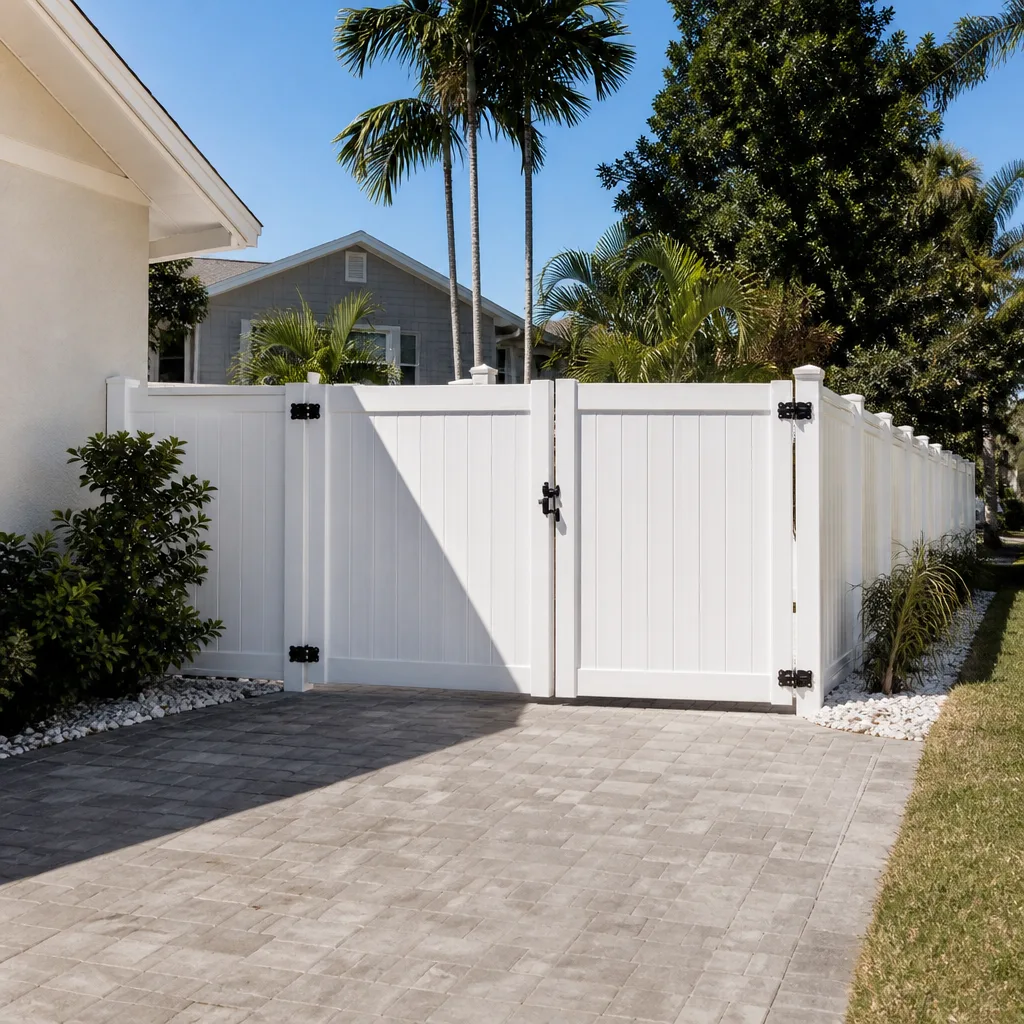
If your fence came through a season looking tired, or you’re planning a new one, our fence installation in Torrance builds the posts and footings for the wind load this coast actually delivers, not for a mild day.
Summer UV and Salt Air Inspection
By late summer, Torrance’s combination of strong UV and salt-laden air has done a year’s work on every coating on your house. Salt air accelerates the breakdown of paint and caulk, and intense sun bakes out the flexibility that lets a caulk joint move with the structure. The elastomeric coating on a flat or low-slope roof is the same story: it’s a sacrificial layer, and once it chalks and thins, the membrane underneath starts to take UV directly.
Run this check in July or August, when the sun is highest:
- Elastomeric roof coatings: look for chalky residue, visible thinning, or bare patches. A coating that’s breaking down needs recoating before the membrane is exposed.
- Painted wood: check trim and fascia for cracking, peeling, and chalking. Salt air will push a failing paint film toward bare wood within a season.
- Caulk joints: press a fingernail into exterior caulk at windows, corners, and penetrations. If it’s hard or pulling away, it’s no longer sealing anything.
- Fixtures and hardware: salt air attacks metal, so check exterior faucets, hose bibs, and any exposed fasteners for corrosion.
Re-caulking and recoating in late summer, before the marine layer returns, gives the material its best chance to cure and hold. It’s an inexpensive habit that protects expensive assemblies.
How to Document Each Inspection Like a Contractor
The most useful maintenance habit we can hand a homeowner is the one we use ourselves: a dated photo record organized by system. We include a documented photo record on every visit as a standard deliverable, not an add-on, because evidence beats memory. When you can see the condition of a sill in June and again the following June, you know whether it’s holding or getting worse. When a repair needs warranty work or an insurance claim, the dated photos do the talking.
- Set up folders by system, not by date: Roof, Windows and Doors, Stucco and Trim, Fence, Driveway and Pavers, and so on. Each system’s history lives in one place.
- Photograph a reference point in every shot, like a corner or a downspout, so you can line up this year’s photo against last year’s.
- Take one wide shot and one close-up of each condition. The wide shot orients you; the close-up shows the actual damage.
- Name the file with the date (2026-09-14-roof-flashing.jpg). A date on the photo itself, not just the folder, keeps the record honest.
- Note the measurement or the finding in plain terms: “stucco crack 1/8 inch at NE corner,” “sill wood soft at west window.” Describe the condition, then what it means in one clause.
- Keep the last three years’ folders together. Trends only show up across time, and that’s where the real signal is.
This is the same documentation standard we put in a project closeout file, and it’s what makes a maintenance decision objective instead of a guess.
A System-by-System Maintenance Map
Here’s how the four seasons map onto the parts of a Torrance house, in a format you can print and pin up.
- Roof: pre-rain penetration check (fall), wind-edge check (winter), coating and UV check (summer).
- Windows and doors: flashing hose test (fall), sill and frame rot check (spring), caulk and seal check (summer).
- Stucco and trim: crack inspection (spring and fall), weep screed check (fall), paint and caulk check (summer).
- Fence: post-base check after any Santa Ana (winter), full condition review (fall).
- Driveway and pavers: joint sand and drainage check (fall), surface sealing and weed review (spring). Our driveway and pavers in Torrance guide covers the material choices for this climate.
- Additions and ADUs: check any recent structure’s roof ties, flashing, and wind connections on the same calendar as the main house. If you’re planning one, our home additions and ADU in Torrance page lays out the process.
For a fuller look at how each of these trades fits together under one written-price standard, the Rowan Construction Group Torrance home page is the place to start.
When a Check Becomes a Repair
Some findings are a weekend’s work with a caulk gun. Others are a signal that the assembly behind the finish has failed, and those are worth a professional look before they get expensive. Call a pro when a screwdriver sinks into window or trim wood (rot behind the paint), when a hose test shows water at an interior frame (failed flashing), when a fence post rocks in its footing or a patio cover connection has moved (wind load), when roof shingles are curling or granule loss is heavy (end of service life), or when an elastomeric coating has worn through to the membrane.
The other case is documentation you can’t produce and a record you can’t trust, such as an older repair with no photos or written scope. A professional inspection with a dated photo record gives you a baseline to maintain against. Rowan Construction Group Torrance offers free estimates in Torrance, and we’ll do a free second opinion on any written estimate you’ve already collected, reviewed line by line at no charge. Call (888) 349-6729 to schedule yours.
Common Mistakes to Avoid
- Waiting for a leak to start the inspection. In a 13-inch-rain climate, a small roof or flashing failure can stay hidden for months while moisture spreads behind the wall. Inspect on the calendar, not on the symptom.
- Painting over soft wood instead of cutting it out. A coat of paint hides an active rot problem and traps moisture against the wood. Test with a screwdriver first, then repair.
- Letting downspouts dump at the slab. Torrance’s clay soils hold water, and a downspout aimed at the foundation sends it under the house. Route every one a few feet out and away.
- Ignoring the weep screed. Burying that stucco drain lip under soil or a planter blocks the wall’s ability to dry. Keep it clear.
- Skipping the wind check after recent work. A new fence or patio cover hasn’t been tested until a Santa Ana hits it. Walk it that first season and re-torque anything loose.
- Letting the elastomeric coating wear to the membrane. A recoating is cheap; a membrane replacement is not. Catch the chalk and thinning early.
- Keeping no dated record. Without dated photos organized by system, you can’t tell a stable condition from a worsening one, and neither can anyone you hire later.
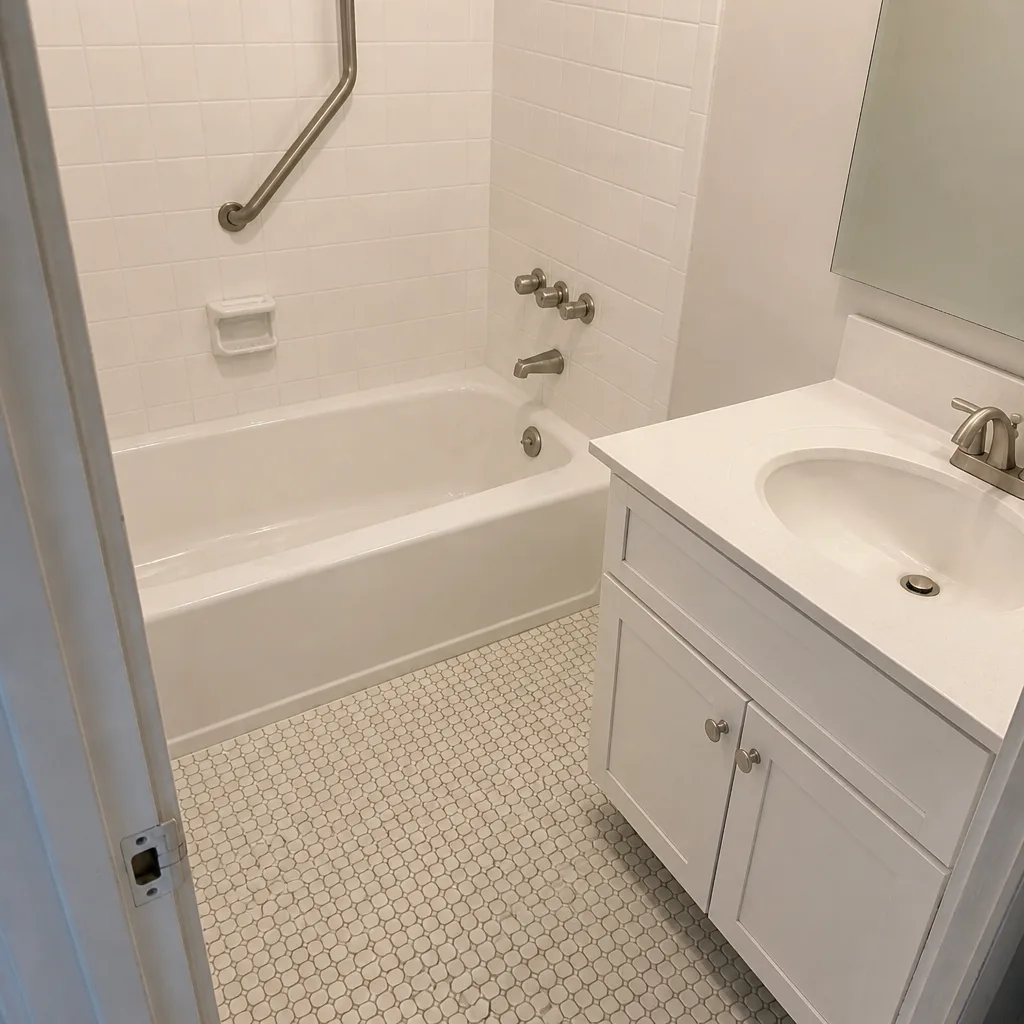
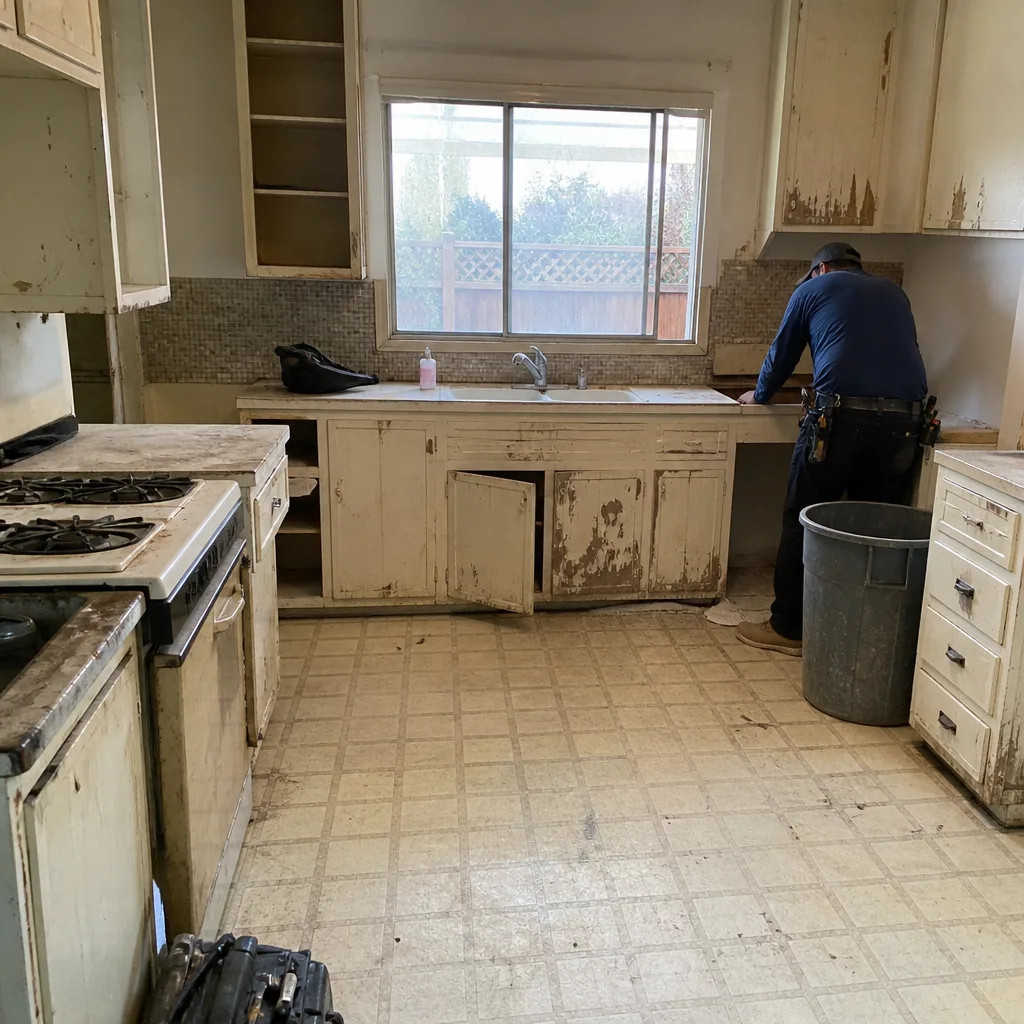
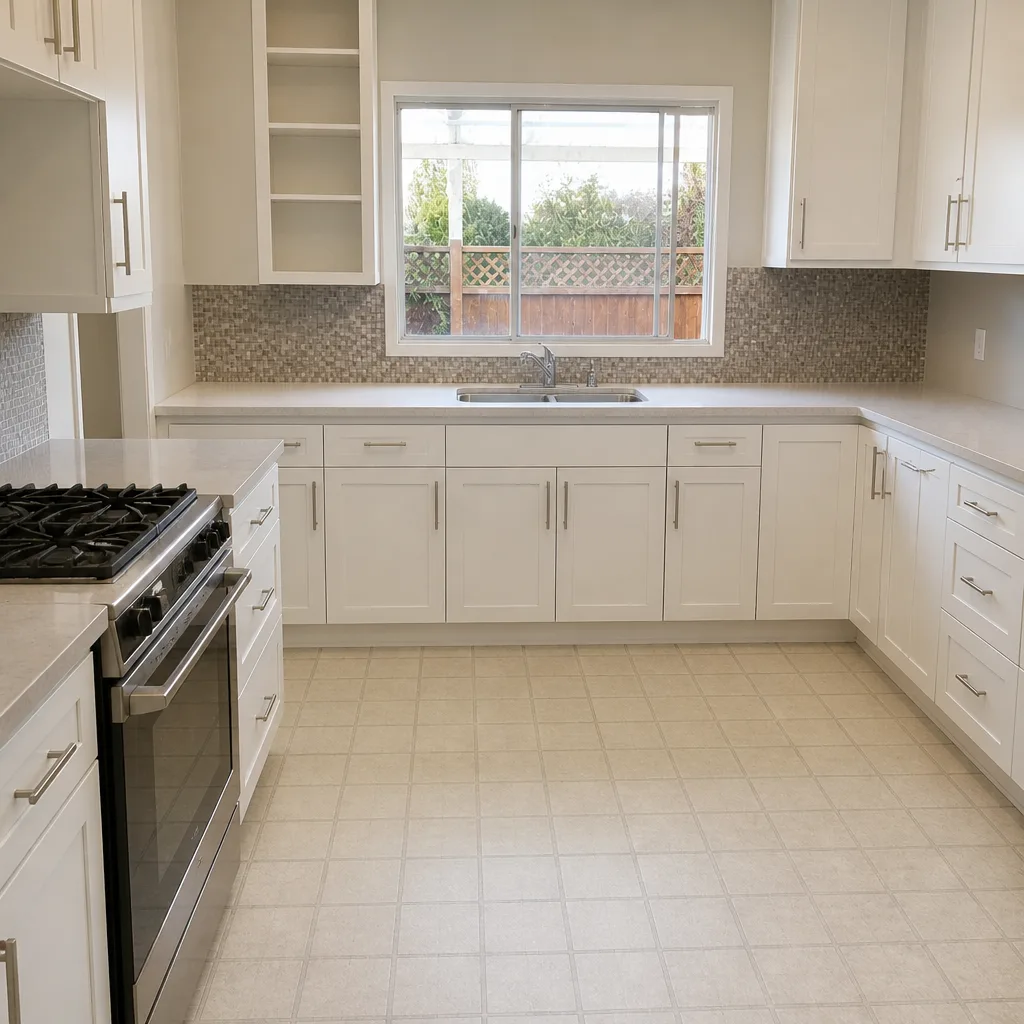
See the difference
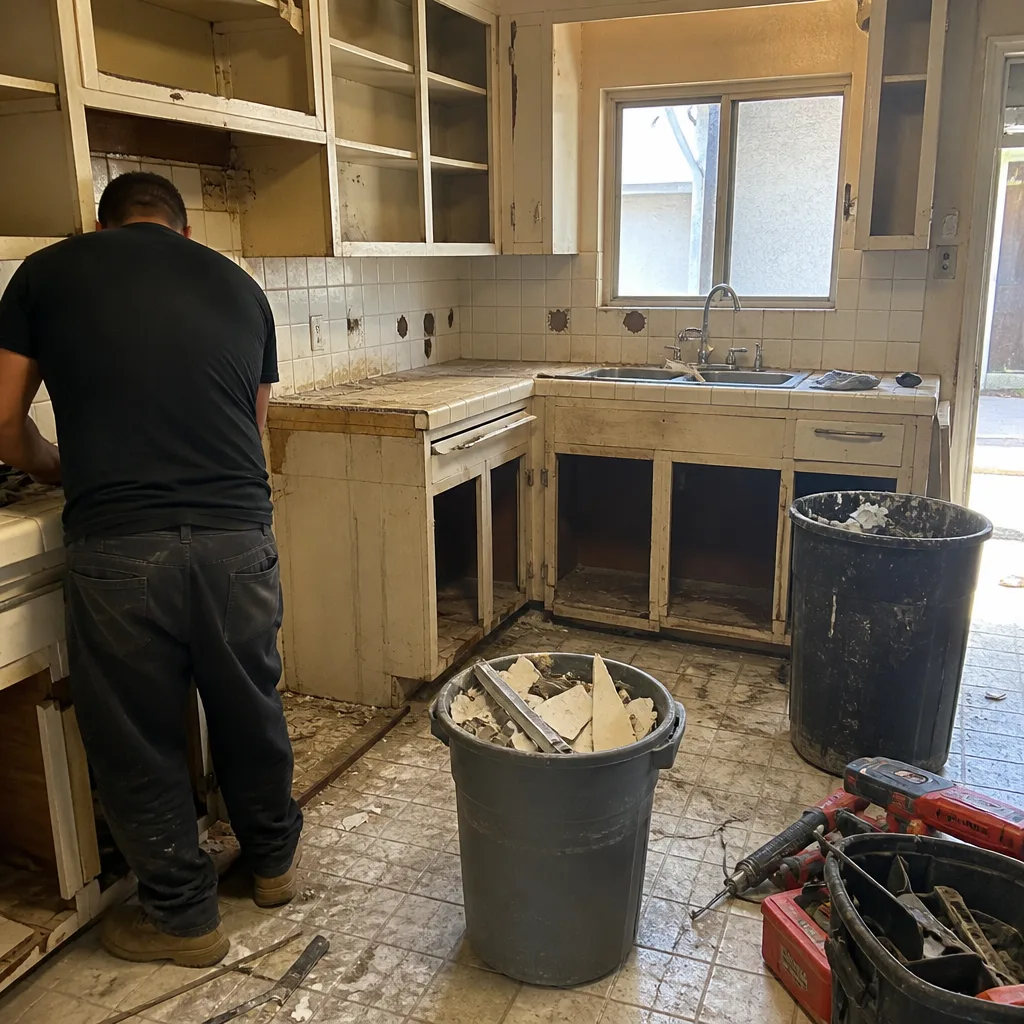 Before
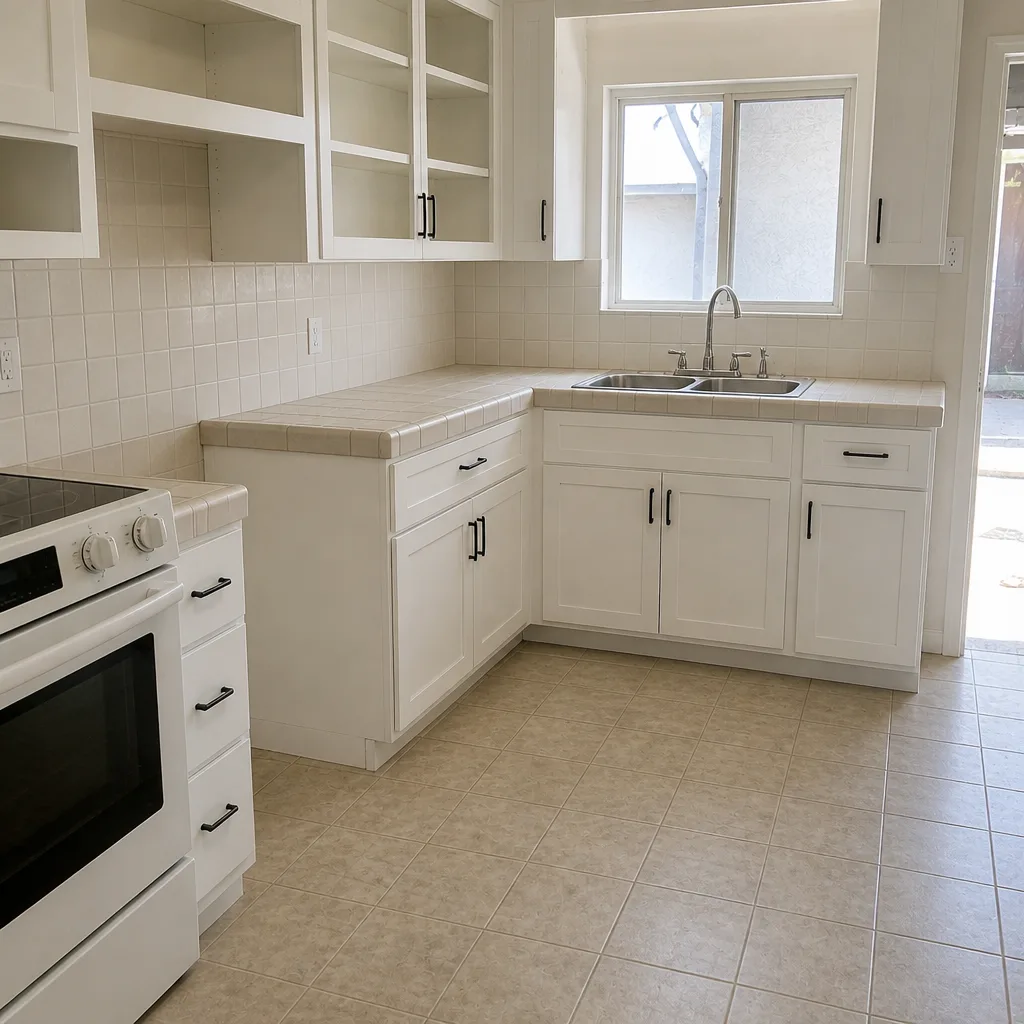 After
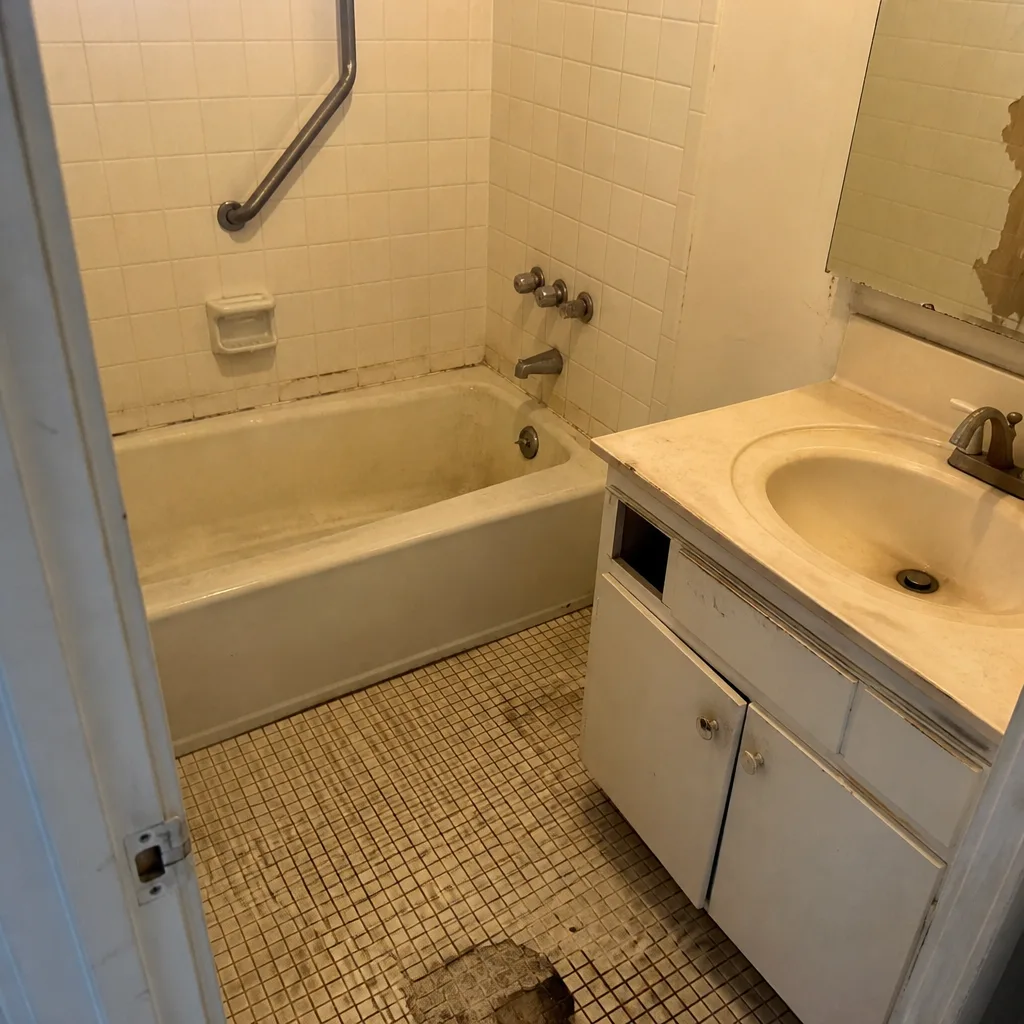 Before
 After
 Before
 After
When to Call a Professional
The line between a homeowner check and a professional repair usually comes down to structure and moisture. If a hose test shows water inside a window frame, if rotted wood extends past the paint film, if a fence or patio cover connection has moved under wind load, or if a roof is at the end of its service life, that’s a job for a trained crew with a written scope. Call before the damage reaches the framing or the slab, when a targeted repair is still possible. Rowan Construction Group Torrance offers free estimates in Torrance. Call (888) 349-6729 to schedule yours, and if you’ve already got a written estimate from someone else, we’ll review it line by line at no charge as a free second opinion.
Frequently Asked Questions
Inspect four times a year, matched to the local seasons: a pre-rain check in September-October, a wind check from October through February, a June Gloom moisture check in late spring, and a UV and salt-air check in July-August. Torrance’s mild climate won’t force these inspections the way a cold climate would, so put them on a calendar. Call (888) 349-6729 for a professional inspection with a dated photo record.
June Gloom keeps the marine layer parked over the South Bay long enough that exposed wood and stucco get wet and dry every day for weeks, which drives moisture behind any failing paint or caulk. Over years, not overnight, that repeated cycle softens wood and opens stucco cracks. Test sills and trim with a screwdriver each spring, and reseal before the next marine season.
Have someone run a gentle hose stream against the window from the outside for a few minutes while you watch the interior frame and sill for any weeping or dampness. If water shows up inside, the flashing has failed and needs a pro to correct it. Call (888) 349-6729 to schedule an inspection and a written estimate.
Check fence post bases for rocking, patio cover connections for movement or gaps, roof edges and ridges for lifted shingles, and any new work from the past year that hasn’t been through a wind season yet. Anything that moves under light hand pressure is a wind-load problem to fix before the next gust. Call (888) 349-6729 for a structural check and a written scope.
Recoat when the coating looks chalky, visibly thin, or worn through to the membrane beneath, which the combination of UV and salt air accelerates in this climate. Check it each summer when the sun is highest, and recoat in late summer so it cures before the marine layer returns. Call (888) 349-6729 for an assessment and a flat written price before any work starts.
You can run the visual checks and the hose test yourself with a small toolset and a camera. Bring in a trained crew when a check finds rot, failed flashing, structural movement, or a roof at end of life, since those repairs have to be done to code and documented. Call (888) 349-6729 for a free estimate and a photo record you can keep.
The Bottom Line
Torrance’s climate is gentle, and that’s exactly the problem: nothing here forces you to inspect your house, so damage accumulates out of sight until it’s costly. Build the forcing function yourself with a four-season calendar, a pre-rain penetration and flashing check, a Santa Ana wind-load check, a June Gloom moisture check, and a summer UV and salt-air check. Document each one with dated photos organized by system. Do the small seals and reseals before they become structural, and call a pro when a check turns up rot, failed flashing, or movement. Rowan Construction Group Torrance writes the price before any work starts, on every trade, in writing.
Written by the team at Rowan Construction Group Torrance.