Last updated November 17, 2026
Free written scope consultation - allowances, timeline, and change-order rules on paper before a single trade is scheduled
Windows & Doors Troubleshooting: Common Problems and How to Fix Them
A door that sticks every spring in a Torrance home is almost never a door problem. It’s a foundation or framing problem the door is reporting, and planing the door fixes the symptom while hiding the evidence. We’ve watched this play out on jobs throughout Torrance over the years: a homeowner spends a weekend shaving an interior door to close it, the door stops dragging, and six months later the drywall above the frame shows a hairline crack that costs far more than the $15 hinge-and-strike fix a proper diagnosis would have pointed to. This guide teaches you to read the symptom, run a physical test, and identify the actual failure point before you spend a dime. You’ll learn which fixes cost under $200, which need a pro, and why the two are easy to confuse.
Quick Answer
Most window and door problems have a mechanical cause that’s fixable for under $200: worn hinges, a failed weatherstrip, a cracked latch, a corroded roller, or a clogged weep slot. The trick is diagnosing the real failure point, because a sticking door is rarely a door problem, condensation between panes is a failed seal rather than a humidity issue, and many “structural” symptoms trace back to a $6 strike plate. Run the physical tests below before calling anyone.
Styles & brands we work with
- Kitchen remodeling
- Bathroom remodeling
- Home additions & ADU
- Roofing
- Windows & doors
- Driveway & pavers
- Fence
Table of Contents
- Why Does a Door Stick? The Three-Cause Decision Tree
- Window Condensation: Between the Panes vs. On the Glass
- How to Test a Sliding Door Before You Replace It
- Draft Diagnosis: Weatherstrip, Frame Gap, or Glass Seal?
- When a Hardware Fix Beats a Structural Repair
- What Repairs Cost at Each Diagnosis
- Common Mistakes to Avoid
- When to Call a Professional
Why Does a Door Stick? The Three-Cause Decision Tree
A sticking door has three possible causes, and each one has a different physical test to tell it apart. Get the diagnosis wrong and you’ll either ignore a settling foundation or plane a door that needed a $4 hinge replacement. Run these in order.
Test 1: Seasonal wood expansion
Does the door stick only in certain months? In Torrance, our marine-layer humidity swings from a dry Santa Ana period to a damp late-spring stretch, and solid-core wood doors can swell a full eighth of an inch across their width when they absorb that moisture. The tell: it sticks along the latch-side stile and the top-edge gap, and it frees up when the weather changes. This is the one case where minor planing or adjusting the strike plate is legitimate. It’s also the case most often mistaken for foundation movement.
Test 2: Hinge failure
Open the door to 90 degrees and look at the gap around the top hinge. If the door sags at the latch side while the hinge edge is tight, and the hinge screws turn freely or the top hinge shows rust or a loose knuckle, you have hinge failure. In our experience, this is the most common cause of a dragging door in homes built between 1960 and 1990, where the original screws have been worked loose by decades of use. The fix is often a set of longer screws into the stud, or a fresh hinge – not a new door.
Test 3: Foundation or framing settlement
Check three things. First, does the door bind on the hinge side at the bottom, or does the frame itself go out of square? Second, are there cracks radiating from the door corners through the drywall or stucco. Third, is the door sticking year-round rather than seasonally? If all three point the same direction, the frame has moved and planing the door is the wrong move. It removes material to make a moving frame look square, and the evidence of what’s actually happening goes with the shavings.
Window Condensation: Between the Panes vs. On the Glass
Where the moisture appears tells you what failed. Condensation on the room-side surface of the glass is a humidity problem with your house. Condensation between the panes is a failed seal inside the window, and no amount of dehumidifying will clear it.
Fog between the panes
This is a seal failure in a double- or triple-pane unit. The inert gas has escaped, moisture has entered the space, and the unit has lost most of its insulating value. It’s a manufacturing failure of the insulated glass unit (IGU), not your fault and not a symptom of anything wrong with your house. Depending on the window, you can sometimes replace just the glass unit rather than the whole assembly. On many PGT and similar vinyl units, that saves the frame and the surrounding finishes entirely. We’ve seen this one misdiagnosed in Torrance homes more than any other – homeowners buy dehumidifiers for a window that just needs a new IGU.
Fog on the interior glass surface
This happens when indoor humidity meets cold glass. In a South Bay home it’s usually a bathroom or kitchen window with weak exhaust. Test it: run the bath fan for 20 minutes and see if the fog clears. If it does, the window is fine. Your ventilation is the fix, and interior surface condensation that persists in a Torrance home is often an exhaust fan rated too low for the room volume rather than anything to do with the window itself.
How to Test a Sliding Door Before You Replace It
A sliding patio door that drags, jumps, or won’t latch has three separate systems that fail in different ways – and they’re replaced independently. Replacing the whole door when you have a $20 roller problem is the single most expensive mistake in this guide.
- Check the roller first. Lift the door slightly at the leading edge. If it moves freely and the bottom clears the track, the roller is intact but the adjustment has backed off. If the door feels heavy, grinds, or the leading edge won’t lift, a roller has failed or flat-spotted. A failed roller usually shows itself as a scrape mark along the bottom of the door.
- Inspect the track. Take a flashlight to the lower track and look for grit trapped in the channel, a dent or a separation at a joint. Debris in the channel is the most common cause of a stiff slider in a coastal Torrance home, where wind-blown sand and salt air put more into that track than you’d expect. A track that’s clean but dented is a hardware repair, not a door replacement.
- Check the frame. With the door closed, look at the vertical gap on both sides. If the gap runs from a normal width at the top to nearly closed at the bottom, the frame is out of square, which means the wall around it has moved. This is the case that needs a professional. The frame carries the door, and re-setting it is not a hardware job.
Draft Diagnosis: Weatherstrip, Frame Gap, or Glass Seal?
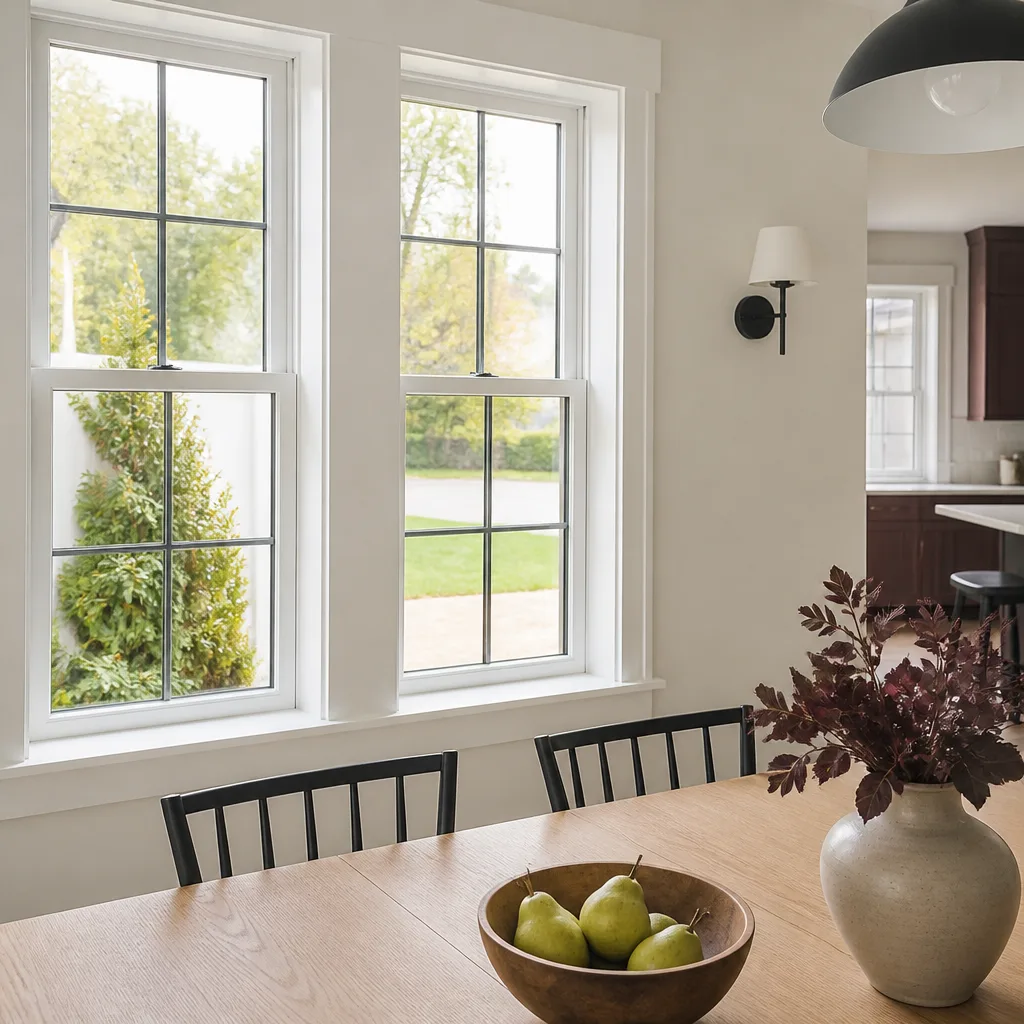
Air coming in around a window or door has three possible entry points, and each has a different fix at a different price. The trick is finding which one with a physical test rather than guessing. A window that’s doing this is worth a close look, because a draft you can feel is energy you’re paying for.
Testing for weatherstrip failure
Run the back of your hand slowly around the operating edge of the door or window – the side that opens. If the draft is concentrated at the gap between the sash and the frame, and you can see the weatherstrip compressed flat or torn, it’s a weatherstrip problem. This is the cheapest of the three fixes, and it’s also the most common. Modern replacement weatherstrip costs well under $50 for a standard door’s worth.
Testing for a frame-to-rough-opening gap
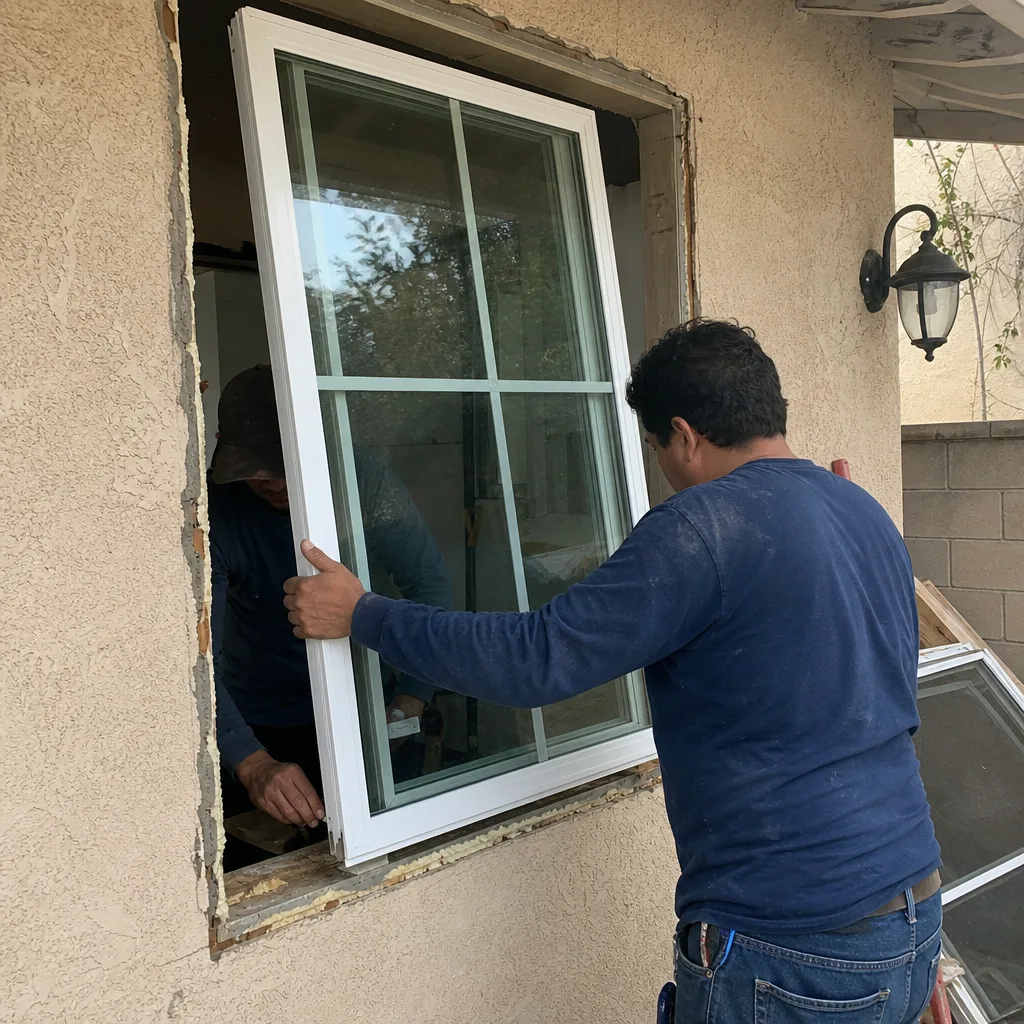
Check the perimeter at the wall, not the sash. Feel along the interior trim line and around the corners where the frame meets the drywall. A draft here means air is moving through the gap between the window frame and the rough opening in the wall, which is a matter of how the window was installed and sealed – not a window failure. Newer Torrance homes that were rebuilt or added onto in the past decade show this more often than older stock, typically because the flash and sealant was never done properly on the exterior side. This is a re-seal job, and it’s the one we’re most often asked to look at after a homeowner hosed the windows with caulk and the draft never stopped.
Testing for a glass-to-frame seal failure
Look at the perimeter of the glass itself, inside the sash. If you see a gap, a dark rim of failed glazing tape, or you can feel air at the glass edge only, the seal between glass and frame has let go. That’s a glazing repair, and on a vinyl window it’s often done by removing the sash, re-setting the glass, and re-sealing – replacing nothing.
When a Hardware Fix Beats a Structural Repair
This is the part of the guide that saves the most money. A striking share of problems that look like structural failures are a hardware component that has worn out. Here’s what we reach for first, with real part names.
- A door that won’t latch or stay latched: the strike plate on the jamb has shifted or the latch bolt has worn. A new latch or strike plate costs $6 to $25, and a strike-plate adjustment with a file costs nothing. This gets mistaken for a door out of square all the time.
- A casement or awning window that won’t open or close flush: the operator arm (the crank mechanism) has stripped or the sash hinge has loosened. Operators run $25 to $70 depending on the brand – Atlas and similar casement lines use standard replacements that fit most years.
- A door that’s hard to open and slow to close: a worn or oil-free hinge knuckle. A new hinge set runs $10 to $30, and a hinge bolt kept lightly lubricated annually is the free fix.
- A patio slider that jumps on one end of the track: the roller. A replacement roller pair adds $15 to $40 in parts and is often the only work involved.
- A door that squeaks and drags intermittently: an adjustment to the hinge or the strike, not a planing job. Adjusting a two-screw hinge plate takes minutes.
The common thread: these fixes touch the hardware, not the wood or the structure, so they don’t destroy evidence of a real problem and they don’t create new ones. If a hardware fix doesn’t solve the symptom, that’s useful information – it points the diagnosis toward the frame or the foundation.
What Repairs Cost at Each Diagnosis
Here’s the honest ladder from cheapest to most expensive, matching the diagnosis you’ve just made. These are typical South Bay numbers as we see them on written estimates – not the cheapest case, not the worst.
- Weatherstrip replacement: $30 to $80 per door or window, parts and labor.
- Strike plate or latch swap: $15 to $60 per door.
- Hinge replacement or screw repair: $20 to $70 per door.
- Window operator arm replacement: $60 to $150 for the part plus install on a casement window.
- Patio slider roller and track service: $120 to $260, parts and labor.
- Glass unit (IGU) replacement on a fogged window: $150 to $450 per window depending on size and brand.
- Re-seal around a frame-to-rough-opening gap: $200 to $600 per opening, depending on access and how much trim has to come off.
- Out-of-square frame reset or structural repair: a professional assessment first, and a contractor range rather than a flat number until the cause is confirmed.
Two rules keep this list honest. If a repair estimate lands above $200 for a symptom in the top half of that list, ask for the diagnosis in plain terms before approving anything. And if a contractor proposes replacing a door or window when a hardware fix hasn’t been ruled out, get a second opinion – we offer one free on any written estimate, line by line.
Common Mistakes to Avoid
- Planing a door that sticks year-round. Seasonal swelling is a planing case; year-round binding points to the frame or foundation, and planing hides the evidence you’ll need later.
- Buying a dehumidifier for fog between panes. That’s a failed glass seal, and no amount of drying the room will clear it. Replace the unit, not your humidity.
- Replacing a patio slider on a hardware symptom. Test the roller and track before pricing a new door. In most Torrance sliders we look at, the door, frame and glass are all fine.
- Caulking every draft point blindly. A draft at the sash edge is weatherstrip, at the trim is the rough-opening gap, and at the glass edge is the glazing seal. Blind caulking can trap moisture and stain the finish.
- Ignoring condensation on the interior glass. That’s often a ventilation problem that shows up in the bathroom or kitchen. Fixing the exhaust fan is cheaper than replacing a window that isn’t broken.
- Assuming old windows need replacing when frames are sound. Many windows in Torrance homes over 25 years old still have serviceable frames and only need glazing work or new weatherstrip.
- Approving a structural price without a written diagnosis. Ask for the physical test result in writing before signing anything. A written scope should say what was found, not just what will be done.
When to Call a Professional
Call a professional when you’ve run the tests and the frame has moved, when a door sticks year-round and binds on the hinge side at the bottom, or when a wall crack near the opening is wider than a hairline. These are structural signals, and they’re outside what a homeowner should take on. Call us when a patio slider frame is out of square, when a second-story or large replaced glass unit needs installation, or when your own diagnosis points to a frame reset rather than hardware.
Rowan Construction Group works on windows and doors as one of our seven residential trades, and every job starts with a written price and written scope before anyone picks up a tool. Our technicians have up to 19 years of experience, they’re background-checked and uniformed, and a live person answers calls 24/7. Free estimates in Torrance are standard – bring us a competitor’s written quote and we’ll review it line by line at no charge, because a diagnosis you can check is worth more than a promise you can’t.
If your window or door problem is part of a larger project, we also handle our full residential construction services, driveway and paver work in Torrance where exterior grades and drainage often tie back to door and frame symptoms, and home additions and ADUs in Torrance where door and window specs are part of the build. You can also read more about fence installation in Torrance for the exterior boundary work that pairs with grade and drainage fixes.
For the whole-home picture, our Rowan Construction Group Torrance home page covers all seven trades. For neighbors weighing a bigger project, the Home Additions & ADU in Torrance page details how we handle the door and window schedules inside an addition, and the Driveway & Pavers in Torrance page connects exterior hardscape and drainage to the same building envelope. The Fence Installation in Torrance page covers exterior grading protection. Whatever the project, the price is written before work begins, and no change proceeds without a signed change order.
See the difference
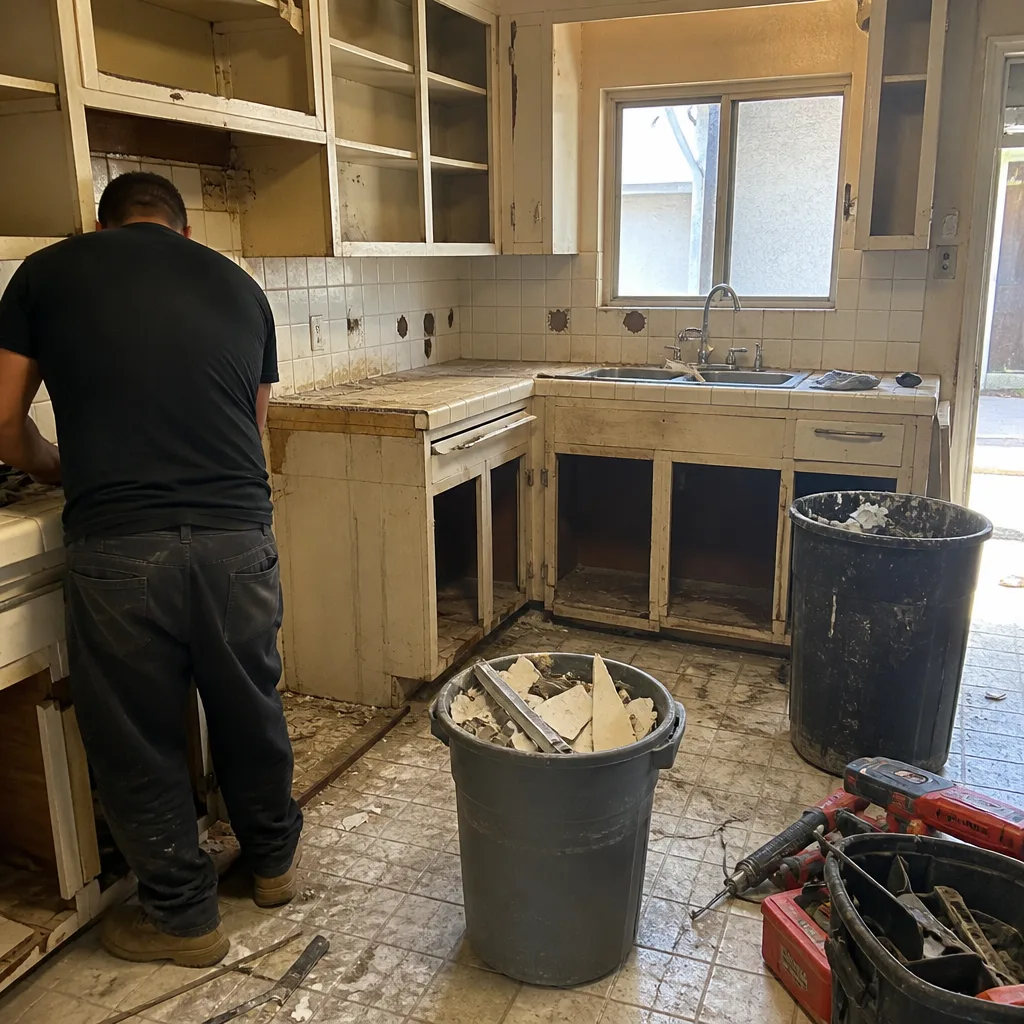 Before
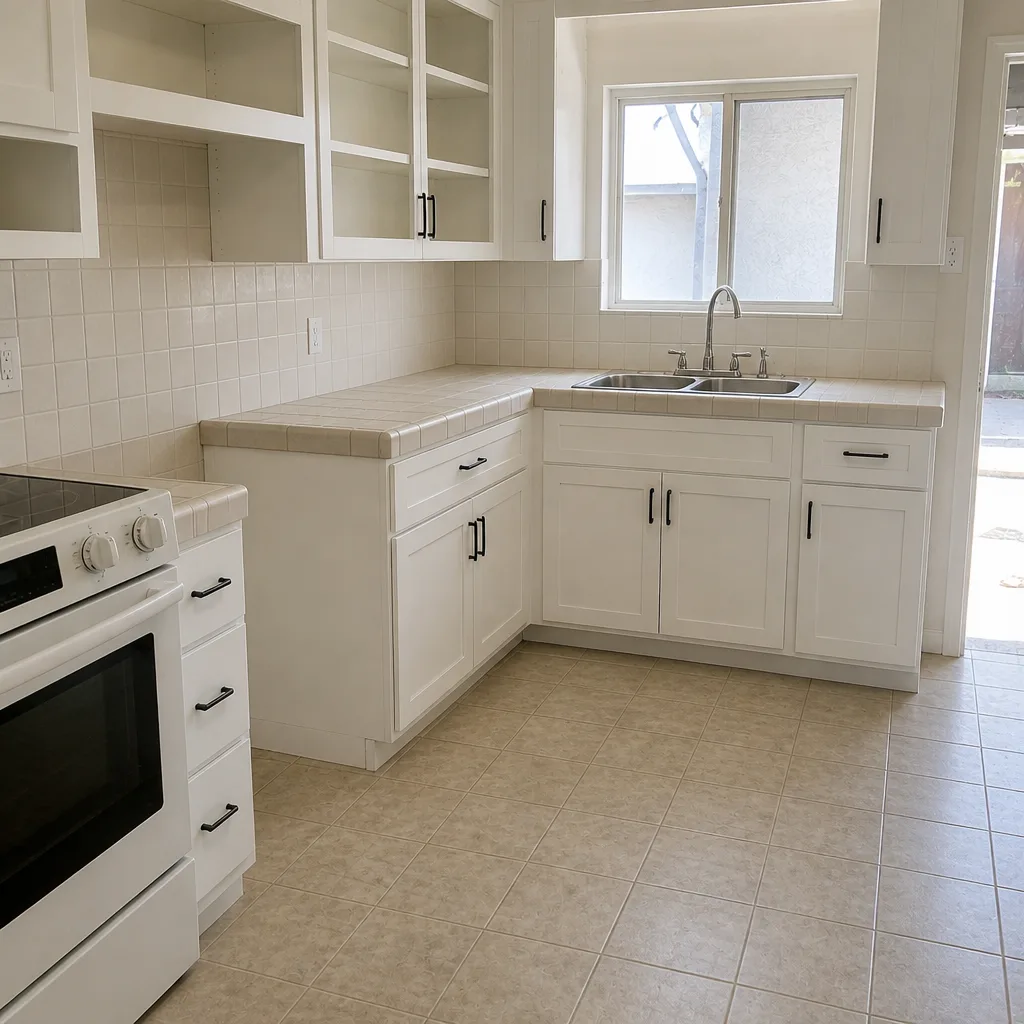 After
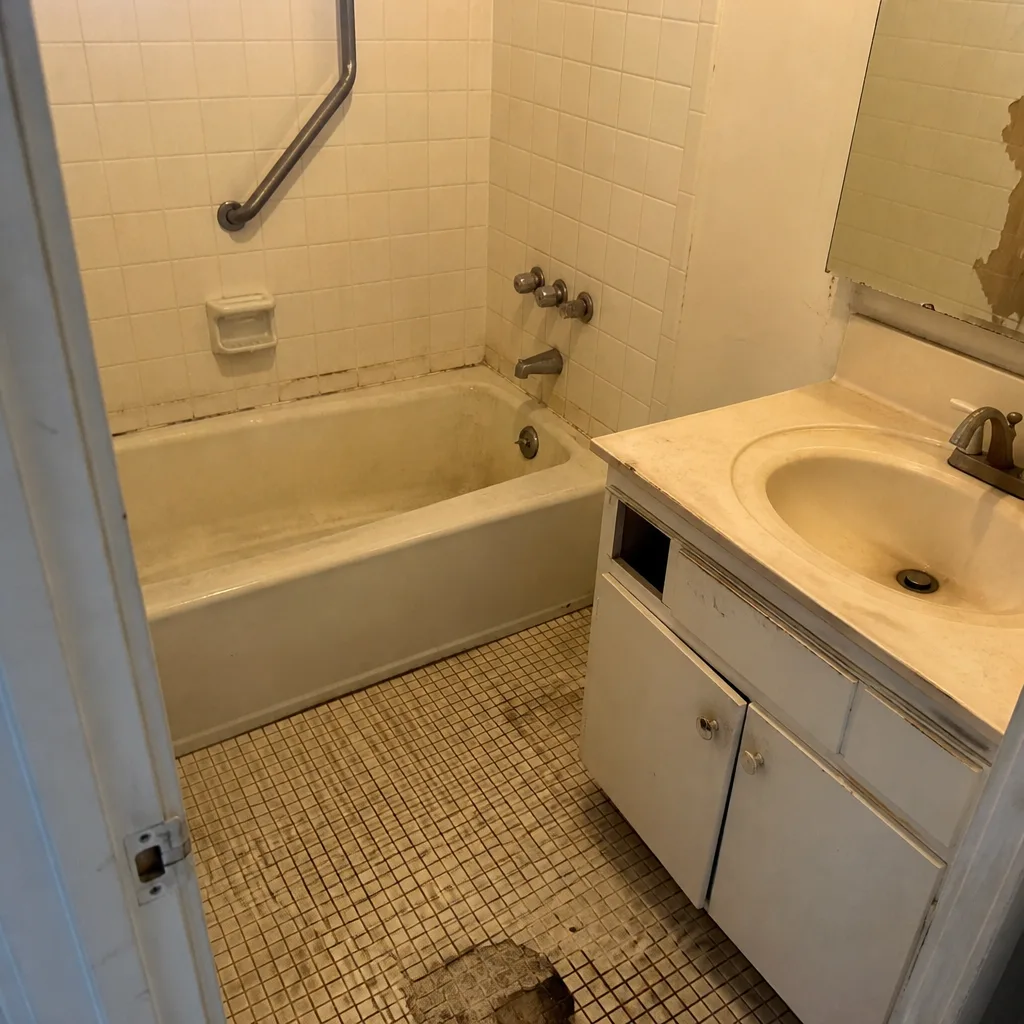 Before
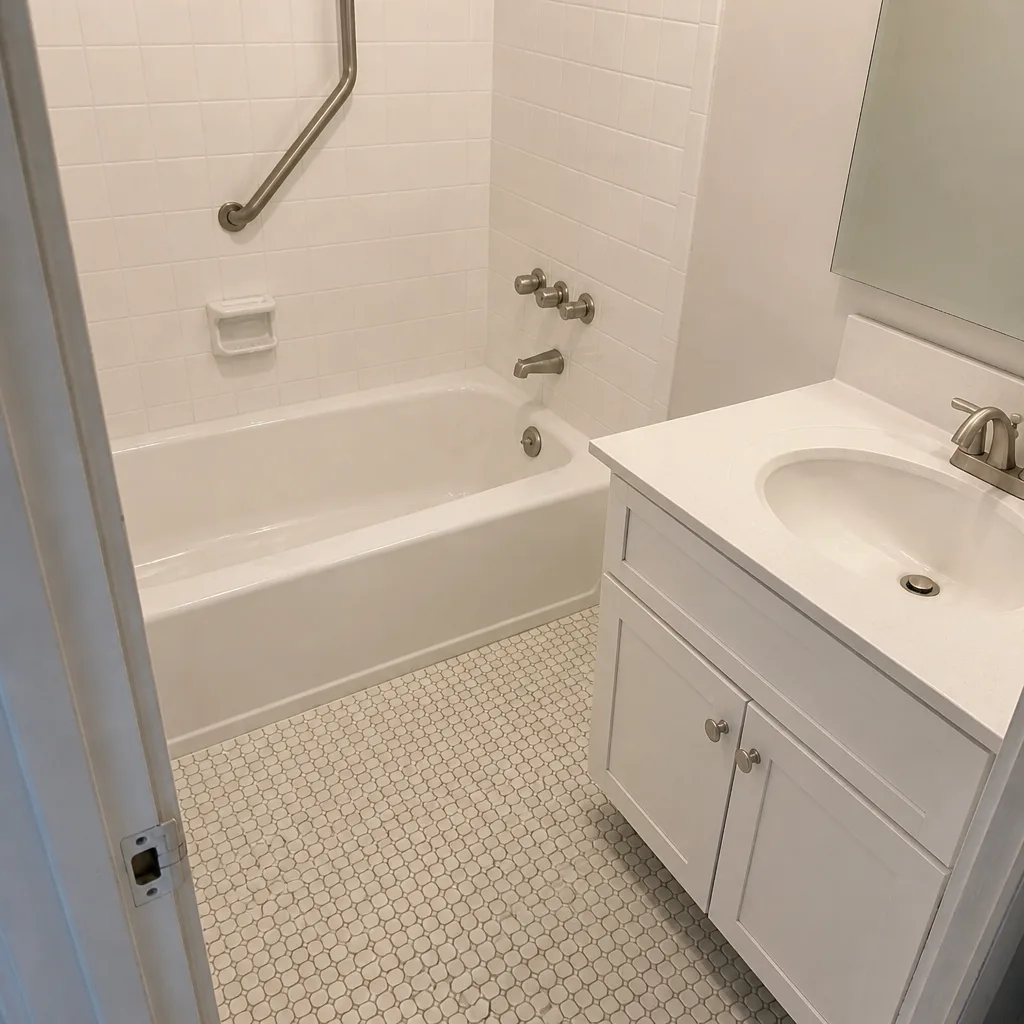 After
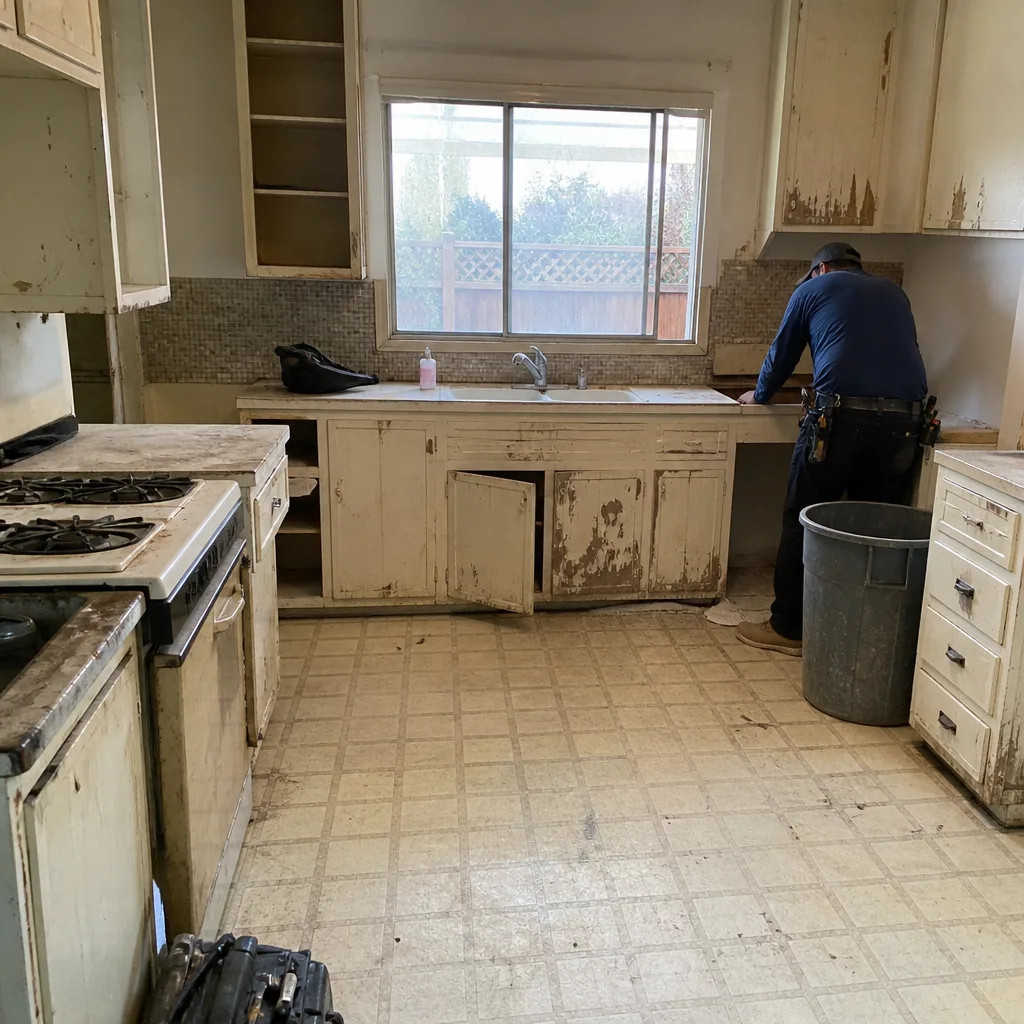 Before
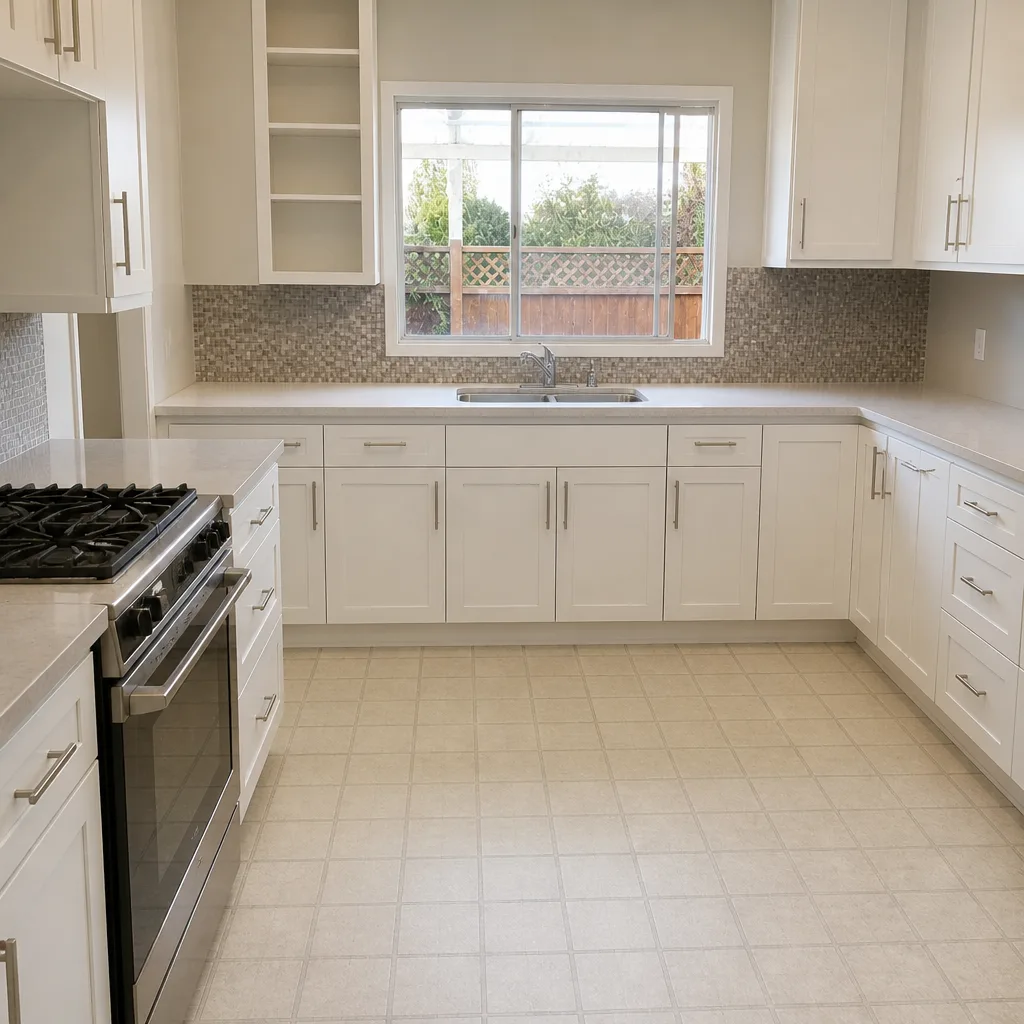 After
Frequently Asked Questions

Most door problems are solved for $15 to $80 in parts and a short service visit. Hinge replacement, latch and strike plate swaps, and weatherstrip replacement all land in that range. Sliding door roller service runs $120 to $260 when the roller or track needs work. Call (888) 349-6729 for an exact written quote – estimates are free.
It’s a failed seal on the insulated glass unit, which lets moisture into the space between panes. No amount of interior dehumidifying will clear it, because the moisture is inside the window. Depending on the unit, you may be able to replace just the glass unit rather than the whole window. Call (888) 349-6729 and we’ll tell you which your window needs.
That’s seasonal wood expansion from Torrance’s humidity swings, and it’s a legitimate planing or strike-plate adjustment case. If the door sticks year-round instead, it’s a frame or foundation signal, and you should have it looked at before removing any material. Call (888) 349-6729 if you’re not sure which one you have.
No. A rollers-only failure is independent of the door and frame, and a roller and track service runs $120 to $260 rather than the cost of a full replacement. Only an out-of-square frame points toward replacement. Call (888) 349-6729 to get the test done before you buy anything.
No. Under Clause 1 of the Haven Standard, the price is written before anyone starts, and no work proceeds on a change until a signed change order is in place. That’s the discipline behind our projects finishing within a few percent of the agreed number. Call (888) 349-6729 for a free written estimate.
Usually, yes. A latched casement that won’t close flush is most often a worn operator arm or a loose sash hinge, and the part runs $25 to $70 before install. We check the frame before touching the window, and we’ll tell you plainly which it is. Call (888) 349-6729 for a free estimate.
The Bottom Line
Most window and door problems in a Torrance home are mechanical and cheap to fix – but only if you diagnose the real failure point first. Run the tests: is the door sticking seasonally or year-round; is the fog on the glass or between the panes; does the slider move on the roller or is the frame out of square; is the draft at the weatherstrip, the rough-opening gap, or the glass edge. A hardware fix beats a structural repair more often than you’d expect, and the fixes that matter most – the frame reset, the large glass replacement – are the ones worth calling a pro for. The price should be in writing before anyone picks up a tool, and that’s the standard we work to every time.
If your project is bigger than a hinge and a weatherstrip, we’re here. Call (888) 349-6729 for a free estimate in Torrance, and we’ll bring the written price, the written scope, and a photo record of what we found.
Written by the team at Rowan Construction Group Torrance.