Last updated November 17, 2026


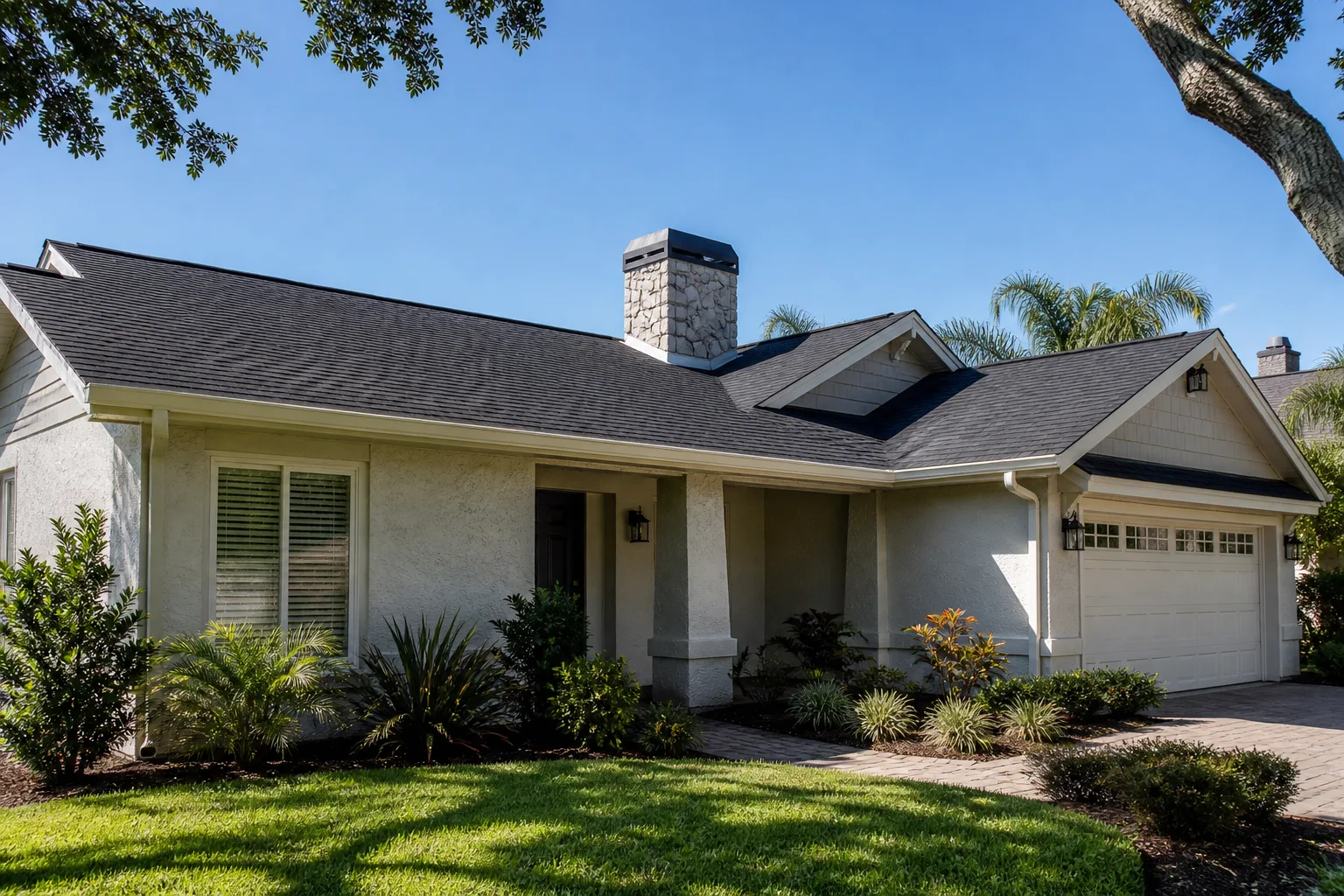
Free written scope consultation - allowances, timeline, and change-order rules on paper before a single trade is scheduled
How to Hire a Construction Contractor in Torrance: A Step-by-Step Guide
The California Contractors State License Board logged more than 19,000 complaints in a single recent year, and the largest category wasn’t cracked foundations or leaking roofs. It was contract disputes: disagreements over what the scope actually said and when payment was due. The work was often fine. The paperwork wasn’t. “Get three bids and check Yelp” doesn’t protect you from scope gaps, unlicensed subcontractors, or a change order that lands after demo day. This guide gives you a documented vetting sequence you can run in a weekend, built for the housing stock and permit realities of Torrance.
Quick Answer
Hire a construction contractor in Torrance by verifying their CSLB license and classification first, then comparing at least three bids on the same normalized line-item grid, confirming that every subcontractor carries their own liability and workers’ comp, and refusing to sign anything that lacks the five disclosures required under California Business and Professions Code §7159. The contractor who hands you a flat written price and a signed change-order policy before work starts is the one worth hiring.
Styles & brands we work with
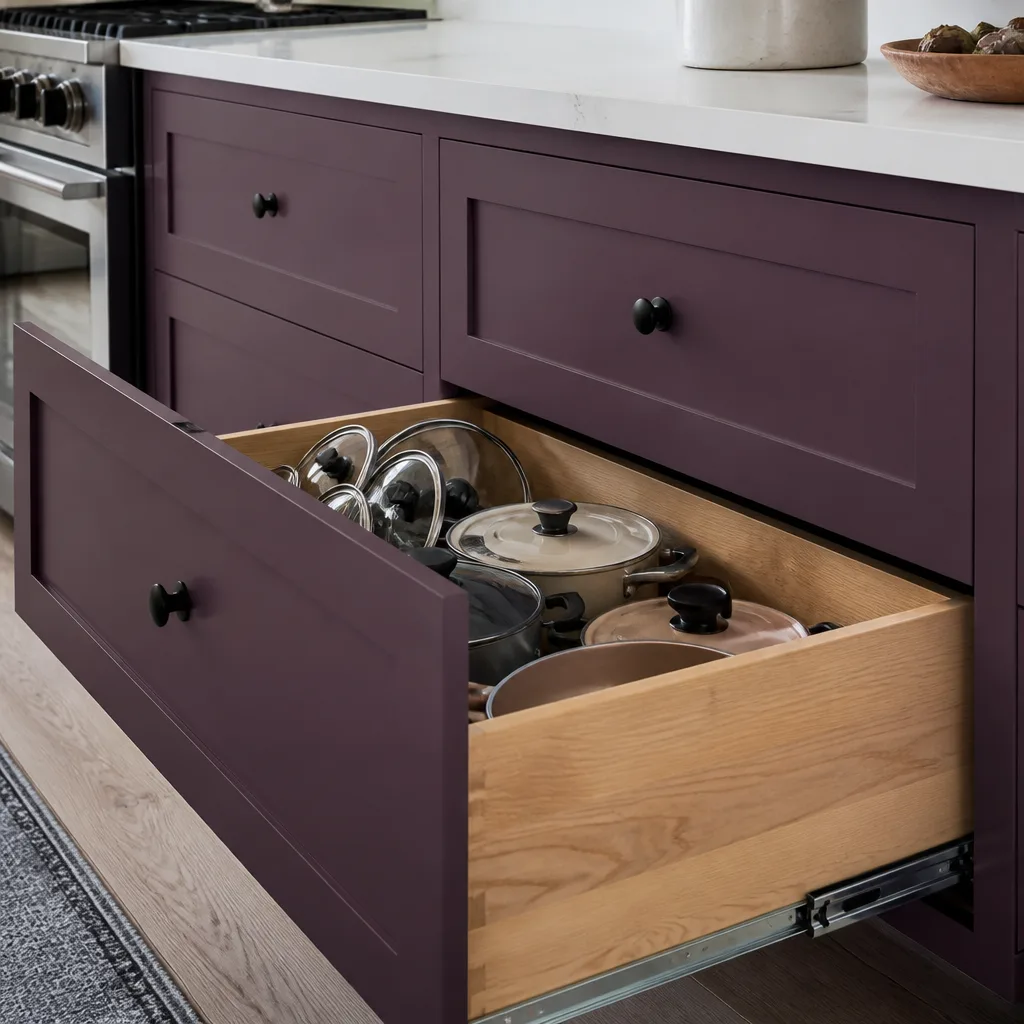
- Kitchen remodeling
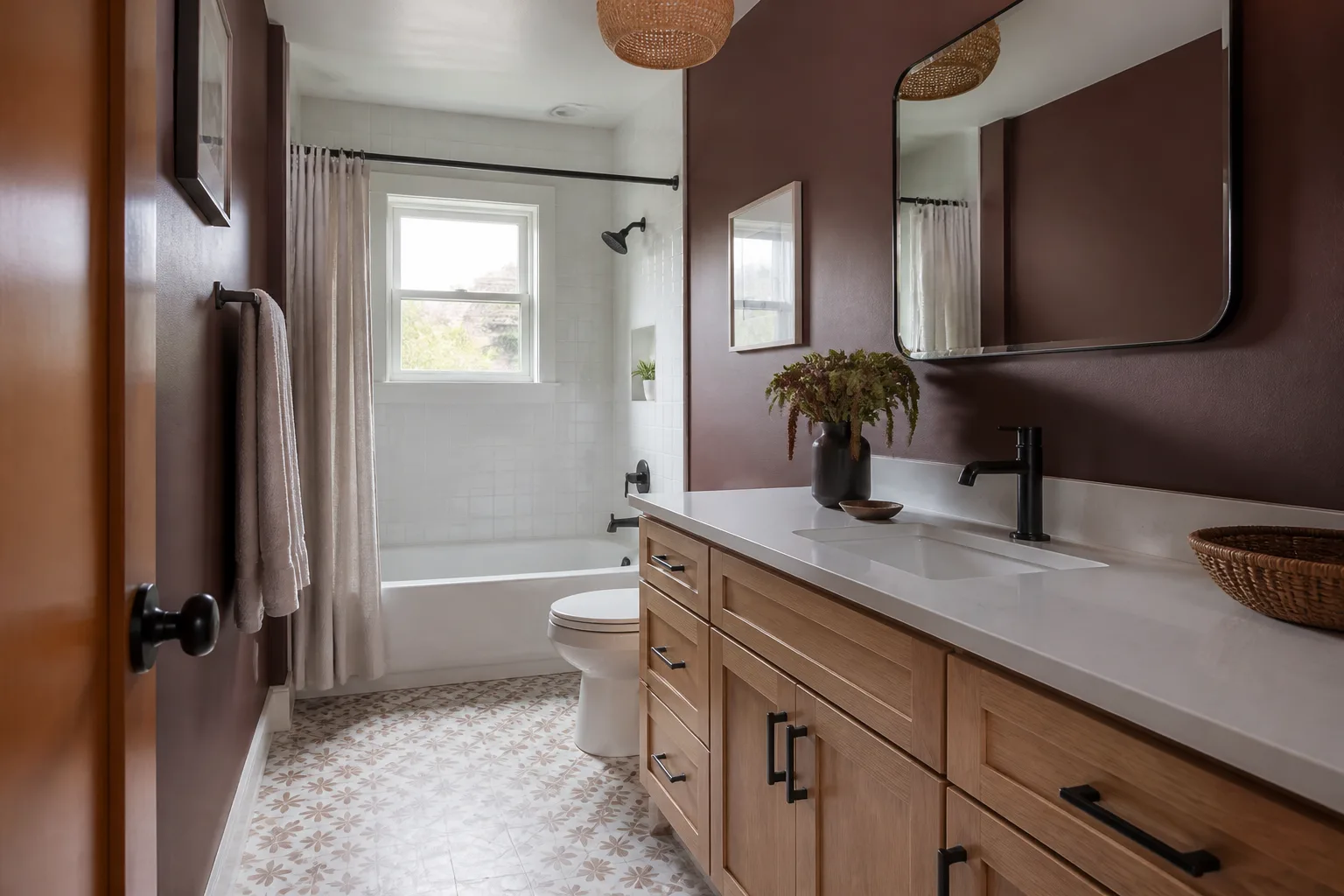
- Bathroom remodeling
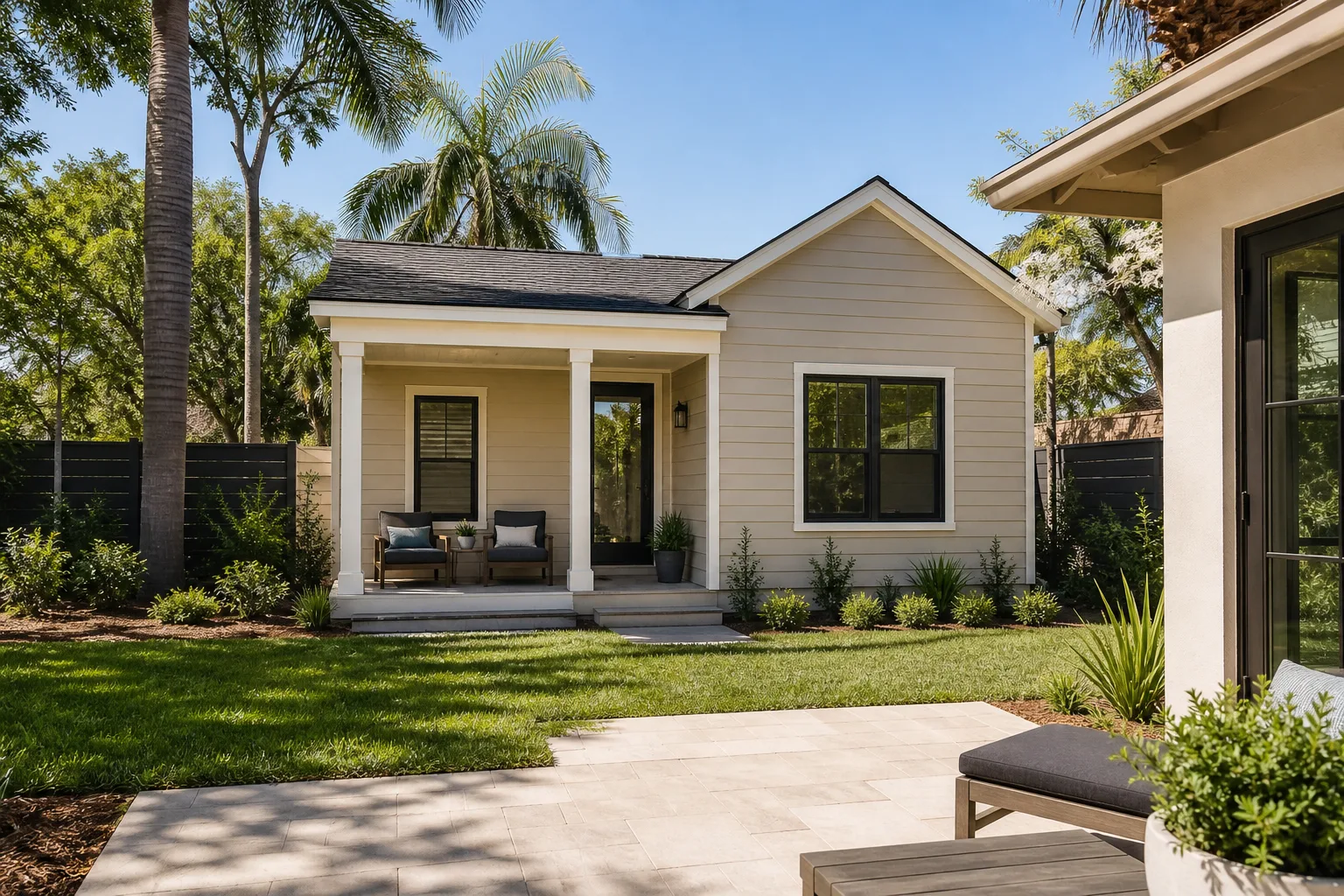
- Home additions & ADU
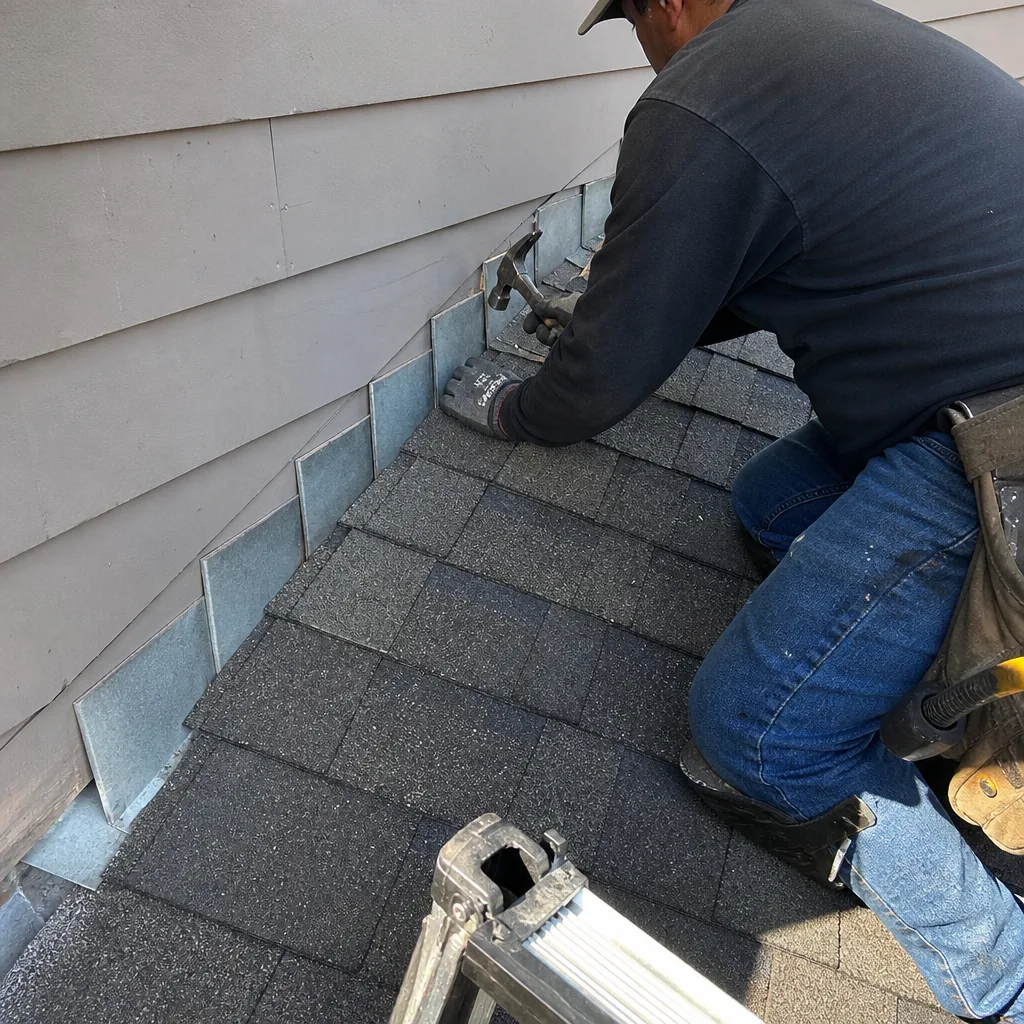
- Roofing
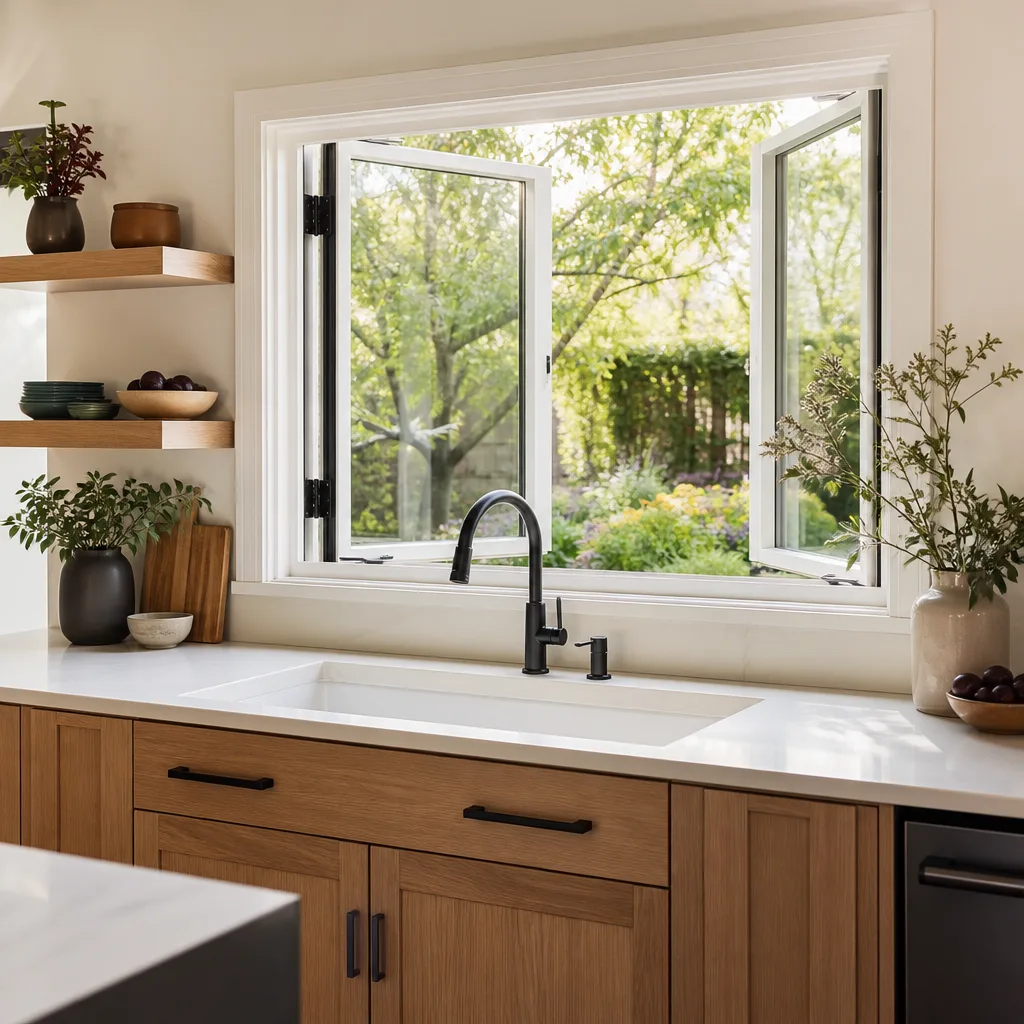
- Windows & doors
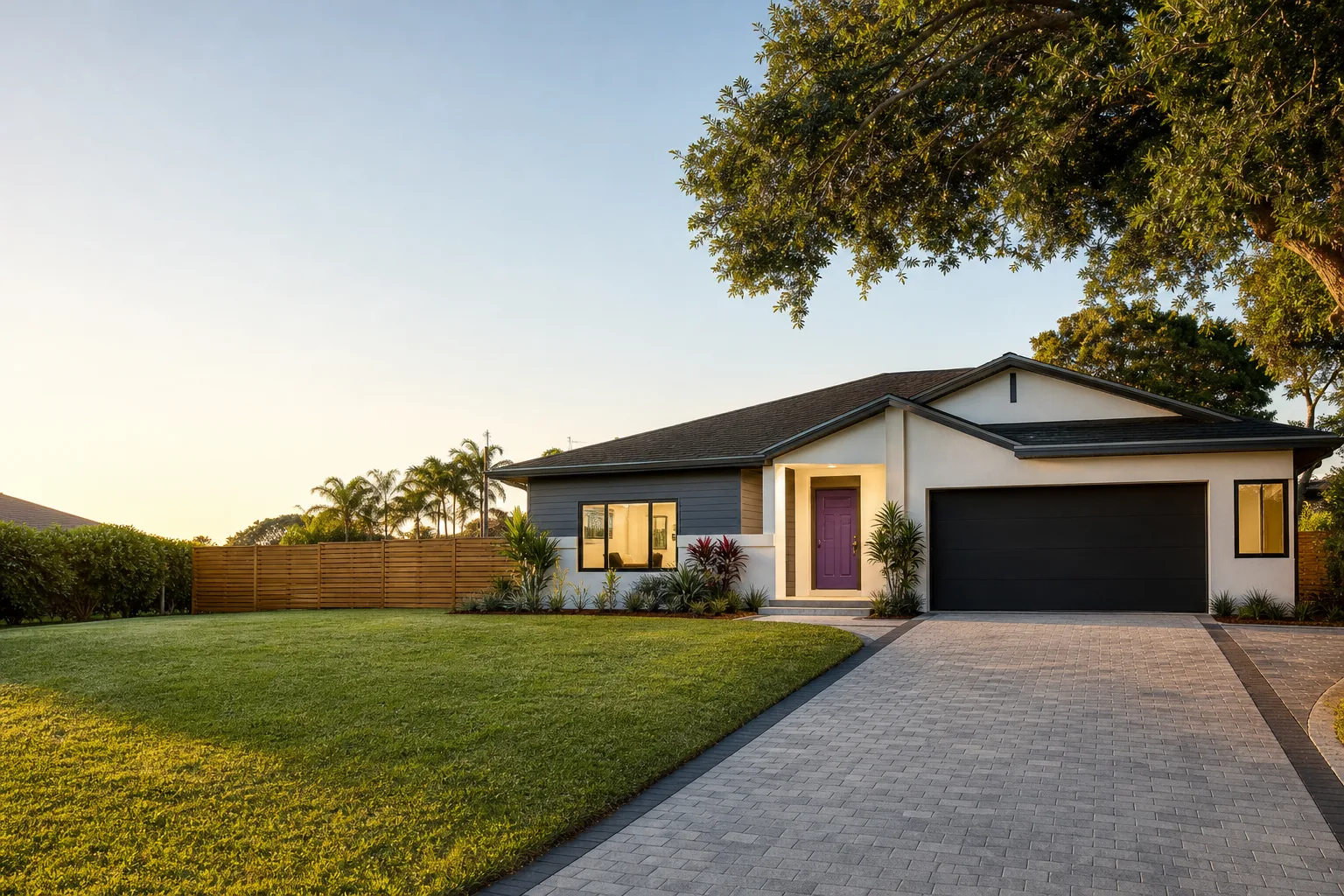
- Driveway & pavers
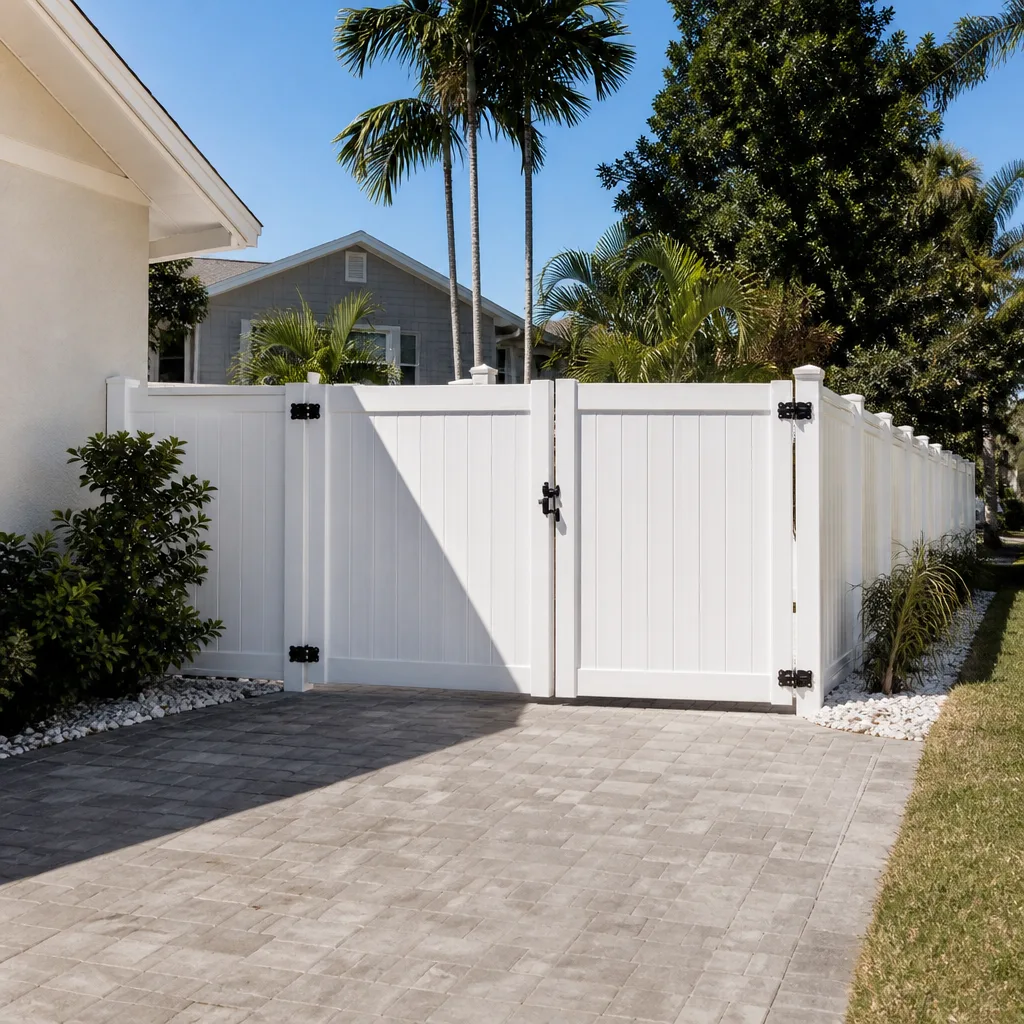
- Fence
Table of Contents
- Step 1: Verify the License in Under Three Minutes
- Step 2: Read the Classification Letters
- Step 3: The Five Line Items Every Contract Must Have
- Step 4: Normalize the Bids Before You Compare Totals
- Step 5: Ask the Subcontractor Questions Nobody Asks
- Step 6: Demand a Written Change-Order Policy
- What’s Different About Hiring in Torrance
- Common Mistakes to Avoid
Step 1: Verify the License in Under Three Minutes
Every licensed contractor in California appears in the Contractors State License Board database at cslb.ca.gov. Pull up the license number, and you’ll see the status, the classification, the bond and workers’ comp status, and any disciplinary history. Three minutes. No account, no fee. Do this before you take a bid seriously, not after.
Here’s what to look for on the record:
- Status reads “Active.” “Expired,” “suspended,” or “canceled” means they cannot legally contract work in California right now. Walk away.
- Workers’ comp is listed or an exemption is filed. A contractor with employees and no workers’ comp coverage is a liability problem waiting to land on your property.
- Bond is current. The contractor’s bond is what pays out if they abandon a job or stiff a supplier who then files a mechanics lien against your house.
- No disciplinary actions in the last several years. Citations, suspensions, and arbitration awards are all visible. Read them.
We’ve watched Torrance homeowners skip this step because the contractor seemed personable at the kitchen table. The CSLB record is the only part of the vetting process that doesn’t care how personable anyone is. It’s a database entry, and it either matches what you were told or it doesn’t.
Step 2: Read the Classification Letters
A California license isn’t a general permission slip. Each one carries a classification that defines the work the contractor is legally allowed to perform and contract for. Hiring outside that classification means the contractor is unlicensed for your job, and unlicensed work voids your ability to file a CSLB complaint or recover from the bond.
- Class B (General Building Contractor). The license for whole-house projects that involve two or more unrelated trades. This is the classification you want for a kitchen remodel, an addition, or any job where framing, electrical, and plumbing all touch the same structure.
- Class C-10 (Electrical). Required for panel upgrades, new circuits, and rewiring. A Class B contractor can subcontract this work but cannot have their own crew do it without the C-10.
- Class C-36 (Plumbing). Required for repiping, gas line work, and drain replacement.
- Class C-39 (Roofing). Required for shingle, tile, and flat-roof installation. A handyman license doesn’t cover it.
- Class C-27 (Landscaping). Required for paver driveways and hardscape work over a certain threshold.
Look at a bid for a Home Additions & ADU in Torrance and check the CSLB record against the scope. If the license reads “B” and the proposal covers a full electrical rewire, ask who holds the C-10 and whose name is on that license. The answer should be immediate and documented.
Step 3: The Five Line Items Every Contract Must Have
California Business and Professions Code §7159 lays out what a home improvement contract must contain before it’s legally enforceable. These aren’t suggestions. They’re statutory requirements, and a contract missing any of them is a contract you can’t rely on if the job goes sideways. Use them as your pre-signature checklist.
- The contractor’s name, business address, and license number. The exact legal entity name, not a trade name that doesn’t appear on the CSLB record.
- A description of the work and the materials to be used. “Kitchen remodel” is not a description. “Remove and replace 24 linear feet of engineered quartz countertop, Cambria or equal, with an undermount sink cutout” is.
- The total contract price, including finance charges. A flat number with a written scope. Any clause that says “price subject to actual material costs” is a red flag, not a standard term.
- A payment schedule tied to progress. California caps the down payment at 10% or $1,000, whichever is less, for home improvement contracts. A contractor asking for 30% up front is asking you to break the law with them.
- A three-day right to cancel. Printed notice, signed and dated, on the contract itself. No exceptions for “we need to order materials today.”
We hand every Torrance client a flat written price with a written scope and a written warranty before any work starts. It’s not a marketing position. Under Clause 1 of the Haven Standard, the number is in writing before anyone picks up a tool, which is the whole point of the process.
Step 4: Normalize the Bids Before You Compare Totals
Three bids on a Torrance kitchen will rarely use the same line items. One covers demolition, one leaves it out, one lists cabinets as an allowance, another names KraftMaid and Wellborn with fixed prices. Comparing bottom-line totals is comparing apples to a bag of unspecified fruit.
Build a one-page grid. Columns for each bidder. Rows for every scope item you care about. Then fill it in line by line:
- Demolition and haul-away. Who does it, who pays for the dumpster, and how many cubic yards are included?
- Substrate prep. What’s the leveling, patching, or substrate replacement allowance, if any?
- Materials with brand and spec. Cambria vs. “quartz” or GAF vs. “architectural shingle” are not the same bid. Tamko and Boral show up on our own quotes by name for exactly this reason.
- Labor and permits. Who pulls the permit and pays the fee. A bid that says “permits included” but doesn’t list the fee is a bid that will add that fee back as a change order.
- Warranty and exclusions. A written warranty with a written term, and a written list of what’s not covered.
Once the grid is filled, the totals mean something. The low bid almost always reveals itself as low because three rows are blank. If you want a second set of eyes, we offer a Free Second Opinion on any written estimate. Bring a competitor’s quote and we’ll review it line by line at no charge. That offer holds whether or not you hire us.
Step 5: Ask the Subcontractor Questions Nobody Asks
Most residential construction in Torrance runs through subcontractors. The contractor you hire may never have more than a project manager on site. The electrical, plumbing, and HVAC work will belong to somebody else, and that somebody else is who creates the lion’s share of the liability on your property.
Ask these questions before signing, and ask them in writing:
- Which specific subs will work on my job, and are they licensed? Get the names and the CSLB license numbers. Verify them the same way you verified the general contractor.
- Do the subs carry their own general liability and workers’ comp? If a sub’s uninsured employee falls off a ladder on your property, your homeowner’s policy may become the response. A contractor who can’t produce a certificate of insurance for each sub is passing that risk to you.
- What happens if a sub walks mid-project? The answer should be a contract clause. A good contractor holds a completion bond on key subs or has a written backup relationship on record. “We’d figure it out” is not an answer.
- Who is the point of contact for warranty claims? The general contractor, not the sub. The sub may not exist in 18 months.
Our crews are background-checked and uniformed, and every visit includes a documented photo record as a standard deliverable. When our subs open a wall and find something the bid didn’t anticipate, the photos are how we show the client what we found instead of telling them what we felt about it.
Step 6: Demand a Written Change-Order Policy
Verbal change approvals are legally unenforceable in California for home improvement work. If you nod when the foreman says “this is going to add a day and a couple grand,” nothing protects you from a bill or protects the contractor from a dispute. The change order is the mechanism that makes changes real, and most contract disputes in the CSLB complaint data come down to whether one existed.
Look for these items in the written policy:
- A stated threshold. Find out at what dollar amount a change order is required. Our own standard is simple: no work proceeds on a change until the change order is signed. Zero-dollar threshold. It’s the discipline that’s kept our projects within a few percent of the agreed cost across 4,000-plus jobs.
- The clause language. Something like: “No additional work shall commence until a written change order describing the work, the added cost, and the effect on the completion date has been signed by both parties.” If it’s not in the contract, it doesn’t exist.
- A signature requirement on both sides. The contractor signs too. A change order with only the client’s signature is an invoice, not a change order.
- The right to decline. A legitimate change-order policy lets you say no to the added scope, in writing, without abandoning the contract. A policy that treats every change as mandatory is designed to protect the contractor’s margin, not your budget.
The signed change order is also a cost-control tool for you. It’s the reason a project that starts at $85,000 ends near $85,000 rather than drifting into six figures after demo. Get the policy in writing before you sign. It’s the single best predictor of what will actually happen on your job.
What’s Different About Hiring in Torrance
Torrance sits on a marine layer, a coastal fog belt, and a housing stock that runs from 1950s tract homes in Old Torrance to newer builds in the Hollywood Riviera and Walteria. That combination produces specific vetting concerns that don’t show up on a generic contractor checklist.
- The marine climate is hard on exterior materials. Roofs in South Torrance and along the Palos Verdes edge see persistent moisture and salt air. Ask every roofing contractor what shingle brand and wind rating they install and why. GAF and Owens Corning both publish coastal installation specs, and a contractor who can’t name the spec is guessing.
- Torrance has its own building department, and it’s not the county. The City of Torrance Planning and Building handles its own permits, and the process differs from unincorporated county work adjacent to it. A contractor who says “we’ll pull it through the county” is telling you they haven’t worked here recently.
- Aging plumbing and electrical in older homes. In the pre-1970 houses across much of central Torrance, a bathroom or kitchen remodel frequently uncovers galvanized pipe and aluminum branch wiring. The change-order policy is what keeps that discovery from becoming a numbers debate after the walls are open.
- Paver and hardscape requirements. Driveway and hardscape work in Torrance intersects with drainage and impervious-surface rules, which affects what a Driveway & Pavers in Torrance quote should include. A bid without a drainage line item is a bid with an unfinished scope.
- Fence height and setback rules. A Fence Installation in Torrance project checks against the city’s height limits on the property line, particularly on corner lots. The permit or exemption should be in writing before the posts go in.
If you’re evaluating a broader range of trades, start with the Rowan Construction Group Torrance home page for our full service list and how we handle written pricing across every trade.
Common Mistakes to Avoid
- Skipping the CSLB check because the contractor seemed honest. Honesty is testable in three minutes. Check the record before you check the references.
- Comparing bottom-line bid totals without normalizing the scope. A bid $8,000 lower than the others is usually missing $12,000 of work. Build the grid first.
- Paying more than 10% down. California caps the deposit for home improvement contracts. A higher ask is a warning sign, not a negotiation tactic.
- Accepting a verbal change approval. California treats verbal change orders for home improvement work as unenforceable. If demo day reveals something, the paperwork has to happen before the work does.
- Not asking who carries the subs’ insurance. An uninsured sub’s injury on your property can become your homeowner’s claim. Get the certificates in writing.
- Ignoring the marine climate when picking exterior materials. A roof or deck built for inland conditions will fail early in Torrance. Ask for the brand, the spec, and the reason.
- Hiring someone who won’t put the price in writing before work starts. “Call for a quote” is a business model. A written flat price with a written scope and a written warranty is what a professional looks like.
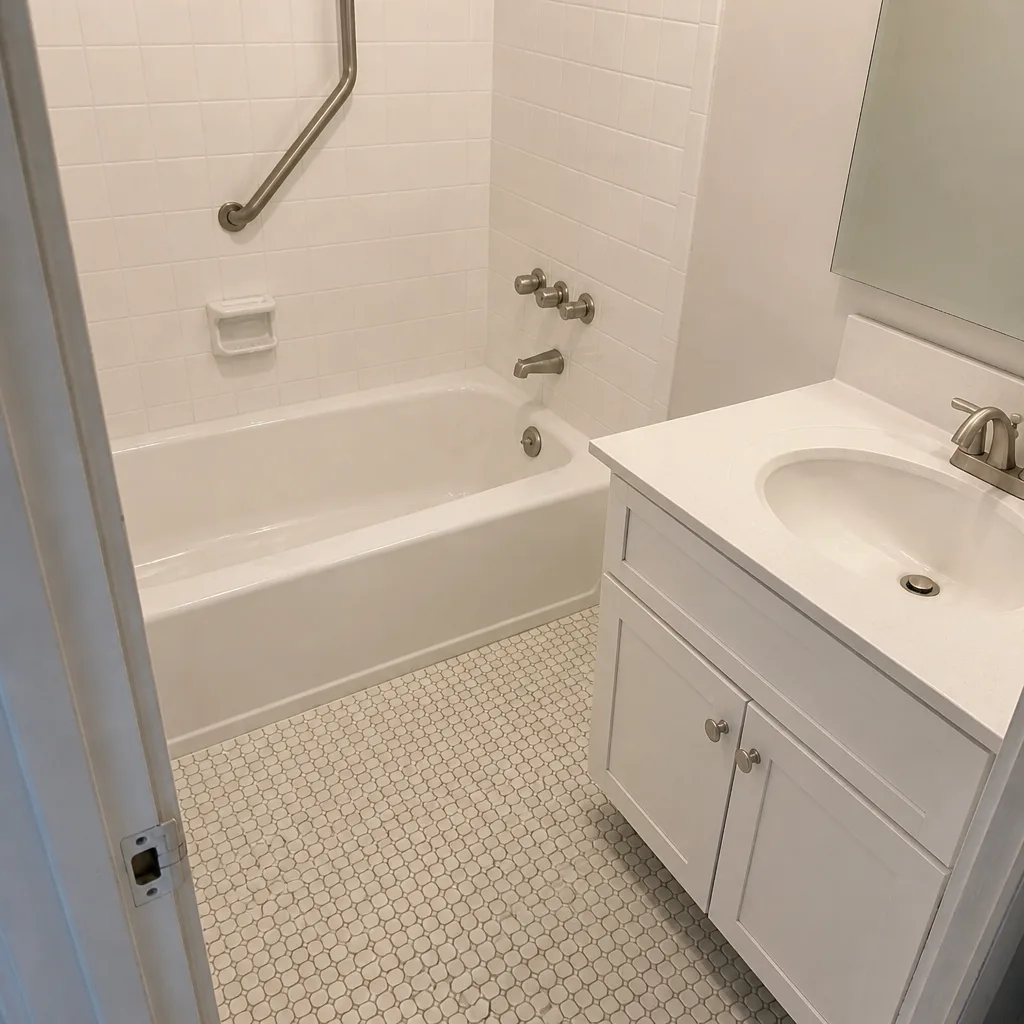
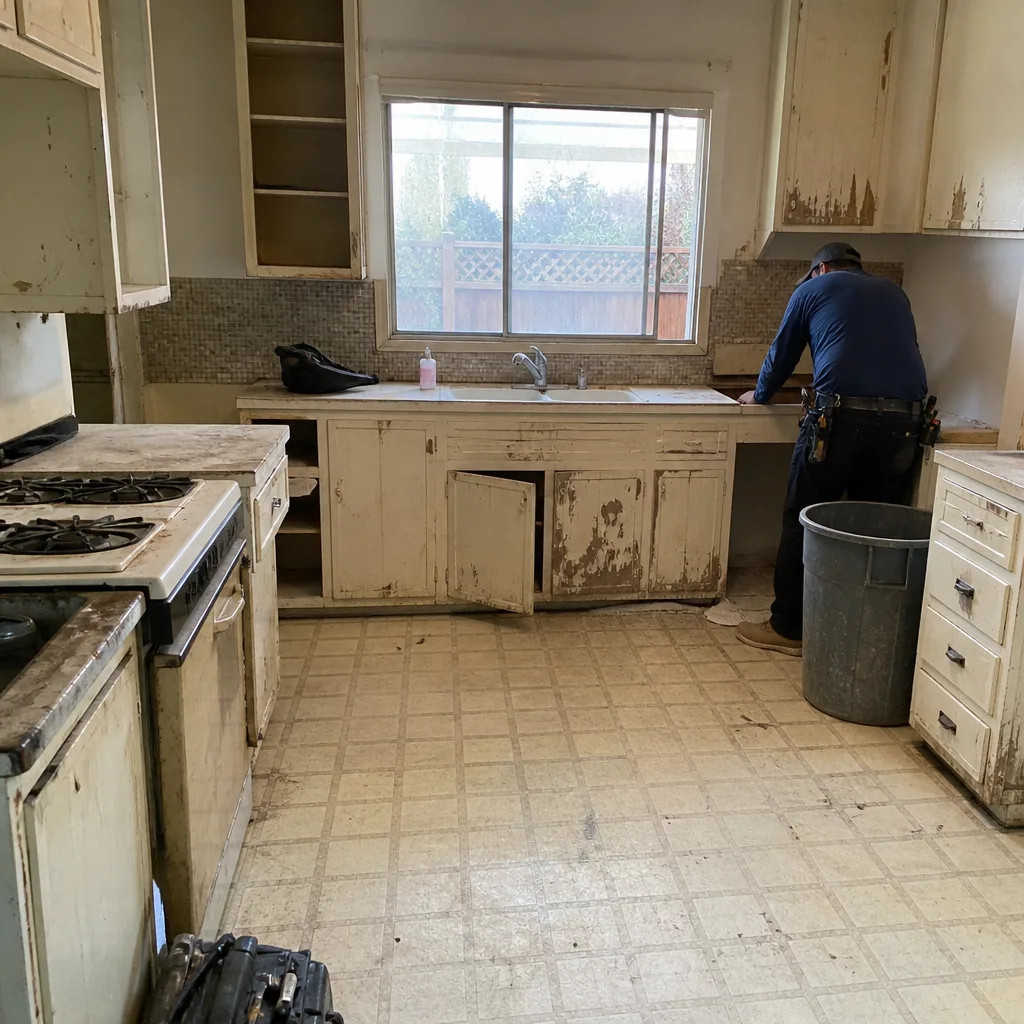
See the difference
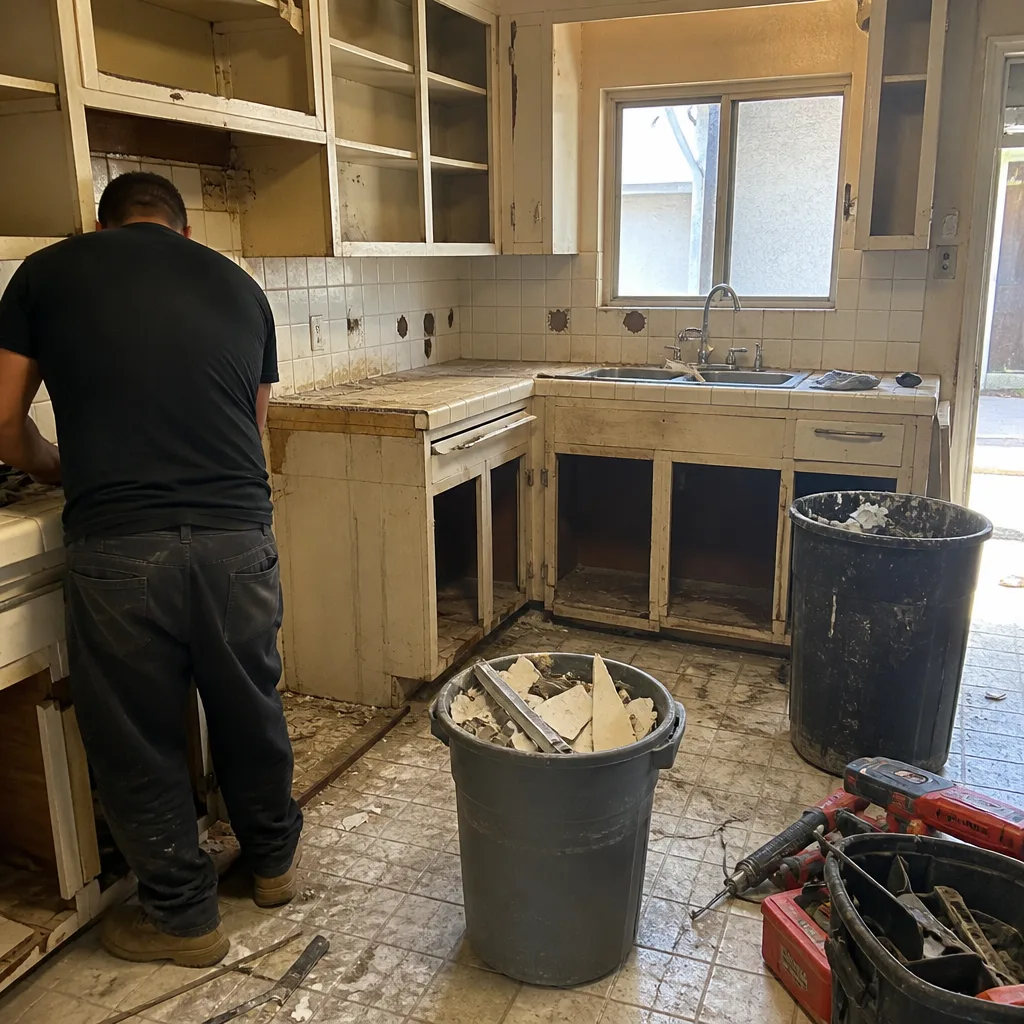 Before
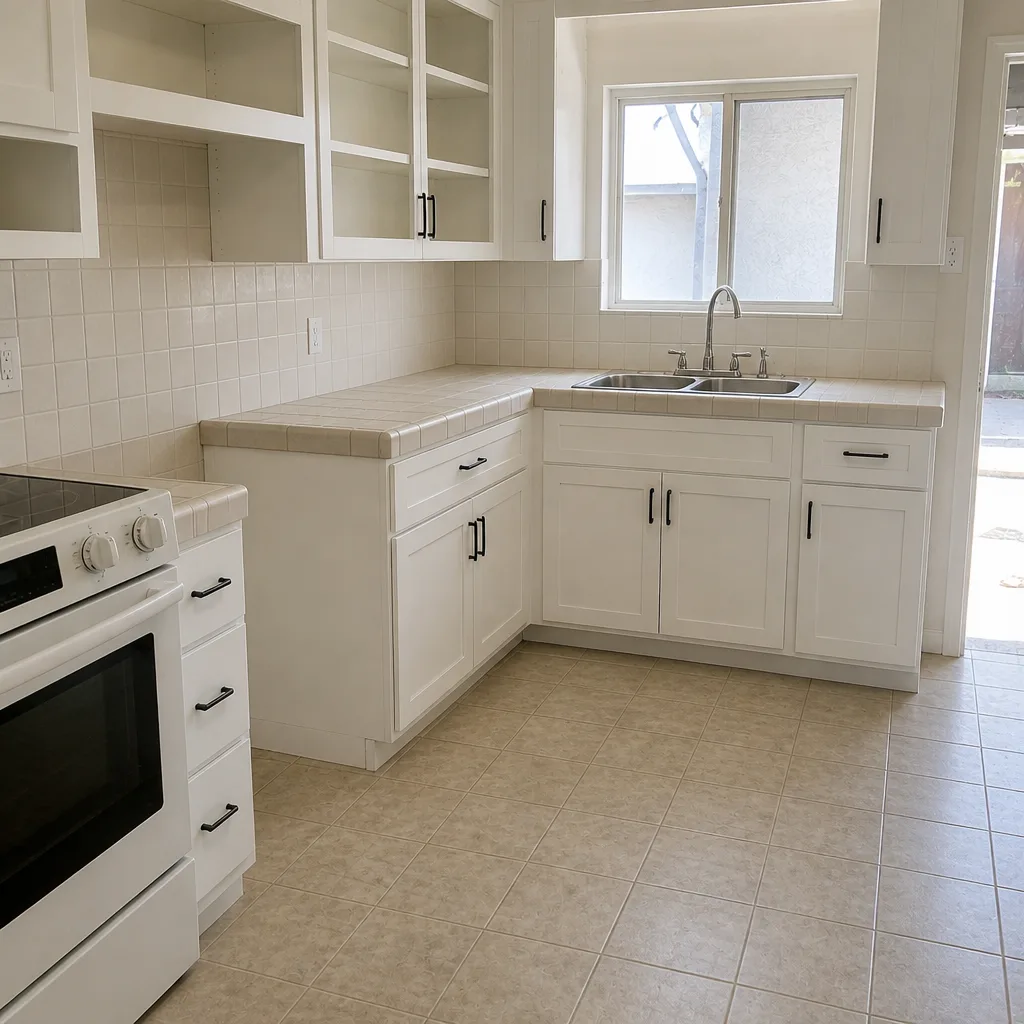 After
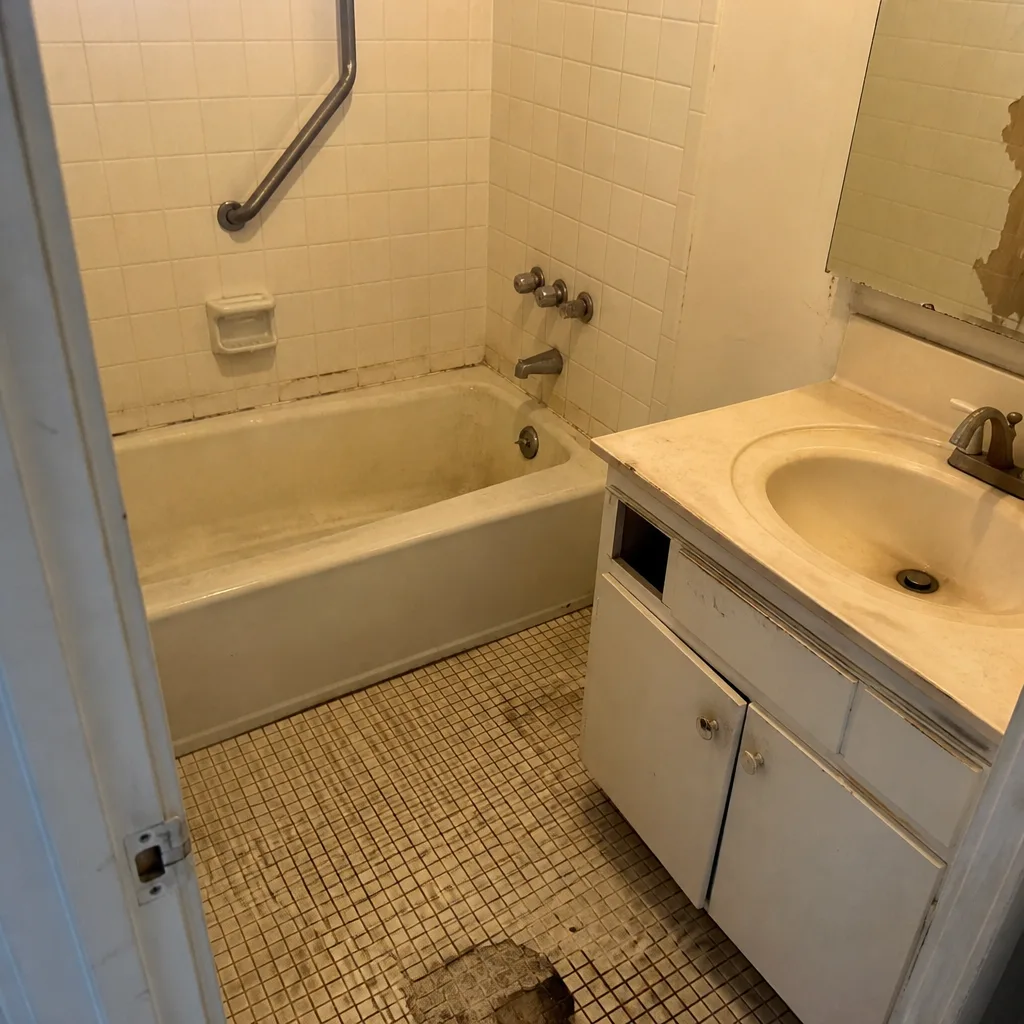 Before
 After
 Before
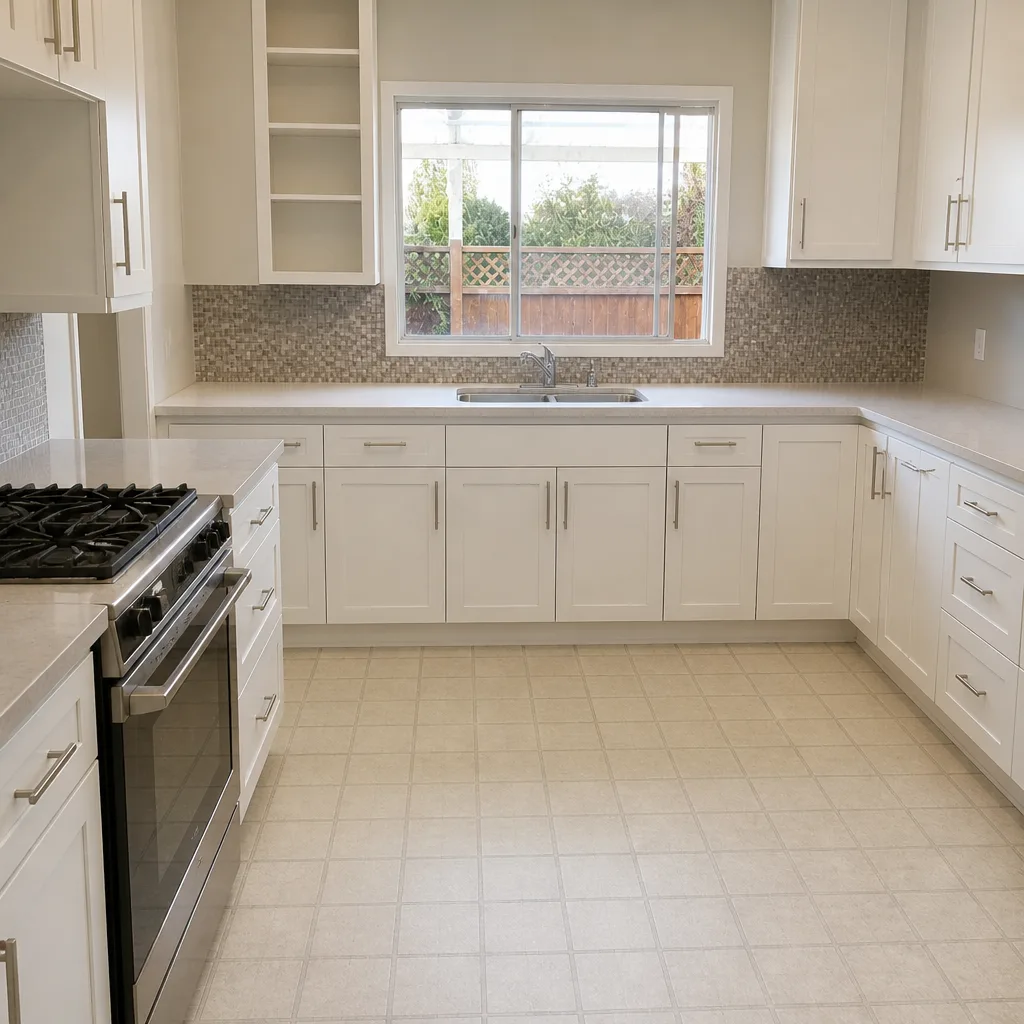 After
When to Call a Professional
Some Torrance projects genuinely warrant a licensed contractor rather than the most careful homeowner with a YouTube queue. Roof work involves ladder heights and shingle-layer compliance you can’t inspect from the ground. Electrical panel work can kill you, and California code has changed enough since your house was built that DIY panel replacements fail inspection more often than not. Any addition or ADU triggers structural engineering, permit review, and a Class B license to contract the combined trades. Galvanized plumbing replacement and gas line work need the C-36 and a permit. If the project touches more than one of these systems at once, the coordination alone is worth hiring for. Rowan Construction Group Torrance offers free written estimates for Torrance homeowners, and our technicians have up to 19 years of experience across seven trades. Call (888) 349-6729 to schedule yours.
Frequently Asked Questions
Contractor pricing in Torrance varies by trade, but as a general range, kitchen remodels run roughly $45,000 – $110,000 depending on layout changes and cabinet brand, bathroom remodels $18,000 – $45,000, full roof replacements $14,000 – $32,000 depending on square footage and material, and paver driveways $12,000 – $28,000. The biggest cost swings come from structural changes and permit complexity, not labor. Call (888) 349-6729 for an exact written quote on your project. Estimates are free, and yes, the number gets to you in writing before any work starts.
Yes. California requires a CSLB license for any construction work where the combined labor and materials exceed $500, and that includes small repairs. A handyman operating under the $500 threshold can handle minor fixes but cannot contract anything above it. Check the license and classification on cslb.ca.gov before any job you’re paying for.
It should only change if you sign a written change order describing the added work and the added cost. That’s the whole purpose of a change-order policy. Our own discipline is simple: no work proceeds on a change until the change order is signed. Across 4,000-plus projects since 2007, that clause has kept final costs within a few percent of the number the client agreed to. If a Torrance contractor tells you “we’ll figure out the price as we go,” ask them for that policy in writing before you sign anything else.
We pull the permits and the fee is in the written scope before you sign, so there’s no surprise line item after demo. In Torrance, that means permits through the City of Torrance Planning and Building rather than LA County, which is a distinction worth confirming with any contractor you’re evaluating. A written quote should name the permit and list its fee separately so you can compare bids fairly.
Ask the general contractor for the sub’s CSLB license number and a certificate of insurance naming their general liability and workers’ comp coverage. Then verify both on the CSLB site yourself. A legitimate contractor provides those documents without friction or delay, and a written subcontracting policy says what happens if a sub abandons the job mid-project.
Timeline depends on the project, but typical ranges are 6 – 10 weeks for a full bathroom, 10 – 16 weeks for a kitchen, 2 – 4 weeks for a roof replacement, and 6 – 12 months for a home addition or ADU including permit review with the City of Torrance. The written contract should carry a completion date and a clause describing how a change order affects it. Call (888) 349-6729 for a written scope with a written schedule. Estimates are free.
The Bottom Line
Hiring a construction contractor in Torrance is a documentation exercise, not a personality test. Verify the CSLB license and classification first. Normalize the bids on a single line-item grid before you compare totals. Confirm the five required contract disclosures under §7159 are present and signed. Get the subcontractor insurance certificates in writing. And refuse to move forward without a change-order policy that requires a signature before any added work begins. Every one of those steps exists to protect you from a dispute that a piece of paper would have prevented. Get the paperwork first. The rest follows.
We’d welcome the chance to put a written flat price in front of you and walk through it line by line. Rowan Construction Group Torrance offers free estimates on every trade, backed by the 365-Day Done Right Promise and a Free Second Opinion on any written estimate you’re already holding. Call (888) 349-6729 to schedule yours.
Written by the team at Rowan Construction Group Torrance.