Free written scope consultation - allowances, timeline, and change-order rules on paper before a single trade is scheduled
Styles & brands we work with
- Kitchen remodeling
- Bathroom remodeling
- Home additions & ADU
- Roofing
- Windows & doors
- Driveway & pavers
- Fence
See the difference
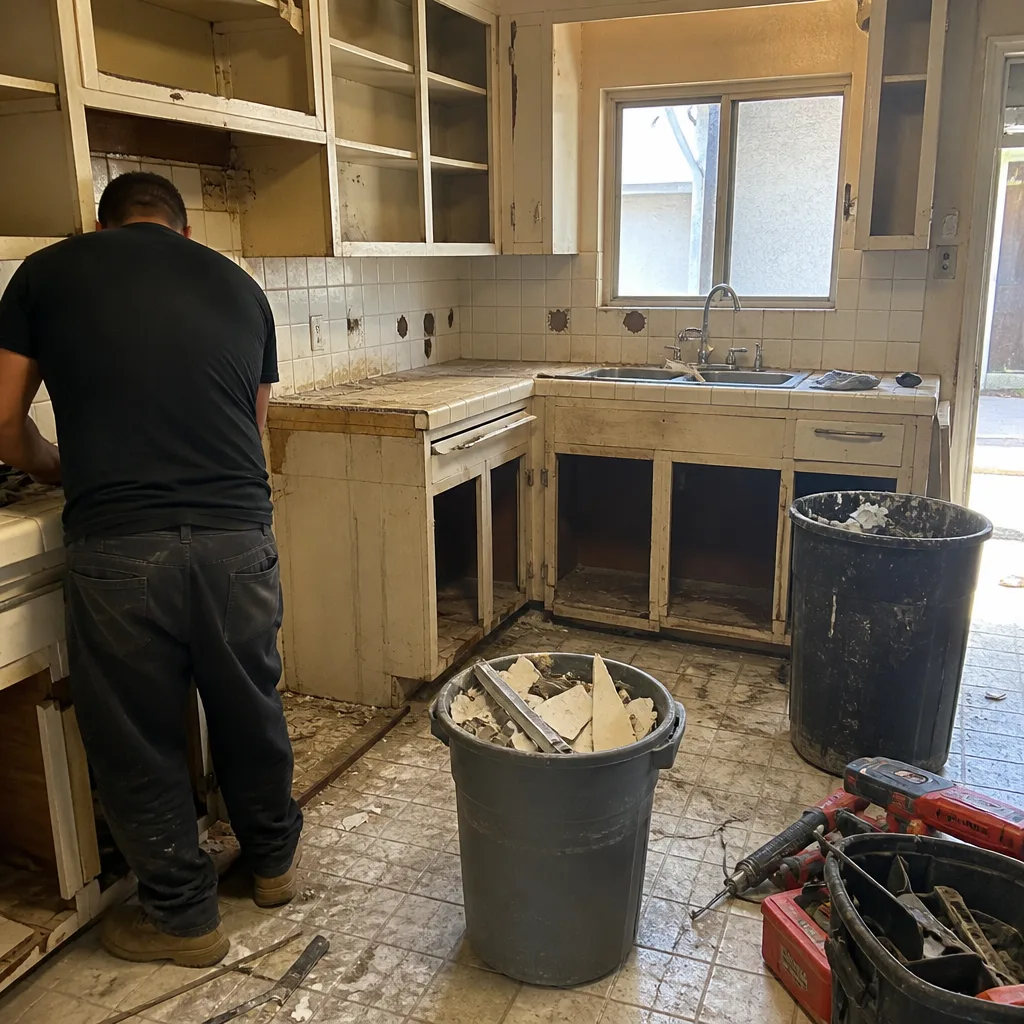 Before
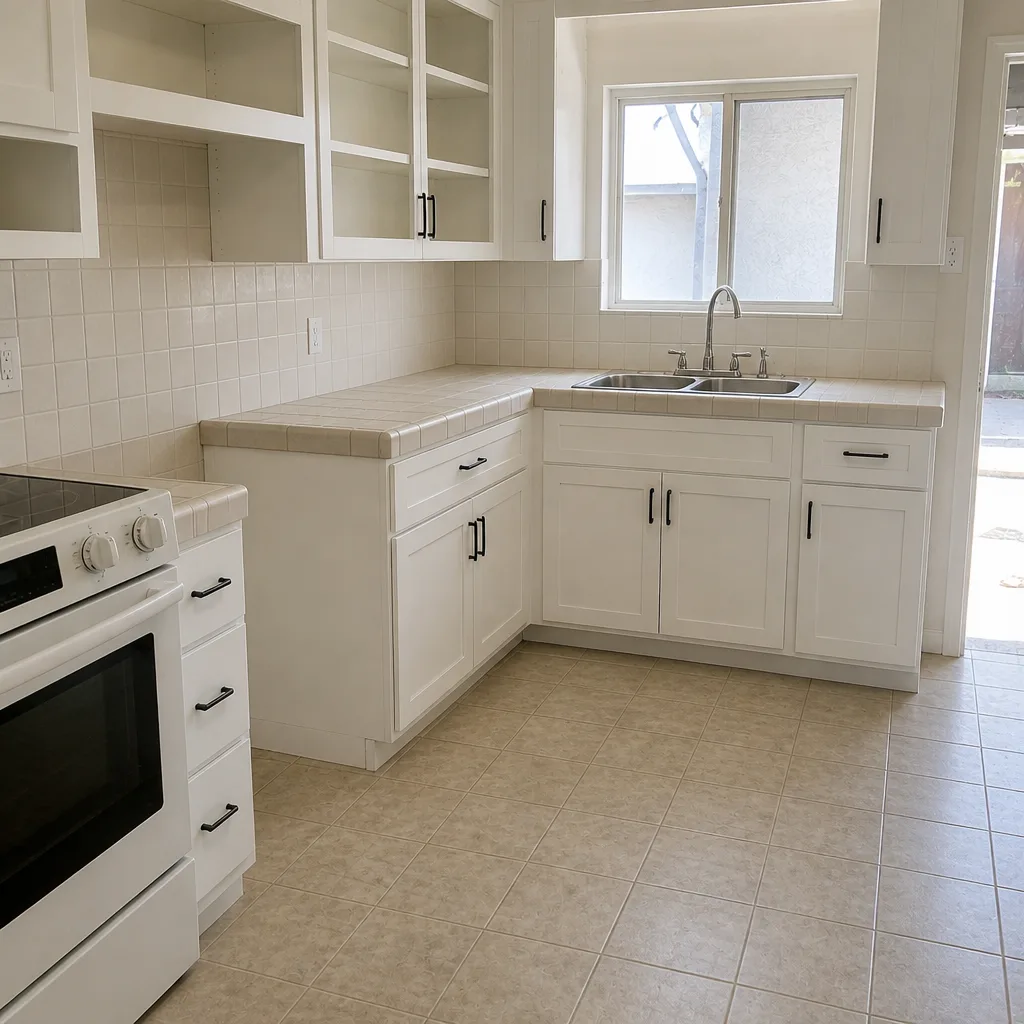 After
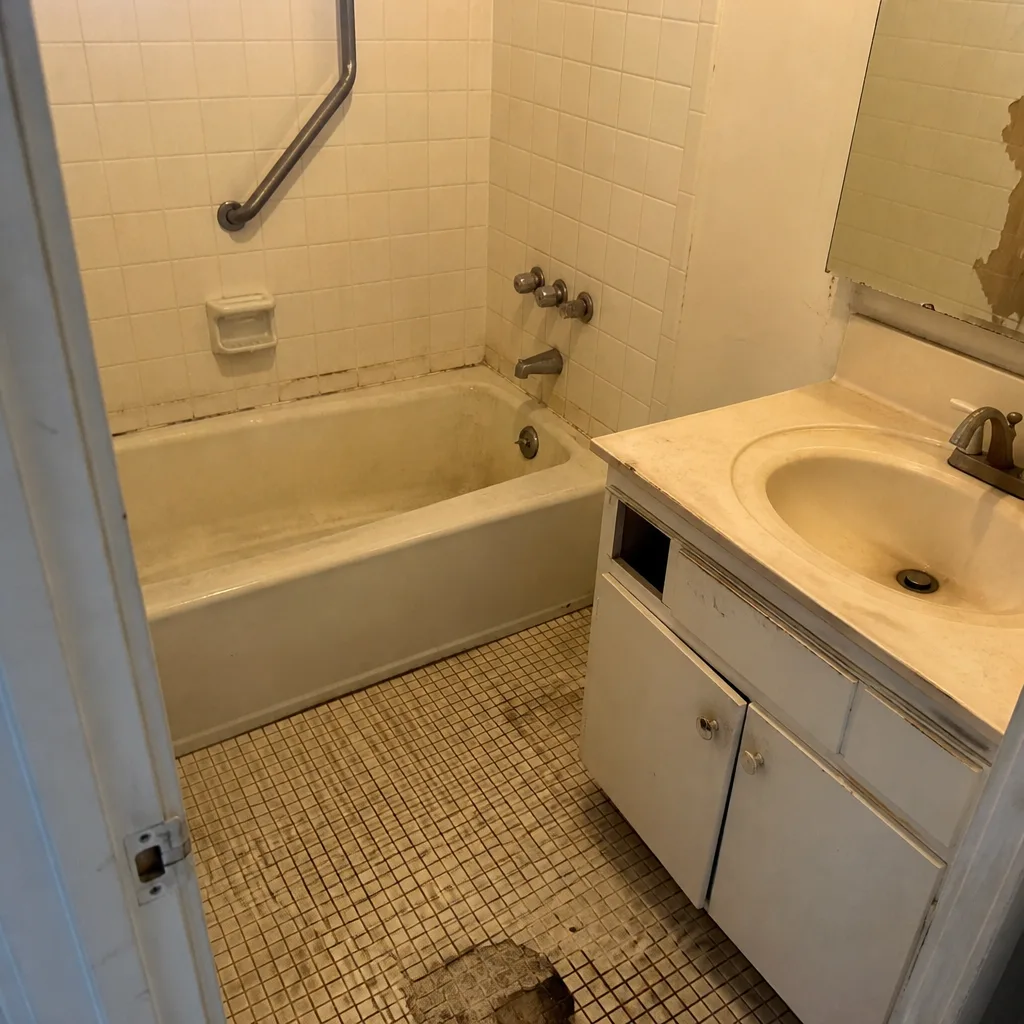 Before
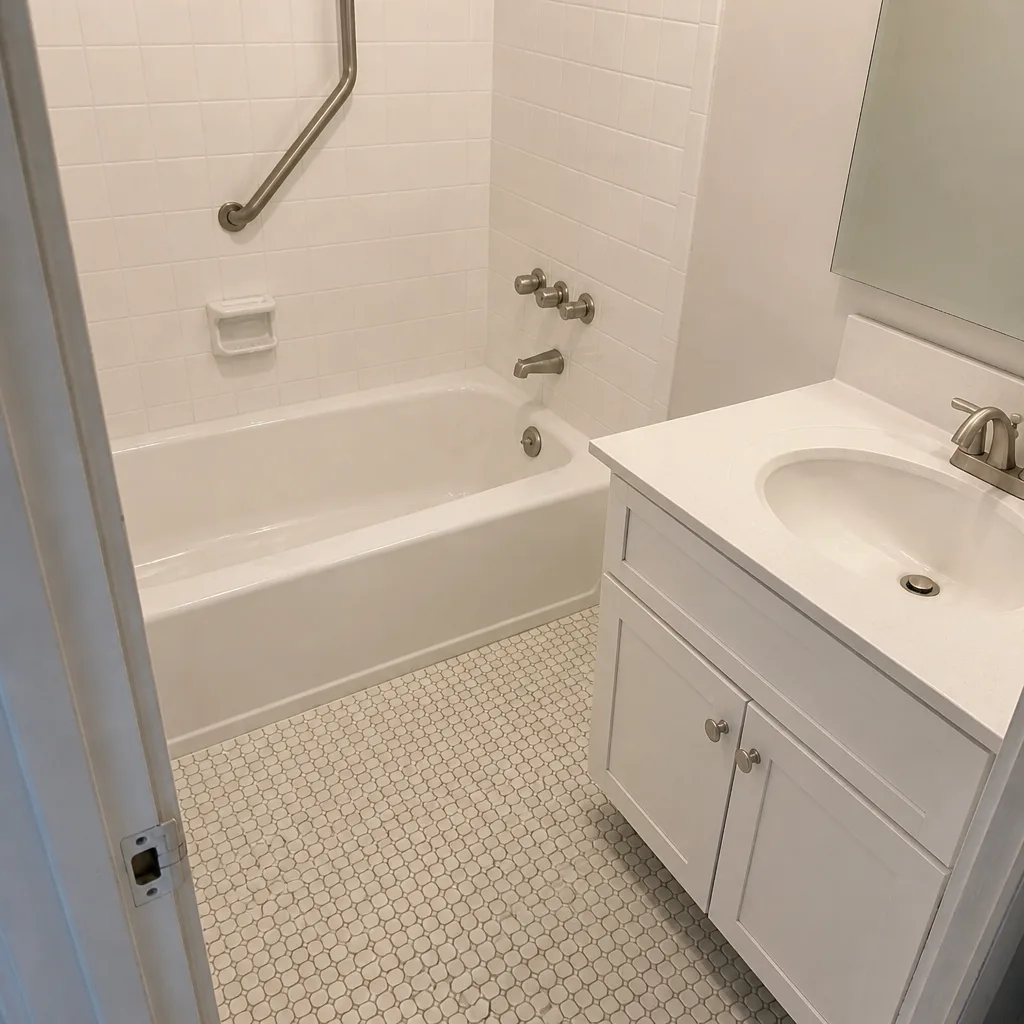 After
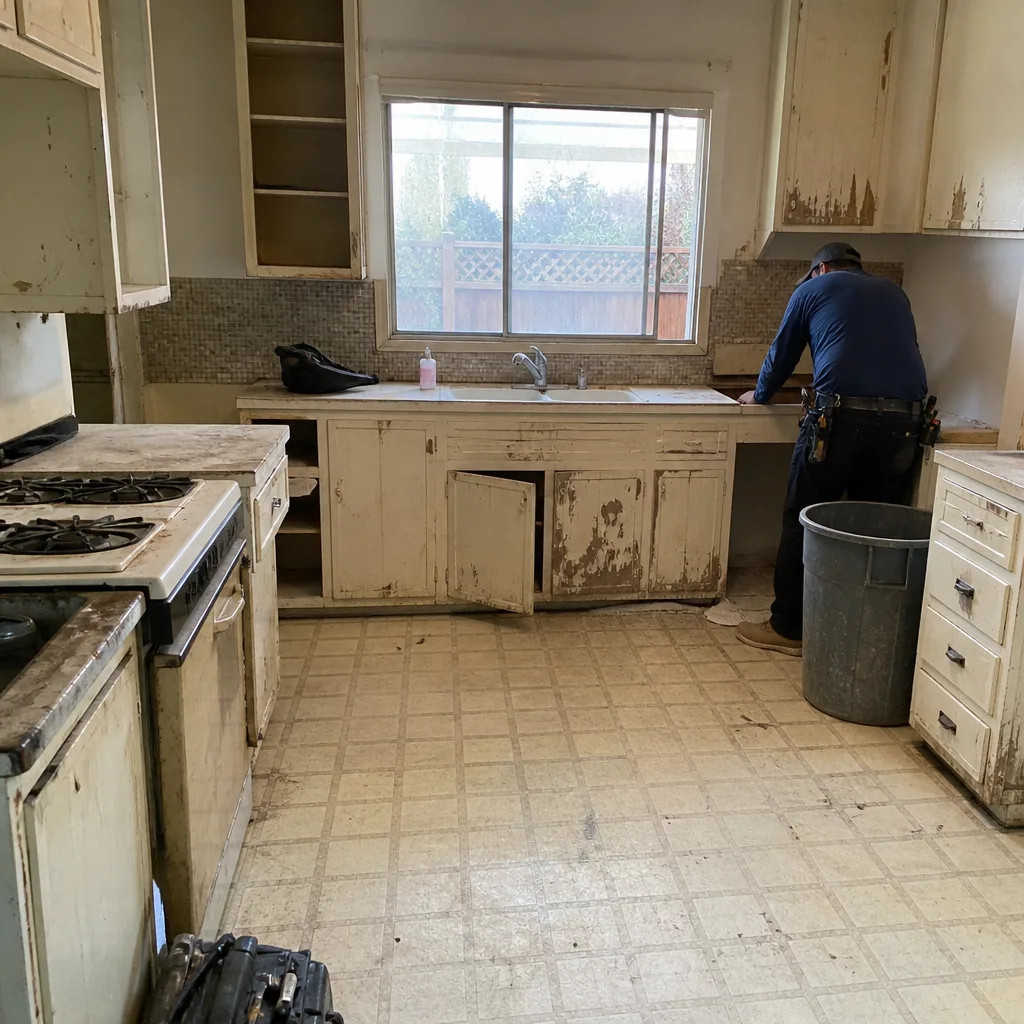 Before
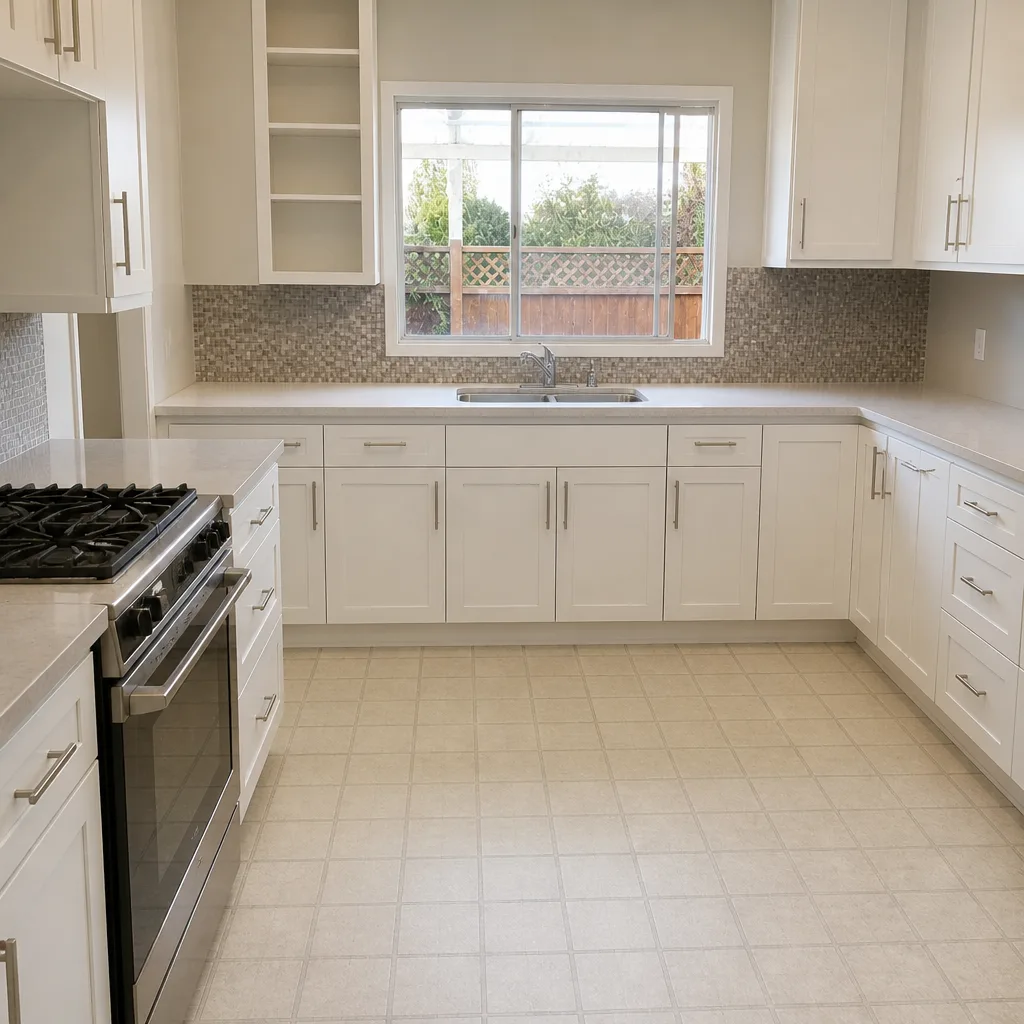 After
Home Addition vs ADU in Torrance: Choose the ADU unless you need the space attached
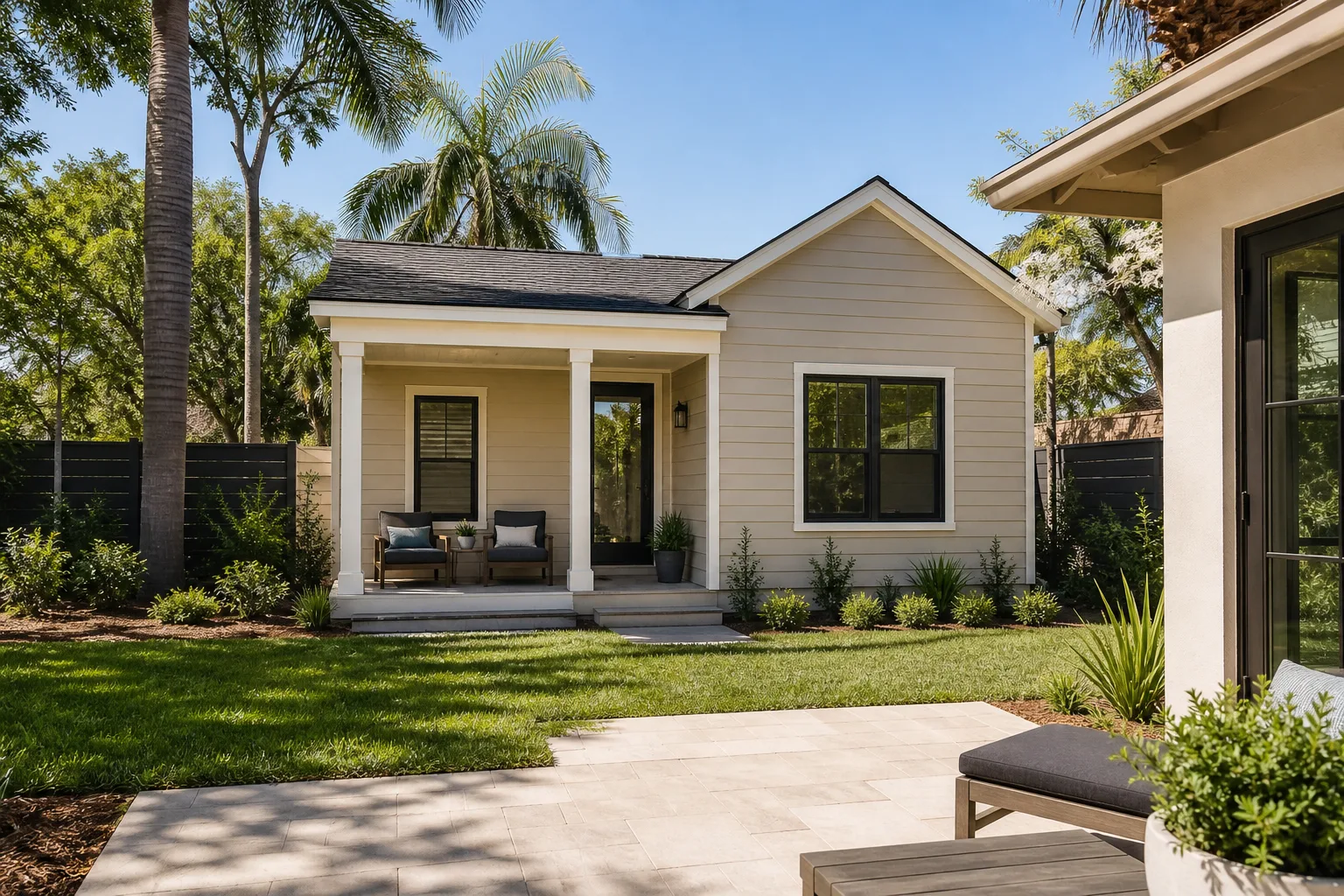
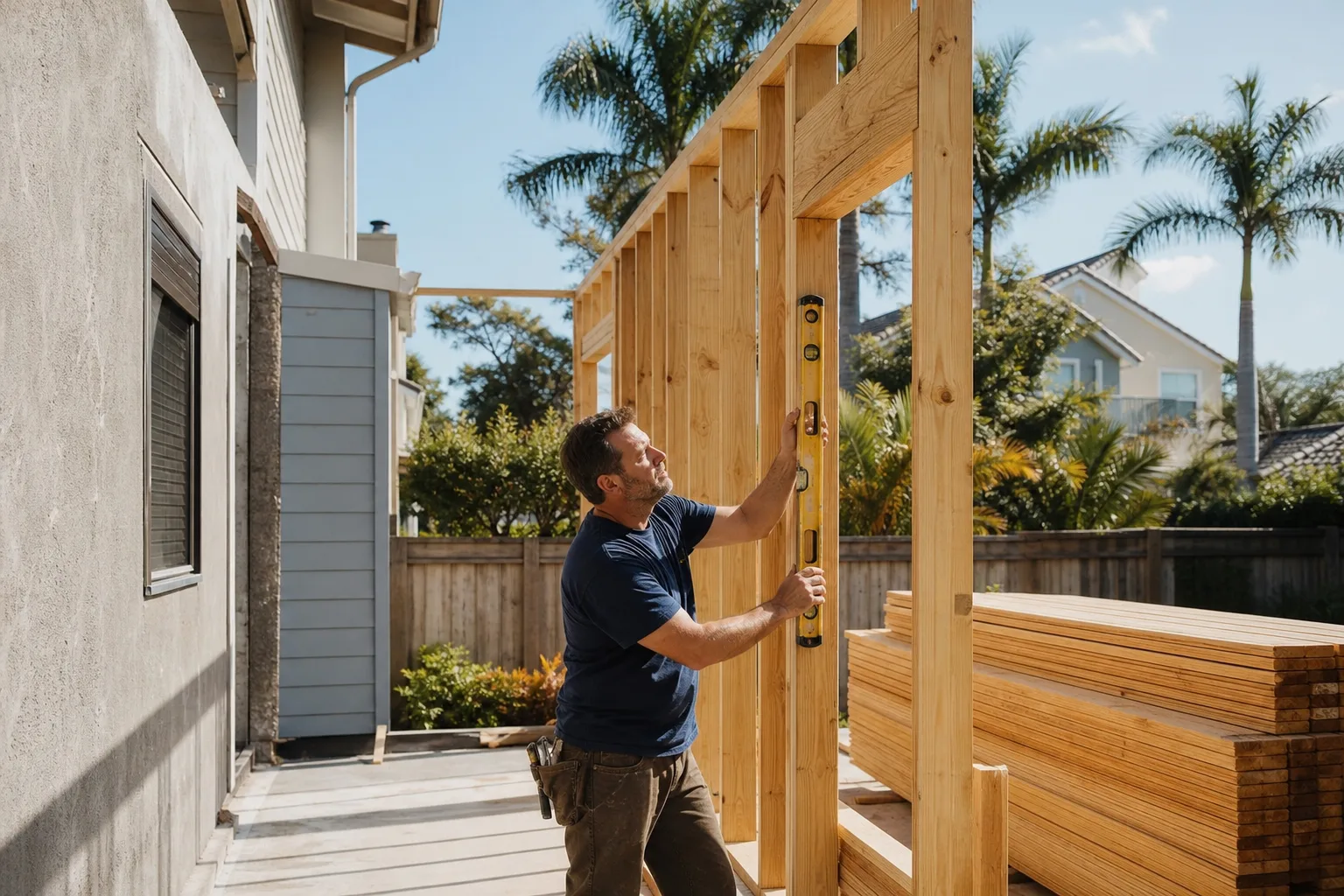
If you’re weighing a home addition against an ADU in Torrance, choose the ADU unless the new square footage has to connect to the main house. A detached ADU usually fits where an addition crowds the lot, and it can generate rental income a bedroom addition never will. The catch is that the answer depends far less on design than on two facts about your specific lot: how much lot coverage you have left under Torrance zoning, and what the soil is doing under the slab. We quote both options with line-item numbers before recommending either, and the right call is the one your lot allows and your budget survives. Call (888) 349-6729 and we’ll walk through what’s actually possible on your parcel.
Why Torrance parcels decide this before the floor plan does
Torrance grew up as a master-planned, post-WWII oil-and-aerospace company town, so most of the core is tract homes laid on a strict 1950s-’60s grid with detached garages behind them. That history has a direct effect on whether you can build a second dwelling. Torrance enforces a lot coverage limit, typically 40 to 50 percent of lot area depending on the zone, and a built-out 1950s tract lot is often already close to that ceiling. On a lot where the existing house and garage eat most of the footprint, a detached ADU may leave you no uncovered ground to place it on without demolishing a structure. An addition that reuses existing footprint space can still squeeze in under the same limit. This is the first gate, and it comes before anyone sketches a kitchen.
The soils are the second gate, and they’re genuinely unpredictable here. Torrance sits on the flat South Bay plain with heavy clay and a high water table, and parts of the city rest on decades of old oil-field and industrial fill. Within a single parcel, fill depth can change from one corner to the next. An addition shares the existing foundation system and often needs only a footing extension. A detached ADU slab is a new structure on new ground, so it needs its own soils assessment, and that report sometimes changes the whole cost picture. Veteran contractors here insist on a soil check before any room addition or ADU slab, and so do we.
What each option actually changes: taxes, utilities, and the number that never shows up in comparison articles
Here’s where the two paths split in ways a general guide rarely covers. A home addition increases the main home’s assessed value, and under Prop 13 reassessment rules for new construction that can push your property taxes up. A qualifying ADU may be assessed separately. We recommend verifying the specifics with the LA County Assessor before you choose, and we note that in the written project brief so it isn’t an afterthought later.
Utilities are the other gap. An ADU often needs a separate meter and lateral, and in Torrance that utility work can add $8,000 to $20,000. It’s not glamorous, it rarely appears in side-by-side comparisons, and it always appears in our written quote. An addition usually ties into the existing service and skips most of that cost.
Then there’s income. An ADU can rent. A home addition doesn’t, but it adds living space you’ll actually use every day and, done well, it lifts the value of the house itself. Neither is the “correct” choice in the abstract. The correct choice depends on the lot and what you’re trying to get out of the square footage.
Home addition vs ADU in Torrance, side by side
| Factor | Home Addition | Detached ADU |
|---|---|---|
| Typical project cost | $45,000-$130,000 | $90,000-$220,000 |
| Lot coverage pressure | Can reuse existing footprint | Needs uncovered land within the 40-50% ceiling |
| Foundation | Shares existing system; footing extension | New slab; own soils assessment required |
| Utility connection | Usually ties into existing service | Often separate meter and lateral: $8,000-$20,000 |
| Property tax | Raises assessed value; Prop 13 reassessment on new construction | May be assessed separately; verify with LA County Assessor |
| Rental income | No | Yes, if it qualifies |
| Best fit | Lots near coverage limit; need attached space | Lots with open land; income or multigenerational use |
Our recommendation follows from the table. If your Torrance lot is built out and you need more room for your own household, an addition is usually the honest answer. If you have open ground and want a unit that pays part of its own way, an ADU is the stronger play. When a lot sits right on the coverage line, we run both quotes against the same plan before you commit to either.
How we quote both before you decide
We don’t recommend a direction until we’ve put numbers on paper for both. Every quote is a flat written price with a written scope and a written warranty, and permit fees, any soils assessment, and utility connection are line items, not surprises. Nothing proceeds on a change until the change order is signed, which is why our projects finish within a few percent of the price you agreed to. That discipline comes straight from The Haven Standard, and it’s the same whether you’re building an Home Additions & ADU or reworking a single room.
Because the soils and drainage questions are distinct for each option, we treat the soils check as information, not an upsell. If a report says the fill under your back corner is deeper than expected, you’ll see it and you’ll see what it costs before anything is poured. Most homeowners find that the report settles the addition-versus-ADU question on its own.
Key takeaways
- On a standard Torrance tract lot, lot coverage (40-50% depending on zone) is the first gate, and a built-out lot may not fit a detached ADU without demolishing something.
- Heavy clay, a high water table, and old oil-field fill make a soils assessment essential before any ADU slab; an addition can often extend existing footings instead.
- A separate ADU meter and lateral can add $8,000-$20,000, a cost that belongs in the comparison from day one.
- Home additions lift assessed value; qualifying ADUs may be assessed separately. Verify with the LA County Assessor before choosing.
- ADUs can generate rent; additions can’t. Decide based on the lot first, income second.
The local construction here runs on aging tract stock, original galvanized plumbing, and fastidious Torrance permit review rather than the hillside or historic-district work you’d find in Palos Verdes or Redondo Beach. Salt air and coastal damp also accelerate rot and stucco wear, so we use materials built to last in this climate, including window systems from Therma-Tru and ViewLux, and door hardware from Mr-Glass where the coastal exposure calls for it. Our technicians have up to 19 years of experience, every crew is background-checked and uniformed, and every visit comes with a documented photo record as standard, not an upgrade. If you’re still early in the process, a free second opinion on any written estimate is always available. For the broader picture of what we build, start from our home page.
FAQs
A home addition is almost always cheaper up front, typically $45,000-$130,000 against $90,000-$220,000 for a detached ADU, largely because the ADU carries its own foundation, soils assessment, and often a separate utility connection. But if the ADU qualifies and rents, the income can offset that gap over time. Call (888) 349-6729 for an exact quote on your lot, and estimates are free.
Often not without removing a structure, because a built-out 1950s tract lot may leave too little uncovered ground to fit a detached ADU inside the 40-50% lot coverage limit. An attached addition that reuses existing footprint space frequently fits where a detached unit won’t. We check your coverage math before recommending either path. Call (888) 349-6729 and we’ll run the numbers for your parcel.
Both can, but differently. An addition increases the main home’s assessed value, and Prop 13 reassessment rules for new construction can push taxes up; a qualifying ADU may be assessed separately. We flag this in your written project brief and recommend confirming the specifics with the LA County Assessor. Call (888) 349-6729 to talk through the numbers before you build.
You’ll need one for a new detached ADU slab, because fill depth and drainage can vary even across a single parcel on this flat clay plain. An addition that extends the existing foundation often doesn’t require a full report. We include any soils assessment as a line item in your written quote so it’s never a surprise. Call (888) 349-6729 for a written price on your project.
Get a written price before you decide
If you’d rather have it looked at, Rowan Construction Group Torrance offers a no-pressure assessment in Torrance: call (888) 349-6729 for a free estimate. We’ll put a flat written price on both the addition and the ADU, point out where your lot pushes the cost, and let the numbers make the choice for you.
Written by the team at Rowan Construction Group Torrance, serving Torrance, CA.